Swordfish fishing is one of the most specialized forms of offshore fishing.
Whether you are daytime deep dropping in hundreds or even thousands of feet of water or targeting fish after dark, the trip usually involves long offshore runs, heavy tackle, bait preparation, wet decks, and many hours on the boat.
Unlike fast-paced surface fishing, swordfishing can include long periods of waiting.
Then, once a fish is hooked, the boat can suddenly become extremely active.
Anglers and crew may need to:
- Clear equipment
- Adjust rod position
- Move around the cockpit
- Handle heavy leaders
- Prepare landing tools
- Manage a powerful fish near the boat
That makes footwear more important than many anglers expect.
The best deck boots for swordfish fishing should keep your feet dry around spray and washdowns, remain comfortable during long periods of standing, provide stable footing on a moving offshore boat, and clean easily after exposure to bait, fish slime, blood, and saltwater.
For most recreational swordfish anglers, lightweight uninsulated ankle deck boots provide an excellent balance of waterproof protection, mobility, and warm-weather comfort.
This guide explains what to look for in swordfish fishing footwear, how daytime deep dropping differs from night fishing, why heavy tackle affects footwear needs, and when other marine footwear may be more appropriate.
Why Swordfish Fishing Is Hard on Footwear
Swordfish trips create several demanding footwear conditions at once.
Your boots may encounter:
- Saltwater spray
- Rain
- Bait water
- Fish slime
- Blood
- Ice melt
- Wet fiberglass
- Boat washdowns
- Offshore swells
- Long hours standing
Many swordfish fisheries also take place in warm climates, especially South Florida.
That means anglers need waterproof protection without unnecessary insulation.
Why Deck Boots Work Well for Swordfish Fishing
Deck boots are designed for wet marine environments.
They provide:
- Waterproof construction
- Closed-toe coverage
- Easy-clean surfaces
- Wet-deck traction
- Comfortable standing support
- Simple pull-on convenience
They work especially well on:
- Offshore center consoles
- Sportfishing boats
- Charter vessels
- Private swordfish boats
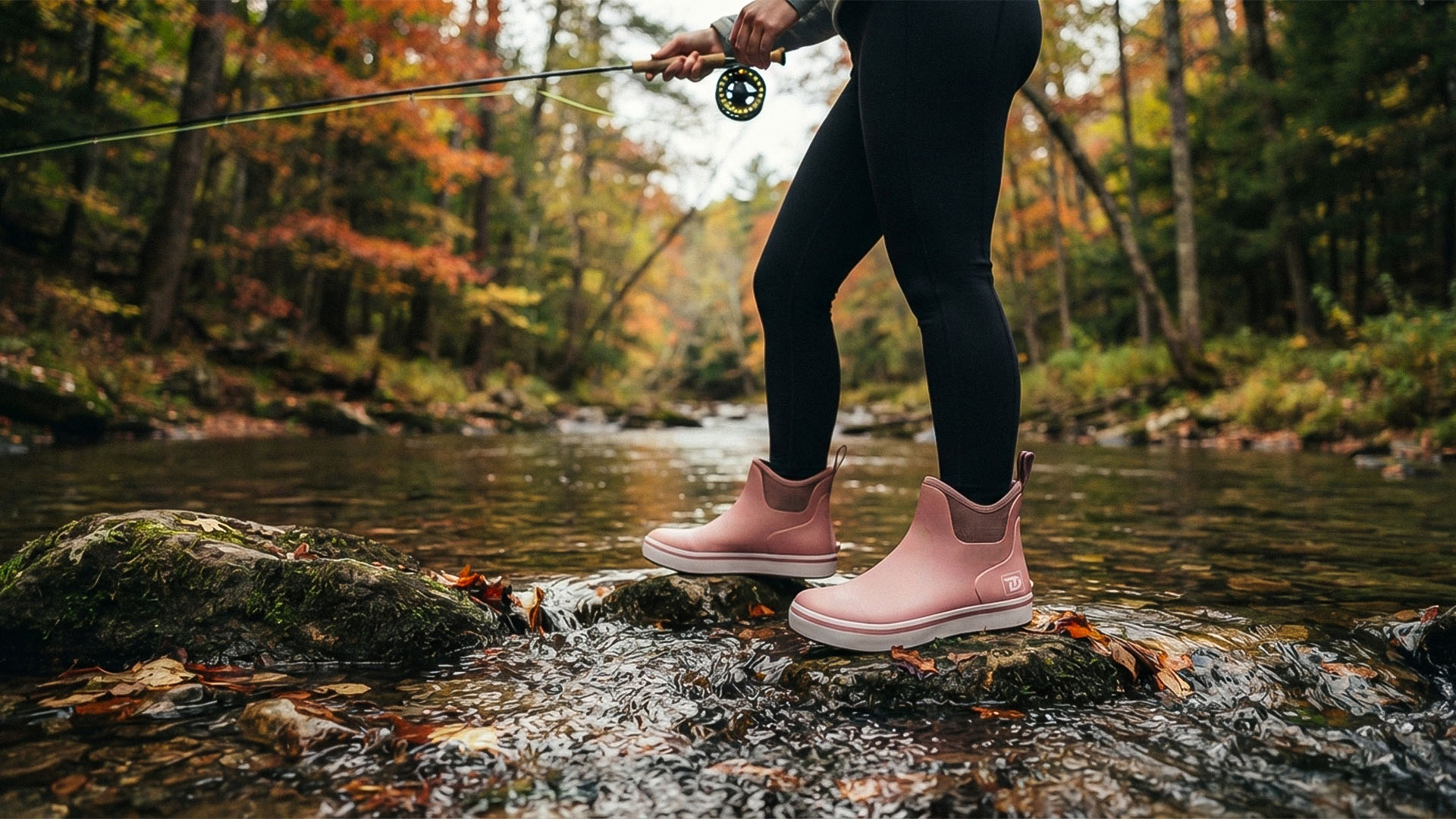
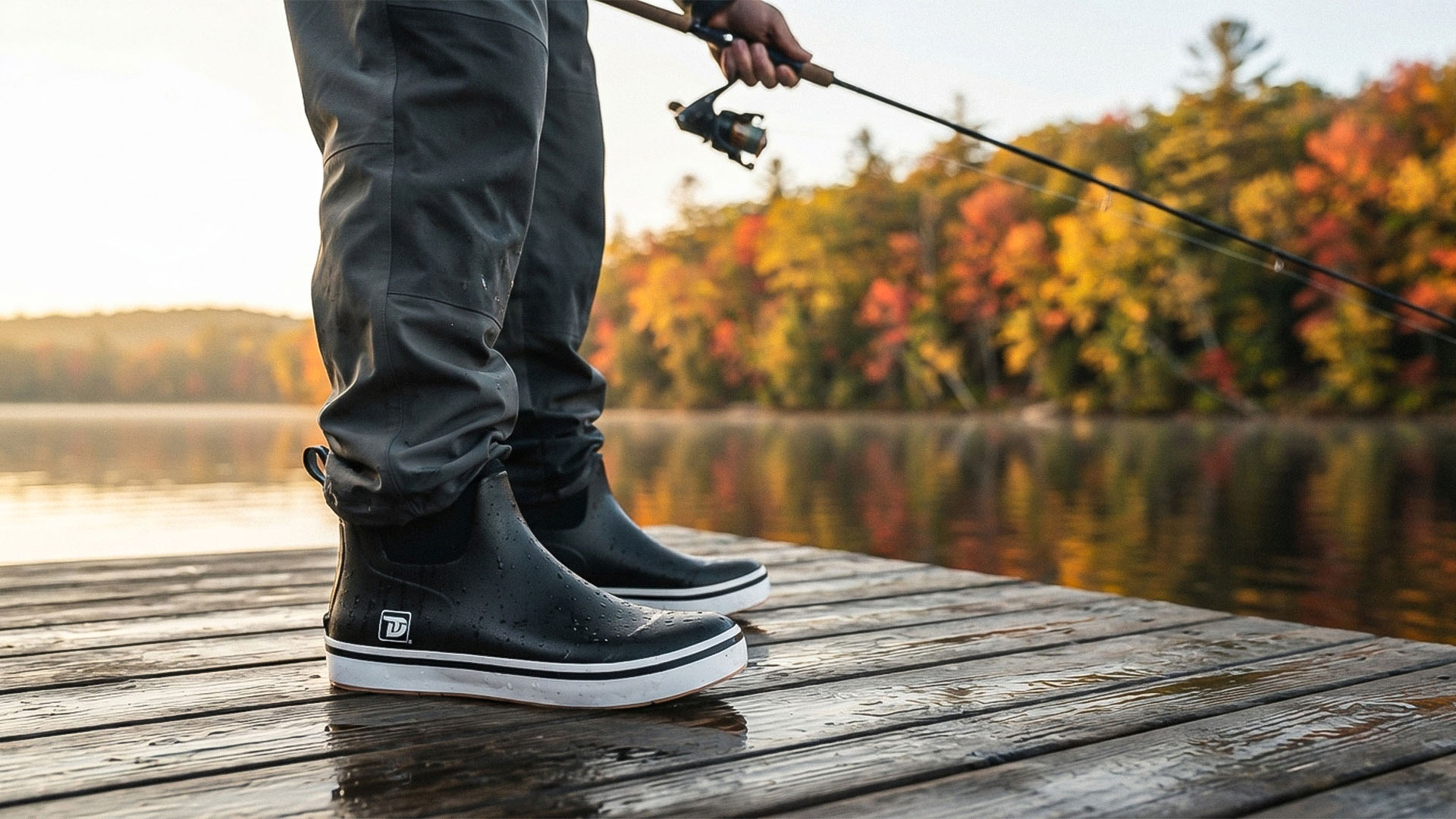
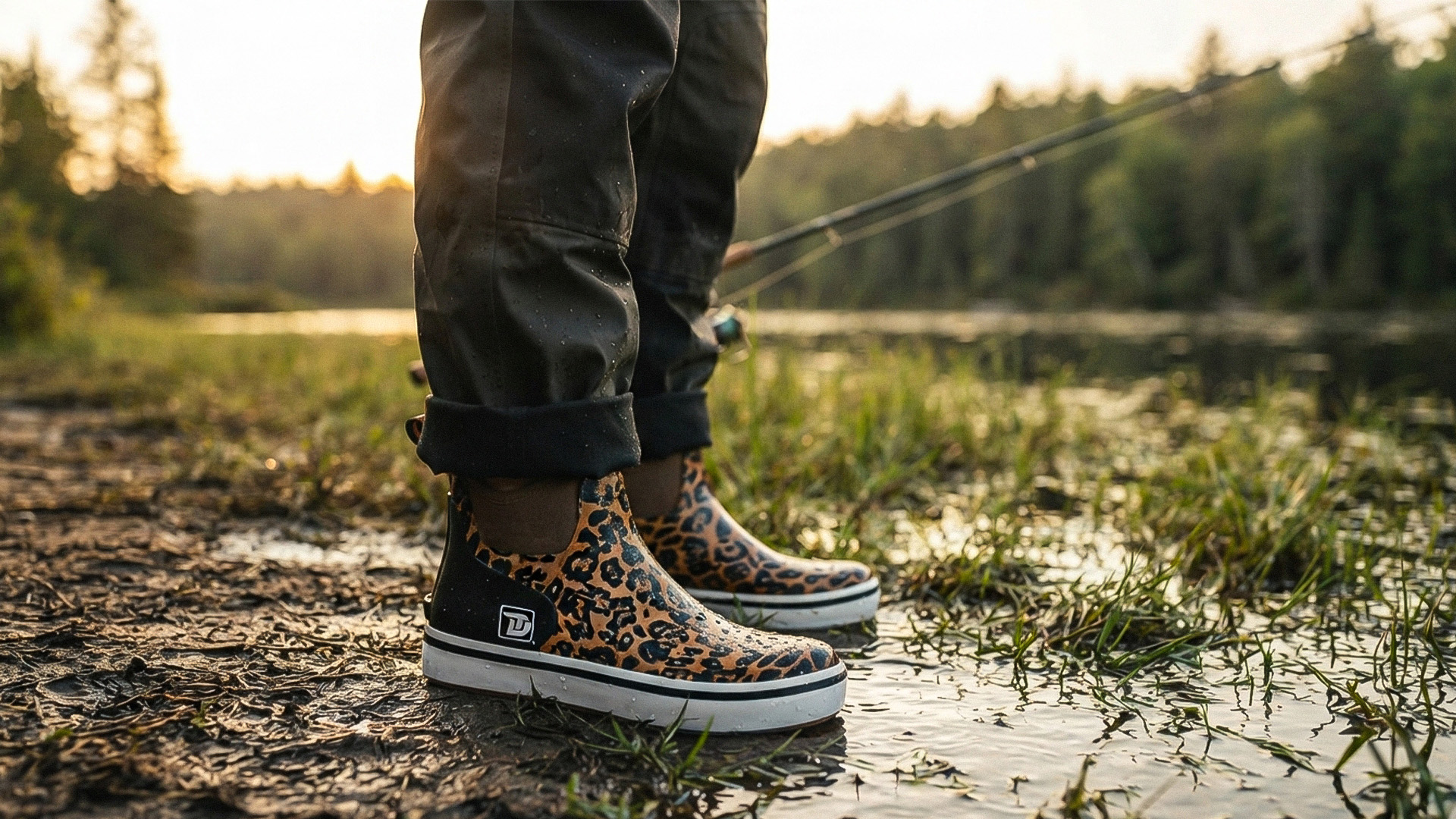
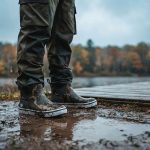
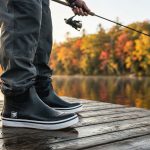
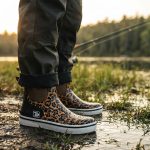
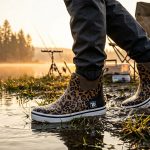
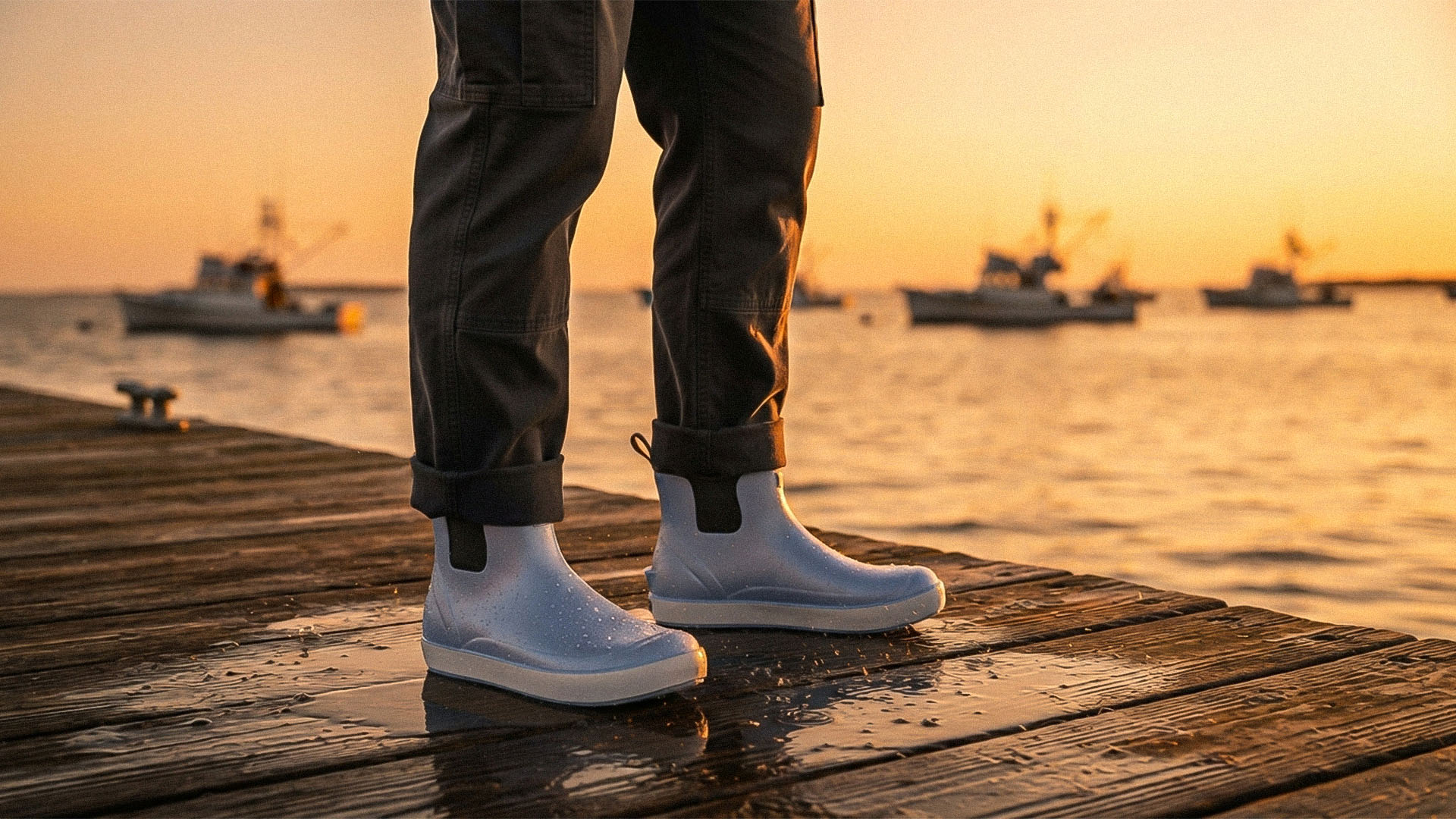
Anglers comparing offshore footwear can evaluate TruDaveGear deck boots alongside other marine options based on outsole design, fit, cushioning, removable insoles, boot height, and warm-weather comfort.
South Florida Swordfish Fishing
South Florida is one of the most recognizable swordfish destinations in the United States.
Anglers may target swordfish from ports around:
- Miami
- Fort Lauderdale
- Palm Beach
- Florida Keys
Conditions may include:
- Heat
- Humidity
- Strong sun
- Long runs
- Sudden rain
- Offshore spray
Lightweight uninsulated footwear makes the most sense for many trips.
Daytime Swordfishing
Daytime swordfishing often involves deep dropping.
This may require:
- Heavy weights
- Electric reels
- Large rods
- Specialized rigging
- Deep-water bait presentations
The fishing may seem slow between bites, but the deck can still be busy.
Footwear should provide comfort during long waiting periods and stability during gear handling.
Deep Dropping Changes Footwear Needs
Deep-drop fishing often means standing near the rod holder while:
- Monitoring the rod tip
- Adjusting line
- Checking bait
- Watching the reel
- Responding to subtle bites
That can mean hours in one general area.
Stable cushioning becomes important.
Long Periods of Standing
Look for boots with:
- Supportive heel cushioning
- Comfortable forefoot
- Moderate arch support
- Secure heel fit
- Enough toe room
A thin footbed may become uncomfortable after several hours on hard fiberglass.
Night Swordfish Fishing
Night swordfishing creates additional challenges.
Visibility is lower, and anglers may move around:
- Rod holders
- Buckets
- Leaders
- Coolers
- Tackle
Closed-toe waterproof footwear becomes especially useful.
However, good deck lighting and organization remain essential.
Night Deck Safety
At night, keep primary walking areas free from:
- Loose leader
- Hooks
- Tools
- Bait containers
- Rod butts
No boot can compensate for a cluttered cockpit.
The best footwear works together with good deck organization.
Heavy Swordfish Tackle
Swordfish fishing may involve some of the heaviest recreational tackle on the boat.
Equipment can include:
- Heavy rods
- Large electric or conventional reels
- Deep-drop weights
- Strong leaders
- Large hooks
- Specialized rigging
This increases the importance of closed-toe footwear.
Deep-Drop Weights
Swordfish rigs may use substantial weight depending on fishing style.
Dropped weights can injure feet.
Deck boots provide basic closed-toe coverage but are not impact-rated safety footwear.
Keep weights stored in:
- Dedicated holders
- Rigging trays
- Secure containers
Do not leave heavy gear loose on the deck.
Large Hooks
Swordfish hooks can be large and extremely sharp.
Standard deck boots are not hook-proof.
Keep rigged hooks in:
- Dedicated hook holders
- Rig trays
- Secure bait stations
Never depend on ordinary rubber footwear to stop a fishing hook.
Long Leaders
Swordfishing may involve long leader systems.
Loose leader can create trip hazards.
Keep leader material:
- Coiled properly
- Stored in designated areas
- Away from primary walking paths
A clean cockpit is essential when a fish comes near the boat.
Electric Reels
Many daytime swordfish anglers use electric reels.
Footwear should allow comfortable standing near:
- Rod holders
- Battery systems
- Reel controls
Keep cables and accessories organized so they do not cross walking paths.
Bait Rigging
Swordfish bait preparation can involve:
- Squid
- Fish bait
- Rigging needles
- Hooks
- Leader material
This creates a working area that can become wet and messy.
Deck boots are easy to rinse after bait preparation.
Squid Bait
Squid is commonly associated with offshore bait fishing.
It can leave:
- Slime
- Water
- Ink
- Strong odor
on the deck.
Waterproof boots are much easier to clean than fabric shoes.
Bait Slime and Traction
If bait slime gets into the tread, clean it.
A marine outsole performs best when free from:
- Fish oil
- Squid slime
- Blood
- Soap
No outsole can provide reliable traction if the tread is heavily contaminated.
Long Offshore Runs
Swordfish trips may require traveling significant distances offshore.
During the run, anglers may:
- Sit
- Stand
- Brace against waves
- Move around the cockpit
Footwear should remain comfortable before fishing even begins.
Rough Offshore Conditions
The open ocean may create:
- Swell
- Chop
- Rolling boat movement
- Spray
Your feet constantly make small balance corrections.
A secure boot reduces unnecessary internal foot movement.
Heel Fit
Pull-on deck boots naturally allow some heel movement.
Too much may cause:
- Blisters
- Sock sliding
- Toe gripping
- Reduced stability
Test the boots before a long swordfish trip.
Walk, turn, side-step, and squat in the same socks you plan to fish in.
Toe Room
Long offshore days can cause slight foot swelling.
Your toes should have enough room for:
- Natural movement
- Sock thickness
- Mild swelling
Do not choose an overly tight size just to eliminate heel movement.
Fighting a Swordfish
Once a fish is hooked, the trip may become far more active.
Anglers may need to:
- Follow the fish around the boat
- Change rod angle
- Clear gear
- Move between cockpit positions
- Prepare landing equipment
Footwear should stay secure throughout this movement.
Boat-Side Action
A large swordfish near the boat can create intense activity.
Keep walking areas clear.
Do not allow:
- Leader coils
- Hooks
- Bait boxes
- Loose tackle
to remain underfoot.
Secure deck boots help, but organization is more important than any tread pattern.
Swordfish Bills and Fish Handling
Swordfish have a long, rigid bill.
A large fish near the boat should be treated with caution.
Deck boots are not protective equipment against:
- Fish bills
- Hooks
- Gaffs
- Heavy tackle
Follow appropriate fish-handling procedures and crew instructions.
Do Not Use Your Foot to Control a Swordfish
A boot should never be used to pin or restrain a swordfish.
Keep your feet away from the fish until it is under control.
Closed-toe deck boots provide ordinary coverage only.
Fish Slime
Swordfish can leave slime around:
- Deck
- Fish box
- Landing area
- Boots
Slime may reduce traction.
Rinse heavy residue when practical.
Fish Blood
Harvested fish may create blood around the cockpit.
Waterproof footwear is easy to rinse.
Clean blood quickly to reduce:
- Odor
- Staining
- Slickness
Fish Boxes and Ice
Large offshore fish are often stored with substantial ice.
Melting ice can create water around your feet.
Deck boots prevent this cold water from soaking your socks.
Boat Washdowns
Swordfish boats may be washed down after:
- Bait preparation
- Fish handling
- Blood
- Slime
Waterproof deck boots are ideal during cleanup.
This is one of their strongest advantages over fabric shoes.
Wet Fiberglass
Fiberglass decks may become slippery from:
- Saltwater
- Fish slime
- Blood
- Bait residue
- Sunscreen
- Soap
Look for an outsole with:
- Broad surface contact
- Flexible rubber
- Water channels
But remember that deck cleanliness remains essential.
Sunscreen on Offshore Decks
Swordfish trips may involve hours under strong sun.
Sunscreen spills can create slick areas.
Apply sunscreen carefully and clean spills promptly.
Footwear traction works best on clean surfaces.
Warm Weather
South Florida swordfish trips can be extremely warm.
Choose:
- Lightweight boots
- Uninsulated construction
- Ankle height
- Thin technical socks
Heavy insulated rubber boots are generally unnecessary.
Are Deck Boots Too Hot for Swordfishing?
They can be if they are tall, heavy, or insulated.
A lightweight ankle deck boot is much better suited to warm offshore conditions.
On extremely hot and completely dry trips, breathable fishing shoes may still be more comfortable.
Best Socks for Swordfish Fishing
Use lightweight moisture-wicking socks such as:
- Synthetic performance socks
- Lightweight merino wool
- Merino-synthetic blends
Avoid cotton.
Cotton absorbs moisture and dries slowly.
Crew Socks
Crew-height socks pair well with ankle deck boots.
They reduce:
- Collar rubbing
- Heel friction
- Blister risk
Spare Socks
Bring a dry pair in waterproof storage.
They are useful if socks become wet from:
- Rain
- Spray
- Water entering over the collar
- Sweat
Rain During Offshore Trips
Florida weather can change quickly.
A summer shower or storm may turn the entire cockpit wet.
Deck boots provide valuable protection once rain begins.
Rain Pants and Deck Boots
Keep rain-pant cuffs outside the boot opening.
This lets water run down the exterior.
Tucking pants inside the boots may funnel rainwater directly into them.
Center Console Swordfishing
Large center consoles are common in modern offshore fishing.
They allow anglers to move around the boat but also expose the cockpit to more spray.
Low-profile deck boots provide useful protection without restricting movement.
Sportfishing Boats
Larger sportfishing boats may offer more shelter, but the cockpit can still become wet from:
- Fish handling
- Bait
- Washdowns
- Spray
Deck boots remain practical in the working area.
Charter Swordfish Trips
Before a charter, ask:
- Are deck boots recommended?
- Are non-marking soles required?
- How wet does the cockpit get?
- Is night fishing involved?
Follow the captain’s footwear instructions.
Non-Marking Soles
Some vessels require non-marking footwear.
Check product specifications.
Non-marking and wet traction are separate characteristics.
A boot may need both.
EVA Decking
Some offshore boats use EVA foam.
Before boarding, remove:
- Gravel
- Sand
- Shell fragments
from the outsole.
Sharp debris can damage softer deck surfaces.
Boat Ramps and Marinas
Swordfish trips may begin around:
- Wet docks
- Marina washdowns
- Gravel
- Rainwater
Deck boots protect your feet during these transitions.
Clean debris before stepping aboard.
Removable Insoles
Removable footbeds improve:
- Drying
- Odor control
- Cushion replacement
- Arch support
- Cleaning
After a long humid trip, remove the insoles even if outside water never entered.
Sweat can accumulate underneath.
Wide Feet
Wide-footed anglers should look for:
- Roomy toe box
- Proper forefoot width
- Secure heel
- Comfortable instep
Do not simply size up excessively.
Extra length can reduce control.
High Instep
Pull-on boots may feel tight across a high instep.
Look for:
- Adequate internal volume
- Strong pull tabs
- Comfortable opening
- Removable footbeds
Pressure or numbness indicates poor fit.
Deck Boots vs. Fishing Shoes
Deck Boots Are Better For:
- Wet offshore decks
- Bait preparation
- Rain
- Fish slime
- Washdowns
- Night fishing
Fishing Shoes Are Better For:
- Very hot dry conditions
- Maximum airflow
- Quick drainage
Many offshore anglers benefit from owning both.
Deck Boots vs. Sneakers
Sneakers may absorb:
- Saltwater
- Bait water
- Fish slime
- Blood
- Rain
Once wet, they may stay uncomfortable for hours.
Deck boots are much easier to rinse.
Deck Boots vs. Flip-Flops
Flip-flops are not ideal around:
- Large hooks
- Heavy deep-drop weights
- Leader systems
- Fish-handling equipment
- Wet decks
They also provide limited heel security.
Closed-toe footwear is more practical.
Deck Boots vs. Tall Rubber Boots
Tall boots provide more coverage but add:
- Heat
- Weight
- Bulk
For most recreational swordfishing in warm climates, ankle deck boots provide enough protection.
Cleaning Squid Slime From Deck Boots
After fishing:
- Rinse boots with fresh water.
- Remove bait residue.
- Use mild soap if necessary.
- Brush the outsole.
- Rinse thoroughly.
- Remove the insoles.
- Dry everything separately.
Cleaning Fish Blood
Rinse blood promptly.
Use mild soap if needed.
Pay attention to:
- Toe
- Heel
- Sidewalls
- Tread grooves
Cleaning Fish Slime
Rinse slime before it dries.
A soft or medium brush can help clean outsole grooves.
Organic residue should not remain in the tread between trips.
Saltwater Care
After every offshore trip:
- Rinse the upper
- Clean tread grooves
- Rinse pull tabs
- Clean the collar
- Remove bait and fish residue
Regular freshwater rinsing helps prevent salt buildup.
Drying in Humid Weather
South Florida humidity can slow drying.
After fishing:
- Remove insoles
- Open the boot tops
- Use airflow
- Use a fan if necessary
Avoid leaving damp boots sealed inside a boat compartment.
Avoid High Heat
Do not dry deck boots with:
- Clothes dryers
- Heat guns
- Open flames
- Extreme heaters
High heat may damage waterproof materials, adhesives, and foam.
Odor Prevention
Swordfish fishing boots can develop odor from:
- Squid
- Fish slime
- Blood
- Sweat
- Damp storage
Prevent odor by:
- Cleaning promptly
- Removing insoles
- Drying fully
- Storing boots with ventilation
Clean Shoes for the Drive Home
Bring separate footwear for driving.
Store dirty boots in:
- Rubber boot tray
- Plastic tote
- Washable cargo bin
This keeps bait residue and saltwater away from your vehicle interior.
Best Deck Boot Features for Swordfish Fishing
Look for:
Lightweight Waterproof Construction
Ideal for warm offshore conditions.
Uninsulated Design
Better for Florida heat.
Ankle Height
Provides protection without unnecessary bulk.
Stable Marine Outsole
Important on moving wet boats.
Secure Heel
Useful during fish fights and quick deck movement.
Comfortable Cushioning
Important during long deep-drop sessions.
Removable Insoles
Improves drying and support.
Flexible Forefoot
Helps with natural movement.
Easy-Clean Exterior
Important around squid, fish slime, and blood.
Swordfish Fishing Footwear Checklist
Before fishing:
- Check offshore weather
- Inspect outsole tread
- Confirm boots are dry
- Wear moisture-wicking socks
- Pack spare socks
- Secure large hooks
- Organize deep-drop weights
- Manage leader coils
- Bring rain gear
- Check charter footwear rules
After fishing:
- Rinse saltwater
- Clean squid residue
- Remove fish slime
- Rinse blood
- Brush tread
- Remove insoles
- Dry completely
Common Swordfish Fishing Footwear Mistakes
Wearing Flip-Flops Around Heavy Deep-Drop Gear
Open footwear provides poor protection and heel security.
Wearing Cotton Socks
Cotton holds moisture and dries slowly.
Wearing Heavy Insulated Boots in South Florida Heat
They create unnecessary sweat and fatigue.
Buying Boots Too Loose
Loose footwear reduces stability on moving offshore boats.
Leaving Heavy Weights on the Deck
Deck boots are not impact-rated safety footwear.
Treating Deck Boots as Hook-Proof
Large swordfish hooks can penetrate ordinary recreational footwear.
Leaving Leader Coils in Walking Areas
Even good footwear cannot prevent every trip hazard.
Ignoring Squid Slime in the Tread
Bait slime can reduce traction.
Tucking Rain Pants Inside Boots
Water may run directly inside.
Storing Dirty Boots in a Hot Vehicle
Fish and bait odor can become extremely strong.
Final Thoughts
Swordfish fishing combines long offshore runs, deep-drop tackle, heavy weights, large hooks, bait, wet decks, fish slime, night fishing, and extended periods of standing.
For most recreational anglers, lightweight uninsulated ankle deck boots provide an excellent balance of waterproof protection, secure movement, easy cleaning, and warm-weather comfort.
Choose boots with a secure heel, stable marine outsole, comfortable cushioning, removable insoles, and enough toe room for long offshore days.
Wear lightweight synthetic or merino-blend moisture-wicking socks instead of cotton.
Keep large hooks, deep-drop weights, leaders, bait containers, and landing tools organized and away from walking areas.
Standard deck boots are not hook-proof, impact-rated, or protective equipment against a swordfish bill.
During extremely hot and completely dry conditions, breathable fishing shoes may still be more comfortable.
But on a wet offshore boat where squid is being rigged, rain moves through, fish boxes are draining, and the washdown hose is running, waterproof deck boots become one of the most practical pieces of gear onboard.
After fishing, rinse saltwater, squid residue, fish slime, and blood, brush the tread, remove the insoles, and allow everything to dry completely.
The right swordfish fishing footwear should stay out of your mind while you focus on depth, bait presentation, current, line angle, rod-tip movement, and that subtle deep-water bite that may turn into the fish of a lifetime.
Frequently Asked Questions
Are deck boots good for swordfish fishing?
Yes. They are especially useful for offshore swordfish trips involving wet decks, bait, rain, washdowns, and long periods of standing.
What boots should I wear for South Florida swordfishing?
Lightweight uninsulated ankle deck boots are a practical choice for most warm-weather offshore trips.
Are deck boots good for daytime swordfishing?
Yes. Stable cushioning and waterproof construction work well for long deep-drop sessions.
Are deck boots good for night swordfishing?
Yes. Closed-toe waterproof footwear is useful on wet dark decks, though good lighting and deck organization remain essential.
Are deck boots good for deep dropping?
Yes. Choose boots with supportive cushioning, secure heel fit, and enough stability for long periods standing near heavy gear.
What socks should I wear with swordfish deck boots?
Wear lightweight synthetic or merino-blend moisture-wicking socks. Avoid cotton.
Are deck boots good around electric reels?
Yes. Keep battery cables and other accessories organized away from walking areas.
Can deck boots protect against deep-drop weights?
They provide basic closed-toe coverage but are not safety-toe or impact-rated footwear.
Are deck boots hook-proof?
No. Large swordfish hooks can penetrate ordinary recreational footwear.
Can deck boots protect against a swordfish bill?
No. Deck boots are not protective equipment against fish bills or specialized landing tools.
Are ankle deck boots tall enough for swordfish fishing?
For most recreational center consoles and sportfishing boats, yes.
Are deck boots too hot for Florida swordfishing?
Heavy or insulated boots can be, but lightweight uninsulated ankle boots are much more suitable.
Should rain pants go inside or outside deck boots?
Outside. Let the pant leg overlap the boot opening so rainwater runs down the exterior.
How do I clean squid smell from swordfish deck boots?
Rinse promptly with fresh water, use mild soap when needed, brush the tread, remove the insoles, and dry fully.
How do I clean swordfish slime and blood from deck boots?
Rinse immediately, use mild soap if necessary, brush the upper and outsole, remove the insoles, and allow everything to air dry.
How should swordfish fishing deck boots fit?
They should hold the heel securely while allowing enough toe room for long standing and natural movement around the boat.
What is the biggest footwear mistake in swordfish fishing?
Wearing loose, open, or absorbent footwear around heavy deep-drop weights, large hooks, wet decks, leader systems, and long offshore trips is one of the most common mistakes.