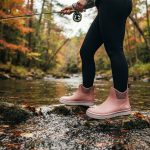
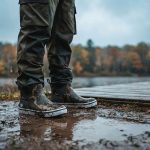
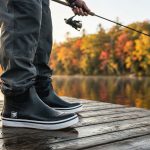
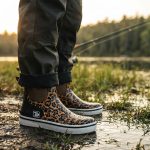
Catfish fishing is one of the most accessible and popular fishing styles in the United States.
From massive river systems like the Mississippi River to southern reservoirs, farm ponds, and local lakes, anglers target catfish from boats, docks, and shorelines throughout the year.
Unlike many fishing styles focused on speed and movement, catfish fishing often involves long waiting periods.
Anglers may spend hours:
- Standing on muddy banks
- Sitting near docks
- Fishing from boats
- Handling natural bait
- Waiting during night trips
- Moving through wet launch areas
These conditions create unique footwear challenges.
A successful catfish trip often means dealing with:
- Mud
- Water
- Bait residue
- Fish slime
- Rain
- Wet grass
- River conditions
The best deck boots for catfish fishing should keep feet dry, provide stability on wet surfaces, clean easily after bait use, and remain comfortable during long fishing sessions.
For boat, dock, and casual shoreline catfish fishing, lightweight waterproof deck boots are an excellent choice.
This guide explains how to choose catfish fishing footwear, why waterproof protection matters, and when other footwear options may be more appropriate.
Why Catfish Fishing Is Hard on Footwear
Catfish fishing may appear simple, but the environment can be rough on shoes.
Anglers often encounter:
- Muddy shorelines
- Wet grass
- River spray
- Boat water
- Fish slime
- Cut bait
- Live bait
- Rain
- Night moisture
Unlike dry-land activities, fishing keeps your footwear exposed to water for hours.
A wet pair of shoes can quickly ruin a long fishing day.
Why Deck Boots Work Well for Catfish Fishing
Deck boots provide several advantages:
- Waterproof construction
- Closed-toe protection
- Easy cleanup
- Wet-surface traction
- Comfortable standing support
- Protection from mud and water
They work especially well for:
- Catfish boats
- River docks
- Fishing piers
- Lakeside camps
- Rainy conditions
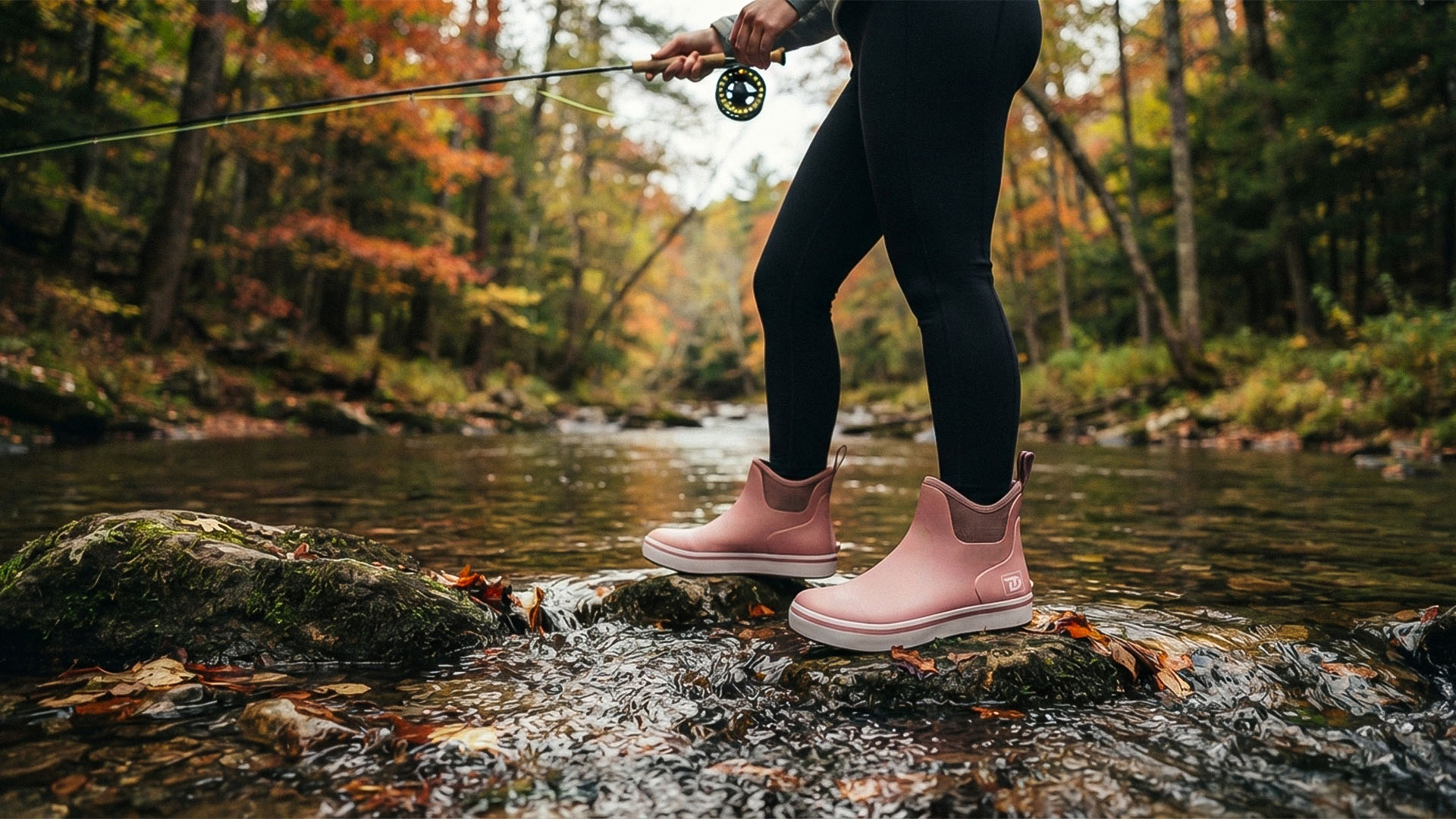
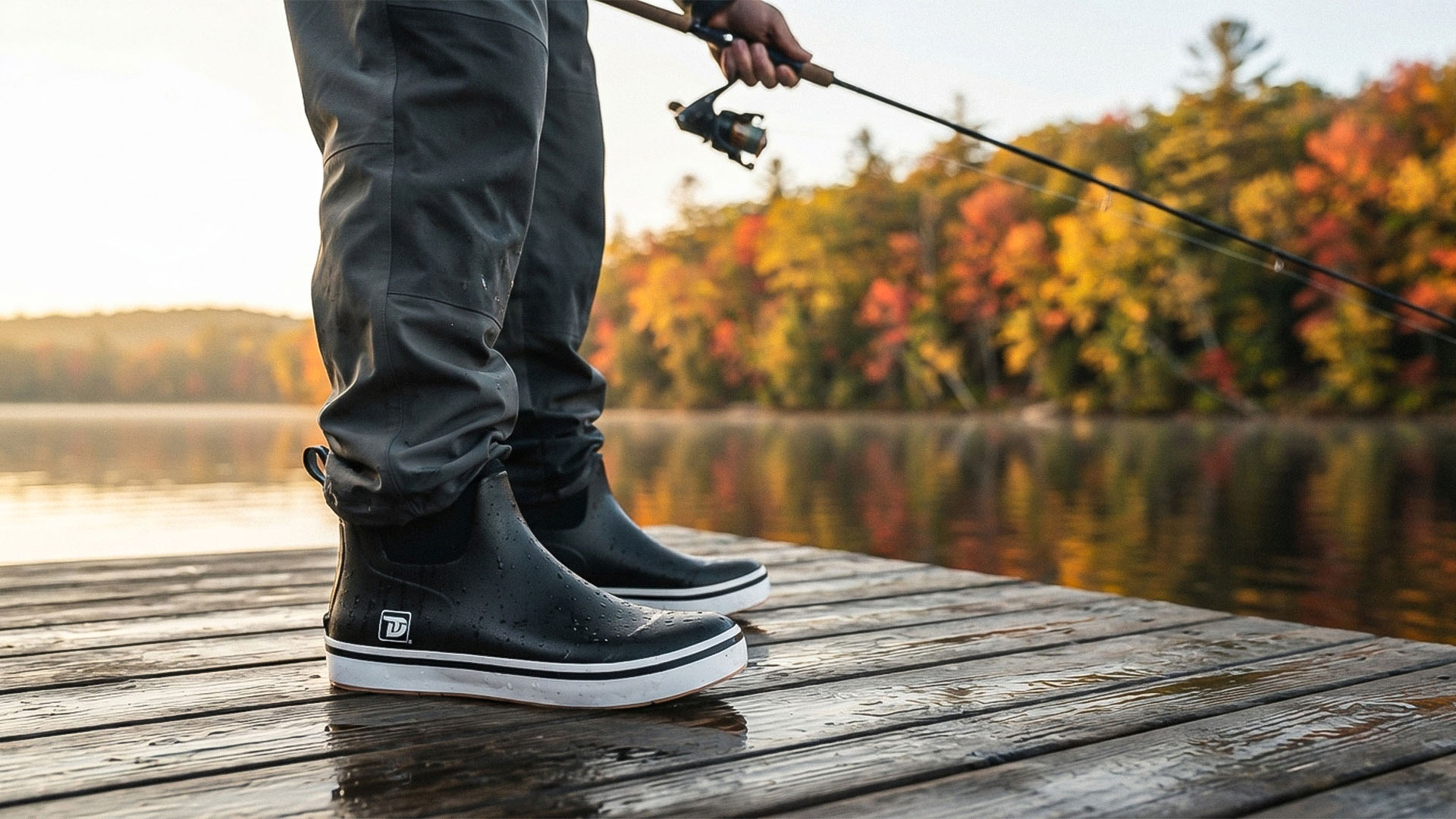
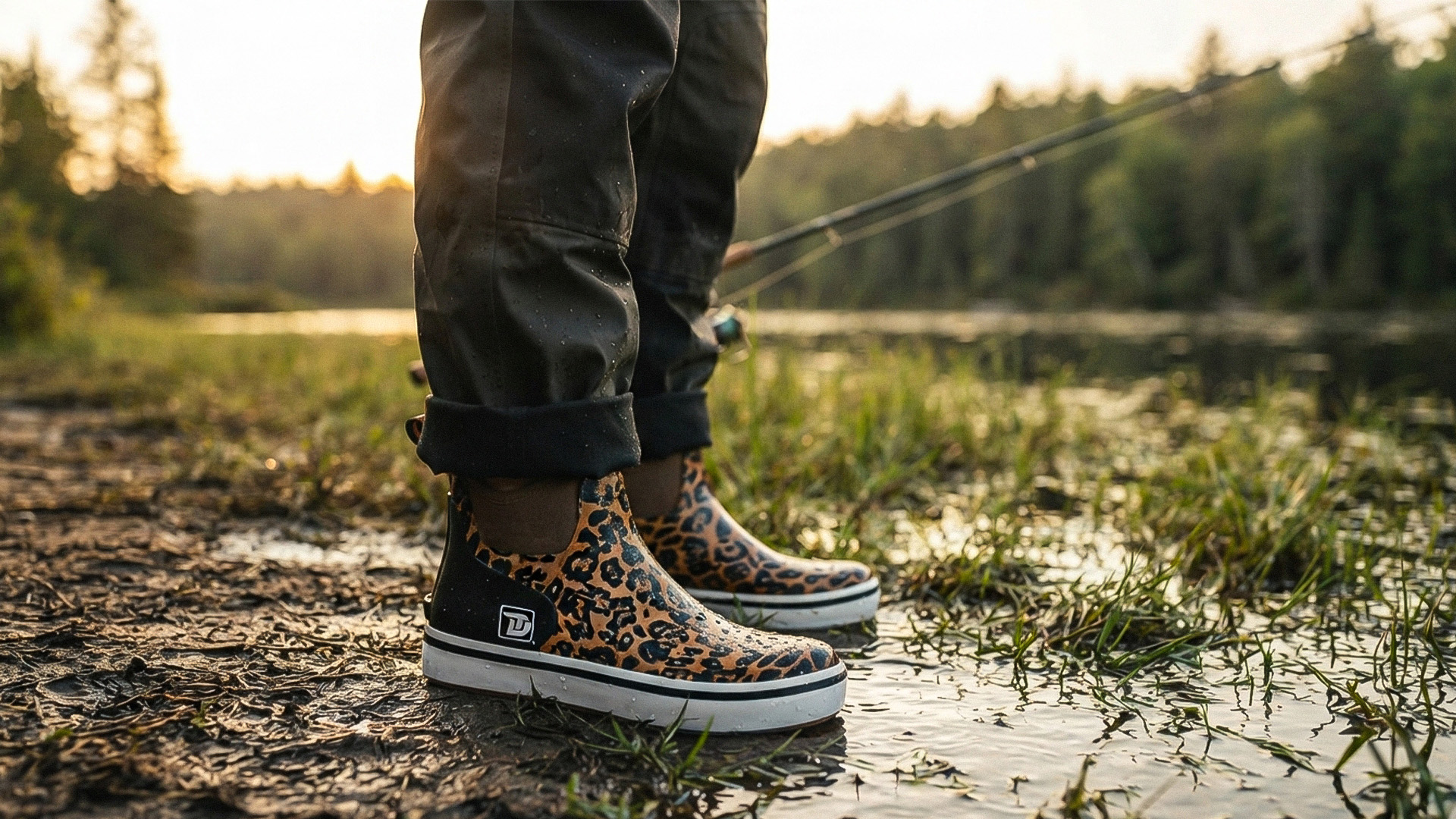
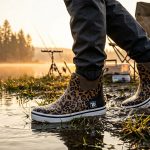
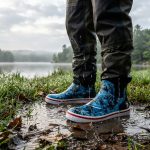
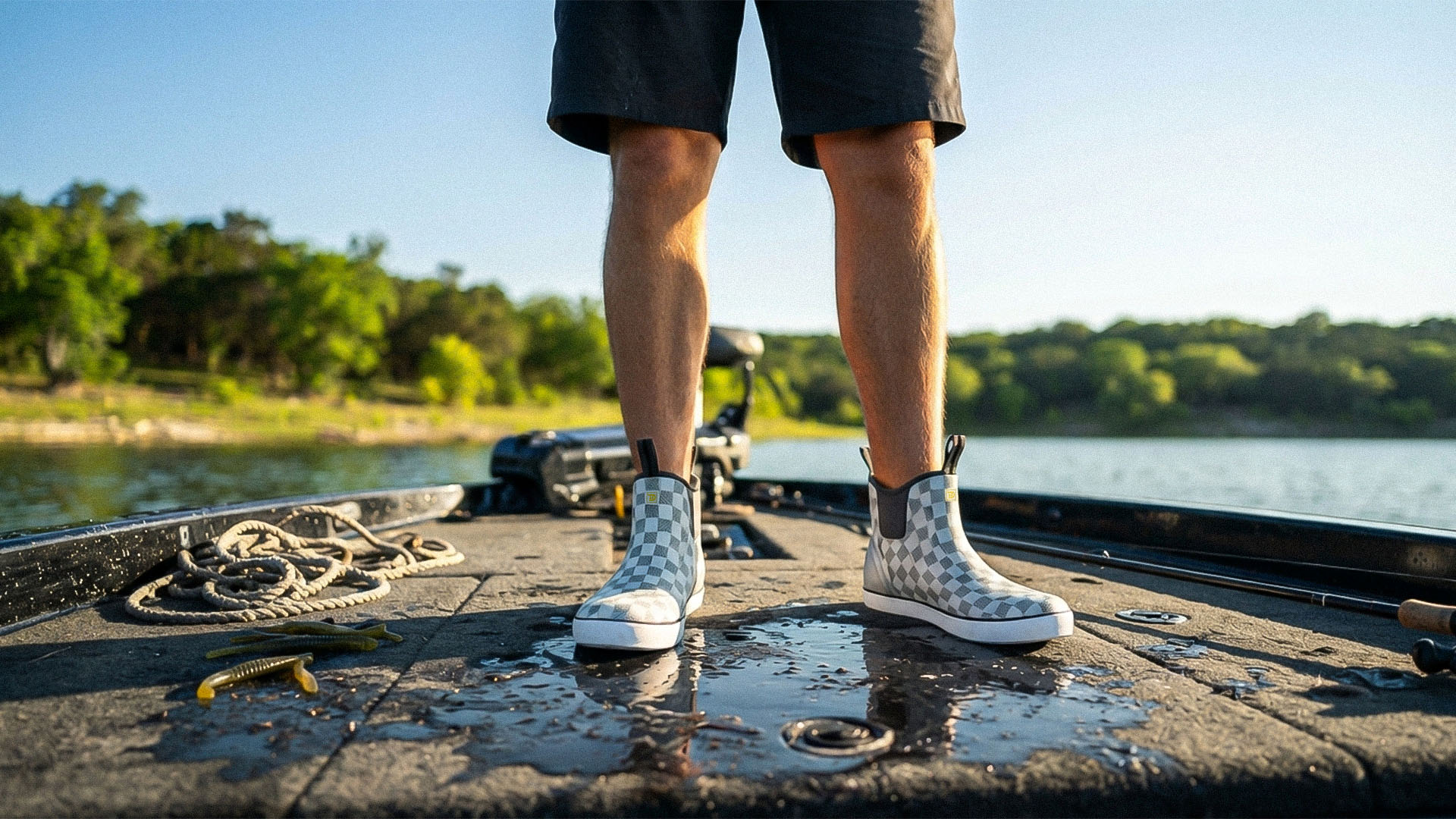
Anglers comparing freshwater fishing footwear can evaluate TruDaveGear waterproof deck boots alongside other options based on waterproofing, fit, traction, comfort, and fishing conditions.
Bank Fishing for Catfish
Bank fishing is one of the most common ways to catch catfish.
However, shore conditions can be unpredictable.
You may encounter:
- Mud
- Wet grass
- Sand
- Rocks
- Leaves
- Standing water
Waterproof boots help keep feet dry during long waiting periods.
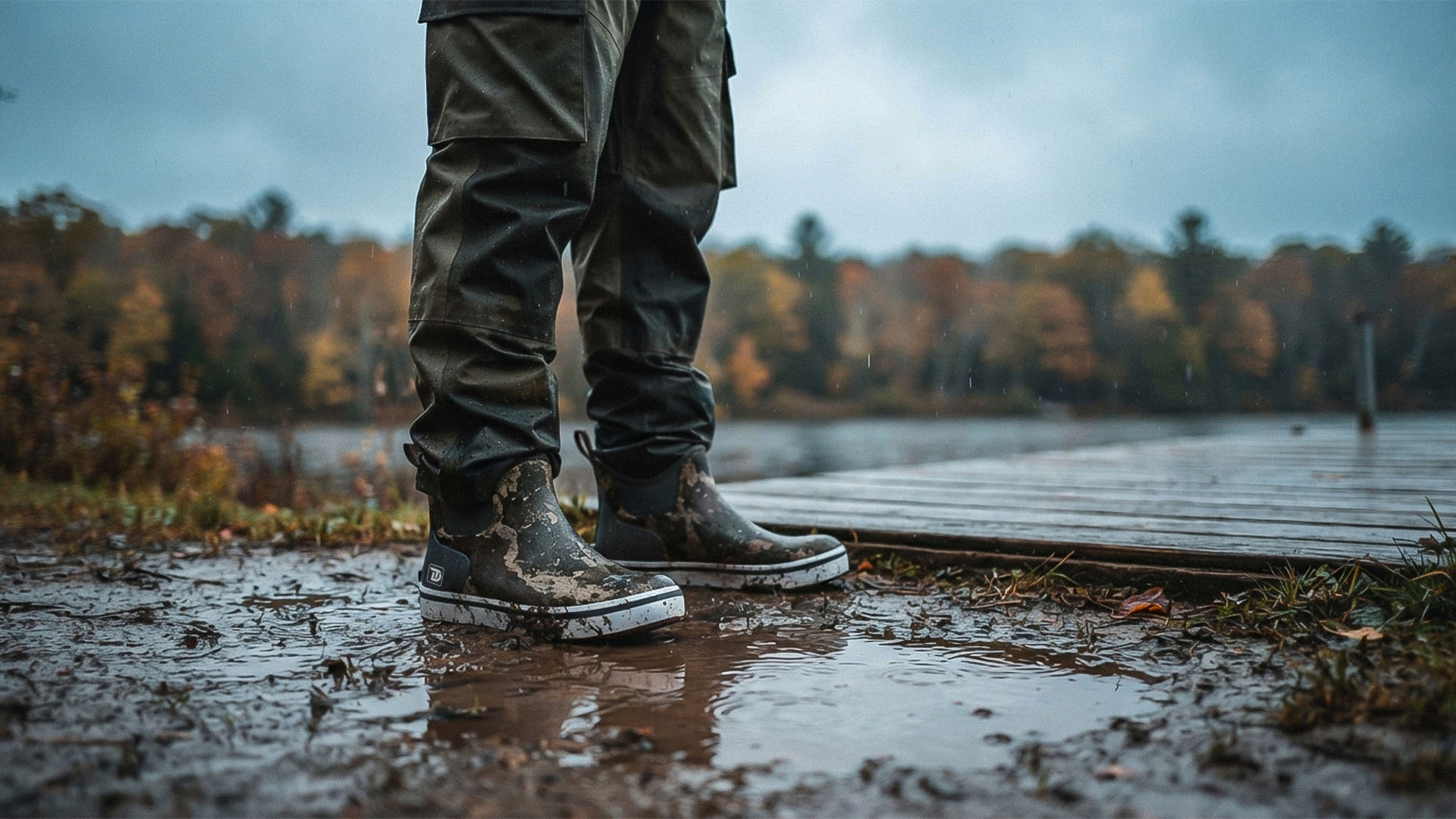
Muddy Shorelines
Catfish often live in rivers, reservoirs, and slow-moving waters.
These environments commonly create muddy access areas.
Mud can:
- Soak regular shoes
- Add weight
- Create discomfort
- Damage footwear materials
Deck boots are much easier to rinse after muddy fishing trips.
River Catfish Fishing
Large rivers create unique challenges.
Anglers may deal with:
- Current
- Wet rocks
- Mud
- Changing water levels
- Boat ramps
Deck boots work well around river access points.
However, technical river crossings may require specialized footwear.
Mississippi River Catfish Fishing
The Mississippi River is famous for catfish.
Conditions may include:
- Muddy banks
- Large boats
- Wet docks
- Changing weather
Waterproof fishing footwear is valuable in this environment.
Texas Catfish Fishing
Texas offers many catfish opportunities.
Anglers often fish:
- Lakes
- Rivers
- Reservoirs
- Ponds
Hot weather makes lightweight footwear important.
Uninsulated deck boots provide protection without excessive heat.
Catfish Boat Fishing
Many anglers target catfish from:
- Jon boats
- Aluminum boats
- Bass boats
- Small fishing boats
Boat conditions may include:
- Water spray
- Rain
- Bait spills
- Fish slime
Deck boots are designed for wet marine environments.
Night Catfish Fishing
Night fishing is extremely popular among catfish anglers.
After sunset, conditions change.
You may encounter:
- Dew
- Wet grass
- Lower visibility
- Cooler temperatures
- Damp surfaces
Closed-toe waterproof footwear provides extra comfort and protection.
However, lighting and organization remain important.
Natural Bait and Catfish Fishing
Catfish anglers commonly use natural bait.
Examples include:
- Cut bait
- Chicken liver
- Shad
- Worms
- Other legal bait options
Bait creates:
- Water
- Odor
- Organic residue
Waterproof boots make cleanup much easier.
Cut Bait Fishing
Cut bait can create oily residue.
This may spread to:
- Boat floors
- Shore areas
- Boot soles
Clean footwear after fishing.
Fish oils can reduce traction.
Live Bait Fishing
Live bait containers create frequent water exposure.
Water may spill when:
- Checking bait
- Moving buckets
- Preparing hooks
Deck boots prevent wet socks.
Fish Slime and Catfish Handling
Catfish create slime during handling.
This residue can reach:
- Hands
- Nets
- Coolers
- Boots
Clean slime quickly.
A dirty outsole may become less effective on wet surfaces.
Handling Large Catfish
Some catfish can become very large.
During handling:
- Keep fish controlled
- Avoid stepping on fish
- Keep hooks organized
Deck boots provide basic foot coverage but are not safety equipment.
Rainy Catfish Fishing
Rain often improves catfish activity.
However, it creates wet conditions.
Waterproof boots help with:
- Rain
- Mud
- Wet grass
- Boat spray
Cold Weather Catfish Fishing
Some anglers continue fishing during colder months.
Cold conditions require attention to:
- Socks
- Boot fit
- Waterproofing
- Circulation
A dry foot is easier to keep warm.
Best Socks for Catfish Fishing
Recommended:
- Synthetic moisture-wicking socks
- Merino wool
- Wool blends
Avoid cotton.
Cotton holds water and dries slowly.
Spare Socks
Always keep an extra pair available.
Useful after:
- Rain
- Mud
- Unexpected water exposure
Dry socks can dramatically improve comfort.
Deck Boots vs. Fishing Shoes
Deck Boots Are Better For:
- Mud
- Rain
- Boats
- Bait fishing
- Wet docks
- Fish handling
Fishing Shoes Are Better For:
- Hot dry conditions
- Maximum airflow
- Long walking
Deck Boots vs. Sneakers
Sneakers often absorb:
- Water
- Mud
- Fish residue
Once wet, they become uncomfortable.
Deck boots are easier to clean.
Deck Boots vs. Work Boots
Work boots provide durability but may be:
- Heavy
- Less flexible
- Less comfortable for fishing
Fishing-specific deck boots provide better water management.
Deck Boots vs. Waders
Waders are designed for:
- Deep water
- River access
- Standing in water
Deck boots are designed for:
- Boats
- Docks
- Wet surfaces
Choose based on your fishing method.
Fishing Pier Catfish Fishing
Many anglers fish from piers.
Pier surfaces may become:
- Wet
- Slippery
- Covered with bait residue
Deck boots provide useful protection.
Boat Ramp Conditions
Catfish anglers often deal with:
- Mud
- Wet concrete
- Gravel
- Grass
Deck boots help during launching and loading.
Clean mud before entering the boat.
EVA Boat Decking
Many boats use EVA foam flooring.
Protect it by removing:
- Sand
- Gravel
- Sharp debris
from boot soles.
Non-Marking Soles
Some boats require non-marking footwear.
Check before using another angler’s boat.
Removable Insoles
Benefits include:
- Faster drying
- Better odor control
- Easier cleaning
- Comfort adjustment
Remove insoles after wet trips.
Wide Feet
Look for:
- Comfortable toe box
- Proper width
- Secure heel
Avoid oversized boots.
High Instep
Choose boots with:
- Comfortable opening
- Adequate volume
- Pull tabs
Avoid pressure points.
Cleaning Catfish Fishing Boots
After fishing:
- Rinse dirt and mud.
- Remove bait residue.
- Clean fish slime.
- Brush outsole.
- Remove insoles.
- Dry completely.
Drying Boots
Use airflow.
Avoid:
- High heat
- Clothes dryers
- Open flames
Heat can damage waterproof materials.
Odor Prevention
Prevent odor by:
- Cleaning bait quickly
- Drying fully
- Removing insoles
- Avoiding sealed storage
Best Deck Boot Features for Catfish Fishing
Look for:
Waterproof Construction
Protects against mud and water.
Lightweight Design
Useful for long fishing sessions.
Stable Outsole
Helps on wet surfaces.
Comfortable Cushioning
Reduces fatigue.
Secure Heel
Improves movement.
Removable Insoles
Improves drying.
Easy-Clean Surface
Important around bait.
Ankle Height
Balances mobility and protection.
Catfish Fishing Footwear Checklist
Before fishing:
- Check weather
- Inspect boots
- Choose proper socks
- Pack spare socks
- Prepare bait containers
After fishing:
- Rinse boots
- Remove mud
- Clean slime
- Dry completely
Common Catfish Fishing Footwear Mistakes
Wearing Sneakers in Muddy Conditions
They absorb water quickly.
Wearing Cotton Socks
They stay wet.
Choosing Heavy Boots in Summer
They create unnecessary heat.
Ignoring Mud on Soles
It damages boat surfaces.
Leaving Bait Residue on Boots
Odor develops quickly.
Storing Wet Boots Closed
Creates bacteria and smell.
Final Thoughts
Catfish fishing may be a slower-paced style of fishing, but it creates serious footwear challenges.
Muddy banks, wet boats, bait residue, rain, and long hours outdoors all affect comfort.
For boat, dock, and casual shoreline catfish fishing, lightweight waterproof deck boots provide an excellent combination of protection, comfort, and easy cleaning.
Choose boots with a secure fit, stable outsole, comfortable cushioning, removable insoles, and enough flexibility for your fishing style.
Remember that deck boots are not designed for every environment.
Deep wading, technical river fishing, and long-distance hiking require specialized footwear.
Match your boots to your fishing conditions.
The best catfish fishing footwear should let you focus on bait placement, water movement, structure, and the moment a heavy catfish finally pulls the rod down.
Frequently Asked Questions
Are deck boots good for catfish fishing?
Yes. They are especially useful for boats, muddy banks, docks, rain, and bait fishing.
Are deck boots good for bank catfish fishing?
Yes for normal shoreline conditions, but extreme mud may require heavier outdoor footwear.
What boots should I wear for catfish fishing?
Waterproof deck boots are a practical choice for most boat and dock fishing situations.
Are deck boots too hot for summer catfish fishing?
Heavy boots can be, but lightweight uninsulated models work well.
What socks should I wear with catfish boots?
Use synthetic or merino-blend moisture-wicking socks.
Are deck boots good for night fishing?
Yes. They help protect feet from dew, wet grass, and damp surfaces.
Can I wear sneakers for catfish fishing?
You can, but they are less practical in muddy and wet conditions.
Are deck boots good for river catfish fishing?
Yes around access areas and boats, but not for deep river walking.
How do I clean bait smell from deck boots?
Rinse thoroughly, use mild soap if needed, remove insoles, and dry completely.
Should rain pants go inside deck boots?
No. Keep rain pants outside the boot opening.
What is the biggest catfish fishing footwear mistake?
Using absorbent footwear in wet muddy conditions or choosing boots that do not match the fishing environment.