Meta Description: Should you wear socks with deck boots? Learn how to choose the best fishing socks for hot weather, cold conditions, moisture control, comfort, and long days on wet decks.
Suggested URL Slug: best-socks-for-deck-boots
Primary Keyword: best socks for deck boots
Secondary Keywords: do you wear socks with deck boots, fishing boot socks, socks for waterproof boots, merino wool fishing socks, moisture-wicking fishing socks, warm weather fishing socks, cold weather fishing socks
Search Intent: Informational / Commercial Investigation
Yes, you should usually wear socks with deck boots.
Deck boots are designed to protect your feet from rain, spray, wet boat decks, and shallow standing water. Socks help manage the conditions inside the boot.
They reduce friction, absorb or move moisture, improve fit, protect the boot lining, and help regulate temperature.
Wearing the wrong socks, however, can make waterproof boots uncomfortable.
Thick cotton socks may become soaked with sweat. Socks that are too bulky can make boots tight and reduce circulation. Thin socks inside loose boots may allow your heels to slide and create blisters.
The best socks for deck boots depend on the weather, fishing conditions, boot fit, activity level, and how long you expect to remain on the water.
This guide explains what socks to wear with deck boots in warm and cold weather, which materials work best, and how to avoid common problems such as wet feet, blisters, odor, and poor circulation.
Why You Should Wear Socks With Deck Boots
Some anglers wear ankle deck boots without socks during short summer trips.
That may feel convenient at first, but direct skin contact with the boot lining can create several problems.
Socks provide a protective layer between your feet and the footwear.
They can help:
- Reduce rubbing
- Prevent blisters
- Manage sweat
- Improve boot fit
- Control odor
- Add warmth
- Protect the interior lining
- Reduce pressure around seams
- Make boots easier to remove
Even lightweight socks usually provide more comfort than bare feet during long fishing trips.
What Happens If You Wear Deck Boots Without Socks?
Wearing deck boots without socks may lead to:
- Heel rubbing
- Blisters
- Sweaty feet
- Stronger boot odor
- Skin irritation
- Difficulty removing the boots
- Moisture collecting directly against the lining
Waterproof boots generally have limited ventilation compared with mesh fishing shoes.
When sweat builds up, socks can help move moisture away from the skin and spread it across a larger surface area.
Without socks, moisture remains directly between the foot and the boot.
For a quick trip around the marina, this may not matter.
For a full day of fishing, socks are usually the better choice.
What Are the Best Materials for Deck Boot Socks?
The main sock materials used for fishing include synthetic fibers, merino wool, cotton, and blends.
Each performs differently around water and waterproof footwear.
Synthetic Fishing Socks
Synthetic socks are often made from polyester, nylon, polypropylene, spandex, or a combination of materials.
They are a practical choice for warm and moderate fishing conditions.
Synthetic socks generally:
- Dry faster than cotton
- Move moisture away from the skin
- Maintain their shape
- Resist shrinking
- Provide a secure fit
- Work well in warm weather
They are commonly used for offshore fishing, boating, hiking, and other outdoor activities.
Look for socks with reinforced heels and toes if you spend long periods standing or moving around abrasive boot interiors.
Merino Wool Fishing Socks
Merino wool is one of the best materials for cool and cold-weather fishing.
Unlike heavy traditional wool, merino fibers are relatively soft and comfortable against the skin.
Merino wool socks can:
- Provide insulation
- Manage moisture
- Remain warm when slightly damp
- Reduce odor buildup
- Regulate temperature
- Cushion the foot
They are useful for early spring fishing, winter boat trips, cold offshore runs, and environments where water temperatures are low.
Merino socks are available in lightweight, medium-weight, and heavy versions.
The thickest pair is not always the best choice.
Sock thickness must match the available space inside the boot.
Cotton Socks
Cotton socks are comfortable for ordinary daily use, but they are usually a poor choice for long fishing trips.
Cotton absorbs moisture and dries slowly.
Once wet from sweat, rain, or water entering the boot, cotton socks may remain damp for hours.
Wet cotton can contribute to:
- Increased friction
- Blisters
- Cold feet
- Softened skin
- Odor
- General discomfort
A short trip in dry conditions may not create problems, but synthetic or merino wool socks are usually more reliable around water.
Blended Socks
Many fishing and outdoor socks combine several materials.
For example, a sock may use merino wool for temperature regulation, nylon for durability, and spandex for fit.
Blends can provide a balance of:
- Comfort
- Stretch
- Durability
- Moisture control
- Shape retention
- Insulation
Check the complete material composition instead of relying only on the main fiber listed in the product name.
Best Socks for Deck Boots in Warm Weather
Warm-weather fishing creates a moisture-management challenge.
The boots need to protect your feet from outside water, but waterproof materials can trap heat and sweat.
The best warm-weather deck boot socks are usually:
- Lightweight
- Moisture-wicking
- Close-fitting
- Quick-drying
- Thin enough to avoid overheating
- Reinforced in high-friction areas
Lightweight synthetic socks are often the most practical option.
Thin merino wool blends may also work well because merino can help regulate temperature and control odor.
Avoid extremely thick socks unless the boots are loose and additional volume is needed.
Extra thickness can trap heat and make the footwear feel tight.
Best Socks for Deck Boots in Cold Weather
Cold-weather fishing requires insulation without restricting circulation.
Medium-weight or heavy merino wool socks are commonly used in cold conditions.
Good cold-weather fishing socks should:
- Provide insulation
- Move moisture away from the skin
- Fit without bunching
- Leave room for toe movement
- Remain comfortable when slightly damp
- Extend above the top of the boot
The socks should not make the boots feel tight.
Restricted circulation can make feet colder, even when wearing thick wool socks.
If you regularly fish in very cold conditions, choose boots with enough interior space for appropriate socks or consider insulated fishing footwear.
Sock Thickness: How Thick Should Fishing Socks Be?
Sock thickness should be selected according to temperature and boot fit.
Lightweight Socks
Best for:
- Summer fishing
- Warm coastal climates
- Short trips
- High activity levels
- Close-fitting deck boots
Lightweight socks reduce heat buildup and usually dry quickly.
Medium-Weight Socks
Best for:
- Spring and fall
- Cool mornings
- Moderate offshore conditions
- Longer fishing trips
- Boots with slightly more interior room
Medium-weight socks provide additional cushioning without excessive bulk.
Heavyweight Socks
Best for:
- Cold-weather fishing
- Winter boat trips
- Low activity levels
- Uninsulated boots with adequate room
- Long periods of standing in cold conditions
Heavy socks should not be used to force warmth into boots that are too small.
If your toes cannot move freely, the socks are too thick for the available space.
Should Socks Extend Above Ankle Deck Boots?
Yes, socks should usually extend slightly above the boot opening.
Low-cut socks may slide below the collar and expose skin to rubbing.
Crew-length or boot-length socks provide better coverage around the ankle.
A sock that extends above the boot can help protect against:
- Collar friction
- Sweat buildup
- Lining irritation
- Hair pulling
- Blisters
- Skin contact with wet materials
However, extremely tall socks may feel unnecessarily warm during summer.
Choose enough height to cover the boot opening comfortably.
Should You Wear Two Pairs of Socks?
Wearing two pairs of socks can work in certain cold-weather situations, but it is not always necessary.
A two-sock system may include:
- A thin moisture-wicking liner sock
- A warmer outer sock
The liner helps move moisture and reduce friction, while the outer sock provides insulation.
This system only works when the boots have enough room.
Two pairs of socks inside tight boots can restrict circulation and increase pressure.
For most recreational anglers, one properly selected sock is simpler and more comfortable.
Can Thick Socks Fix Loose Deck Boots?
Thicker socks may improve the fit of boots that are only slightly loose.
They should not be used to correct boots that are an entire size too large or much too wide.
A thick sock may reduce some internal movement, but it can also:
- Increase heat
- Hold more moisture
- Bunch inside the boot
- Change pressure around the toes
- Create an inconsistent fit
A replacement insole may be a better solution for minor fit adjustments.
Boots that allow significant heel lifting or foot rotation should usually be replaced with the correct size.
How Socks Affect Deck Boot Sizing
You should consider sock thickness before choosing deck boot size.
Try the boots with the type of socks you expect to wear most often.
For example:
- Florida summer anglers may use thin synthetic socks.
- Pacific Northwest anglers may prefer medium-weight merino blends.
- Winter fishermen may require thick wool socks.
- Commercial crews may rotate between different sock weights.
A boot sized only for thick winter socks may feel loose in summer.
A boot fitted with very thin socks may become too tight when cold weather arrives.
Anglers fishing across multiple seasons may need separate footwear or carefully selected medium-volume boots.
How to Prevent Blisters in Deck Boots
Blisters develop when friction, moisture, and pressure affect the skin repeatedly.
To reduce blister risk:
- Wear socks that fit securely
- Avoid cotton during long wet trips
- Choose the correct boot size
- Minimize heel movement
- Change wet socks quickly
- Keep feet clean and dry
- Replace damaged insoles
- Avoid socks with bulky seams
- Break in new footwear before long trips
A sock should not bunch under the heel or toes.
If you feel a hot spot developing, address it before it becomes painful.
Why Your Socks Keep Sliding Down
Socks may slide down because they are:
- Too large
- Worn out
- Insufficiently elastic
- Too short for the boot
- Made from a loose fabric
- Being pulled by excessive heel movement
Choose socks with enough elasticity to remain in place without cutting into the lower leg.
Crew-length socks are usually more secure than no-show or ankle socks inside deck boots.
If every pair slides down, the boot may be moving too much around your foot.
Why Your Feet Sweat Inside Deck Boots
Waterproof construction limits airflow.
Your feet may sweat even in cool conditions, especially when you are active.
Sweat problems may become worse because of:
- Thick socks
- Insulated boots in warm weather
- Poor sock materials
- Tight footwear
- Long periods without removing the boots
- High humidity
- Physical activity
Moisture-wicking socks do not eliminate sweat.
They help move moisture away from concentrated areas of the skin.
During long fishing trips, changing into a dry pair can significantly improve comfort.
Bring Spare Socks on Every Full-Day Fishing Trip
A spare pair of socks is one of the most useful items you can pack.
Boots may become wet because of:
- Rain entering through the top
- Ocean spray
- Sweat
- A small leak
- Stepping into deep water
- Boat washdowns
- Accidental spills
Store spare socks in a sealed dry bag or waterproof container.
For a full-day offshore trip, bring at least one extra pair.
For multi-day fishing, pack several pairs and allow used socks to dry completely.
Should You Change Socks During the Day?
You should change socks when they become wet enough to create discomfort.
Signs it may be time to change include:
- Cold feet
- Increased friction
- Soft or wrinkled skin
- Developing hot spots
- Strong moisture buildup
- Socks sliding inside the boot
Changing socks only takes a few minutes.
Dry your feet before putting on the new pair.
Do not place dry socks back into boots containing standing water.
Address the source of the moisture first when possible.
How to Keep Socks Dry Inside Waterproof Boots
Waterproof boots can still become wet inside.
Use the following strategies:
- Wear rain pants over the boot opening
- Choose the correct boot height
- Inspect boots for cracks and leaks
- Use moisture-wicking socks
- Avoid excessively warm insulation
- Remove the insoles while drying
- Carry spare socks
- Dry boots fully between trips
Rain pants tucked inside ankle deck boots can direct water straight into the footwear.
For most wet-weather boat fishing, pants should overlap the exterior of the boot.
Socks for Offshore Fishing
Offshore anglers should prepare for long periods of standing, ocean spray, rain, and changing temperatures.
A practical offshore sock system includes:
- Lightweight synthetic socks in hot weather
- Medium-weight merino blends in cool weather
- Spare socks in waterproof storage
- Higher sock length to protect the ankle
- Reinforced heel and toe areas
The best sock should remain comfortable when the boat is moving and the angler is standing for several hours.
Avoid bulky socks that reduce stability inside the boot.
Socks for Commercial Fishing
Commercial fishermen may spend long shifts wearing waterproof boots.
Moisture, repeated movement, cold temperatures, and demanding work increase the importance of sock choice.
Commercial fishing socks should provide:
- Durability
- Secure fit
- Moisture control
- Cushioning
- Temperature regulation
- Enough height for tall or ankle boots
Workers may need multiple pairs during a shift.
Rotating socks can reduce moisture buildup and improve comfort.
Frequent users should inspect socks for thin areas, worn heels, and compressed cushioning.
Socks for Kayak Fishing
Kayak anglers often deal with direct water exposure.
In warm weather, quick-draining shoes and lightweight synthetic socks may be more practical than waterproof deck boots.
Some anglers prefer no socks in water shoes, but socks can reduce rubbing from sand, straps, and wet materials.
In cold conditions, specialized neoprene socks or appropriate cold-water systems may be necessary.
Footwear choices should account for water temperature, not only air temperature.
Socks for Pier and Bank Fishing
Pier anglers spend long periods standing on concrete or wood.
Cushioned synthetic or merino socks can reduce friction and improve comfort.
Bank anglers may walk farther and encounter mud, wet grass, rocks, and uneven terrain.
Their socks should provide:
- Heel cushioning
- Secure fit
- Moisture management
- Enough height for taller boots
- Protection from rubbing during walking
Match the sock to both the boot and the amount of walking involved.
Are Waterproof Socks Useful With Deck Boots?
Waterproof socks use a membrane designed to prevent outside water from reaching the skin.
They may be useful when:
- Footwear is water-resistant but not fully waterproof
- There is a risk of occasional water entry
- Fishing from kayaks
- Walking through wet grass
- Using quick-draining shoes in cold conditions
However, waterproof socks can also trap heat and sweat.
Wearing waterproof socks inside already waterproof deck boots may create unnecessary moisture buildup.
They are usually better treated as a specialized option rather than an everyday requirement.
Do Compression Socks Work With Deck Boots?
Some anglers wear compression socks during long periods of standing or travel.
They may help certain people with leg fatigue or circulation concerns.
However, compression level and fit should be selected carefully.
Socks that are too tight can create discomfort inside boots.
People with circulation problems, diabetes, swelling, or other medical concerns should consult an appropriate healthcare professional before using compression products for extended periods.
For general fishing comfort, ordinary well-fitting moisture-wicking socks are sufficient for most anglers.
How Often Should Fishing Socks Be Replaced?
Replace fishing socks when they develop:
- Thin heel areas
- Holes
- Worn toes
- Loss of elasticity
- Permanent odor
- Compressed cushioning
- Rough seams
- Frequent sliding
- Fabric pilling that causes irritation
Old socks may no longer manage moisture or protect against friction effectively.
Frequent anglers should rotate several pairs rather than relying on one or two heavily worn options.
How to Wash Fishing Socks
Follow the manufacturer’s care instructions.
General care usually includes:
- Wash after each use
- Separate heavily contaminated socks from ordinary clothing
- Remove fish residue before washing
- Use an appropriate detergent
- Avoid excessive heat
- Dry completely before storage
- Do not store damp socks in fishing bags
Merino wool socks may require gentler washing and lower drying temperatures than synthetic socks.
Avoid using excessive fabric softener on moisture-wicking materials because it may affect performance.
How to Prevent Sock and Boot Odor
Odor comes from moisture, bacteria, sweat, and contamination.
To reduce odor:
- Wear clean socks
- Change wet socks
- Rinse boots after saltwater use
- Remove insoles
- Dry boots completely
- Wash socks after every trip
- Avoid leaving socks inside boots
- Store footwear in a ventilated area
- Rotate between multiple pairs
Do not leave wet fishing socks inside a truck, boat locker, or sealed gear bag.
The odor can spread to the rest of your equipment.
How Socks Work With Comfortable Deck Boots
Socks cannot make poorly designed footwear comfortable.
The boots still need:
- Correct size
- Correct width
- Secure heel fit
- Adequate cushioning
- Stable traction
- Appropriate weight
- Enough toe room
- Proper water protection
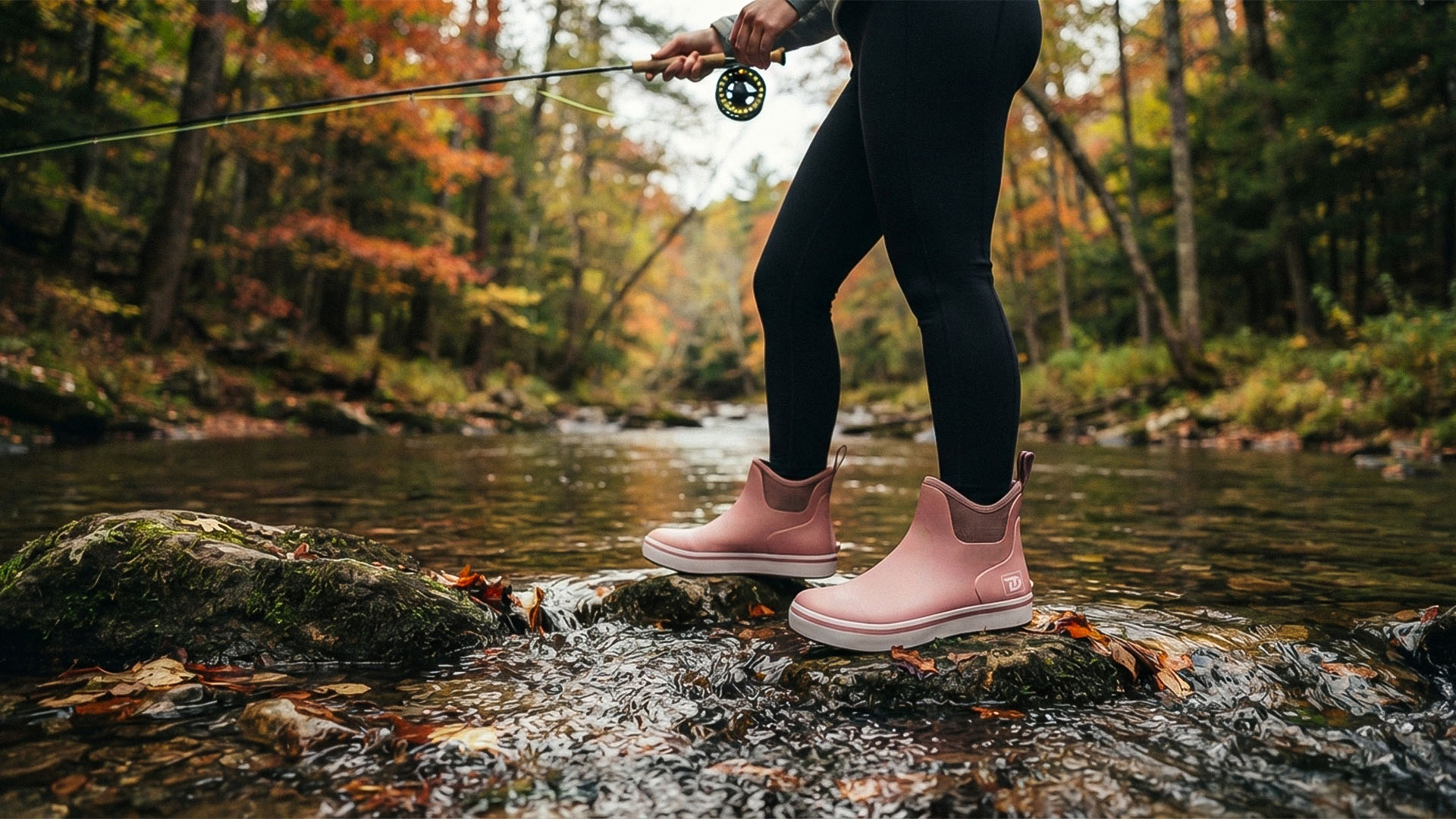
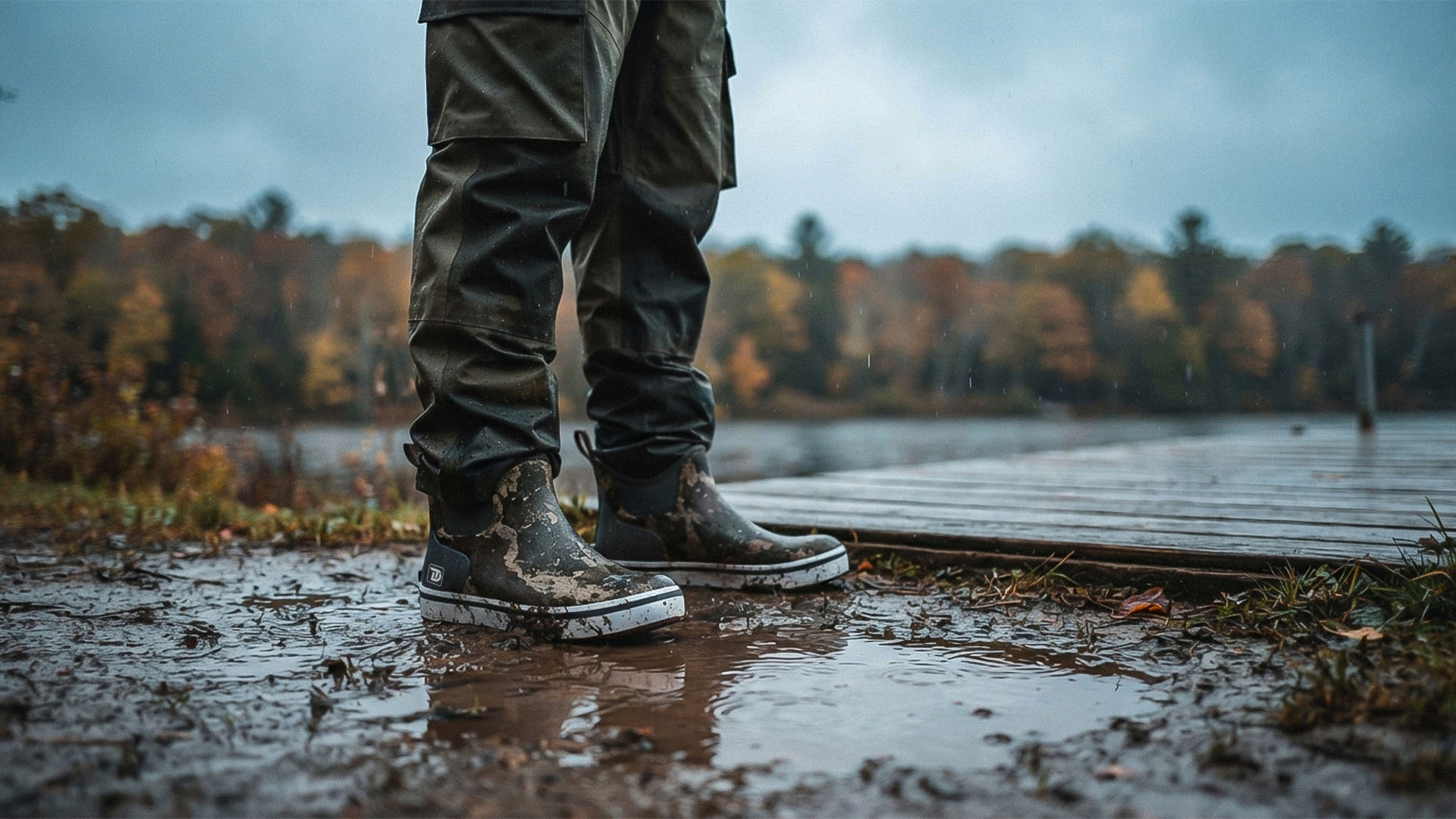
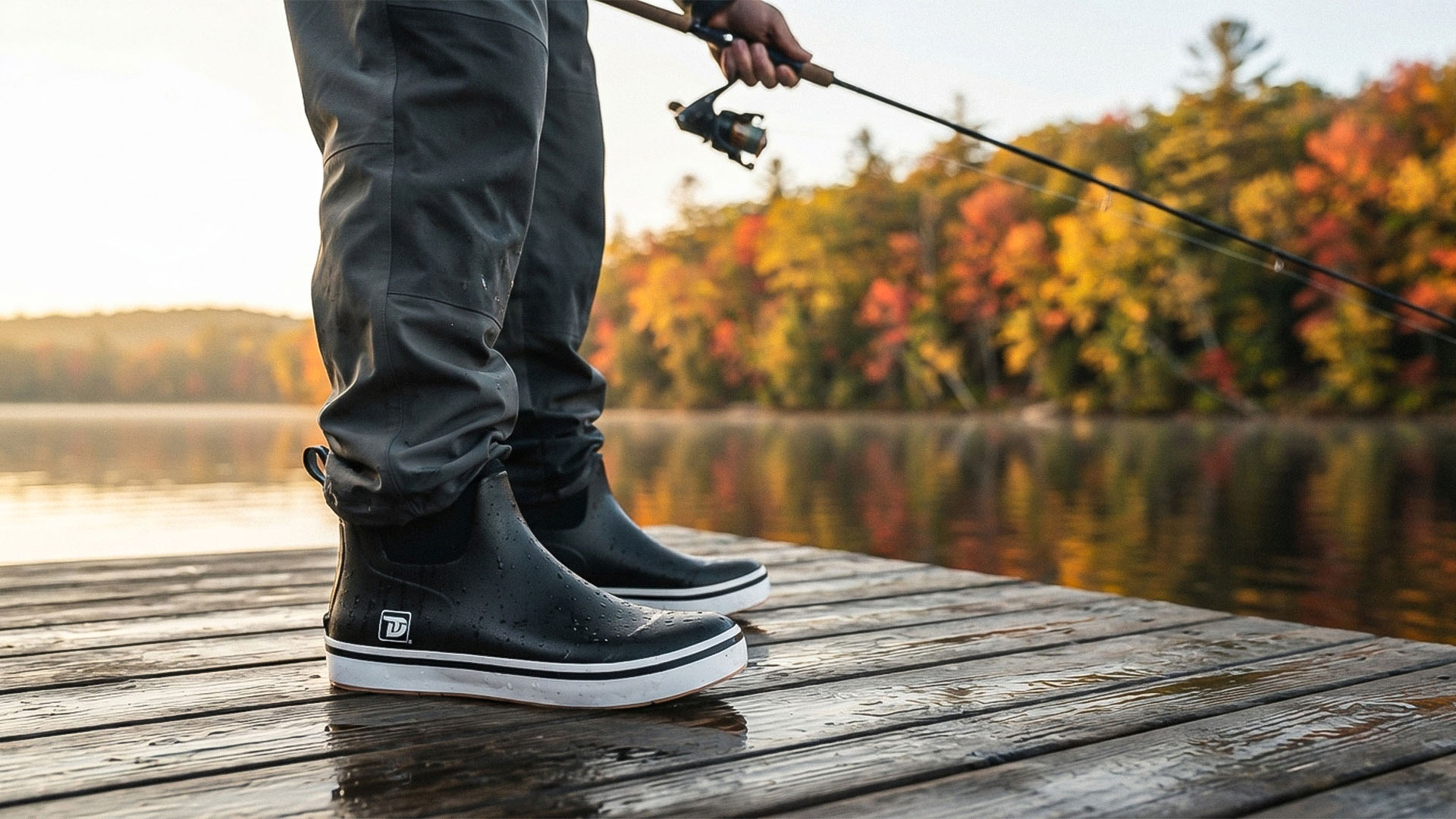
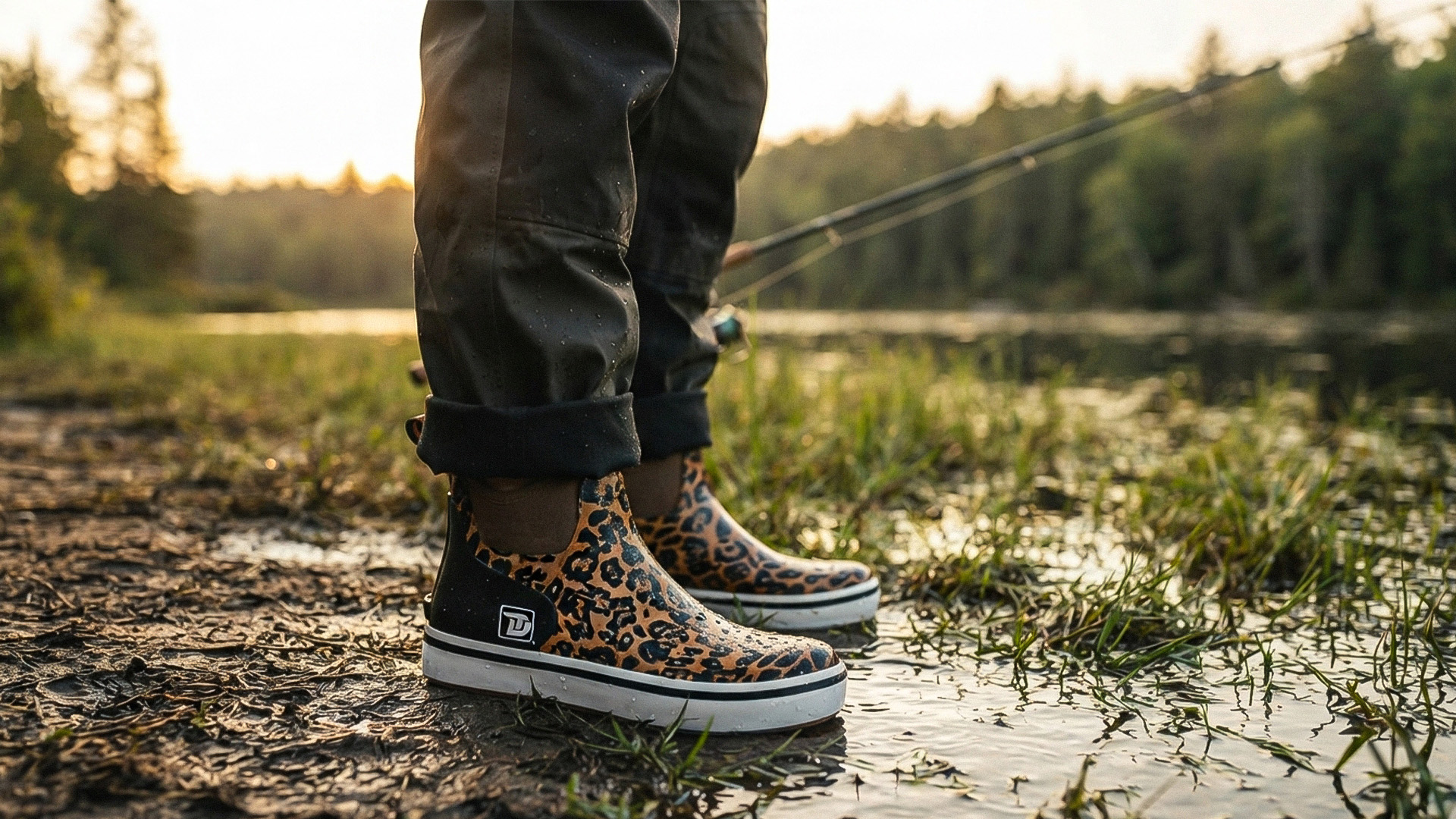
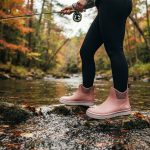
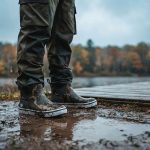
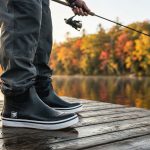
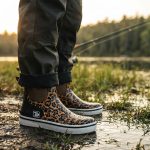
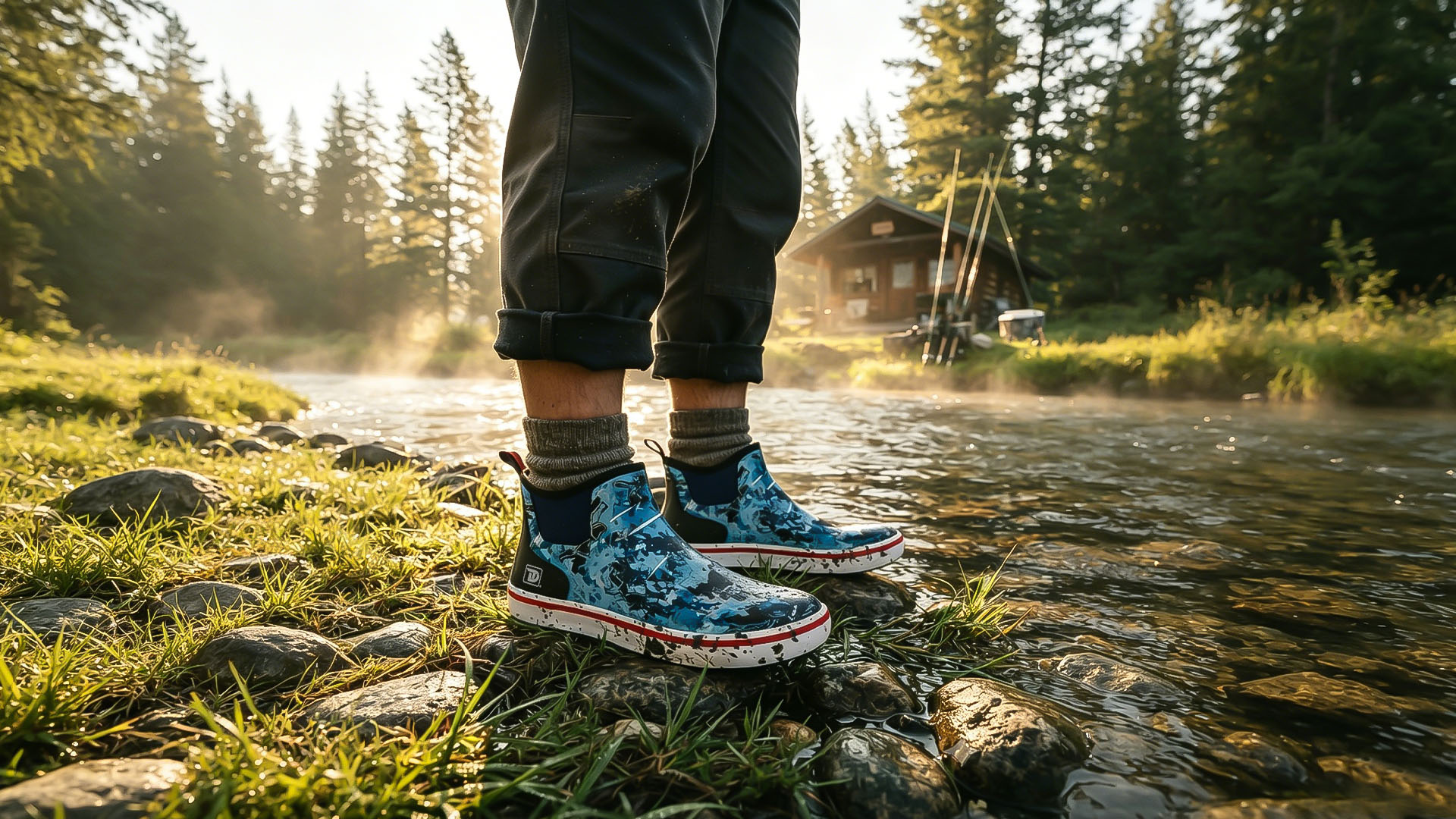
Anglers comparing lower-profile fishing footwear can review [TruDaveGear waterproof deck boots] alongside other options while considering which sock thickness and climate the footwear needs to accommodate.
The boot and sock should function as one system.
A good boot with the wrong sock can become uncomfortable.
A good sock cannot correct a boot that is too narrow, too large, or structurally worn out.
Common Deck Boot Sock Mistakes
Wearing Cotton for Long Wet Trips
Cotton holds moisture and dries slowly.
Choose synthetic or merino wool socks.
Wearing Socks That Are Too Short
Low-cut socks may slide below the boot collar and expose skin to friction.
Wearing Socks That Are Too Thick
Excessive thickness can restrict circulation and create toe pressure.
Using Thick Socks to Fix Oversized Boots
This may create heat without solving heel movement.
Forgetting Spare Socks
One dry pair can save a full day offshore.
Wearing Damp Socks the Next Day
Allow fishing socks to dry completely before reuse.
Ignoring Sock Wear
Thin heels and stretched cuffs reduce protection and fit.
Storing Socks Inside Wet Boots
This traps moisture and encourages odor.
Deck Boot Sock Selection Checklist
Before choosing socks, consider:
Weather
- Hot
- Mild
- Cold
- Freezing
Fishing Style
- Offshore
- Inshore
- Commercial
- Kayak
- Pier
- Bank
- Surf
Boot Fit
- Tight
- Secure
- Slightly loose
- Wide
- Narrow
Trip Length
- Short trip
- Half day
- Full day
- Multi-day trip
Recommended General Choices
For hot weather:
- Lightweight synthetic or merino blend
- Crew length
- Minimal cushioning
- Quick drying
For mild weather:
- Lightweight or medium synthetic blend
- Moderate cushioning
- Secure fit
For cold weather:
- Medium or heavyweight merino wool
- Enough boot space
- Higher cuff
- Spare dry pair
Final Thoughts
You should usually wear socks with deck boots.
Socks reduce friction, manage moisture, improve fit, protect the boot lining, and help regulate temperature.
For warm-weather fishing, lightweight synthetic or thin merino-blend socks are usually the best choice.
For cold conditions, medium or heavyweight merino wool socks provide more insulation.
Avoid cotton during long, wet fishing trips because it absorbs moisture and dries slowly.
Choose sock thickness based on boot fit.
Your toes should have enough room to move, and the socks should not restrict circulation.
Wear socks that extend above the boot opening.
Bring a spare pair in waterproof storage.
Change them when they become wet.
The right socks may seem like a small part of your fishing setup, but after eight hours on a wet boat deck, they can have a major effect on comfort.
Frequently Asked Questions
Do you wear socks with deck boots?
Yes. Socks reduce friction, manage sweat, improve fit, protect the boot lining, and help regulate temperature. Wearing deck boots without socks may lead to blisters, odor, and skin irritation.
What socks are best for deck boots?
Lightweight synthetic socks are ideal for warm weather, while merino wool socks work well in cold conditions. The socks should fit securely, manage moisture, and extend above the boot opening.
Are cotton socks bad for fishing boots?
Cotton socks absorb moisture and dry slowly. They may become uncomfortable during long fishing trips, especially if your feet sweat or water enters the boots.
Should fishing socks be thick?
Sock thickness should match the temperature and available room inside the boot. Thick socks are useful in cold weather but can restrict circulation if the boots are too tight.
Can you wear ankle socks with deck boots?
You can, but ankle socks may slide below the boot opening and expose skin to rubbing. Crew-length socks usually provide better protection.
Are wool socks good for waterproof boots?
Yes. Merino wool socks manage moisture, provide insulation, and remain comfortable when slightly damp. Make sure they are not so thick that they make the boots tight.
Should I wear two pairs of socks with fishing boots?
A thin liner and insulating outer sock can work in cold conditions when the boots have enough space. Two pairs inside tight boots can restrict circulation and make feet colder.
Why are my feet wet inside waterproof deck boots?
Moisture may come from sweat, water entering through the boot opening, cracks, leaks, or wet socks. Use moisture-wicking socks, inspect the boots, and keep rain pants outside the boot opening.
How many spare socks should I bring fishing?
Bring at least one dry pair for a full-day trip. Multi-day trips and commercial work may require several pairs.
Should socks match deck boot size?
Socks should be considered when selecting boot size. Try deck boots with the sock thickness you expect to wear most often to avoid excessive tightness or heel movement.