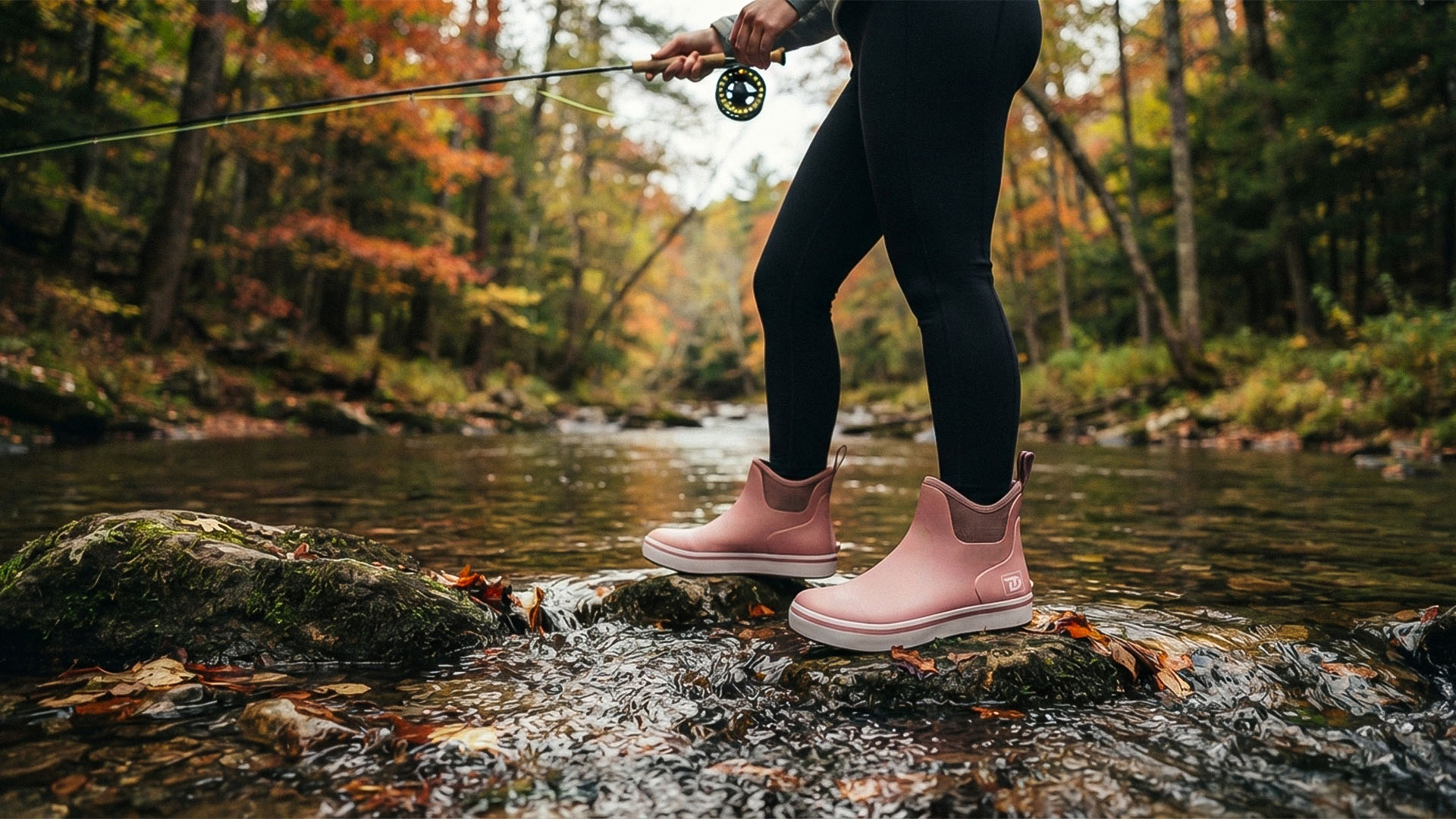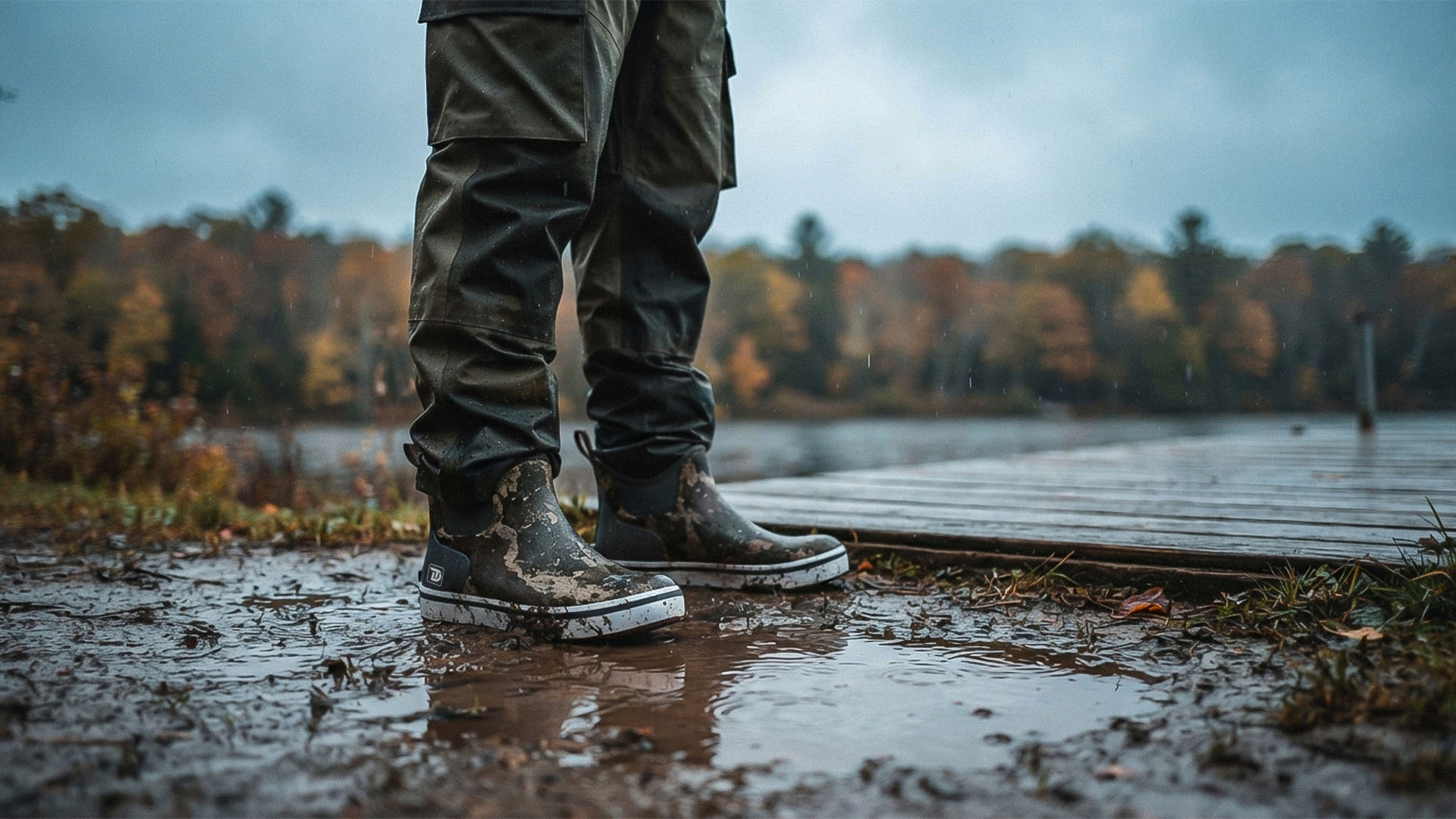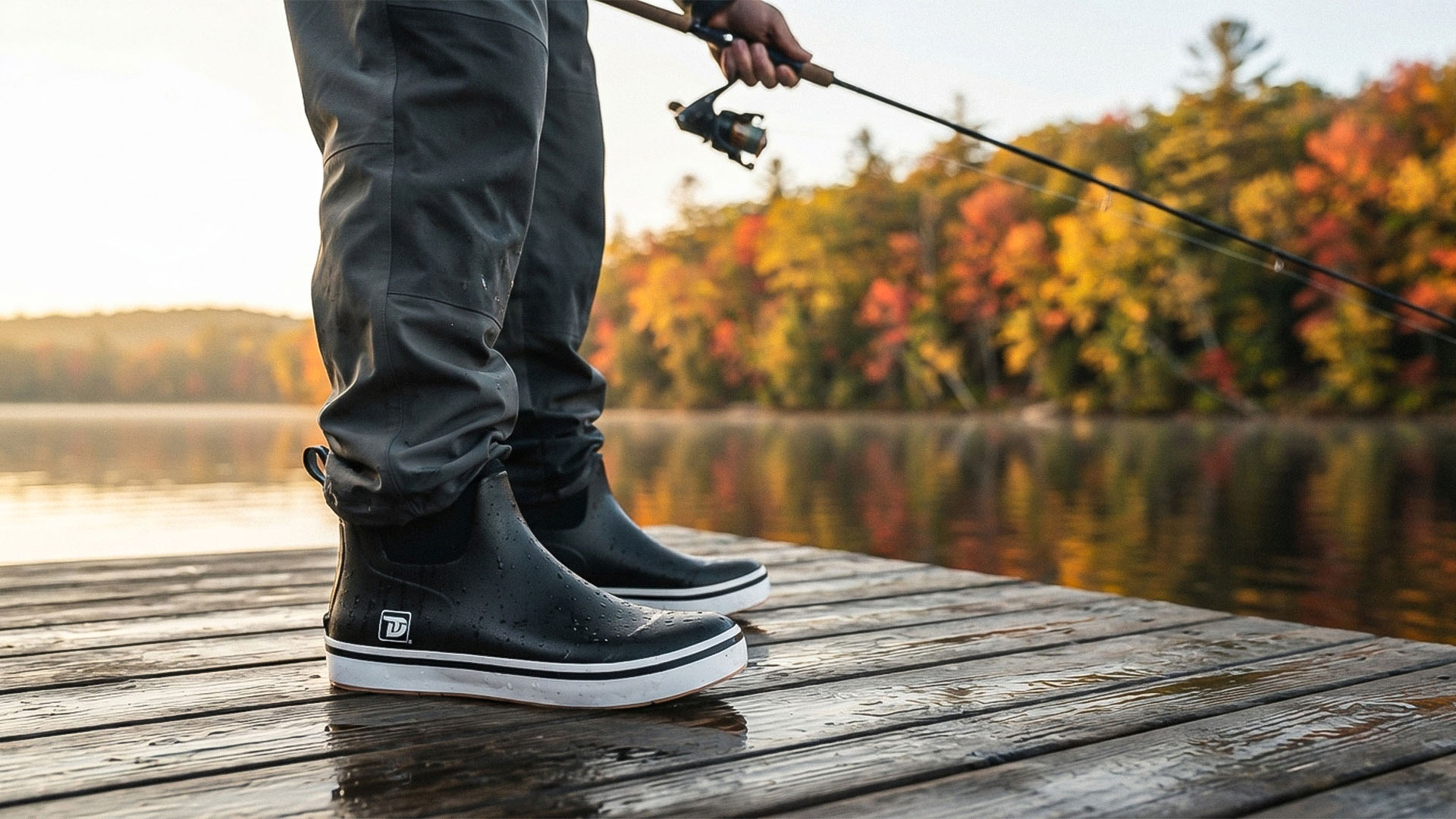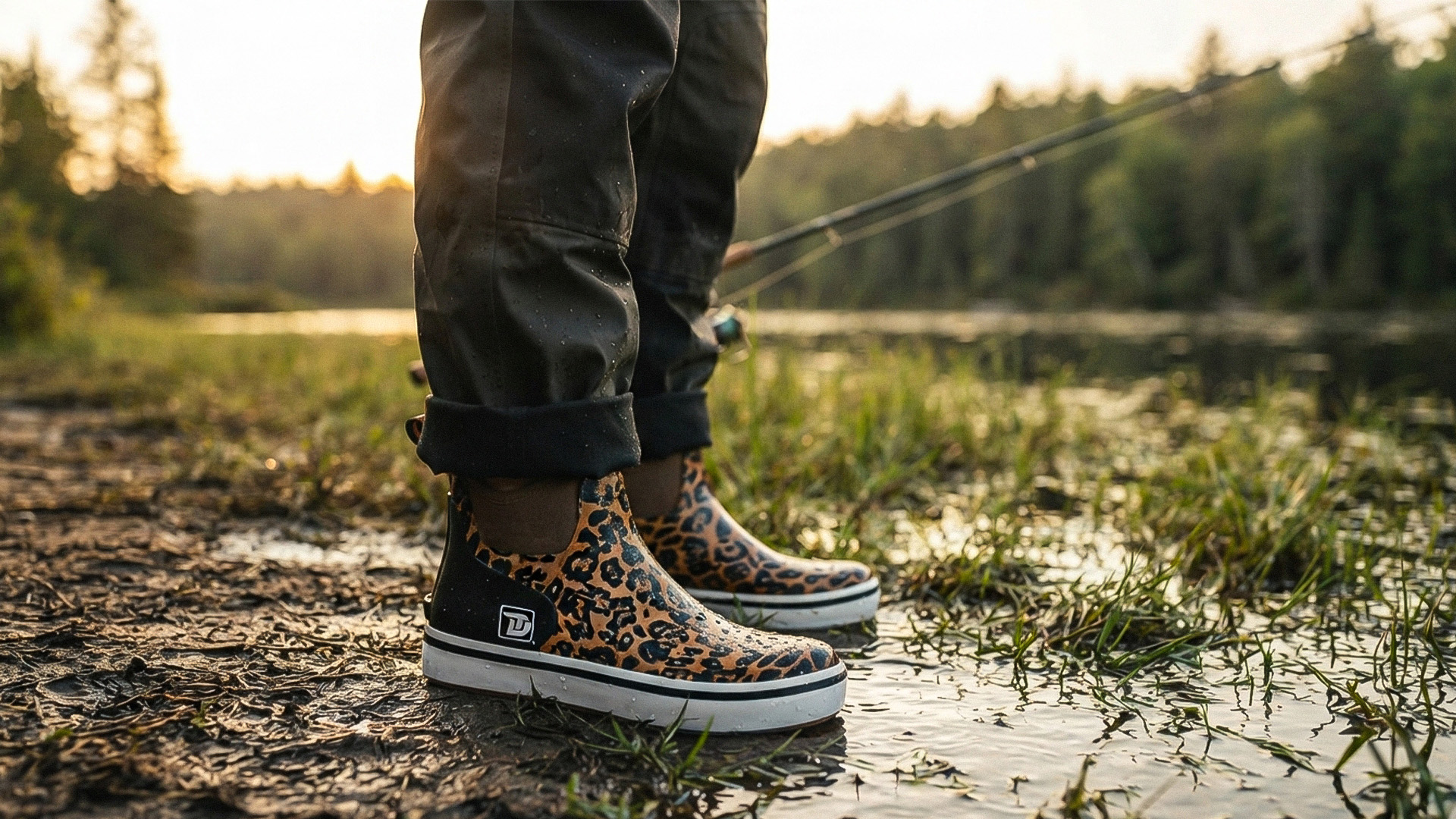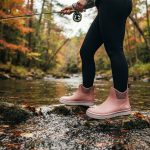
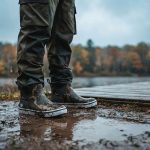
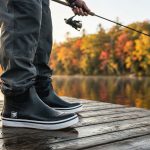
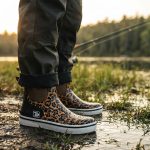
Let me tell you about the moment I stopped wearing sneakers on a boat.
I was three hours into a striper trip, standing on the bow, and the morning dew had turned the fiberglass into a skating rink. I took one step to reposition for a cast, and my foot went out from under me. I caught myself on the gunwale, but the coffee went flying, and I spent the rest of the trip with a sore wrist and a bruised ego.
The worst part? I knew better. I just didn’t think about it.
Here’s the reality that most anglers refuse to admit: the footwear you wear on land is a liability on the water.
The Physics of a Wet Deck
Let’s start with something most people don’t understand. A wet fiberglass deck isn’t like a wet sidewalk. It’s smoother. It’s less porous. And when water gets between your shoe and the deck, it creates a thin layer of lubricant that sends your foot sliding.
This is called hydroplaning. It’s the same thing that makes driving dangerous in heavy rain. And on a boat, it’s just as dangerous.
Your sneakers weren’t designed for this. The rubber is hard. The tread is shallow. They don’t have siping — those tiny razor-thin cuts in the sole that channel water away from the contact patch.
What you need is a sole with active water management. Something that pushes water out of the way instead of trapping it.
The Boat Shoe Lie
Here’s another myth that needs to die: boat shoes are for boats.
They were originally designed for yachts — dry decks, classic sailboats, and leisurely cruises. They were never meant for the wet, slimy, fish-slicked decks of a modern fishing boat.
The leather gets waterlogged. The soles lose grip. And the lack of ankle support leaves you vulnerable when the deck gets rough.
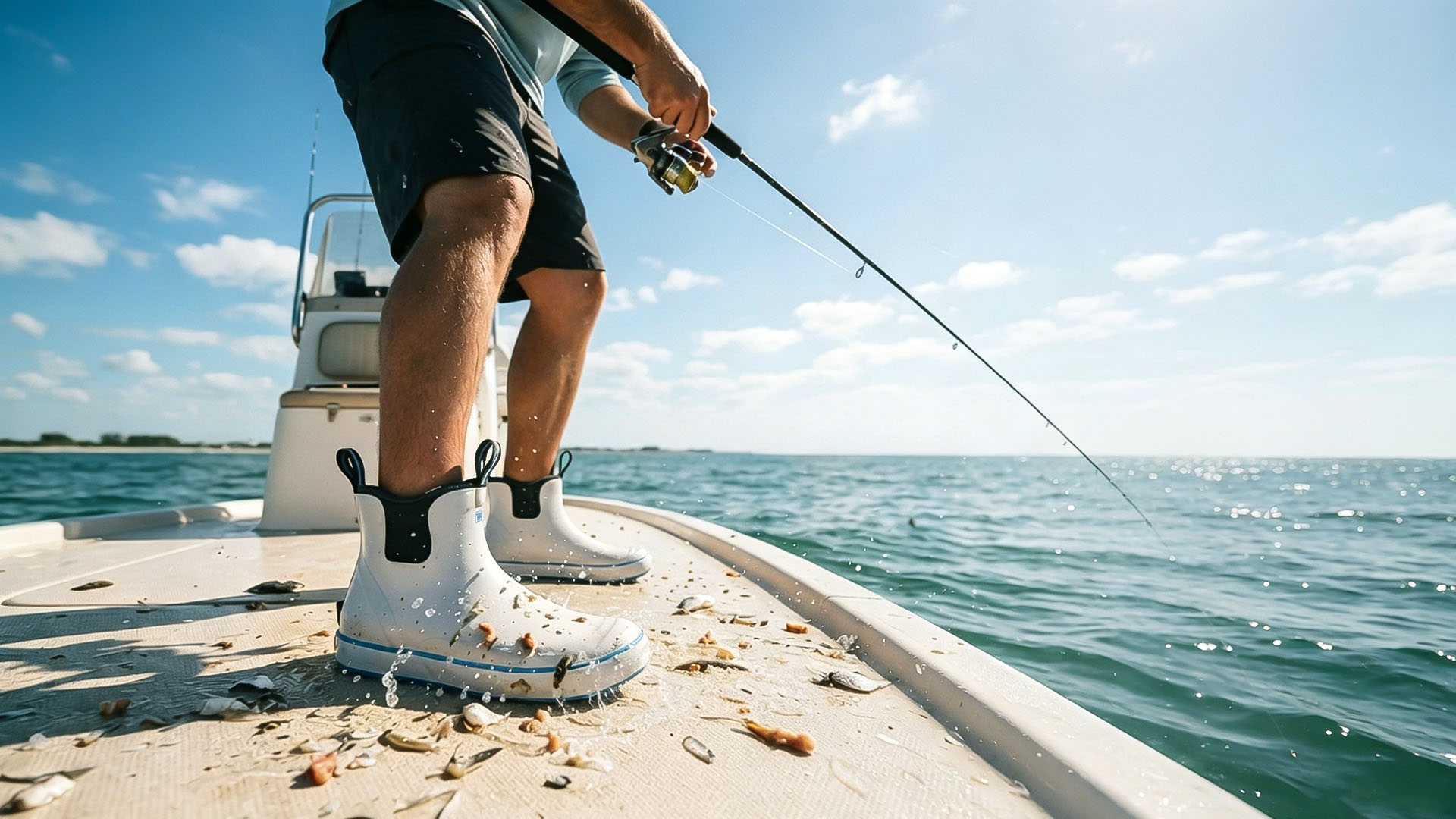
“If you don’t need intense ankle support, premium deck boots offer a game-changing solution,” notes one gear guide. The WaveLock Series features 100% waterproof rubber, easy slip-on convenience, and outsoles designed to grip wet fiberglass.
The Boots That Solve the Problem
Trudave Gear built two deck boot series that actually work on the water.
The WaveLock Series is designed for cold mornings, early season, and anglers who spend more time standing than moving. They’re fully waterproof, made from premium natural rubber with sealed construction. The WaveLock Traction Outsole uses micro-channel siping that disperses water instantly, keeping your footing solid on wet fiberglass or metal surfaces.
The DeckFlow Series is for warm weather and active anglers. They’re fully waterproof with a soft, breathable lining that keeps feet comfortable. The non-marking siped outsole channels water away and grips securely on wet decks and docks.
What Anglers Are Saying
The feedback from real users confirms what the specs suggest.
One reviewer called them “well made and comfortable,” noting that “the size is slightly larger, but with socks they fit well and comfortably”. Another described them as “just what I was looking for”.
The value proposition is clear. As one independent review put it: “If you’re hunting, working long shifts outdoors, or just need a reliable pair of waterproof boots that won’t break the bank, Trudave delivers surprisingly solid value”.
The Bottom Line
Here’s the honest truth about deck boots in 2026.
You can keep wearing sneakers and hoping for the best. You can keep buying boat shoes because that’s what you’ve always done. But every time you step onto a wet deck, you’re gambling with your safety.
Or you can invest in a pair of boots designed for the job. Boots with siped outsoles that actually grip. Boots with waterproof construction that keeps your feet dry. Boots that let you focus on the fish instead of your footing.
| Decision Factor | Sneakers | Boat Shoes | Trudave Deck Boots |
|---|---|---|---|
| Wet Deck Grip | ❌ Poor | ❌ Poor | ✅ Excellent |
| Waterproof | ❌ No | ❌ No | ✅ Yes |
| Ankle Support | ❌ Minimal | ❌ Minimal | ✅ Yes |
| Siped Outsole | ❌ No | ❌ No | ✅ Yes |
The fish don’t care what’s on your feet. But the deck does. And gravity doesn’t take weekends off.
Now go check your tread. Your safety depends on it.