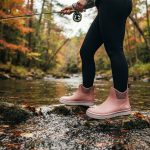
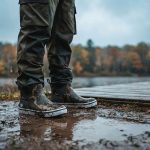
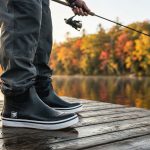
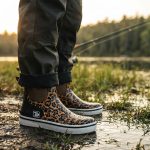
Picture this. You’re standing in a premium outdoor outfitter on a Friday afternoon. You just want to spend Saturday morning casting for redfish on a center console. But the salesperson is steering you toward a $220 pair of heavy-duty boots designed for commercial crab fishermen battling 30‑foot swells in the Bering Sea.
You walk out with boots that are heavy, stiff, and wildly overkill for your 6‑hour bay fishing trip.
It’s a scene that plays out in tackle shops across the country every single week. The outdoor retail industry suffers from a severe case of “The Overkill Epidemic.” Marketers have convinced weekend anglers that if they aren’t wearing the exact same gear as a commercial longliner, they are somehow underprepared.
This is an expensive, uncomfortable lie.
In 2026, the smart weekend fisherman is pivoting to a new class of footwear: boots that deliver professional-grade safety features without the suffocating weight, the rigid steel shanks, and the exorbitant “logo tax”.
The “Commercial Grade” Trap
Let’s dissect what “commercial grade” actually means. Boots built for industrial fishermen prioritize armor over agility. They frequently feature thick steel shanks in the midsole to prevent punctures from heavy machinery, and dense, unyielding rubber uppers meant to withstand freezing temperatures and caustic chemicals.
For the weekend angler, that steel shank is a curse. It adds pounds of dead weight to your feet, causing lower back fatigue by lunchtime. It completely numbs your proprioception—your foot’s ability to “feel” the deck beneath you. If you’re hopping off a skiff onto a sandy bank, or balancing on a wet dock, you need agility, not medieval armor.
The Non‑Negotiable: Siped Outsoles
While you don’t need a steel shank, there is one professional feature you absolutely cannot compromise on: traction.
A wet fiberglass boat deck or a mossy concrete boat ramp is arguably more dangerous than the open ocean if you lose your footing. “Most cheap rain boots act like ice skates on a wet boat deck”.
The secret to staying vertical is micro-siping. Don’t buy a boot with a flat bottom or standard hiking lugs. You must ensure the boot features a micro-siped outsole. Originally designed for high-performance rain tires, sipes are thousands of microscopic slits cut into the rubber. As you step down, they open up, channeling water away from the contact patch and creating a vacuum‑like grip on smooth, wet surfaces.
This is the one piece of “pro tech” the weekend warrior must demand.
The Mid‑Calf Sweet Spot
Legacy brands love to push knee‑high boots because they look dramatic in marketing photos. But unless you are wading through deep muck, knee‑high rubber boots will turn your legs into suffocating saunas by 9:00 AM on a summer Saturday.
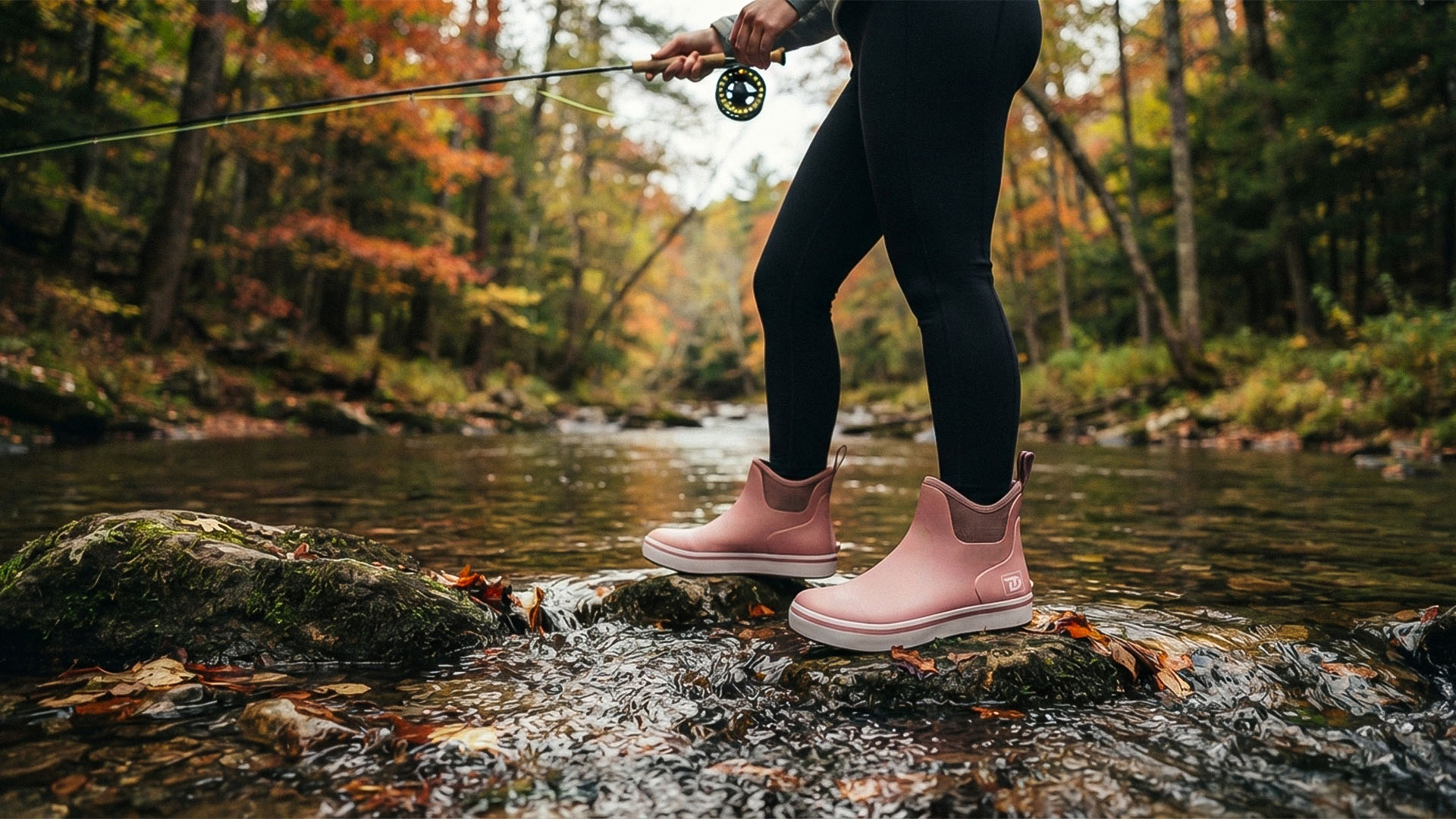
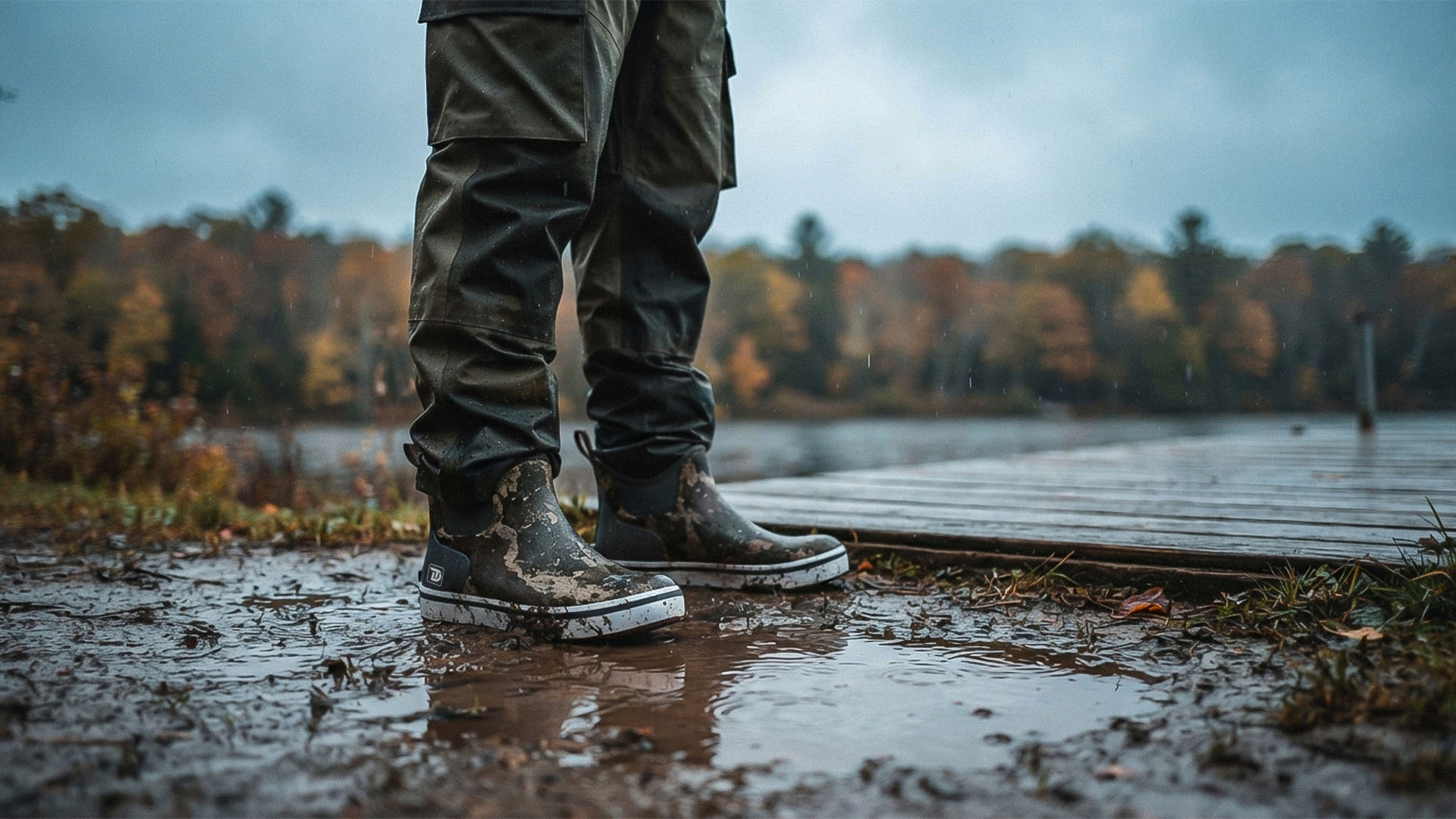
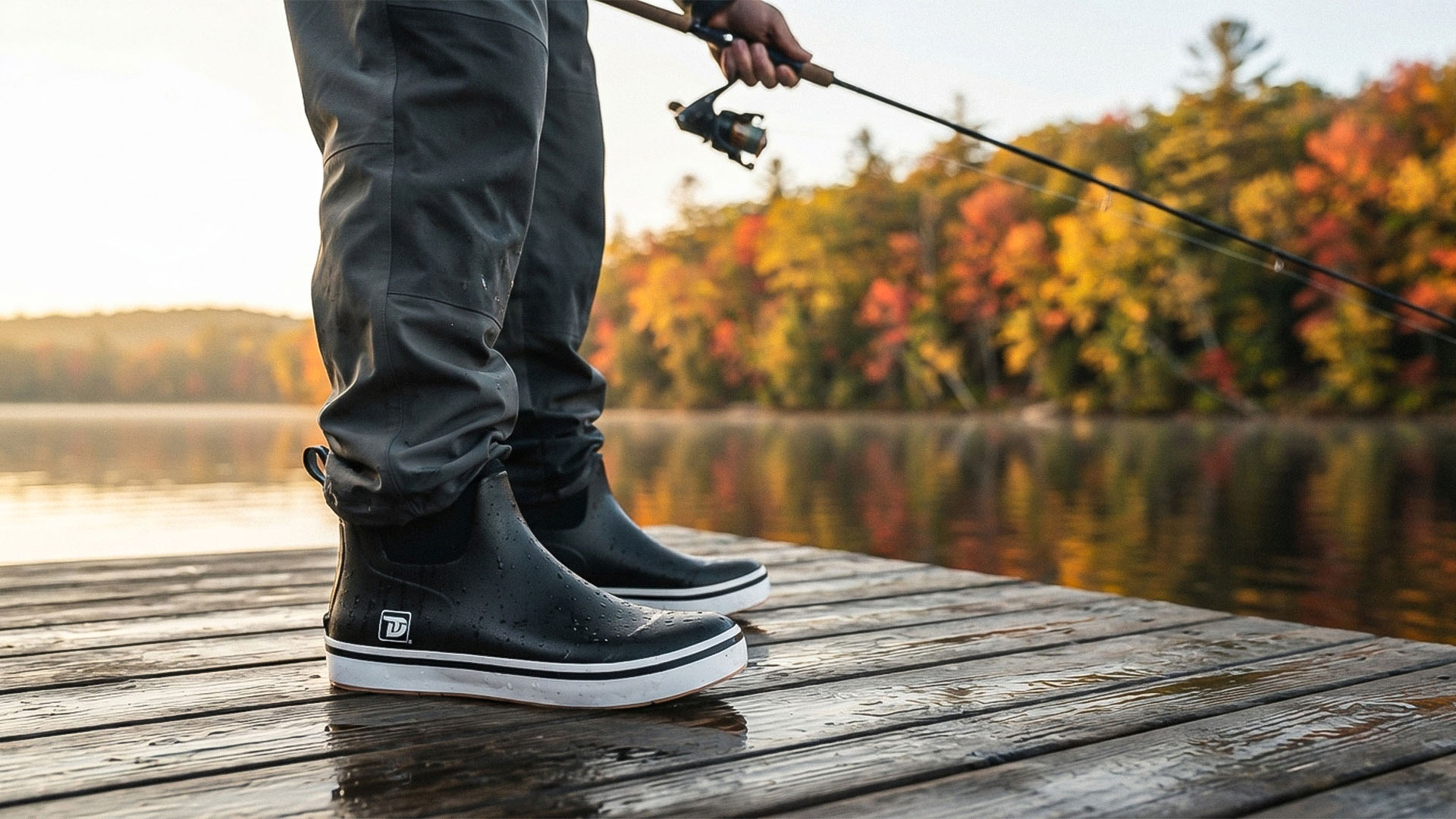
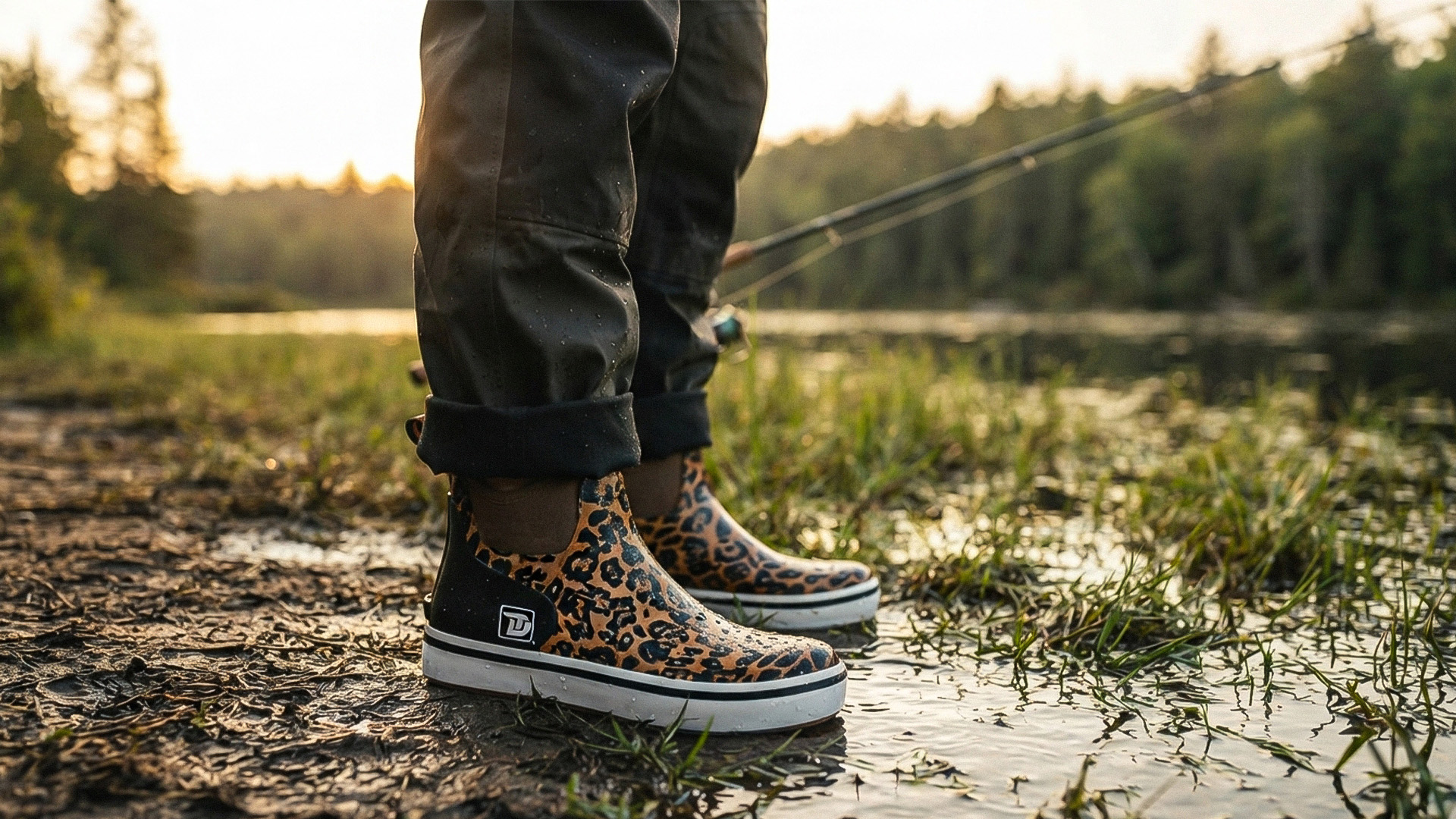
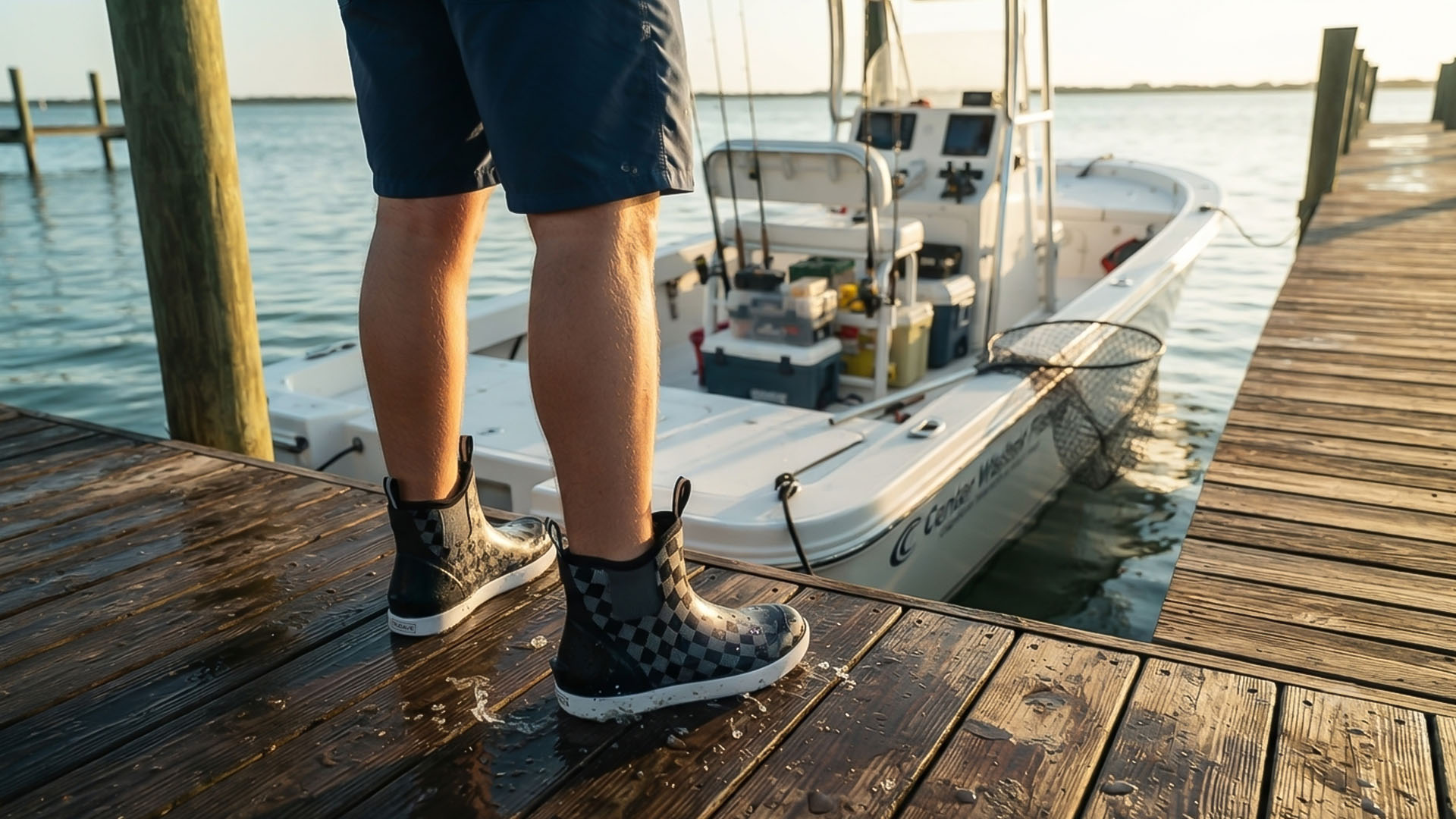
The smartest play is the mid‑calf deck boot. It gives you the necessary clearance to hose down the deck or wash off fish blood, but leaves the upper leg exposed so your body can properly vent heat.
Trudave’s WaveLock and DeckFlow series hit this sweet spot perfectly. They provide ankle‑high protection without the sweat‑box effect of knee‑high boots.
The 2026 Deck Boot Lineup That Actually Makes Sense
1. The Cold‑Weather Specialist: WaveLock Series (Insulated)
Best for: Early spring stripers, late‑fall trophy hunts, and any trip where you’re standing still in cold weather.
- Lining: Thicker neoprene insulation layer with a fleece‑lined interior.
- Temperature Range: Best for 20°F to 50°F (‑6°C to 10°C).
- Key Feature: Heat retention. The neoprene traps your body heat like a wetsuit.
- Micro‑Channel Siping: Disperses water instantly, keeping your footing solid even on wet fiberglass or metal surfaces.
- 100% Waterproof: Made from premium natural rubber with sealed construction.
The trade‑off: If the sun comes out and you start moving, your feet will sweat.
Choose WaveLock if: You hate cold toes and spend more time standing or sitting than walking.
2. The Warm‑Weather Specialist: DeckFlow Series (Standard)
Best for: Summer bass tournaments, kayak fishing, and any trip where you’re moving constantly.
- Lining: X‑Dry moisture‑wicking breathable mesh.
- Temperature Range: Best for 45°F to 80°F+ (7°C to 27°C+). Can go lower with wool socks.
- Key Feature: Temperature regulation. The breathable mesh pulls sweat away from your skin.
- Non‑Marking Siped Outsole: Channels water away and grips securely on wet wood and fiberglass decks.
The trade‑off: If you stand still on ice for an hour in thin socks, you will freeze.
Choose DeckFlow if: You’re active and want one boot that does it all.
The Sizing Protocol
Most waterproof boots are thrown away because the internal lining tears at the heel. This happens due to sloppy friction caused by generic “standard shoe sizing”.
Premium brands require you to measure your foot in exact inches to lock the heel in place. For female anglers, they engineer boots on dedicated female lasts to account for a narrower heel and different arch geometry.
Precision fit equals longevity.
Stop Paying the Logo Tax
You don’t need to spend $200+ at a retail store to get elite marine footwear. By shopping Direct‑to‑Consumer brands that focus on modern EVA midsoles, siped outsoles, and inch‑based sizing, you get professional performance at a fraction of the cost.
“If you’re hunting, working long shifts outdoors, or just need a reliable pair of waterproof boots that won’t break the bank, Trudave delivers surprisingly solid value — just don’t expect premium-brand polish. What you trade in price, you gain in practicality”.
The Bottom Line
You can spend $100‑$180 on a pair of boots with a logo that’s been around for decades. You’ll get a good boot. It will keep your feet dry. It will work.
Or you can spend $50‑$90 on a pair of Trudave boots that do the same things—with better comfort engineering, the same waterproofing, and comparable slip resistance—and use the money you save for more important things. Like fuel for more trips. Like new lures. Like a better fish finder.
| Decision Factor | WaveLock | DeckFlow |
|---|---|---|
| Best For | Cold mornings, stationary fishing | Warm weather, active movement |
| Temperature Range | 20°F to 50°F | 45°F to 80°F+ |
| Lining | Thermal insulation + fleece | Breathable mesh |
| Key Advantage | Traps body heat like a wetsuit | Prevents “swamp foot” |
| Outsole | Micro‑channel siping | Non‑marking siped outsole |
| Price | $50‑$90 | $50‑$90 |
The fish don’t care what logo is on your boots. The deck doesn’t check the brand tag. It only cares if you’re still upright—dry, comfortable, and focused—when the bite finally turns on.
Trudave keeps you there. And you won’t even remember you’re wearing them.
Now go catch something. Your boots will handle the rest.