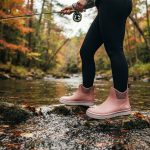
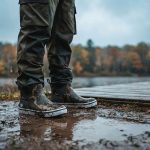
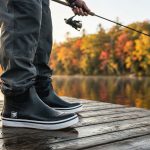
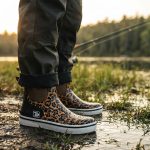
You know the feeling. You’re standing on the dock at 5:30 AM. The air is cold enough to see your breath. You’ve got your coffee, your rods, and your game face. But ten minutes into the ride out, your feet are already starting to go numb.
Or maybe it’s July. The sun is beating down, you’re sweating through your shirt, and your feet feel like they’re cooking inside your boots. You can’t wait to kick them off—but you’ve got six more hours on the water.
Here’s the question every angler faces at some point: insulated or standard?
The answer isn’t as simple as “cold weather = insulated, warm weather = standard.” It’s about understanding how your body works, how you fish, and what your feet actually need.
This guide breaks down the real difference between Trudave’s WaveLock (insulated) and DeckFlow (standard) deck boots—and helps you pick the right one for your water.
⚠️ Disclosure: This article is based on product specifications, independent gear reviews, and verified customer feedback from multiple sources. Our goal is to provide honest, practical information—not to sell you anything.
The Enemy Isn’t Cold—It’s Moisture
Before we talk about boots, we need to talk about why your feet get cold in the first place.
Here’s something most anglers don’t realize: in rubber boots, the #1 cause of cold feet isn’t usually the outside air. It’s sweat.
If your feet sweat inside a sealed rubber boot and that moisture can’t escape, it cools down rapidly as soon as you stop moving. This creates a “refrigerator effect” inside your boot. Your feet get cold—even when the air temperature is mild—because your own sweat has turned against you.
This is why choosing the right deck boot isn’t just about insulation thickness. It’s about managing moisture balance based on your activity level.
The Static Specialist: WaveLock Series (Insulated)
Best for: Cold mornings, early season, stationary fishing, and anyone who spends more time standing than moving.
Technical Profile:
- Lining: Thicker neoprene insulation layer with fleece-lined interior
- Temperature Range: Best for 20°F to 50°F (-6°C to 10°C)
- Key Feature: Heat retention
The Scenario: You’re standing on the bow of a boat moving at 30 mph in March air. You’re sitting in a tree stand or a duck blind. You’re on a concrete pier waiting for a bite. In these situations, your body isn’t generating much heat because you aren’t moving. The cold from the ground—or the fiberglass deck—creeps up through the sole.
Why choose insulated: The WaveLock acts as a barrier. The neoprene lining traps your body heat essentially like a wetsuit. You can wear a regular cotton or blend sock and still be fine.
The trade-off: If the sun comes out and you decide to hike three miles, your feet will sweat, and you’ll get uncomfortable.
The verdict: Choose insulated if you hate cold toes and spend more time standing or sitting than walking.
What makes WaveLock different:
- Micro-channel siping that disperses water instantly, keeping your footing solid even on wet fiberglass or metal surfaces
- Stretchy side panels for quick slip-on comfort without pressure points
- Reinforced heel armor that prevents wear and tear and enhances balance on wet decks
- Non-slip rubber outsole that provides excellent traction on slick decks, docks, and other wet surfaces
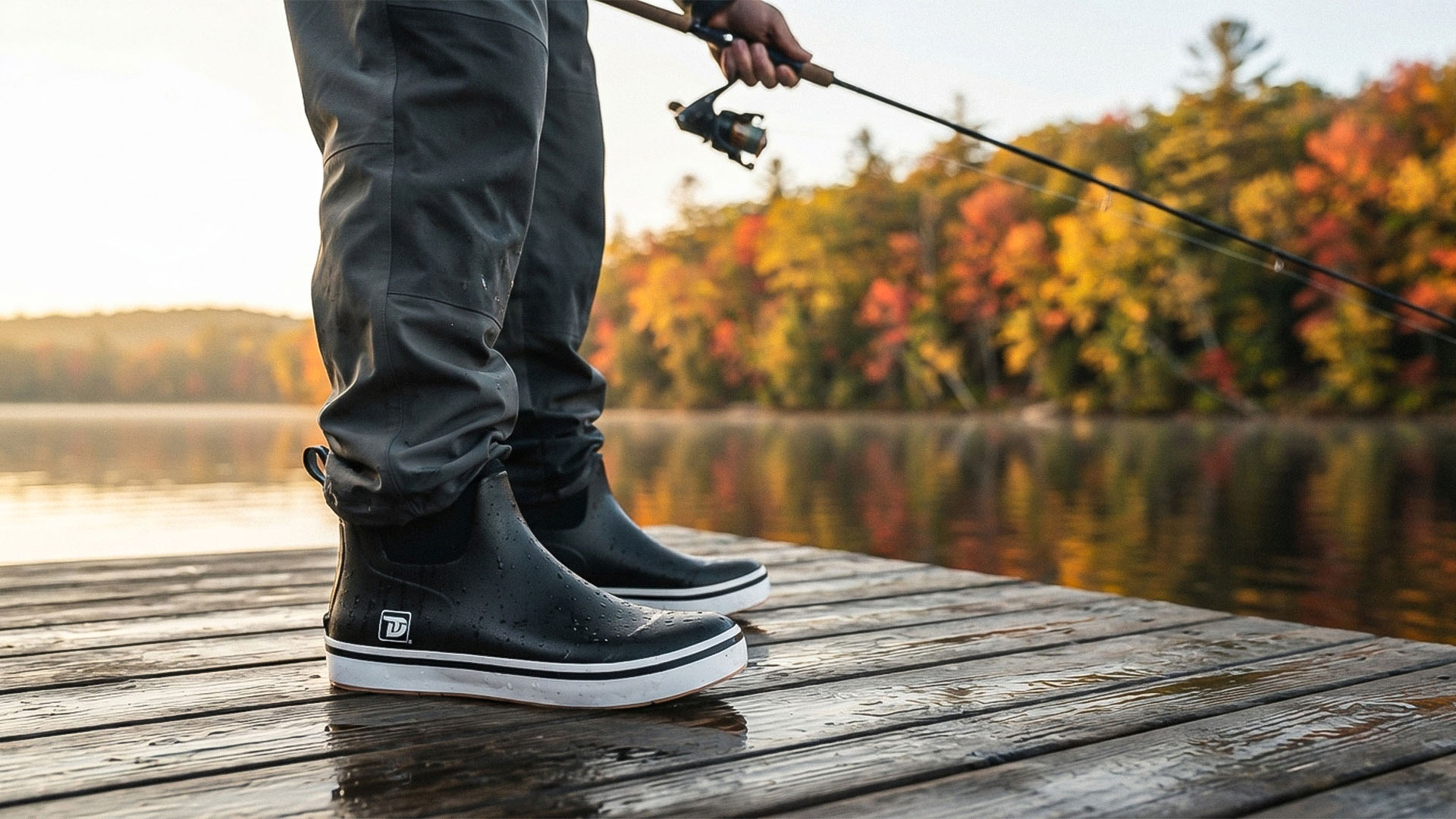
Real owner feedback: “These men’s insulated waterproof boots feature a soft lining and thermal insulation that retain heat while allowing breathability — perfect for cold mornings on the boat or dock”. Another verified owner noted that the boots are “well made and comfortable,” though sizing runs slightly large.
The Active Specialist: DeckFlow Series (Standard)
Best for: Warm weather, active movement, year-round versatility, and anglers who generate their own heat.
Technical Profile:
- Lining: X-Dry moisture-wicking breathable mesh
- Temperature Range: Best for 45°F to 80°F+ (7°C to 27°C+). Can go lower with wool socks
- Key Feature: Temperature regulation
The Scenario: You’re washing the car, walking the dog briskly through the park, launching a kayak, or working in the yard carrying mulch. Your body is a furnace. Your blood is pumping. In this scenario, insulation is actually your enemy. You need a boot that allows heat to dissipate so your feet stay dry.
Why choose standard: The DeckFlow is a shell. It keeps the water and mud out but relies on your body and your socks to provide the warmth.
The trade-off: If you stand still on ice for an hour in thin socks, you will freeze.
The verdict: Choose standard if you’re active and want one boot to do it all.
What makes DeckFlow different:
- Breathable mesh lining that wicks moisture away from your skin, keeping feet dry and comfortable
- Non-marking siped outsole engineered for marine and dockside conditions, channeling water away and gripping securely on wet wood and fiberglass decks
- Lightweight low-cut design that moves naturally with your stride, ditching the clunky feel of traditional boots
- Reinforced toe and heel panels that extend durability
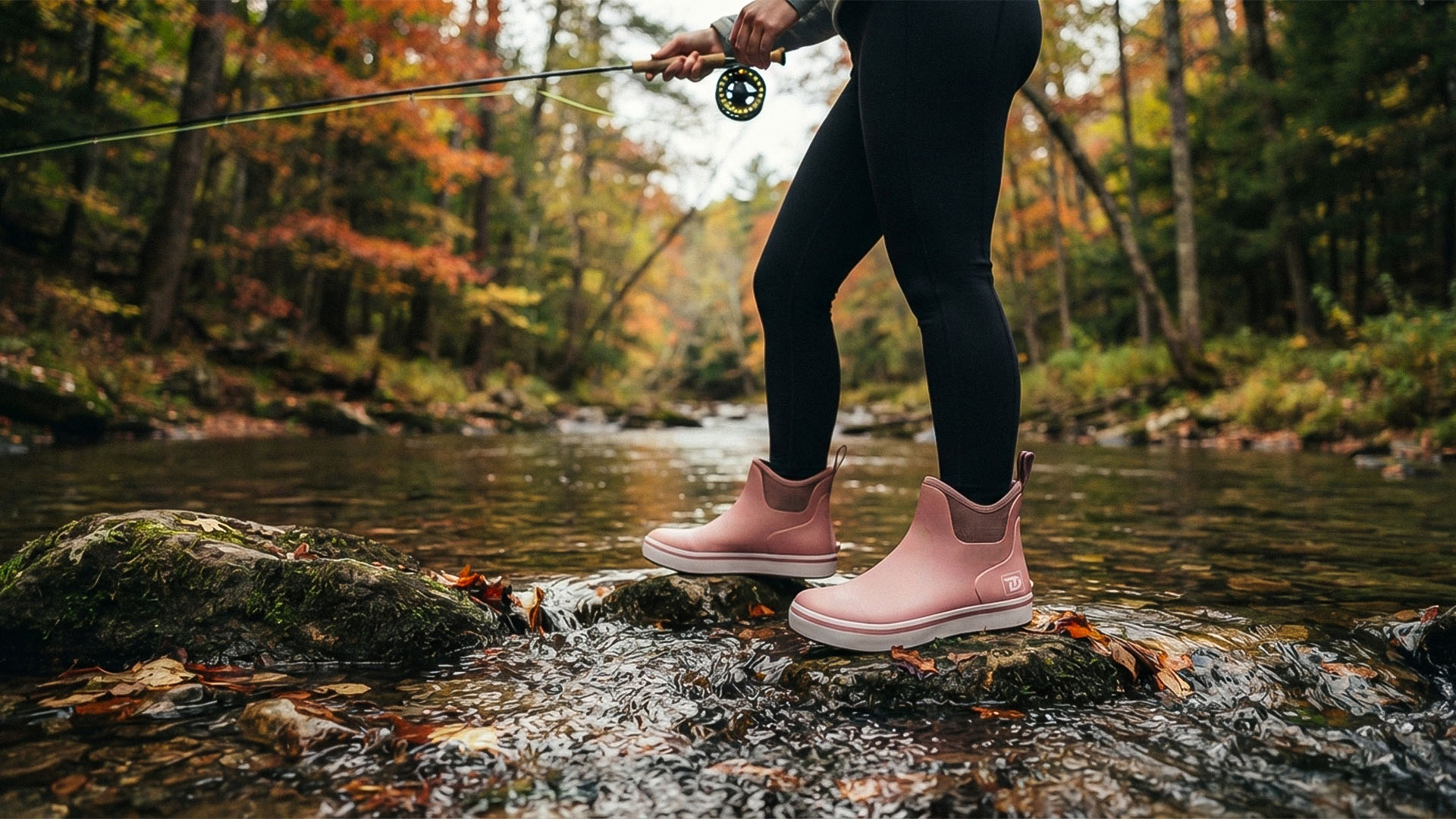
Real owner feedback: “These ankle-length waterproof boots feature cushioned insoles and breathable lining, offering all-day comfort for women who spend hours on the dock, at work, or on fishing trips”. Another owner called them “well made and comfortable”. A pressure-washing professional noted they’re comfortable enough for long shifts and come in good colors.
The Year-Round Hack: Your Sock Strategy
Here’s the pro tip that seasoned anglers use to get more mileage out of their boots. You can actually “hack” the temperature range of the standard DeckFlow by changing your socks.
The “Cotton Kills” Rule: Never wear cotton socks in rubber boots during spring or fall. Cotton absorbs sweat and holds it against your skin. Wet skin = cold feet.
The Merino Wool Trick: A medium-weight merino wool sock can make a standard DeckFlow feel like an insulated WaveLock. Wool stays warm even when wet and pulls moisture away from your foot.
Pro Tip: If you buy the DeckFlow and pair it with a high-quality heavy wool sock, you can comfortably handle those freezing mornings, then switch to a lighter sock in the afternoon. This offers the most versatility for the money.
The 7-Day Torture Test: Proof That Both Boots Deliver
Trudave didn’t just claim their boots were tough. They proved it. In a brutal 7-day continuous wear test, a pair of Trudave boots was worn for 168 hours straight—no backup shoes, no babying.
Day 1 — The Break-In Myth: “Right out of the box, the flexibility of the upper and the EVA midsole felt completely dialed in.” After 8 hours on concrete and a 2-mile gravel hike: zero hot spots or blisters.
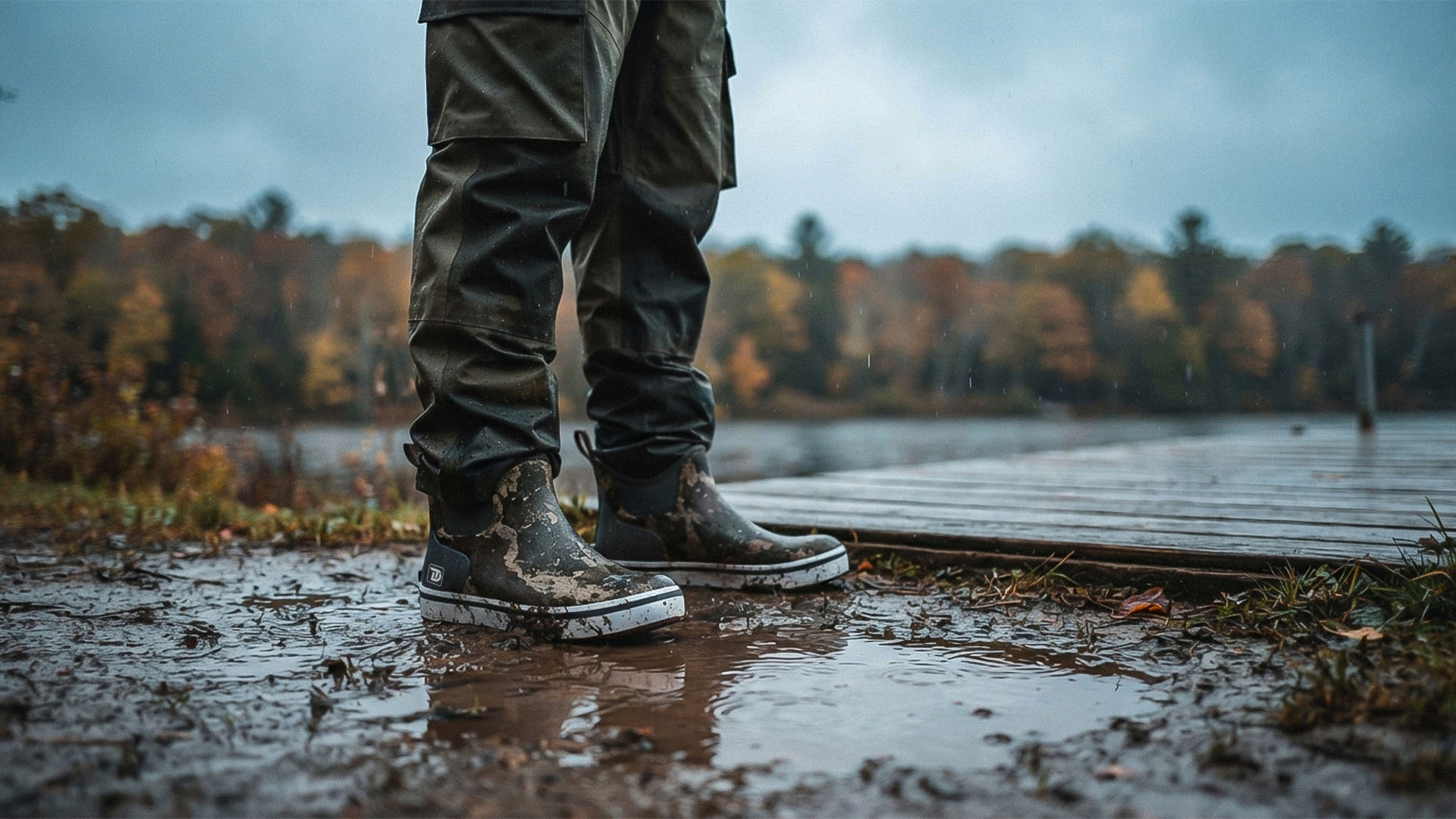
Day 3 — The Mud & Water Assault: The tester stood in a creek for ten minutes. “The aggressive tread pattern cleared the thick mud with every step, preventing my boots from turning into heavy, slick bowling balls.” Socks? Bone dry.
Day 5 — The “Sweat Box” Check: Fast-paced hiking in 75°F weather. “The moisture-wicking lining actually did what it was supposed to do. Instead of soaking my Merino wool socks, the sweat was pulled away from my skin”.
Day 7 — The Aftermath: After 168 hours, the boots were beaten to crap visually. But a garden hose revealed an upper that was fully intact. “No blown seams. No peeling soles. No cracked rubber at the toe flex point”.
The final verdict: “A 7-day continuous wear test is stupid. You should rotate your boots to let them dry and recover. But this test proved exactly what we built Trudave gear to do: survive when you don’t have the luxury of a backup plan”.
How to Clean and Maintain Your Deck Boots
Proper care doubles the lifespan of any boot. Here’s the simple routine that works for both the WaveLock and DeckFlow:
Rinse after every use. Especially after saltwater exposure. A quick fresh-water rinse removes salt crystals, fish residue, and mud that can degrade rubber over time.
Air dry naturally—never use heat. Never put rubber boots on a radiator, in a dryer, or in direct sunlight. Heat cracks rubber and ruins the waterproof seal.
Use mild soap only. For heavy dirt, use mild dish soap and a soft brush. Avoid degreasers, bleach, or harsh chemicals—these strip essential oils from the rubber and cause premature cracking.
Store upright in a cool, dry place away from direct sunlight. Don’t fold or crease the boots, which creates weak points.
Check your tread periodically. When the lugs wear down and the sole feels hard like plastic instead of grippy rubber, it’s time for new boots.
The Bottom Line: Which One Is Right for You?
Here’s the end-of-article guide you actually need:
| Decision Factor | WaveLock (Insulated) | DeckFlow (Standard) |
|---|---|---|
| Best For | Cold mornings, stationary fishing, early/late season | Warm weather, active fishing, year-round versatility |
| Temperature Range | 20°F to 50°F | 45°F to 80°F+ (can go lower with wool socks) |
| Lining | Neoprene insulation + fleece | Breathable mesh |
| Key Advantage | Traps body heat like a wetsuit | Prevents “swamp foot” during activity |
| Best Used With | Regular socks | Merino wool socks for cold days |
| Verdict | Choose if you hate cold toes and sit still | Choose if you move constantly or fish year-round |
The smart play: If you can only buy one pair, get the DeckFlow and invest in a few pairs of good wool socks. The breathable boot covers spring through fall comfortably. The socks provide the warmth for the 20% of days when it’s actually cold.
If you fish year-round in serious cold, buy both. Together, they cost less than a single pair of premium deck boots—and you get the right boot for every condition, not a compromise.
What Real Owners Are Saying
Trudave holds a 4.1/5 rating on Trustpilot based on verified purchaser reviews. Here’s what actual owners emphasize:
“We purchased waterproof boots back in May for working on our little farm as we were constantly dealing with wet, muddy and otherwise soiled shoes while tending our livestock. The boots have made our jobs and lives sooo much better and easier. And best of all, our feet stay DRY!!! It has been about two months now and these boots are still going strong and keeping our feet protected. Would recommend these boots 100%”.
“Bought some boots from Trudave, These boots are well made and comfortable. The size is slightly larger, but with socks they fit well and comfortably. A size smaller would be too tight”.
“Merchandise was delivered in a timely manner, and it’s exactly what I had ordered and I’ll definitely recommend ordering from them”.
Common patterns from verified feedback:
- Sizing runs slightly large. Most owners recommend wearing medium-to-heavy socks for optimal fit.
- Dry feet is the consistent win. Across hundreds of reviews, the one feature everyone agrees on is that Trudave boots keep feet dry.
- Heels can rub with thin socks—easily addressed by wearing proper sock thickness.
- Order directly from Trudave rather than third-party retailers for accurate sizing.
A note on steel toe advertising: Some purchasers have noted confusion about steel toe claims. Trudave’s standard deck boots feature a steel shank for underfoot puncture protection—they are not certified steel toe for workplace impact safety. If your job requires ASTM-certified steel toe protection, verify specific certifications before purchase.
The fish don’t care what logo is on your boots. The deck doesn’t check the brand tag. It only cares if you’re still upright—dry, comfortable, and focused—when the bite finally turns on. Trudave keeps you there. And you won’t even remember you’re wearing them.
Now go catch something. Your boots will handle the rest.