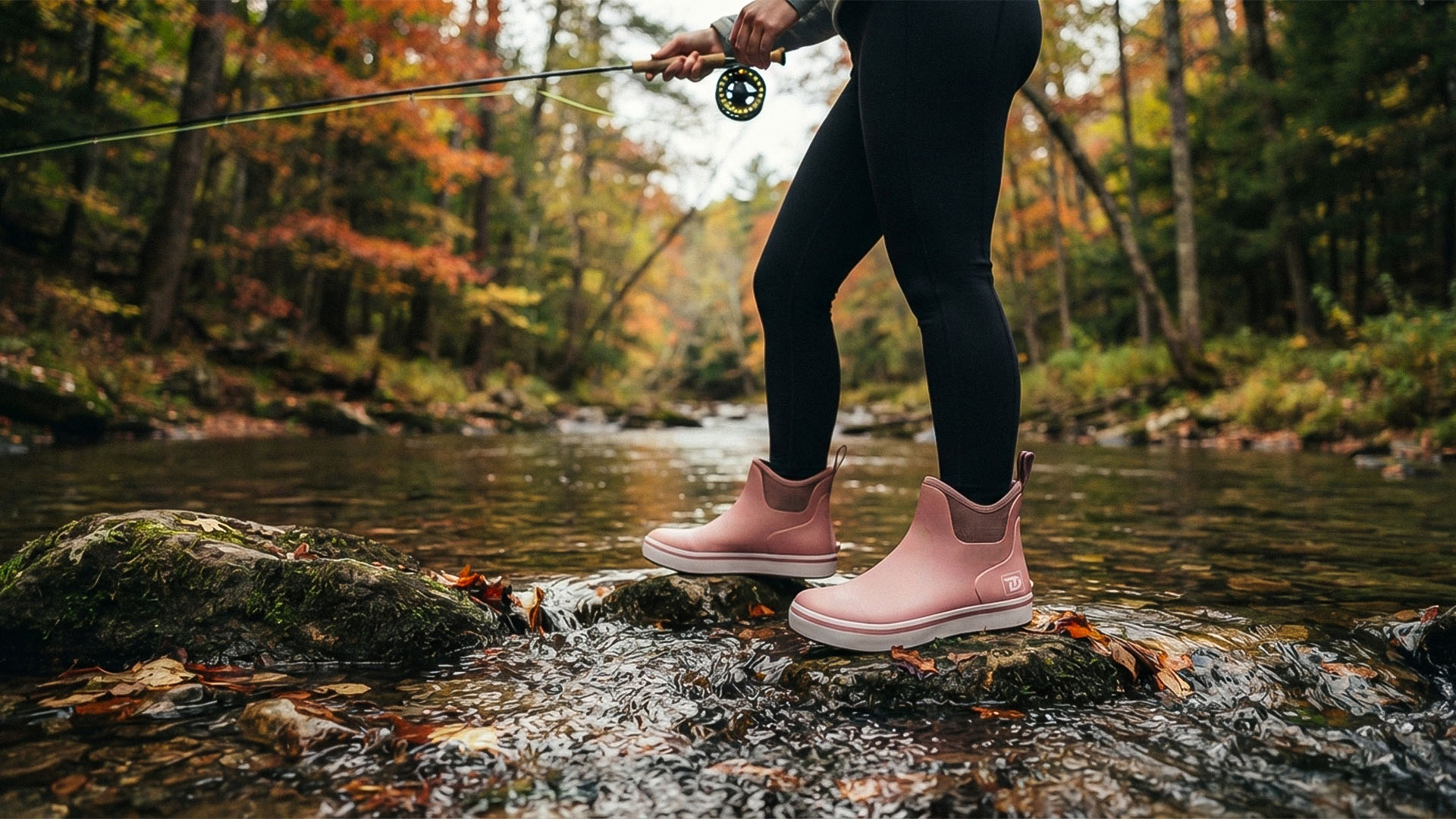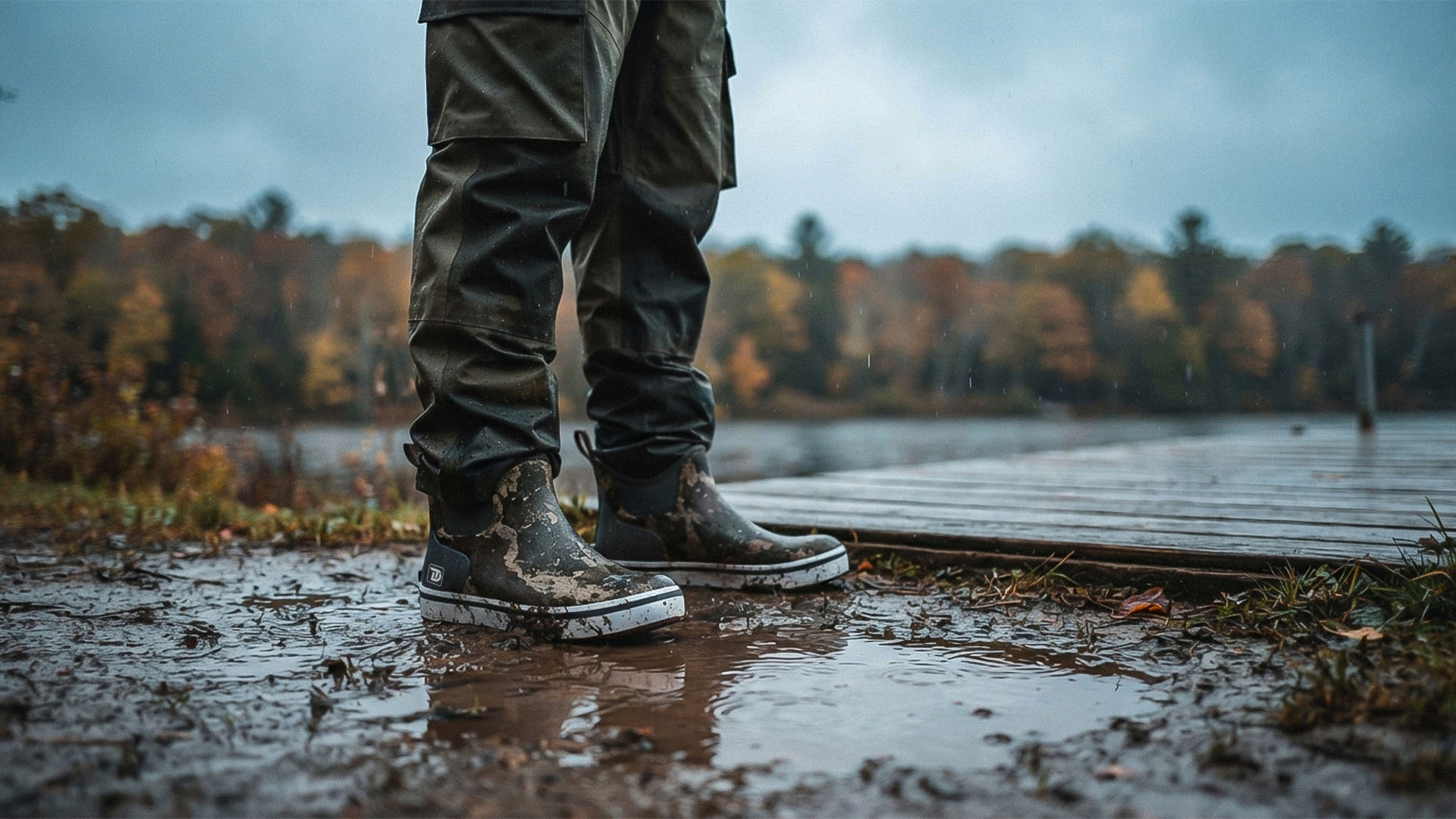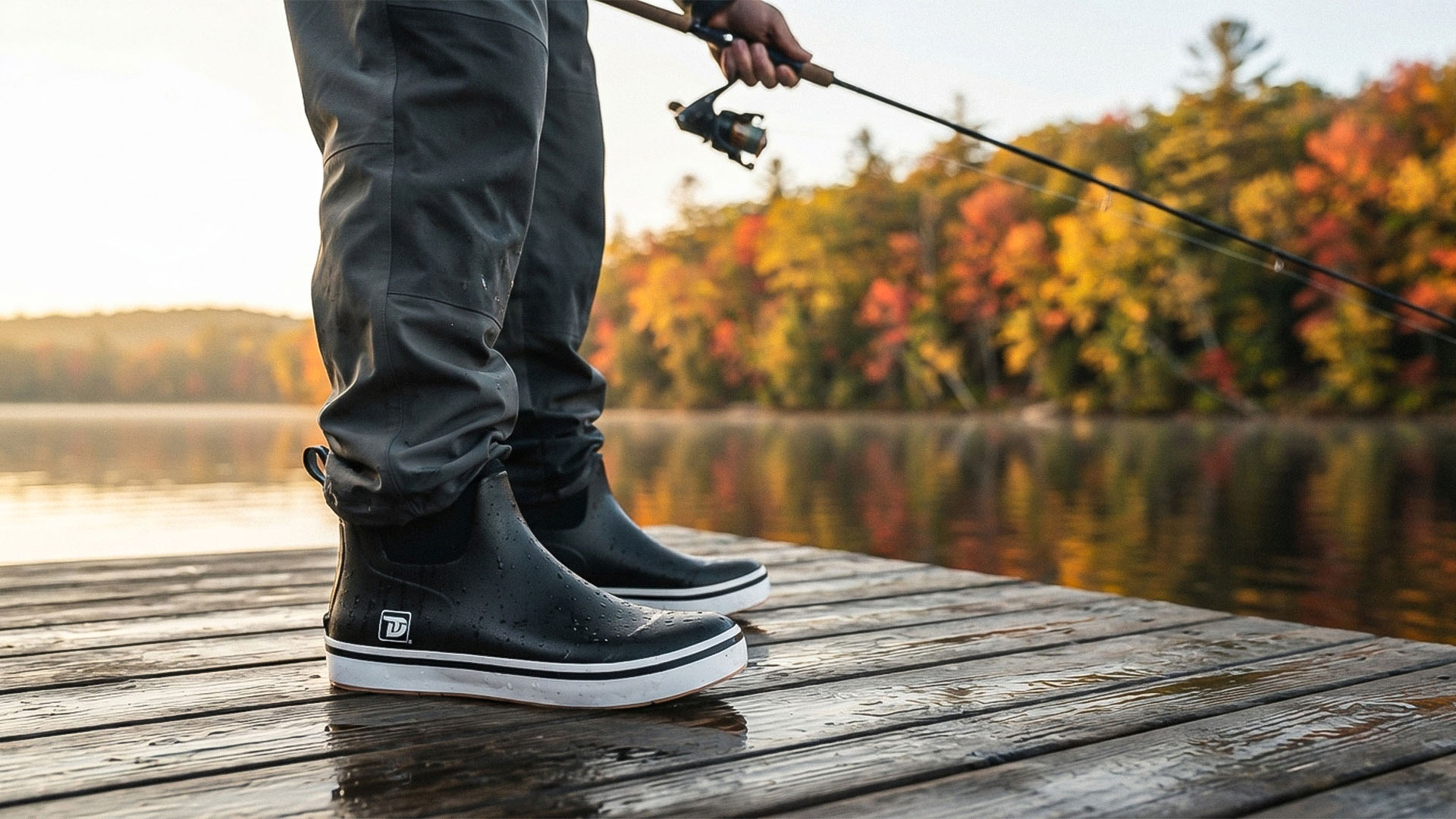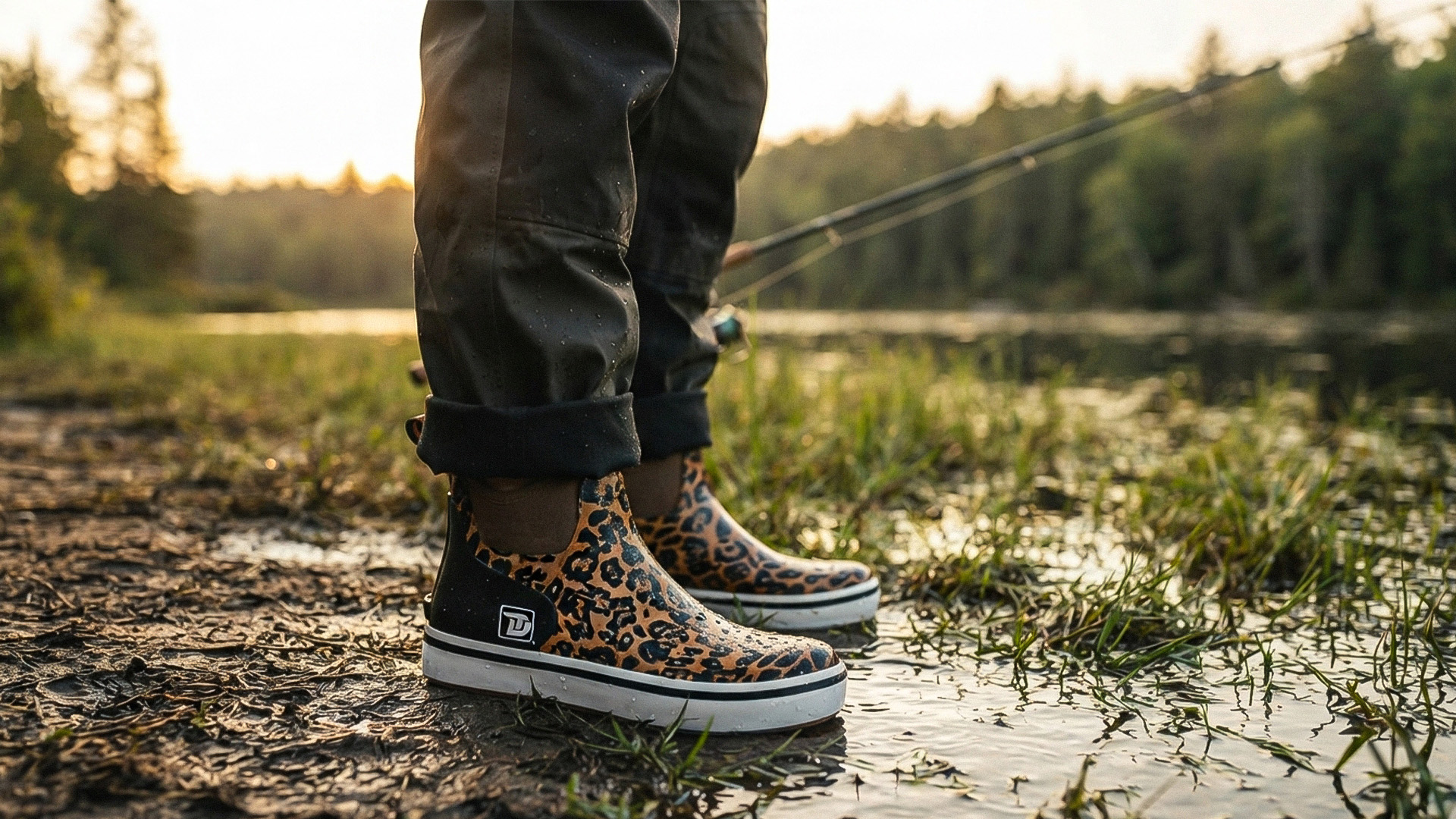
Bass fishing is one of the most popular fishing activities in the United States.
Millions of anglers spend time chasing largemouth bass, smallmouth bass, and spotted bass across lakes, rivers, reservoirs, and ponds.
Although bass fishing is often associated with warm weather and calm water, the reality is that anglers regularly deal with wet and unpredictable conditions.
A typical bass fishing day may involve:
- Early morning boat launches
- Wet docks
- Rain showers
- Boat spray
- Muddy banks
- Fishing from kayaks
- Standing on bass boats
- Walking through grass
- Handling fish slime
The right footwear can make a major difference.
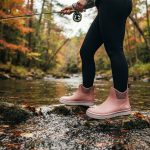
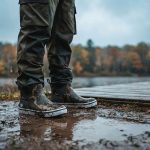
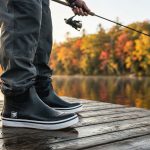
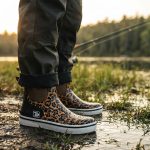
For anglers fishing from boats, docks, and kayaks, lightweight waterproof deck boots provide excellent protection from water while remaining comfortable during long days on the lake.
This guide explains how to choose deck boots for bass fishing, why wet conditions matter, how different fishing styles affect footwear needs, and when other options may be better.
Why Bass Fishing Creates Footwear Challenges
Bass anglers often move between different environments during the same trip.
You may start at:
- A wet boat ramp
- A marina dock
- A bass boat
- A shoreline
- A muddy trail
Your footwear needs to handle changing conditions.
Common problems include:
- Wet socks
- Slippery surfaces
- Mud
- Fish slime
- Boat water
- Long standing periods
Why Deck Boots Work Well for Bass Fishing
Deck boots provide several advantages for freshwater anglers.
They offer:
- Waterproof protection
- Closed-toe coverage
- Easy cleaning
- Wet-surface traction
- Comfortable standing support
- Protection from mud and water
They work especially well for:
- Bass boats
- Kayaks
- Fishing docks
- Rainy lake conditions
Anglers comparing fishing footwear can evaluate TruDaveGear waterproof deck boots alongside other options based on fit, traction, cushioning, weight, and intended fishing environment.
Bass Boat Fishing
Bass boats are designed for speed and mobility.
Anglers constantly move between:
- Front casting deck
- Console
- Storage compartments
- Livewell areas
The deck may become wet from:
- Spray
- Rain
- Fish handling
- Water dripping from equipment
A waterproof deck boot helps keep feet comfortable throughout the day.
Standing on the Casting Deck
Bass fishing often involves hours of standing.
Unlike some fishing styles, bass anglers may cast hundreds of times during a trip.
This creates repeated pressure on:
- Feet
- Ankles
- Knees
- Lower legs
Comfortable footwear matters.
Look for:
- Supportive cushioning
- Stable heel
- Flexible forefoot
- Secure fit
Repeated Casting Movement
Casting requires constant movement.
You may:
- Turn
- Step
- Shift weight
- Walk around the deck
A loose boot can become distracting.
Your footwear should move naturally with your feet.
Wet Bass Boat Decks
Bass boat decks may become slippery from:
- Water
- Fish slime
- Rain
- Mud
- Sunscreen
A marine-style outsole helps maintain contact.
However, no footwear eliminates all slipping risks.
Keep the deck clean.
Kayak Bass Fishing
Kayak bass fishing has grown significantly.
Kayak anglers often deal with:
- Water entering the cockpit
- Wet launches
- Mud
- Shallow areas
- Shore access
Waterproof boots can be useful for launch areas and wet conditions.
However, footwear should match the kayak design.
Kayak Footwear Considerations
When choosing boots for kayak fishing, consider:
- Space inside the cockpit
- Flexibility
- Weight
- Drainage needs
A bulky boot may be uncomfortable in a small kayak.
Low-profile ankle deck boots often provide a good balance.
Bank Fishing for Bass
Many bass anglers fish from shore.
Conditions may include:
- Mud
- Wet grass
- Rocks
- Leaves
- Uneven ground
Deck boots work well for casual shoreline conditions.
For hiking long distances or climbing steep terrain, hiking-style footwear may be better.
Rainy Bass Fishing
Bass fishing often improves after weather changes.
Rain can create productive fishing conditions.
It can also create:
- Wet decks
- Muddy banks
- Slippery docks
Waterproof footwear helps anglers stay comfortable during these conditions.
Early Morning Lake Fishing
Many bass anglers launch before sunrise.
Early mornings often bring:
- Dew
- Wet grass
- Cool temperatures
- Damp docks
Deck boots prevent early moisture from soaking regular shoes.
Summer Bass Fishing
Warm-weather bass fishing creates a different challenge.
Heavy boots can become uncomfortable.
Look for:
- Lightweight construction
- Uninsulated design
- Breathable socks
- Ankle height
Avoid unnecessary insulation.
Florida Bass Fishing
Florida bass fishing often involves:
- Warm weather
- Vegetation
- Marsh areas
- Wet launches
Waterproof boots are useful around:
- Boat ramps
- Wet grass
- Mud
- Shallow water access
Lightweight designs are preferred.
Texas Bass Fishing
Texas lakes can involve:
- Rocky shorelines
- Hot weather
- Boat fishing
- Variable conditions
A versatile waterproof boot can handle morning moisture and wet boat conditions.
California Bass Fishing
California reservoirs may involve:
- Dry weather
- Early morning moisture
- Boat launches
- Long fishing days
Footwear should focus on comfort and versatility.
Smallmouth Bass Fishing
Smallmouth bass anglers often fish:
- Rivers
- Rocky shorelines
- Cooler water
If staying on shore, specialized river footwear may be better.
For boats and docks, deck boots remain practical.
Fish Slime
Bass may not create the same level of mess as offshore species, but fish slime still matters.
After handling fish:
- Wash hands
- Keep deck clean
- Remove residue from footwear
Fish slime can reduce traction.
Livewell Water
Bass boats often use livewells.
Water may spill during:
- Fish transfers
- Tournament handling
- Cleaning
Repeated exposure can soak regular shoes.
Waterproof boots handle these situations better.
Fishing Tournaments
Bass tournaments involve:
- Long hours
- Constant movement
- Early launches
- Wet boats
Footwear comfort becomes extremely important.
A small discomfort after eight hours can become a major distraction.
Long Tournament Days
Tournament anglers may spend:
- 8+ hours standing
- Hundreds of casts
- Constant movement
Choose boots that provide:
- Stable support
- Comfortable cushioning
- Secure fit
- Low fatigue
Deck Boots vs. Fishing Shoes
Deck Boots Are Better For:
- Wet boats
- Rain
- Mud
- Launch ramps
- Livewell water
- Wet docks
Fishing Shoes Are Better For:
- Hot dry days
- Maximum airflow
- Long walking
Choose according to your fishing style.
Deck Boots vs. Sneakers
Sneakers may work on dry days.
However, they absorb:
- Rain
- Boat water
- Mud
- Fish residue
Deck boots provide easier cleanup.
Deck Boots vs. Hiking Boots
Hiking boots provide better trail support.
Deck boots provide better waterproof protection.
Choose based on whether you spend more time walking or standing on wet surfaces.
Deck Boots vs. Sandals
Sandals provide airflow but limited protection.
They are less suitable around:
- Hooks
- Fish
- Wet decks
- Mud
Closed-toe footwear is usually more practical.
Boat Ramp Conditions
Bass anglers frequently use ramps.
Conditions may include:
- Wet concrete
- Mud
- Gravel
- Grass
Deck boots protect feet during launch and retrieval.
Clean the outsole before entering the boat.
Mud and Grass
Wet grass and mud can create slippery conditions.
Deck boots help keep feet dry.
However, remove heavy mud before stepping onto boat flooring.
EVA Boat Decking
Many modern fishing boats use EVA foam.
It provides comfort but can be damaged by:
- Gravel
- Sand
- Sharp debris
Clean footwear before boarding.
Non-Marking Soles
Some boat owners prefer non-marking soles.
Check requirements before using someone else’s boat.
Non-marking does not automatically mean perfect traction.
Best Socks for Bass Fishing
Use:
- Synthetic moisture-wicking socks
- Lightweight merino blends
Avoid cotton.
Cotton stays wet and uncomfortable.
Spare Socks
Keep an extra pair in your fishing bag.
They help after:
- Rain
- Wet launches
- Unexpected water exposure
Removable Insoles
Useful for:
- Drying
- Odor control
- Comfort adjustment
- Cleaning
Remove insoles after wet trips.
Wide Feet
Choose boots with:
- Comfortable toe box
- Proper forefoot width
- Secure heel
Avoid simply buying oversized boots.
High Instep
Look for:
- Comfortable opening
- Enough internal volume
- Easy pull tabs
Pressure points reduce comfort.
Cleaning Bass Fishing Boots
After fishing:
- Rinse dirt and water.
- Remove fish slime.
- Clean tread.
- Remove insoles.
- Dry completely.
Drying Boots
Use airflow.
Avoid:
- High heat
- Clothes dryers
- Direct flame
Heat can damage waterproof materials.
Odor Prevention
Prevent odor by:
- Cleaning quickly
- Drying fully
- Removing insoles
- Avoiding sealed storage
Clean Shoes for Driving
Bring separate shoes for the drive home.
Store wet boots in:
- Plastic container
- Boot tray
- Washable bag
Best Deck Boot Features for Bass Fishing
Look for:
Waterproof Construction
Handles rain and lake water.
Lightweight Design
Important for all-day fishing.
Stable Outsole
Useful on wet decks.
Secure Heel
Improves movement.
Comfortable Cushioning
Supports long casting sessions.
Removable Insoles
Improves drying.
Easy-Clean Exterior
Useful around fish slime and mud.
Ankle Height
Balances mobility and protection.
Bass Fishing Footwear Checklist
Before fishing:
- Check weather
- Inspect tread
- Choose proper socks
- Pack spare socks
- Prepare rain gear
After fishing:
- Rinse boots
- Remove mud
- Clean slime
- Dry fully
Common Bass Fishing Footwear Mistakes
Wearing Cotton Socks
They stay wet.
Wearing Heavy Boots in Summer
They create unnecessary heat.
Using Bulky Boots in Small Kayaks
They reduce comfort.
Ignoring Wet Deck Conditions
Boats become slippery quickly.
Leaving Mud on the Sole
It damages boat surfaces.
Storing Wet Boots in a Closed Bag
Odor develops quickly.
Final Thoughts
Bass fishing may not seem as demanding on footwear as offshore fishing, but long days on lakes, boats, docks, and muddy shorelines create their own challenges.
Water, rain, fish slime, wet decks, and repeated movement make footwear choice important.
For boat-based bass anglers, lightweight waterproof deck boots provide an excellent balance of protection, comfort, and easy maintenance.
Choose boots with a secure fit, stable outsole, comfortable cushioning, removable insoles, and enough flexibility for repeated casting.
Remember that deck boots are not designed for every fishing situation.
Deep river wading, technical hiking, and extreme terrain may require specialized footwear.
Match your boots to your fishing style.
The best bass fishing footwear should disappear from your mind while you focus on structure, cover, water temperature, lure presentation, and the next big bite.
Frequently Asked Questions
Are deck boots good for bass fishing?
Yes. They are especially useful for bass boats, wet docks, rain, and muddy launch areas.
Are deck boots good for kayak bass fishing?
Yes, especially for wet launches and shallow-water conditions, but choose a low-profile model.
What boots should I wear for bass fishing?
For boats and wet surfaces, waterproof deck boots are a practical choice.
Are deck boots too hot for summer bass fishing?
Heavy boots can be, but lightweight uninsulated models work well.
What socks should I wear with bass fishing boots?
Use synthetic or merino-blend moisture-wicking socks.
Are deck boots good for fishing tournaments?
Yes. Their comfort and waterproof protection help during long tournament days.
Can I wear sneakers bass fishing?
You can, but they are less practical in wet conditions.
Are deck boots good for shore fishing?
Yes for casual shoreline fishing, but hiking or wading footwear may be better for difficult terrain.
Are deck boots good for Florida bass fishing?
Yes. They work well around wet ramps, grass, and boat conditions.
How do I clean bass slime from deck boots?
Rinse with fresh water, clean residue, remove insoles, and dry fully.
Are deck boots good for rainy fishing?
Yes. Waterproof construction makes them useful during wet weather.
Should rain pants go inside deck boots?
No. Keep rain pants outside the boot opening.
Are deck boots good for freshwater fishing?
Yes. They work well anywhere anglers need waterproof protection and wet-surface traction.
What is the biggest bass fishing footwear mistake?
Choosing footwear that does not match the environment, such as wearing absorbent shoes in wet conditions or oversized boots in a small kayak.