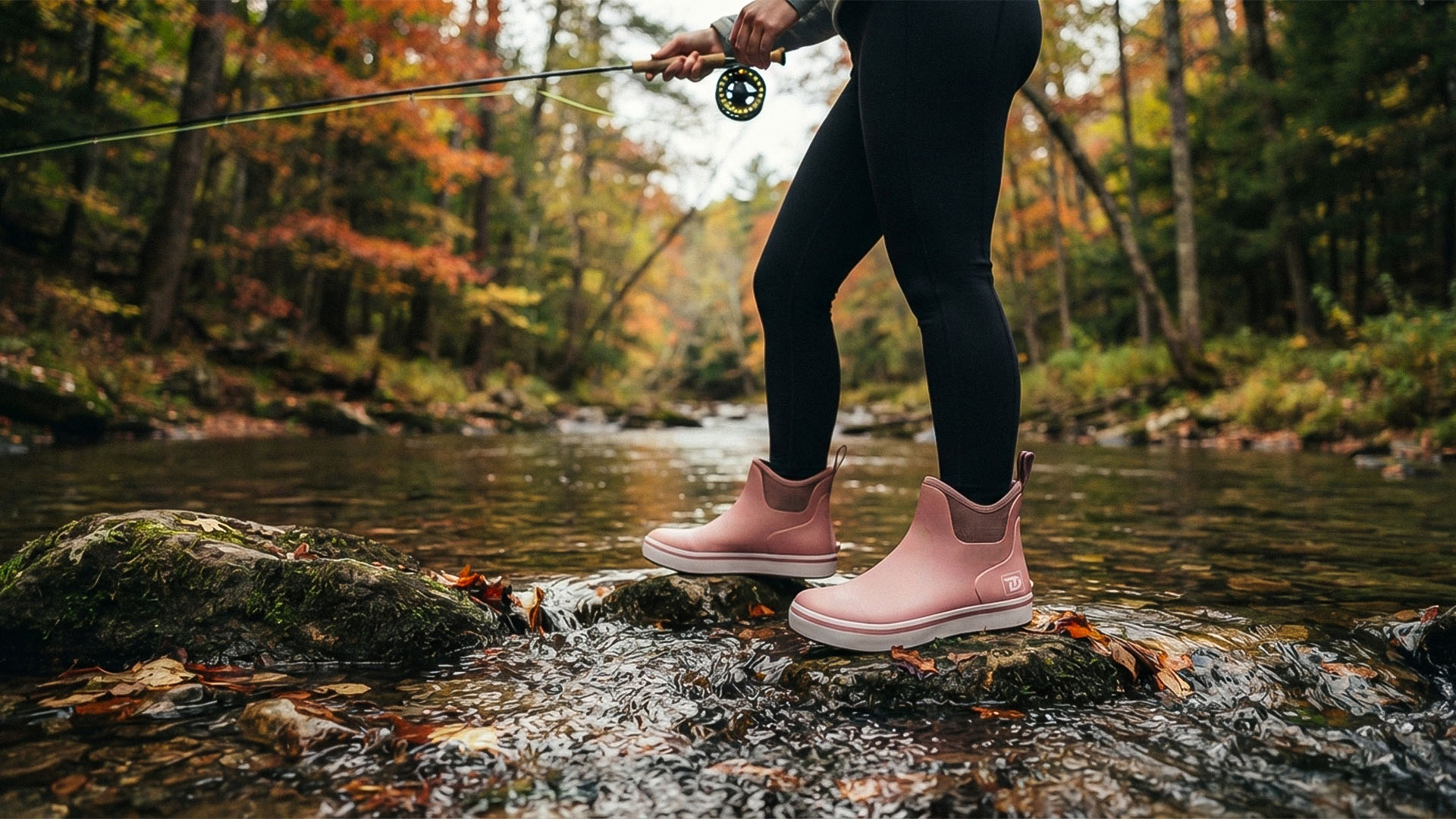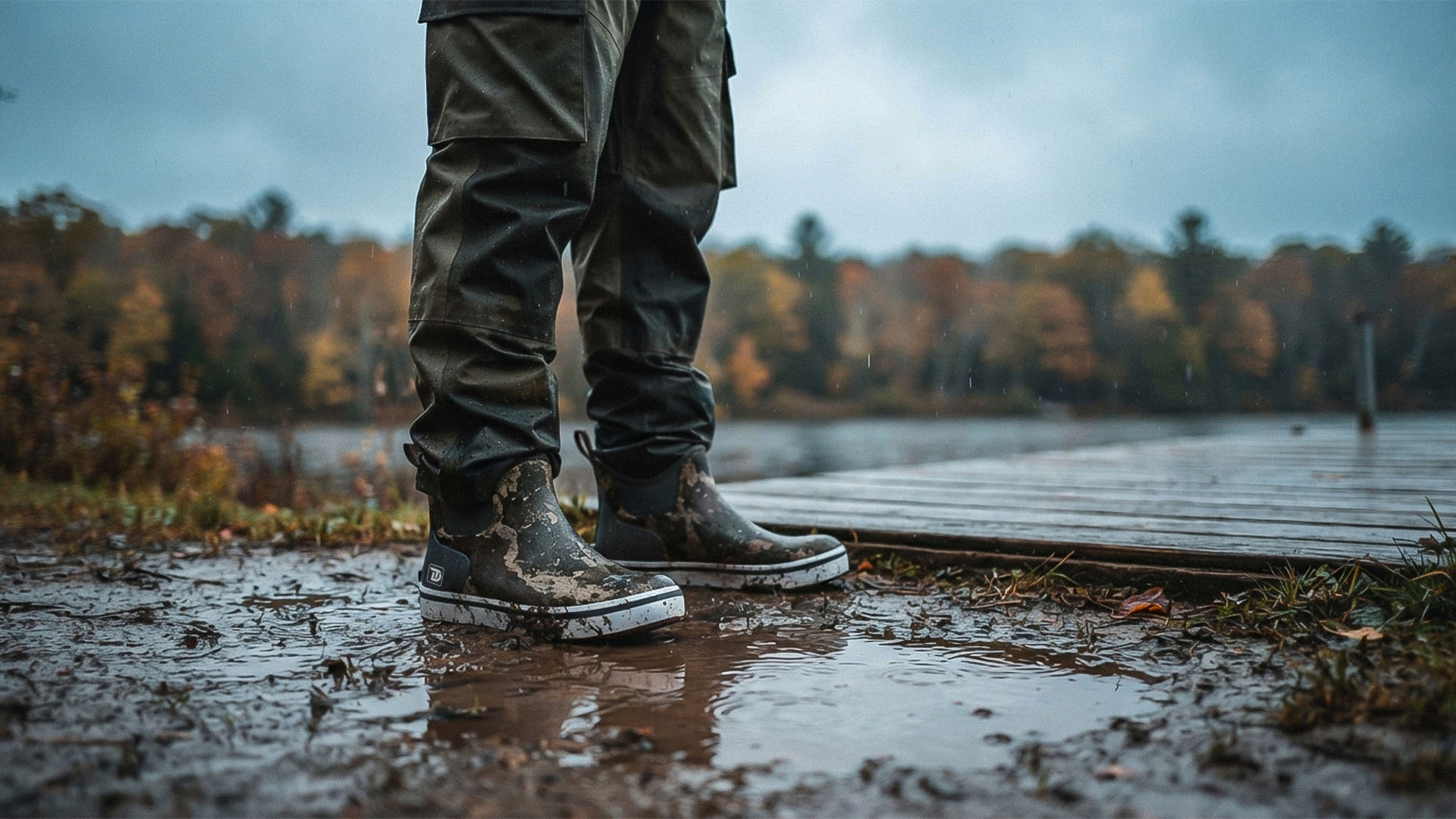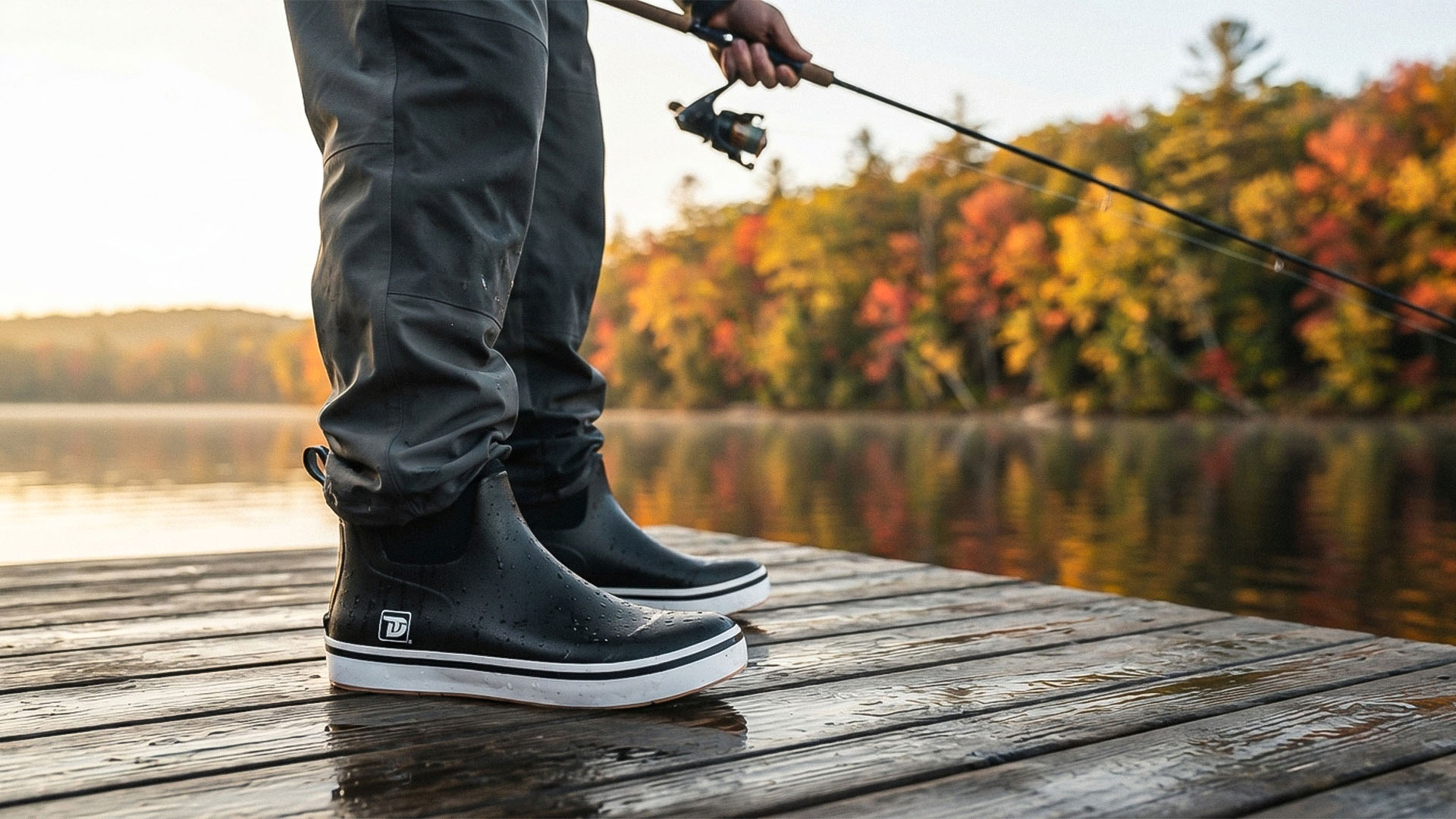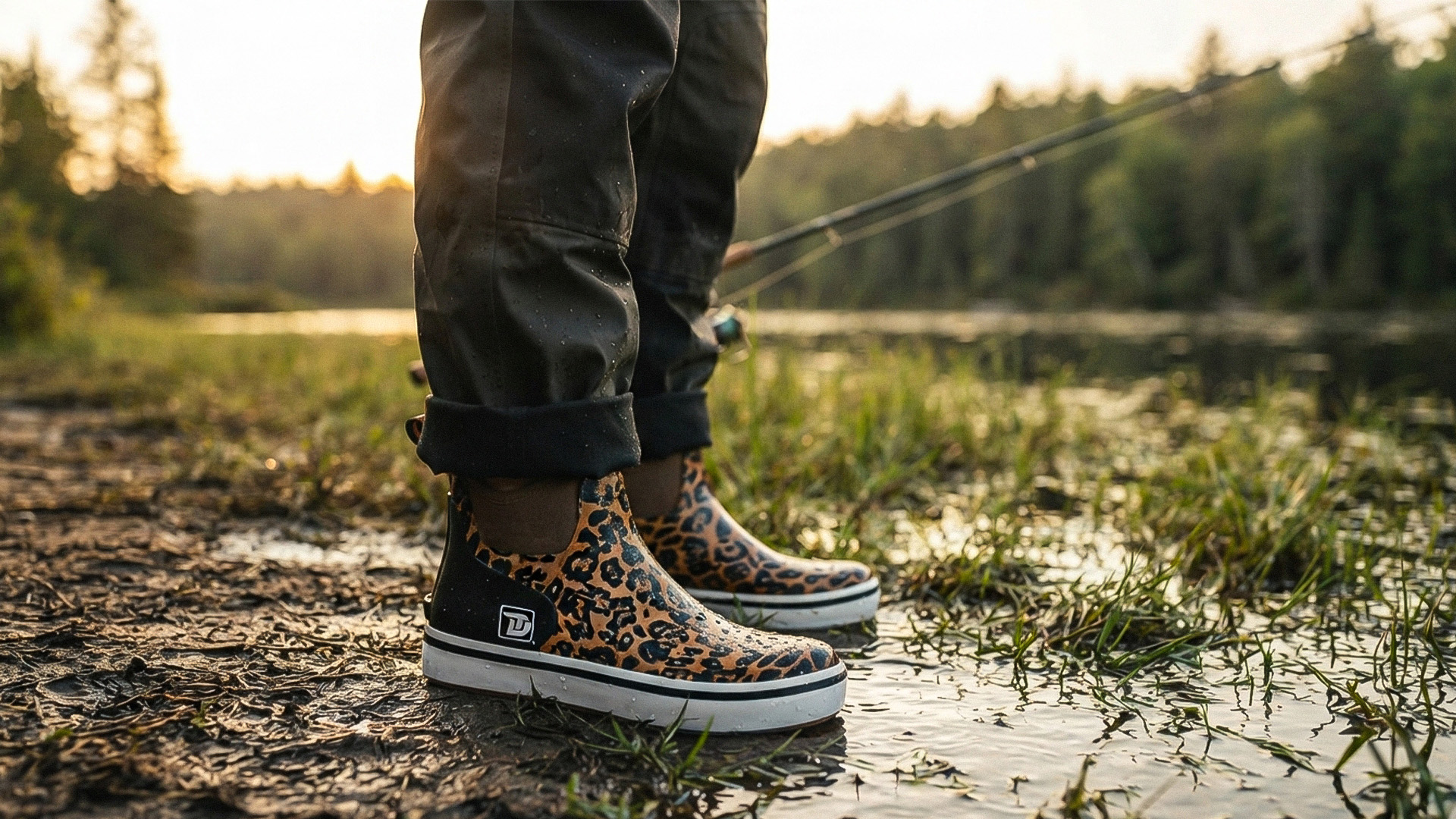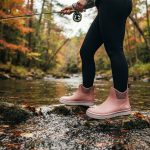
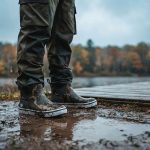
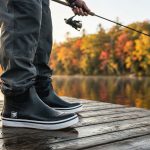
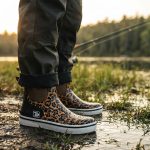
Snook fishing is one of the most exciting forms of inshore fishing in Florida.
Anglers chase these powerful fish around mangrove shorelines, bridges, docks, passes, beaches, seawalls, and tidal creeks. Depending on the day, you may be casting artificial lures, fishing live pilchards, working shrimp around docks, or running from one tidal zone to another.
The weather can be just as demanding.
A calm summer morning may turn into a heavy afternoon rainstorm. Live bait wells splash water across the deck. Fish slime, saltwater, muddy ramps, dock spray, and washdowns can keep your footwear wet even when the air temperature is high.
That creates an important question:
Should you wear breathable fishing shoes or waterproof deck boots for snook fishing?
For many boat-based anglers, lightweight uninsulated ankle deck boots provide an excellent balance of waterproof protection, easy cleaning, secure footing, and all-day comfort.
The key is choosing boots designed for warm-weather marine use rather than heavy cold-weather footwear.
This guide explains how to choose deck boots for snook fishing, when waterproof boots make sense in Florida heat, how live bait and wet decks affect footwear, and when another type of shoe may be better.
Why Snook Fishing Creates Unique Footwear Demands
Snook anglers fish in a wide range of environments.
A single trip may include shallow flats, mangrove shorelines, residential canals, bridges, passes, docks, beaches, and open bays.
Your footwear may encounter saltwater, bait water, fish slime, mud, rain, wet fiberglass, dock surfaces, sand, cooler drainage, livewell overflow, and boat washdowns.
Unlike cold-weather fishing, however, Florida snook fishing often happens in warm or extremely hot conditions.
That means the ideal boot needs waterproof protection without unnecessary insulation.
Why Deck Boots Work Well for Boat-Based Snook Fishing
Deck boots are especially practical for anglers fishing from center consoles, bay boats, skiffs, and flats boats.
They provide waterproof protection from ordinary spray and deck water while giving you closed-toe coverage around rods, hooks, coolers, trolling motors, bait wells, and boat hardware.
They are also easier to clean than fabric sneakers after handling live bait or fish.
For warm-weather inshore fishing, look for lightweight, uninsulated construction rather than tall or heavily insulated rubber boots.
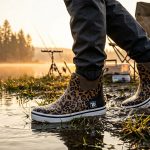
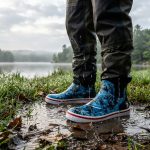
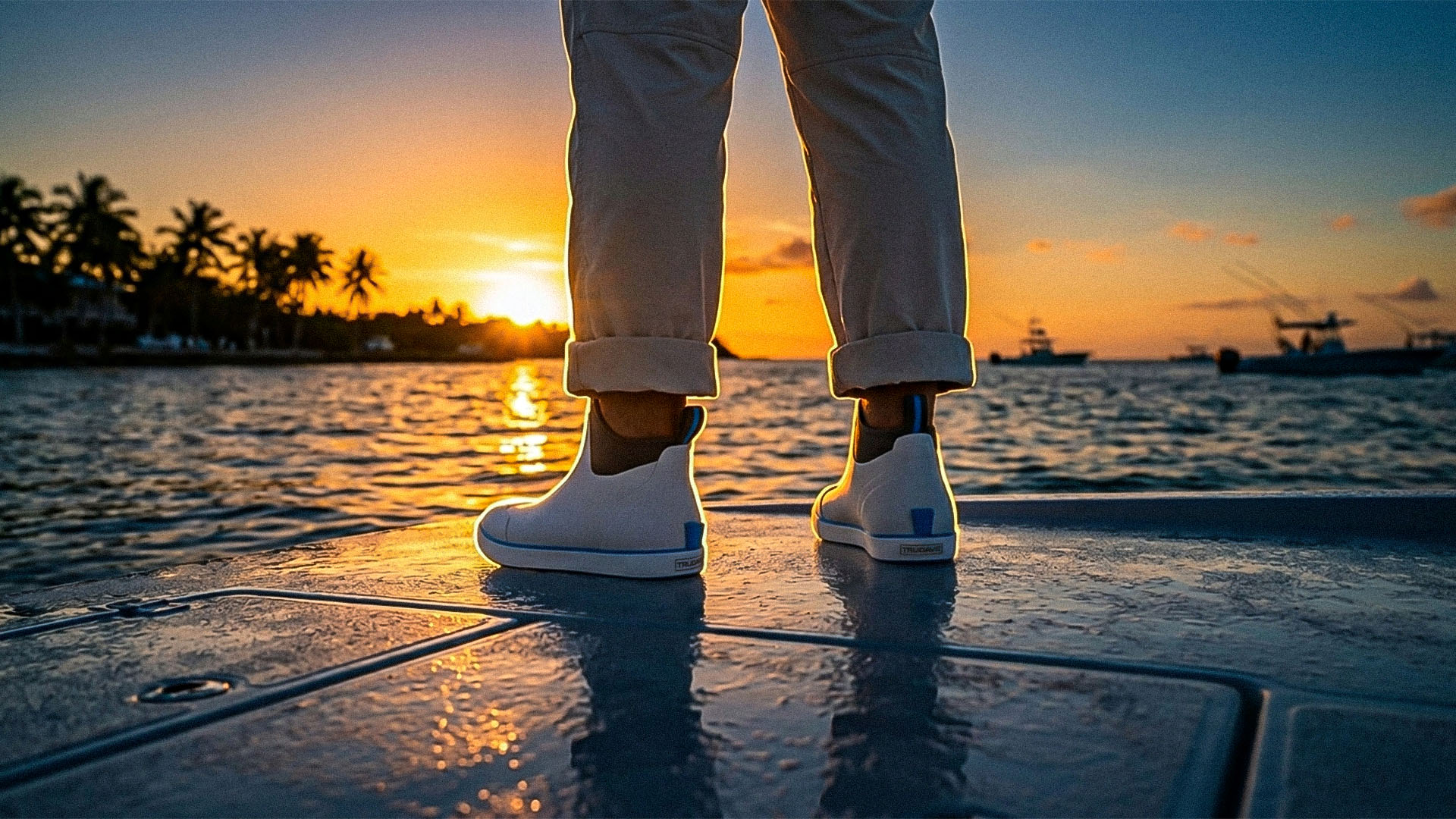
Anglers comparing waterproof marine footwear can evaluate TruDaveGear deck boots alongside other options based on fit, outsole design, cushioning, removable insoles, boot height, and hot-weather comfort.
Florida Heat Changes What You Need From a Deck Boot
Heat is probably the biggest factor when choosing snook fishing footwear.
Florida conditions may include high temperatures, strong sun, and high humidity.
A boot that works perfectly for cold-weather salmon fishing may be uncomfortable during a summer snook trip.
For Florida conditions, prioritize lightweight materials, ankle-height construction, uninsulated design, removable insoles, and moisture-wicking socks.
Avoid buying heavily insulated footwear simply because it looks rugged.
You do not need winter warmth for most snook trips.
Are Deck Boots Too Hot for Snook Fishing?
They can be if you choose the wrong pair.
An uninsulated ankle deck boot is very different from a tall insulated rubber boot.
The lower profile reduces bulk while still protecting your feet from bait water, rain, shallow deck puddles, and washdowns.
Sock choice matters too.
Lightweight synthetic or merino-blend socks can help manage sweat better than cotton.
If the day is extremely hot and completely dry, breathable fishing shoes may still be the more comfortable option.
Summer Rain Makes Waterproof Footwear Valuable
Florida summer weather can change quickly.
A sunny morning may turn into a strong afternoon shower.
When rain hits, fabric fishing shoes may become completely saturated.
Deck boots provide a major advantage because they keep rainwater and shallow deck water away from your socks.
Pair them with lightweight rain pants worn outside the boot openings.
This creates a simple waterproof system that works well during sudden storms.
Keep Rain Pants Outside the Boot Opening
Do not tuck rain pants into deck boots.
If you do, water can run directly down the pant leg and into the boot.
Instead, allow the pant leg to overlap the boot opening.
That lets rainwater flow down the outside.
A waterproof boot can only keep water out below the collar.
Water entering from above becomes trapped inside.
Live Bait Makes Snook Boats Wet
Live bait is extremely common in snook fishing.
Depending on the area and season, anglers may use pilchards, threadfin herring, pinfish, shrimp, or other legal bait.
Live bait systems create additional water around the boat.
Water may spill when bait is transferred, nets are used, bait wells are opened, water overflows, or the boat hits wakes.
Waterproof deck boots prevent small bait-well spills from soaking your footwear.
Pilchards and Bait Residue
Pilchards and similar baitfish can leave scales, slime, and bait water around the deck.
Fabric sneakers may absorb the odor.
Deck boots are easier to rinse.
After fishing, rinse bait residue before it dries.
This is especially important in warm weather because organic residue can develop strong odor quickly.
Shrimp Fishing for Snook
Live shrimp are another popular snook bait in many situations.
Shrimp buckets and bait wells may spill water around your feet.
Waterproof deck boots handle these small spills easily.
They also provide closed-toe coverage around hooks, sinkers, and boat hardware.
For anglers who use live bait frequently, easy-clean footwear becomes much more valuable.
Mangrove Snook Fishing
Mangrove shorelines are classic snook habitat.
Boat anglers may work close to:
- Mangrove edges
- Oyster bars
- Mud banks
- Shallow creeks
- Fallen branches
- Tidal cuts
Footwear inside the boat should remain secure because anglers often need to reposition quickly when a fish runs toward structure.
A loose boot may allow the foot to rotate during side steps or sudden movement.
Look for a secure heel and stable midfoot fit.
Mangrove Mud and Shore Access
Some anglers occasionally step onto muddy shoreline areas or shallow banks.
Deck boots can handle shallow mud well.
However, they are not designed for deep mud or repeated wading.
If mud rises above the boot collar, water and debris may enter.
For serious wading or soft-mud access, taller specialized footwear may be better.
Oyster Bars Require Extra Caution
Snook fishing areas may contain oyster shells.
Standard recreational deck boots are not puncture-resistant oyster boots.
Do not assume a waterproof upper will protect against sharp shell beds.
Deck boots work best inside the boat and around ramps or docks.
If you need to walk extensively over oyster-covered bottom, use footwear designed for that hazard.
Fishing Docks for Snook
Docks are one of the most productive types of snook structure.
Boat anglers may fish around:
- Pilings
- Lights
- Seawalls
- Boat lifts
- Current edges
The deck may become wet from repeated casting, live bait, rain, and fish handling.
A stable waterproof boot helps keep your feet dry while allowing controlled movement around the boat.
Night Snook Fishing
Snook are commonly targeted after dark, especially around dock lights and bridges.
Night fishing increases the importance of secure closed-toe footwear.
You may not immediately see loose lures, leader material, bait water, fish slime, wet areas, or small tackle on the floor.
Good lighting and deck organization are still essential.
No footwear can make a cluttered dark deck safe.
Dock-Light Fishing
Fishing dock lights often requires repeated casting and repositioning.
You may move from the bow to the stern as current direction and boat position change.
Lightweight ankle deck boots work well because they provide enough water protection without feeling bulky.
A secure heel becomes particularly important when casting repeatedly from a small platform.
Bridge Fishing From a Boat
Snook frequently hold around bridge structure.
Fishing these areas may involve strong current and quick boat positioning.
Anglers may need to move quickly when a hooked fish heads toward pilings.
Footwear should provide stable, controlled movement.
Avoid oversized boots that allow the foot to slide inside.
Strong Current and Boat Movement
Passes and bridges can create strong current.
Even on a stable boat, your body may constantly compensate for movement.
Good footwear should have a stable heel platform and secure fit.
A very soft or loose boot may feel comfortable initially but less controlled during active fishing.
Casting Artificial Lures
Many snook anglers prefer artificial lures.
Common approaches include topwaters, soft plastics, jerkbaits, swimbaits, and jigs.
Artificial-lure fishing may involve hundreds of casts during a day.
That means footwear needs to support repeated standing, turning, and weight transfer.
Look for moderate cushioning and a flexible forefoot.
The boot should bend naturally without feeling unstable.
Topwater Snook Fishing
Topwater fishing often means active casting early in the morning or around low-light conditions.
You may spend long periods standing at the bow.
Foot comfort matters.
A supportive footbed can help reduce heel and forefoot fatigue during repeated casting.
Trolling Motor Compatibility
Many inshore anglers use foot-controlled trolling motors.
Your deck boots should allow natural pedal operation.
Look for an ankle-height design with moderate outsole thickness and enough forefoot flexibility.
Before a long trip, test the boots on your actual trolling motor pedal.
A boot that feels fine while walking may feel bulky during precise pedal control.
Flats Boats and Skiffs
Flats boats often have limited deck space.
Low-profile footwear is useful because bulky boots can feel awkward in small cockpits.
For skiffs and flats boats, prioritize lightweight construction and a secure fit.
Tall rain boots are often unnecessary unless weather or water exposure is unusually severe.
Center Console Snook Fishing
Center consoles offer more space but may also expose anglers to more spray.
Waterproof deck boots are useful during runs between fishing locations.
A pair of fabric shoes can gradually become wet from repeated saltwater spray even when there is no heavy rain.
Wet Fiberglass
Fiberglass is common on inshore boats.
It can become slippery when covered with water, fish slime, bait residue, sunscreen, or soap.
A marine-focused outsole should provide broad contact with the deck and channels for water.
However, no boot is completely slip-proof.
Keep the boat clean and avoid allowing bait oil or fish slime to accumulate.
Sunscreen and Wet Decks
Sunscreen is an overlooked traction problem during Florida fishing.
A small amount spilled on fiberglass can create a slick film.
Clean spills promptly.
The best fishing boot cannot fully compensate for a deck coated with sunscreen, fish slime, or bait oil.
Snook Slime
Large snook can leave slime around the fish-handling area.
When practicing catch and release, keep fish handling efficient and minimize unnecessary contact with dry surfaces.
If slime reaches the boat floor, rinse or clean it when safe.
Deck boots can be rinsed easily afterward.
Catch-and-Release Snook Fishing
Many snook anglers release fish depending on season, regulations, and personal preference.
Responsible fish handling should remain the priority.
Your boot should never be used to pin or control a fish.
Keep fish in the water or supported appropriately during handling.
Footwear is for protecting the angler—not restraining the catch.
Large Snook and Boat-Side Movement
A large snook can make powerful runs near the boat.
Anglers may need to reposition around:
- Trolling motor
- Console
- Cooler
- Landing net
- Other anglers
A secure boot helps your foot stay controlled during this movement.
Too much heel slip can become distracting during a fast fight.
Closed-Toe Protection
Boat-based snook fishing involves equipment such as rods, jig heads, sinkers, hooks, landing nets, coolers, and boat cleats.
Closed-toe deck boots provide more basic coverage than sandals.
However, they are not hook-proof.
A sharp jig hook or treble hook can penetrate ordinary recreational footwear.
Keep tackle off the walking surface.
Keep Lures Off the Deck
Snook anglers often use lures with exposed hooks.
Store them in tackle boxes or dedicated holders.
Do not place rods with swinging lures across the floor.
The safest deck is one where hooks never end up near your feet.
Deck Boots vs. Fishing Shoes for Snook Fishing
This is probably the most important comparison.
Deck boots are better when rain, spray, live bait water, muddy ramps, or boat washdowns are expected.
Fishing shoes are better when conditions are extremely hot and dry and maximum ventilation matters.
Many serious Florida anglers can benefit from owning both.
Choose based on the forecast and fishing method rather than trying to make one shoe work every day.
Deck Boots vs. Sneakers
Sneakers work well for casual dry fishing but may absorb saltwater, bait water, fish slime, rain, and mud.
Once wet, they may stay damp for hours.
Deck boots are easier to rinse and do not absorb nearly as much fishing residue.
Deck Boots vs. Flip-Flops
Flip-flops are common in Florida but are not ideal for serious boat fishing.
They offer limited protection and weak heel security.
They can also shift or come off when moving quickly.
Closed-toe deck boots or fishing shoes provide better control during active fishing.
Deck Boots vs. Tall Rain Boots
Tall rain boots offer more coverage but are usually heavier and hotter.
For Florida inshore fishing, ankle deck boots are generally more practical.
Tall boots make more sense for extreme rain, deeper mud, or specialized work.
Warm-Weather Sock Choice
Wear lightweight moisture-wicking socks.
Good materials include synthetic performance fabrics and lightweight merino blends.
Avoid cotton.
Cotton holds sweat and water, which can lead to rubbing and odor in hot weather.
Crew-height socks are particularly useful with ankle deck boots because they extend above the collar.
Why Crew Socks Are Better Than No-Show Socks
No-show socks may expose your ankle directly to the boot collar.
After several hours of casting and moving around the boat, that can lead to rubbing.
Crew socks provide a thin protective layer between the boot and your skin.
Should You Wear Deck Boots Barefoot?
For long fishing days, socks are generally more comfortable.
Barefoot use may increase sweating, friction, odor, and heel rubbing.
A lightweight performance sock manages moisture better and can be washed easily after the trip.
Spare Socks for Florida Fishing
Bring a spare pair of socks in a dry bag.
They take very little space.
They are useful after heavy rain, unexpected spray, water entering over the boot opening, or excessive sweating.
Changing socks during a long summer day can significantly improve comfort.
Boot Height for Snook Fishing
Ankle-height deck boots are usually the best choice for boat-based Florida snook fishing.
They provide enough protection from deck water while reducing bulk and heat.
Mid-height boots may be useful during extended rain or wetter boat conditions.
Tall boots are generally unnecessary for normal recreational inshore fishing.
Lightweight Construction Matters
Hot weather magnifies the difference between a heavy and lightweight boot.
A lighter boot reduces fatigue during repeated casting and movement.
However, extremely light footwear should still provide enough structure for heel stability and underfoot support.
Balance matters more than simply choosing the lightest possible pair.
Cushioning for Long Inshore Days
Snook trips can last from sunrise into the afternoon or from evening through late night.
Look for a footbed with stable cushioning.
You want enough support for long standing without feeling unstable.
Removable insoles are especially useful because they can be replaced when the factory cushioning wears out.
Removable Insoles
This feature is valuable in hot climates.
Removable footbeds allow you to dry sweat more effectively after the trip.
They also help with odor control and allow replacement support.
After fishing, remove the insoles even when the boot never got externally wet.
Humidity and sweat can still collect underneath.
Wide Feet
Wide-footed anglers should choose a boot with genuine forefoot width.
Do not simply size up dramatically.
Extra length may create heel slip and poor control.
Look for a wide toe box combined with a secure heel.
High Instep
Some pull-on boots can feel tight across high insteps.
Signs include top-of-foot pressure, numbness, and difficulty entering or removing the boot.
Choose a boot with sufficient internal volume rather than expecting molded waterproof materials to stretch significantly.
Heel Slip
Some heel movement is normal in pull-on boots.
Excessive movement can cause blisters, sock sliding, toe gripping, and instability.
Test new boots with side steps, stairs, squatting, and turning before taking them fishing.
Muddy Florida Boat Ramps
Summer rain can turn launch areas muddy quickly.
Deck boots work well for shallow mud, puddles, wet grass, and trailer work.
Before stepping onto the boat, rinse heavy mud from the outsole.
Mud reduces traction and can scratch or dirty boat surfaces.
Algae-Covered Ramps
Submerged ramps may develop slippery algae.
No deck boot should be considered completely safe on these surfaces.
Move slowly and avoid unnecessary steps into the water.
Use handholds when available.
Dock Use
Deck boots also work well when snook fishing from docks or marinas during rain.
They protect against wet boards, shallow puddles, and bait water.
However, algae-covered dock edges can remain extremely slippery.
Always pay attention to the surface.
Wading for Snook
Standard ankle deck boots are generally not the ideal choice for serious wading.
Wading may involve water above the boot opening, sand, shells, rocks, and other underwater hazards.
Use footwear designed for the local wading environment.
A waterproof deck boot is waterproof only until water enters from the top.
Beach Snook Fishing
Beach snook anglers often need footwear very different from boat anglers.
Depending on conditions, many may prefer lightweight fishing shoes, water shoes, sandals designed for fishing, or other beach-appropriate footwear.
Deck boots can feel hot and may fill with sand or water if used in the surf zone.
This guide focuses primarily on boat-based snook fishing.
Cleaning Snook Slime From Deck Boots
After the trip, rinse the boots with fresh water.
If fish slime remains, use mild soap and a soft or medium brush.
Pay attention to the toe, sidewalls, heel, and outsole.
Rinse all soap away before drying.
Cleaning Live Bait Residue
Bait water and fish scales can create odor if left on footwear.
Rinse the boots soon after fishing.
If oily residue remains, use mild soap.
Do not leave dirty boots in a hot Florida vehicle.
Heat makes bait odor significantly worse.
Saltwater Care
After every saltwater trip, rinse deck boots with fresh water.
Focus on the outsole, sidewalls, pull tabs, heel, and collar.
Routine freshwater rinsing helps prevent salt residue from building up.
Drying in Humid Weather
Florida humidity can slow drying.
After fishing, remove the insoles and open the boots.
Place them somewhere with good airflow.
A fan can help.
Avoid aggressive high heat.
Avoid High Heat
Do not dry deck boots using clothes dryers, heat guns, radiators, open flames, or very hot surfaces.
High heat may damage foam, adhesives, waterproof materials, and boot shape.
Gentle airflow is safer.
Do Not Leave Boots in a Hot Car
A closed Florida vehicle can become extremely hot.
Leaving damp fishing boots inside can worsen odor and place unnecessary stress on materials.
Take the boots out when you get home.
Rinse, remove the insoles, and dry them properly.
Clean Shoes for the Drive Home
Bring a clean pair of lightweight shoes or sandals for the drive home.
Store wet deck boots in a washable tray or plastic tote.
This keeps saltwater, mud, fish slime, and bait residue away from your vehicle carpet.
Best Deck Boot Features for Snook Fishing
The strongest warm-weather snook boot setup includes waterproof construction, lightweight ankle height, uninsulated materials, a stable marine outsole, secure heel fit, comfortable cushioning, removable insoles, easy-clean surfaces, and enough toe room for lightweight performance socks.
Those features address the conditions that boat-based snook anglers encounter most frequently without adding unnecessary cold-weather bulk.
Snook Fishing Footwear Checklist
Before the trip, check the weather, inspect outsole tread, confirm your boots are dry, choose lightweight moisture-wicking socks, pack a spare pair of socks, bring rain gear when appropriate, secure hooks and lures, and bring clean driving shoes.
After fishing, rinse saltwater, remove bait residue, clean fish slime, brush the outsole, remove the insoles, and allow everything to dry completely.
Common Snook Fishing Footwear Mistakes
The most common mistakes include wearing heavily insulated boots in Florida heat, wearing cotton socks, buying boots too loose, using ankle deck boots for deep wading, leaving hooks on the deck, allowing live bait residue to dry on footwear, ignoring muddy outsole grooves, wearing rain pants inside the boot opening, and storing damp boots in a hot vehicle.
Each of these problems is easy to avoid with a little preparation.
Final Thoughts
Snook fishing combines warm weather, saltwater, live bait, sudden rain, wet boat decks, and active casting in a way that makes footwear selection surprisingly important.
For most boat-based Florida snook anglers, lightweight uninsulated ankle deck boots provide an excellent combination of waterproof protection, easy cleaning, secure fit, and all-day comfort.
Choose boots with a stable marine outsole, secure heel, flexible forefoot, removable insoles, and enough cushioning for hours of casting.
Wear lightweight synthetic or merino-blend socks instead of cotton.
Keep rain pants outside the boot openings so water runs down the exterior.
If conditions are extremely hot and dry, breathable fishing shoes may still be more comfortable.
If the trip involves serious wading, oyster beds, or surf fishing, choose specialized footwear instead of forcing deck boots into a job they were not designed to perform.
After fishing, rinse saltwater and live bait residue, clean fish slime, brush the tread, remove the insoles, and dry everything with good airflow.
The best snook fishing footwear should disappear into the background while you focus on tides, mangrove edges, dock lights, current, and that explosive strike from a fish buried under structure.
Frequently Asked Questions
Are deck boots good for snook fishing?
Yes. Deck boots are especially useful for boat-based snook fishing involving rain, spray, live bait, wet decks, and muddy ramps.
What boots should I wear for Florida snook fishing?
Lightweight uninsulated ankle deck boots are a strong option for many boat-based trips.
Are deck boots too hot for Florida fishing?
Heavy insulated boots can be too hot, but lightweight uninsulated ankle deck boots are much more suitable for warm conditions.
Are deck boots good for mangrove fishing?
Yes when fishing from a boat. They provide waterproof protection and secure footing without excessive bulk.
Can I wear deck boots for wading around mangroves?
They are not ideal for deep wading. Once water rises above the boot opening, it enters and remains trapped.
Are deck boots safe around oyster bars?
Standard deck boots are not puncture-resistant oyster footwear. Use specialized footwear if walking across shell-covered bottom.
What socks should I wear with deck boots in Florida?
Wear lightweight synthetic or merino-blend moisture-wicking socks. Avoid cotton.
Can I wear deck boots barefoot?
You can, but lightweight socks generally reduce sweating, friction, odor, and heel rubbing.
Are deck boots good for live bait snook fishing?
Yes. They are easy to rinse after bait-well water, scales, slime, and bait residue.
Are deck boots good for night snook fishing?
Yes. Secure closed-toe footwear is useful around dark boat decks, dock lights, tackle, and wet surfaces.
Can I use deck boots with a trolling motor?
Yes. Choose lightweight ankle boots with a flexible forefoot and test them with your pedal system.
Are deck boots better than sneakers for snook fishing?
They are generally better in wet conditions. Sneakers may be more comfortable during very hot, dry trips.
Are deck boots better than fishing shoes?
Deck boots provide better waterproofing and easier cleanup. Fishing shoes provide more ventilation and drainage.
Should rain pants go inside deck boots?
No. Keep rain pants outside the boot opening so water runs down the exterior.
How do I clean live bait smell from deck boots?
Rinse promptly with fresh water, use mild soap when needed, brush the outsole, remove the insoles, and dry everything completely.
How do I clean snook slime from fishing boots?
Rinse the boots, use mild soap if necessary, brush affected areas, rinse thoroughly, and air dry.
Should snook fishing deck boots have removable insoles?
Yes. Removable insoles improve drying, odor control, support replacement, and hot-weather comfort.
What is the biggest footwear mistake in snook fishing?
Wearing heavy insulated or absorbent footwear in hot, wet Florida conditions—or using short deck boots for deep wading and shell-heavy environments—are among the most common mistakes.