Meta Description: Going on your first fishing charter? Learn what to wear, which shoes to choose, what rain gear to pack, and how to stay comfortable during a full day at sea.
Suggested URL Slug: what-to-wear-on-a-fishing-charter
Primary Keyword: what to wear on a fishing charter
Secondary Keywords: fishing charter outfit, what shoes to wear on a fishing charter, deep sea fishing clothes, first fishing charter checklist, fishing charter footwear, what to wear deep sea fishing
Search Intent: Informational
Booking your first fishing charter is exciting.
You may be thinking about the species you could catch, the equipment the captain will provide, and how far offshore the boat will travel.
Clothing often becomes an afterthought.
That can be a mistake.
A fishing charter may involve strong sun, cool early-morning temperatures, wind, ocean spray, rain, wet decks, fish slime, and several hours of standing. Conditions at the marina can feel completely different from conditions ten or twenty miles offshore.
The right outfit helps you stay comfortable and focus on fishing.
The wrong outfit can leave you dealing with wet socks, sunburn, cold wind, slippery footwear, or clothing that takes hours to dry.
This guide explains what to wear on a fishing charter, what shoes work best, and what first-time passengers should pack for a comfortable day at sea.
Ask the Charter Captain Before You Pack
Every charter boat is different.
Some provide rain gear, drinking water, tackle, bait, coolers, and fish-cleaning services. Others expect passengers to bring more of their own equipment.
Before the trip, ask the captain or charter company:
- What clothing do you recommend?
- Are there footwear restrictions?
- Are dark-soled shoes allowed?
- Is rain gear provided?
- Is there dry storage onboard?
- Should passengers bring food and drinks?
- Is fishing tackle included?
- Are licenses covered?
- How long will the trip last?
- How far offshore will the boat travel?
Charter operators know the vessel and local conditions better than anyone.
Follow their instructions even when they differ from general advice.
Dress in Layers
Layering is the most reliable way to prepare for changing conditions.
A charter may begin before sunrise when the air feels cool and damp. The boat ride offshore can create strong wind exposure. Later, the sun may make the same clothing feel too warm.
Instead of wearing one heavy jacket, use several lighter layers.
A practical system includes:
- Moisture-wicking base layer
- Lightweight insulating layer
- Waterproof or wind-resistant outer shell
Layers can be removed gradually as the day becomes warmer.
Base Layer: Start With Quick-Drying Clothing
Your base layer should help move moisture away from your skin.
Good options include:
- Lightweight performance fishing shirt
- Synthetic athletic shirt
- Lightweight merino wool shirt
- Long-sleeve sun shirt
Avoid heavy cotton whenever possible.
Cotton absorbs sweat, spray, and rain. Once wet, it can remain damp for hours.
A quick-drying long-sleeve shirt provides both moisture control and sun protection.
Mid Layer: Bring Light Insulation
Even in warm climates, the ride offshore may feel cold.
A lightweight mid layer can provide enough warmth without taking up much space.
Suitable options include:
- Lightweight fleece
- Performance hoodie
- Thin synthetic jacket
- Insulated vest
The mid layer should fit underneath your rain shell without restricting movement.
Avoid bulky garments with loose cords or oversized fabric that may catch on fishing equipment.
Outer Layer: Protect Against Wind, Rain, and Spray
A waterproof or water-resistant shell is useful on almost every offshore charter.
Even when rain is not forecast, ocean spray can soak ordinary clothing.
A practical fishing jacket should offer:
- Wind resistance
- Water protection
- Adjustable cuffs
- Secure hood
- Enough room for layers
- Easy arm movement
- Packable construction
For rough conditions or extended rain, waterproof bib pants may provide additional protection.
What Shirt Should You Wear on a Fishing Charter?
A lightweight long-sleeve fishing shirt is usually the best choice.
It provides coverage from the sun while remaining more comfortable than a heavy cotton shirt.
Look for:
- Quick-drying fabric
- Breathable construction
- Loose but secure fit
- Long sleeves
- Comfortable collar
- Minimal hanging straps
- Sun-protective coverage
Short-sleeve shirts can work, but they leave more skin exposed.
If you choose short sleeves, apply sunscreen carefully and reapply during the trip.
Should You Wear Shorts or Pants?
Both can work, depending on the weather.
Wear Fishing Shorts When:
- Conditions are hot
- The trip is relatively short
- Rain is unlikely
- Sun protection can be maintained
- The boat has limited spray
Wear Lightweight Fishing Pants When:
- The trip lasts all day
- Sun exposure is strong
- The weather is cool
- Insects may be present at the marina
- More protection from equipment is useful
- Rain or spray is expected
Quick-drying pants usually provide the most flexibility.
Avoid jeans.
Denim becomes heavy, stiff, and uncomfortable when wet.
What Shoes Should You Wear on a Fishing Charter?
Footwear is one of the most important parts of your charter outfit.
Fishing boat decks may become wet from rain, spray, bait, fish slime, and washdowns.
Your shoes should fit securely and provide traction on wet surfaces.
Common options include:
- Waterproof ankle deck boots
- Closed-toe fishing shoes
- Quick-drying water shoes
- Boat shoes
- Lightweight rubber boots
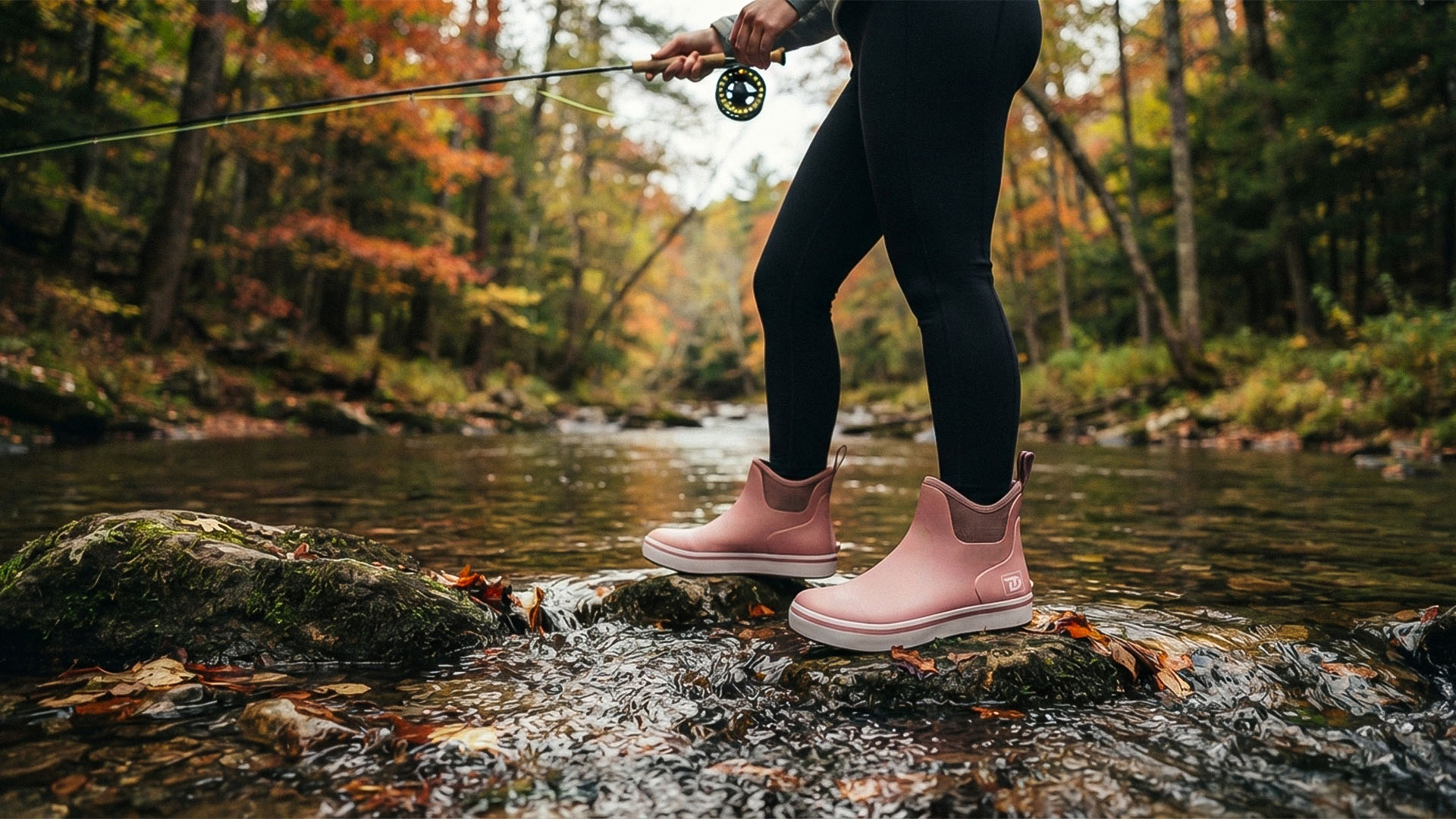
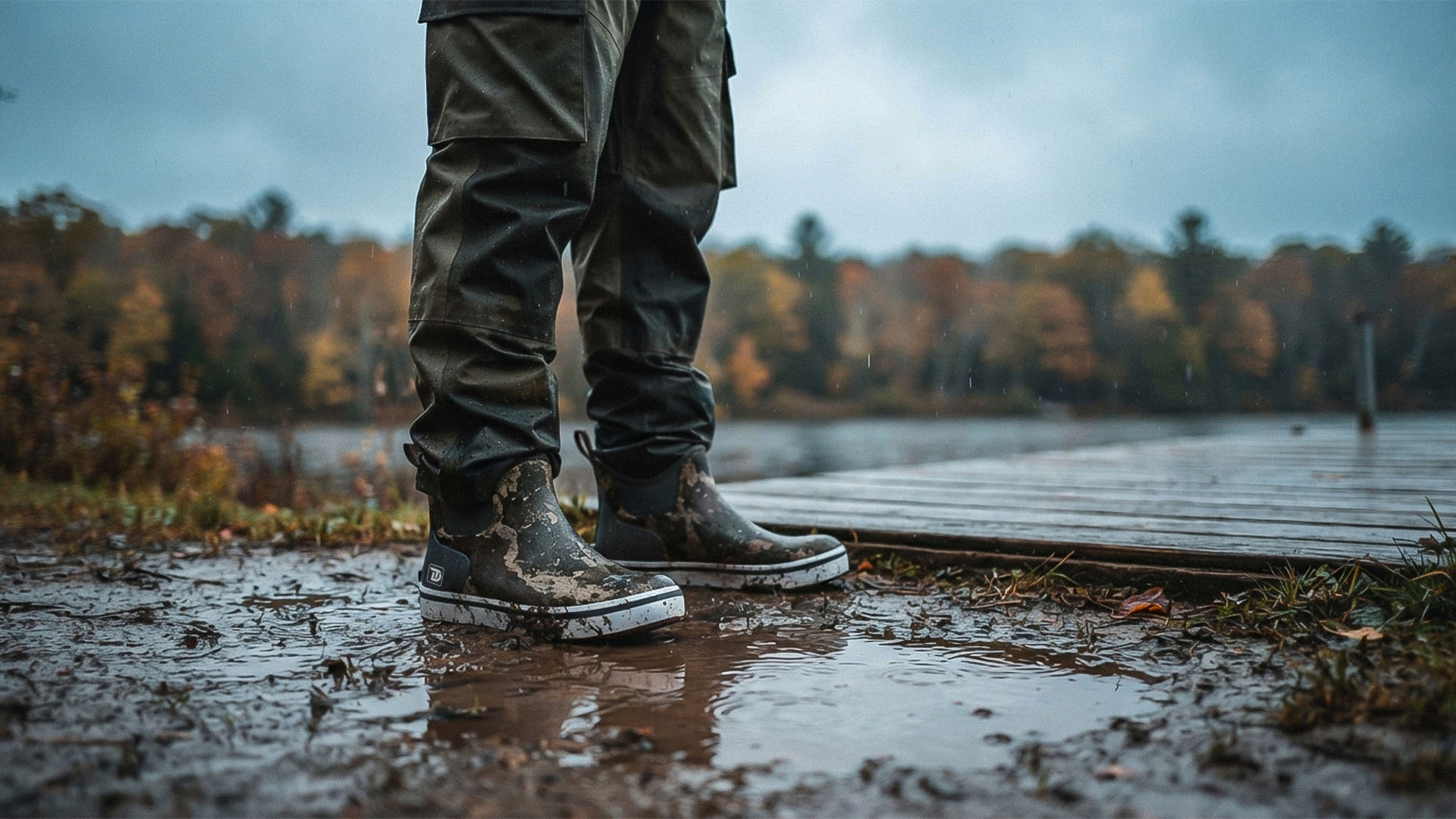
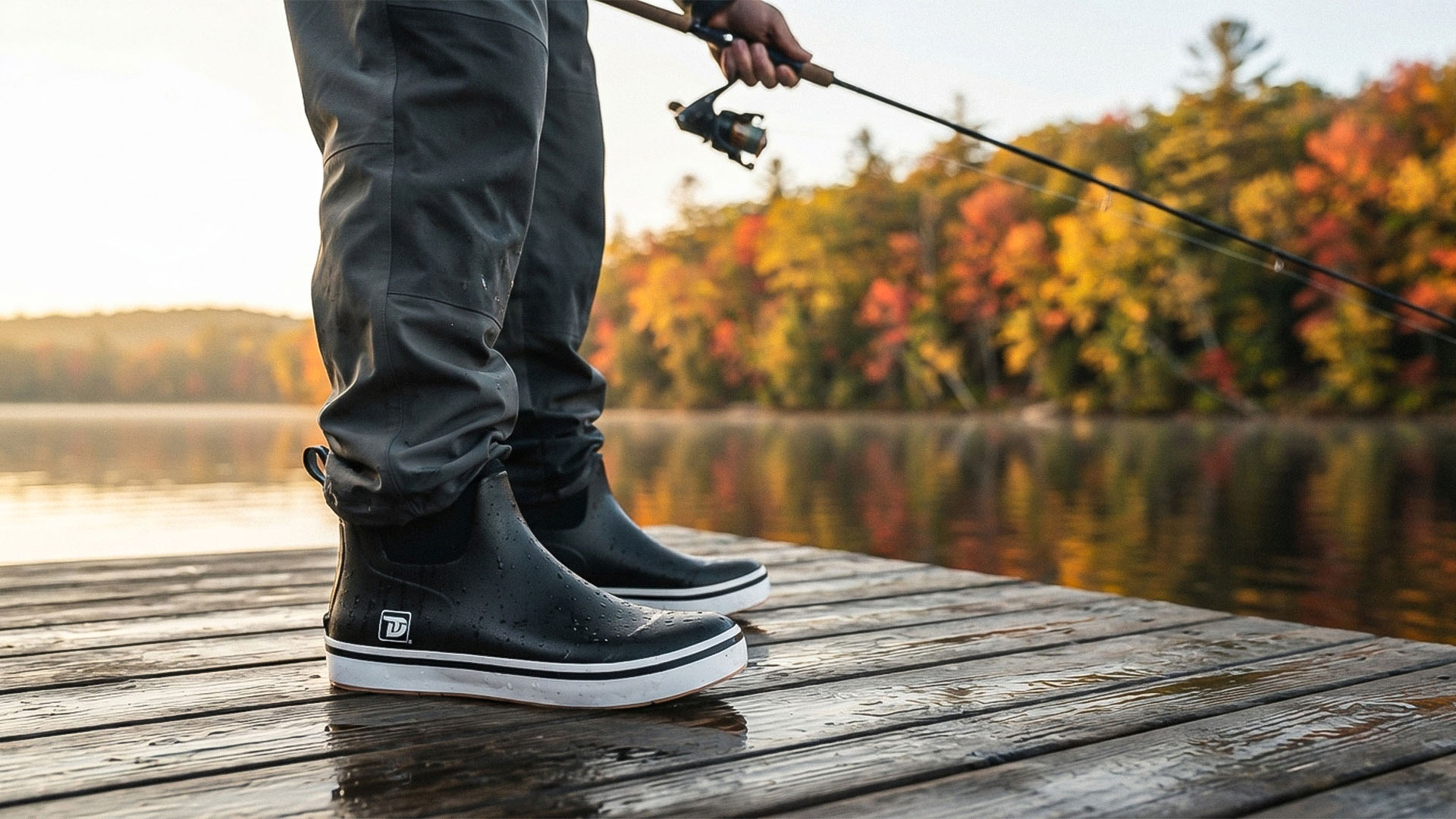
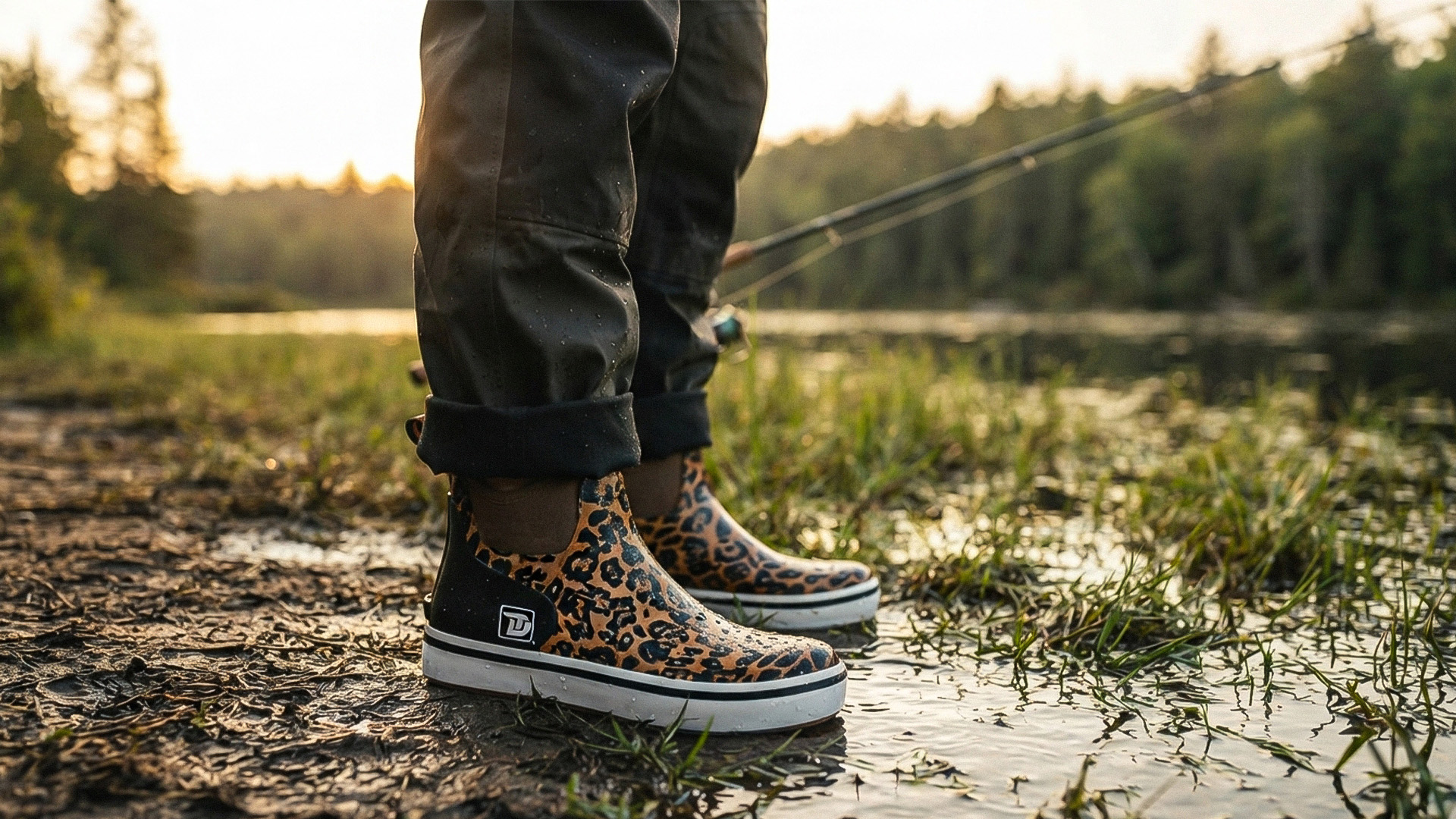
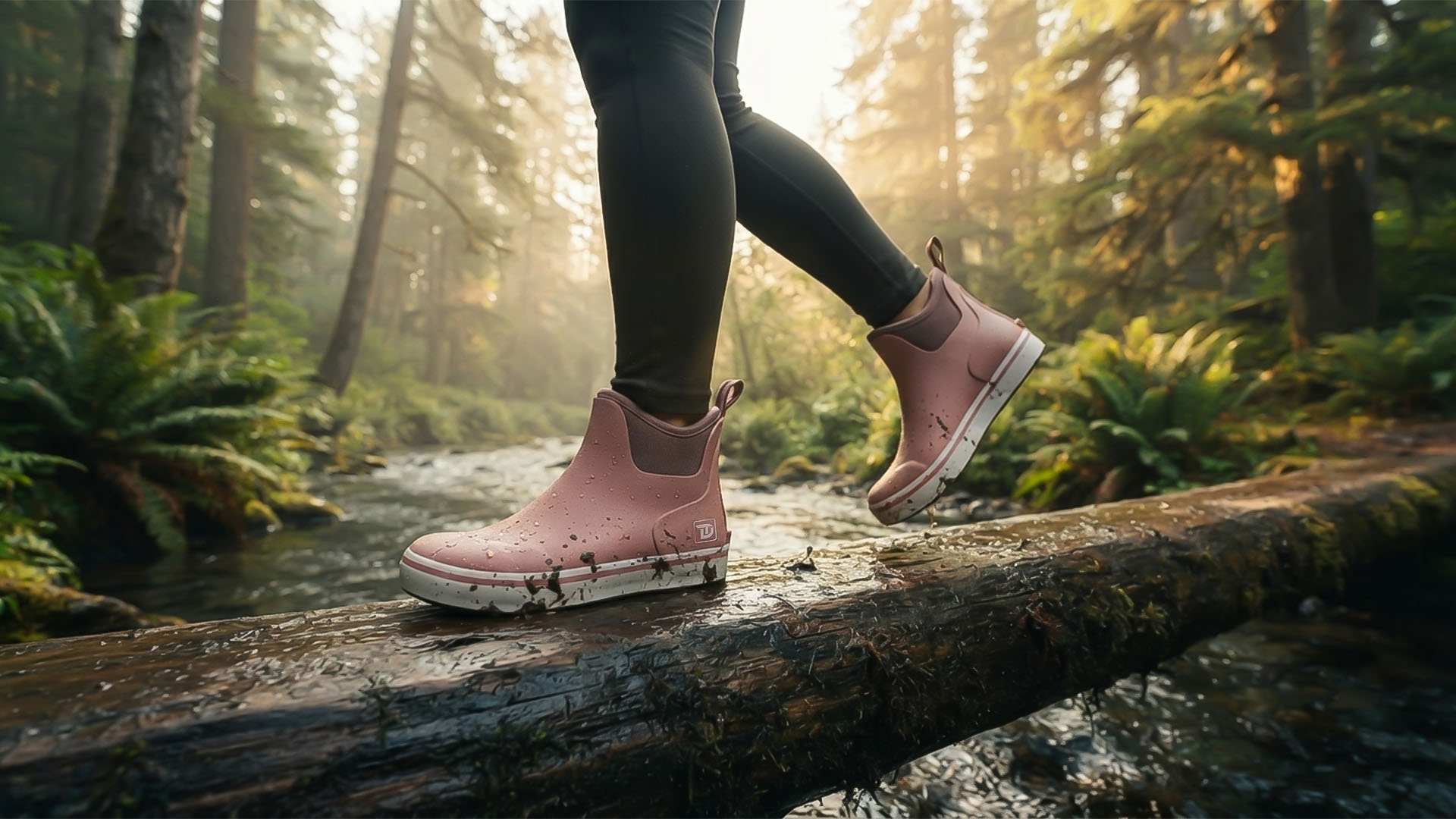
For full-day offshore trips, waterproof ankle deck boots are often one of the most practical choices.
They protect feet from spray, shallow standing water, and deck washdowns without the bulk of tall commercial fishing boots.
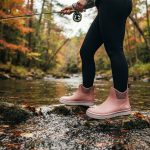
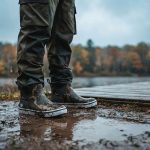
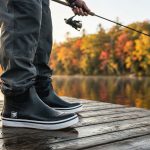
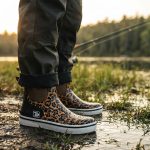
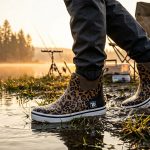
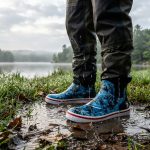
First-time charter guests comparing water-ready footwear can review [TruDaveGear waterproof deck boots] alongside other fishing-focused options.
Choose footwear based on traction, fit, comfort, weight, and the conditions expected during the trip.
Why Deck Boots Work Well on Charters
Ankle deck boots are popular because they offer a balance of protection and mobility.
They are useful for:
- Wet boat decks
- Rain
- Ocean spray
- Fish slime
- Deck washdowns
- Cool morning departures
- Long periods of standing
They are generally easier to put on and remove than tall rubber boots.
They also take up less storage space.
The main limitation is boot height.
Water can enter if it rises above the opening or runs down the inside of rain pants.
Are Sneakers Acceptable on a Fishing Charter?
Some charter operators allow sneakers.
However, ordinary athletic shoes may not be ideal.
Many absorb water quickly and take hours to dry. Their outsoles may also provide limited traction on wet fiberglass.
Sneakers may be acceptable when:
- The weather is dry
- The trip is short
- The operator approves them
- They have clean, non-marking soles
- Water exposure is expected to be minimal
Bring waterproof footwear when rain, offshore spray, or regular washdowns are likely.
Can You Wear Sandals or Flip-Flops?
Flip-flops are generally a poor choice for active fishing.
They provide limited stability, traction, and protection.
Exposed feet may be injured by:
- Fishing hooks
- Fish spines
- Knives
- Dropped tackle
- Coolers
- Hot deck surfaces
- Sun exposure
Secure fishing sandals may be acceptable on some warm-weather charters, but closed-toe footwear usually provides better protection.
Ask the captain about footwear rules before the trip.
Choose Non-Marking Soles
Some boats require clean, non-marking footwear.
Dark rubber compounds can leave marks on certain deck surfaces.
Do not assume every pair of outdoor shoes is boat-friendly.
Check with the charter operator.
Arrive with clean soles free from mud, oil, gravel, and debris.
Dirty shoes can damage the deck and create additional slipping hazards.
Wear Appropriate Socks
Socks affect comfort inside fishing footwear.
For warm conditions, choose lightweight synthetic or thin merino-blend socks.
For cool conditions, medium-weight merino wool socks can provide insulation.
Avoid cotton socks during long trips.
Cotton absorbs moisture and dries slowly.
Bring at least one spare pair in a waterproof bag.
Wet socks can make the rest of the trip uncomfortable even when the weather improves.
Bring a Waterproof Jacket
A compact waterproof jacket belongs in almost every charter bag.
Weather can change.
The boat may travel through spray.
Wind can make cool temperatures feel colder.
The jacket should be easy to put on without removing other equipment.
Do not wait until your clothing is soaked before using it.
Once base layers become wet, staying warm becomes more difficult.
Do You Need Waterproof Bibs?
Waterproof bib pants are useful for:
- Full-day offshore trips
- Rough seas
- Heavy spray
- Persistent rain
- Cold conditions
- Boats that require frequent washdowns
They may be unnecessary during short trips in warm, calm weather.
Ask the charter captain whether bibs are recommended.
When wearing bibs with deck boots, the pant legs should normally overlap the outside of the boot openings.
This helps direct water away from your feet.
Sun Protection Is Essential
Sun exposure offshore can be stronger than expected.
Water reflects sunlight upward, and wind may prevent you from noticing how quickly your skin is burning.
Bring:
- Broad-spectrum sunscreen
- Long-sleeve fishing shirt
- Hat
- Polarized sunglasses
- Neck gaiter
- Lip protection
Apply sunscreen before leaving the dock.
Reapply according to the product instructions.
Pay attention to:
- Ears
- Back of the neck
- Hands
- Lower legs
- Tops of feet
- Under the chin
Do not assume cloud cover provides enough protection.
Wear a Secure Hat
A hat protects the face and head from sun exposure.
Popular choices include:
- Fishing cap
- Baseball cap
- Wide-brim sun hat
- Lightweight performance hat
Make sure it fits securely.
Wind generated by boat speed can remove a loose hat immediately.
A chin strap or hat retainer may be useful.
Avoid wearing a valuable hat that you would be upset to lose.
Bring Polarized Sunglasses
Polarized sunglasses reduce glare and improve comfort on the water.
They may also help you see:
- Baitfish
- Floating debris
- Weed lines
- Fish near the surface
- Changes in water color
Use a retainer strap.
Store the glasses in a protective case before and after use.
Bring an inexpensive backup pair when possible.
Consider a Neck Gaiter
A lightweight neck gaiter can serve several purposes.
It can protect the neck and lower face from sun, wind, and spray.
During cool boat rides, it can also be pulled over the ears or lower face.
Choose a breathable, quick-drying material.
Heavy winter gaiters may become uncomfortable during warm-weather trips.
Bring Gloves When Appropriate
Fishing gloves are optional for many charter customers, but they can be useful.
Possible options include:
- Lightweight sun gloves
- Fish-handling gloves
- Thin cold-weather gloves
- Waterproof gloves
- Fingerless fishing gloves
Ask the crew before handling fish.
Some species have sharp teeth, rough skin, or dangerous spines.
The crew may prefer to handle the catch for safety.
Prepare for Motion Sickness
Clothing cannot prevent seasickness, but preparation can make the trip easier.
Consider bringing:
- Appropriate motion sickness medication
- Water
- Light snacks
- Sunglasses
- Small towel
- Sealable bags
- Spare shirt
Some medications work best when taken before departure.
Follow the product instructions and consider possible side effects.
Stay in fresh air and look toward the horizon if you begin feeling unwell.
Avoid wearing tight or overly warm clothing that increases discomfort.
Pack Spare Dry Clothing
Keep backup clothing inside a waterproof dry bag.
At minimum, bring:
- Dry shirt
- Spare socks
- Lightweight towel
For cold or full-day trips, consider adding:
- Extra base layer
- Lightweight pants
- Warm hat
- Gloves
A single wave or rain shower can soak clothing unexpectedly.
Dry backup items can make the ride home much more comfortable.
Use a Small Soft-Sided Bag
Space on charter boats is limited.
Bring a small soft-sided bag or compact dry bag rather than a large hard suitcase.
Pack only what you expect to use.
Useful items include:
- Rain jacket
- Spare socks
- Sunscreen
- Sunglasses case
- Personal medication
- Snacks
- Water
- Phone
- Towel
- Dry shirt
Keep the bag closed when not in use.
Loose items may blow away or become wet.
What Not to Wear on a Fishing Charter
Avoid clothing and footwear that create unnecessary problems.
Heavy Jeans
They become uncomfortable and take a long time to dry.
Expensive Clothing
Fishing involves blood, bait, saltwater, and fish slime.
Wear clothing that can get dirty.
Loose Jewelry
Jewelry may catch on equipment or become lost.
Open Flip-Flops
They provide limited protection and stability.
Smooth-Soled Shoes
They may become slippery on wet decks.
Oversized Clothing
Loose fabric can catch on rods, hooks, handles, and other equipment.
Heavy Winter Coats in Mild Conditions
A layering system provides more flexibility.
Brand-New Uncomfortable Shoes
Break in footwear before wearing it for a full-day trip.
What to Wear on a Half-Day Charter
A half-day trip usually requires less clothing than a full-day offshore excursion.
A basic outfit may include:
- Long-sleeve fishing shirt
- Quick-drying shorts or pants
- Waterproof jacket
- Secure fishing footwear
- Hat
- Polarized sunglasses
- Lightweight socks
Still bring sunscreen and a spare dry layer.
Short trips can become wet or windy quickly.
What to Wear on a Full-Day Charter
For a full day at sea, prepare for more temperature and weather changes.
Bring:
- Moisture-wicking base layer
- Lightweight mid layer
- Waterproof shell
- Quick-drying pants
- Deck boots
- Appropriate socks
- Hat
- Neck gaiter
- Polarized sunglasses
- Spare clothing
- Waterproof bibs when recommended
Comfort becomes more important as trip length increases.
Choose cushioned footwear and clothing that does not restrict movement.
What to Wear on an Overnight Charter
Overnight trips require additional layers and backup clothing.
Temperatures may drop significantly after sunset.
Pack:
- Thermal base layer
- Insulating jacket
- Waterproof shell
- Long pants
- Warm socks
- Deck boots
- Warm hat
- Gloves
- Multiple dry shirts
- Additional underwear
- Sleep clothing where appropriate
Ask the charter operator about sleeping arrangements, storage, and bedding.
Space may be highly limited.
What to Wear on a Tropical Fishing Charter
Hot-weather charters require sun protection and moisture control.
Wear:
- Lightweight long-sleeve shirt
- Quick-drying shorts or pants
- Thin synthetic socks
- Lightweight deck boots or fishing shoes
- Hat
- Sunglasses
- Neck gaiter
Bring a rain shell for tropical showers.
Avoid heavily insulated boots and thick clothing.
Hydration is especially important.
What to Wear on a Cold-Water Charter
Cold-water fishing requires more insulation.
Wear:
- Thermal base layer
- Fleece or synthetic mid layer
- Waterproof outer shell
- Waterproof bibs
- Long fishing pants
- Merino wool socks
- Insulated or appropriate waterproof boots
- Warm hat
- Gloves
Do not make the footwear too tight by adding excessively thick socks.
Restricted circulation can make feet colder.
What to Wear During Rain
When rain is expected, use a complete waterproof system.
This may include:
- Hooded waterproof jacket
- Waterproof bib pants
- Deck boots
- Moisture-wicking base layer
- Synthetic or merino socks
- Spare dry clothing
Keep the lower pant legs outside the boot openings.
Waterproof boots cannot keep feet dry when rain is directed into them from above.
First Fishing Charter Packing Checklist
Clothing
- Long-sleeve fishing shirt
- Quick-drying pants or shorts
- Lightweight mid layer
- Waterproof jacket
- Waterproof bibs when needed
- Spare shirt
- Hat
- Neck gaiter
Footwear
- Waterproof deck boots or approved fishing shoes
- Moisture-wicking socks
- Spare socks
Sun Protection
- Sunscreen
- Polarized sunglasses
- Lip protection
- Hat
- Sun gloves when desired
Personal Items
- Motion sickness supplies
- Personal medication
- Water
- Snacks
- Small towel
- Phone in waterproof case
- Dry bag
Fishing Charter Etiquette for First-Time Guests
Proper clothing is only part of preparation.
Good charter etiquette also matters.
Arrive on Time
Charter schedules may depend on tides, weather, marina rules, and other bookings.
Arrive before the requested meeting time.
Follow the Crew’s Instructions
The captain and crew understand the boat, equipment, and local conditions.
Listen carefully during safety briefings.
Keep Your Gear Organized
Do not spread personal items across the deck.
Use the storage area provided.
Communicate Before Moving
Tell people when moving behind them or carrying equipment through crowded areas.
Ask Before Handling Fish
Some fish have sharp teeth, spines, or other hazards.
Allow the crew to guide you.
Respect the Boat
Wear clean footwear, avoid unnecessary mess, and follow rules about food, drinks, and smoking.
Common First-Time Charter Clothing Mistakes
Dressing for the Marina Instead of Offshore Conditions
The water may be colder, windier, and wetter.
Bring layers.
Wearing Flip-Flops
They provide limited traction and protection.
Forgetting Rain Gear
Spray can soak clothing even without rain.
Wearing Cotton From Head to Toe
Cotton stays wet and becomes uncomfortable.
Skipping Sunscreen Before Departure
Sun exposure begins as soon as daylight increases.
Wearing Boots That Have Never Been Tested
New footwear may create pressure points or blisters.
Bringing Too Much Clothing
Space is limited.
Pack versatile layers instead of many separate outfits.
Forgetting Spare Socks
Wet socks can affect the entire trip.
Final Thoughts
The best fishing charter outfit is practical, flexible, and prepared for changing conditions.
Start with a quick-drying base layer.
Add lightweight insulation when necessary.
Bring a waterproof and wind-resistant shell.
Wear quick-drying pants or shorts based on the weather.
Choose secure footwear designed for wet surfaces.
For many offshore trips, ankle deck boots provide a useful combination of waterproof protection, mobility, and comfort.
Protect yourself from the sun.
Bring spare socks and a dry shirt.
Pack everything in a small waterproof bag.
Most importantly, follow the charter captain’s recommendations.
The right clothing will not guarantee a successful catch, but it can keep you comfortable enough to enjoy every hour on the water.
Frequently Asked Questions
What should I wear on my first fishing charter?
Wear a quick-drying long-sleeve shirt, lightweight pants or shorts, waterproof jacket, secure fishing footwear, moisture-wicking socks, a hat, and polarized sunglasses. Bring spare clothes in a waterproof bag.
What shoes should I wear on a fishing charter?
Waterproof deck boots, closed-toe fishing shoes, or approved boat shoes are good options. Choose footwear with secure fit, wet-surface traction, and enough cushioning for long periods of standing.
Can I wear sneakers on a fishing charter?
Some charters allow clean, non-marking sneakers. However, ordinary sneakers may absorb water and provide less traction than fishing-specific footwear. Ask the captain before the trip.
Can I wear flip-flops deep-sea fishing?
Flip-flops are generally not recommended for active deep-sea fishing because they provide limited stability, traction, and protection from hooks, fish spines, and equipment.
Should I wear shorts or pants on a fishing charter?
Shorts work in hot weather, while lightweight fishing pants provide more protection from sun, wind, spray, and equipment. Quick-drying pants are the more versatile choice for long trips.
Do I need a rain jacket on a fishing charter?
Yes. A lightweight waterproof jacket protects against rain, wind, and ocean spray. Offshore conditions may be wetter than conditions at the marina.
Should I wear socks with deck boots?
Yes. Moisture-wicking socks reduce friction, manage sweat, and improve comfort. Bring at least one spare pair in waterproof storage.
What should I avoid wearing on a fishing charter?
Avoid flip-flops, smooth-soled shoes, heavy jeans, loose jewelry, expensive clothing, oversized garments, and anything that cannot become wet or dirty.
Do fishing charters provide rain gear?
Some do, but many expect guests to bring their own. Ask the charter operator before the trip.
What should I pack in a dry bag?
Pack spare socks, a dry shirt, personal medication, phone, wallet, keys, towel, sunscreen, and any other items that need protection from water.