Meta Description: Learn what to wear for early-morning fishing with a practical layering system for cold starts, wind, spray, rain, and warmer temperatures later in the day.
Suggested URL Slug: what-to-wear-early-morning-fishing
Primary Keyword: what to wear early morning fishing
Secondary Keywords: early morning fishing clothes, cold morning fishing outfit, fishing layering guide, what to wear fishing before sunrise, offshore fishing clothing, fishing clothes for changing weather
Search Intent: Informational
Early-morning fishing trips often begin in conditions that feel completely different from the rest of the day.
The marina may be dark, damp, and cool before sunrise. Once the boat starts moving, wind and ocean spray can make the temperature feel even lower. A few hours later, the sun may be high enough that the jacket and heavy layers you appreciated at dawn become uncomfortable.
This creates a common clothing problem.
Dress only for the afternoon forecast, and you may spend the first part of the trip cold and distracted. Dress for the coldest moment of the morning with one heavy outfit, and you may overheat once the temperature rises.
The best solution is a flexible layering system.
Instead of relying on one thick jacket, early-morning anglers should wear several lighter layers that can be added, removed, and stored as weather conditions change.
This guide explains what to wear on an early-morning fishing trip, how to layer properly, and which clothing and footwear choices work best for boat, bank, pier, and offshore fishing.
Why Early-Morning Fishing Feels Colder
The air temperature shown in a weather app does not always represent how conditions feel on the water.
Several factors can make a fishing trip feel colder before sunrise.
Wind
Moving air increases heat loss from exposed skin and clothing.
Even light wind can make cool temperatures feel uncomfortable when you are standing still.
The effect becomes stronger when traveling quickly in an open boat.
Boat Speed
A calm marina may feel comfortable, but a fast run to the fishing grounds creates continuous airflow.
The faster the boat moves, the greater the wind exposure.
A twenty-minute ride before sunrise may feel much colder than standing at the dock.
Ocean Spray
Water removes body heat quickly.
Repeated spray can make ordinary clothing damp, reducing insulation and increasing discomfort.
A waterproof outer layer can be useful even when rain is not expected.
Humidity and Dew
Morning air is often damp.
Seats, docks, rails, grass, and boat decks may be covered in dew.
Clothing that touches wet surfaces can absorb moisture before the fishing trip begins.
Low Activity Levels
You may generate body heat while loading the boat or moving equipment.
Once the boat is underway or you begin waiting for a bite, activity levels may drop.
Clothing that felt warm during preparation may no longer provide enough insulation.
The Three-Layer Fishing System
A practical fishing clothing system includes three basic layers:
- Base layer
- Mid layer
- Outer layer
Each serves a different purpose.
You may not need all three during every season, but understanding the system makes it easier to adjust your clothing.
Base Layer: Manage Moisture
The base layer sits against your skin.
Its job is to move moisture away from the body and dry faster than ordinary cotton clothing.
A good fishing base layer should be:
- Lightweight
- Moisture-wicking
- Comfortable against the skin
- Quick-drying
- Flexible
- Appropriate for the temperature
Synthetic performance fabrics and lightweight merino wool are common options.
Avoid heavy cotton base layers during long trips.
Cotton absorbs sweat and water, then dries slowly. If temperatures drop or wind increases, damp cotton can make you feel colder.
Mid Layer: Add Warmth
The mid layer provides insulation.
It traps warm air while allowing you to remove it when temperatures rise.
Common fishing mid layers include:
- Lightweight fleece
- Synthetic insulated jacket
- Performance hoodie
- Wool sweater
- Thin vest
- Lightweight pullover
Choose a mid layer that fits comfortably underneath your waterproof shell.
It should allow you to bend, cast, handle equipment, and move around the boat without restriction.
Avoid oversized layers with loose cords or fabric that may catch on fishing gear.
Outer Layer: Block Wind and Water
The outer layer protects you from wind, rain, spray, and damp conditions.
For early-morning boat fishing, a lightweight waterproof or water-resistant shell is often one of the most useful items you can bring.
Look for an outer layer with:
- Wind resistance
- Water protection
- Adjustable cuffs
- Secure hood
- Enough room for layers
- Easy movement
- Packable construction
The outer layer does not always need heavy insulation.
A shell combined with a base and mid layer is usually more flexible than one bulky waterproof coat.
What to Wear on Your Upper Body
A practical early-morning upper-body setup may include:
- Long-sleeve moisture-wicking shirt
- Lightweight fleece or hoodie
- Waterproof or wind-resistant shell
- Sun-protective shirt for later in the day
You may begin the trip wearing all three layers.
As temperatures rise, remove the mid layer first.
If conditions continue to warm, remove the outer shell while keeping the sun-protective base layer.
This approach lets you respond gradually rather than changing your entire outfit.
What to Wear on Your Lower Body
Lower-body clothing should provide enough warmth for the early hours without becoming uncomfortable later.
Useful options include:
- Quick-drying fishing pants
- Lightweight thermal base layer
- Waterproof bib pants
- Wind-resistant pants
- Fishing shorts packed for warmer conditions
For cool but dry mornings, lightweight fishing pants may be enough.
When rain, heavy spray, or wet decks are expected, waterproof bibs provide better protection.
In cold conditions, wear a thin thermal layer underneath.
Avoid heavy denim.
Jeans absorb water, restrict movement when wet, and take a long time to dry.
Should You Wear Shorts for Early-Morning Fishing?
Shorts may be comfortable later in the day, but they often provide too little protection before sunrise.
They expose your legs to:
- Cool wind
- Ocean spray
- Dew
- Mosquitoes
- Sun
- Fishing equipment
- Wet seats
A practical option is to begin with lightweight fishing pants and switch to shorts only when the forecast strongly supports warmer conditions.
Convertible fishing pants can also provide flexibility, although zippers and extra seams may not be comfortable for every angler.
Best Footwear for Early-Morning Fishing
Footwear should match water exposure, deck conditions, and temperature.
Wet docks, morning dew, rain, spray, and boat washdowns can quickly soak ordinary shoes.
Common options include:
- Waterproof ankle deck boots
- Tall rubber boots
- Waterproof fishing shoes
- Quick-drying fishing shoes
- Insulated fishing boots
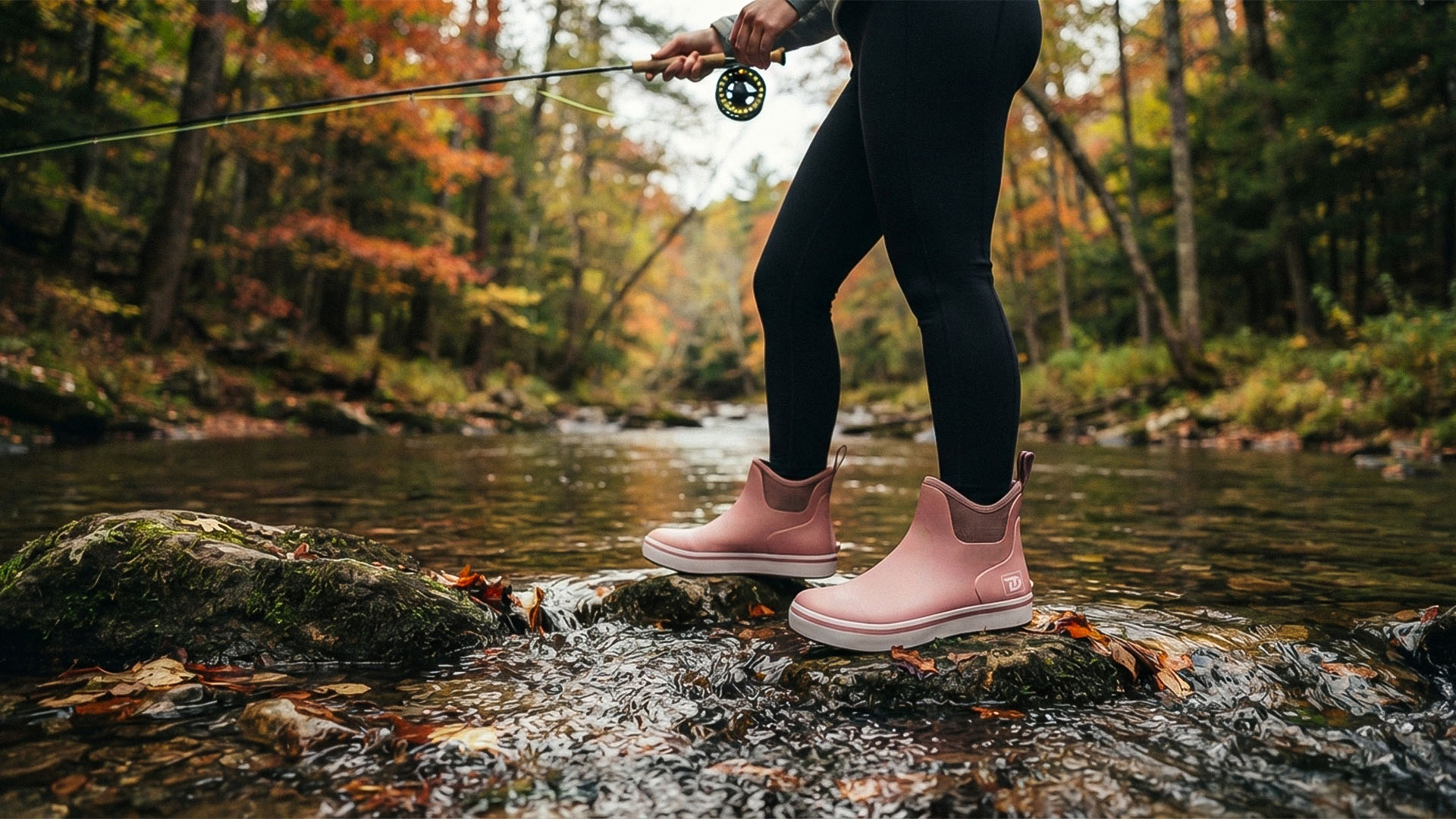
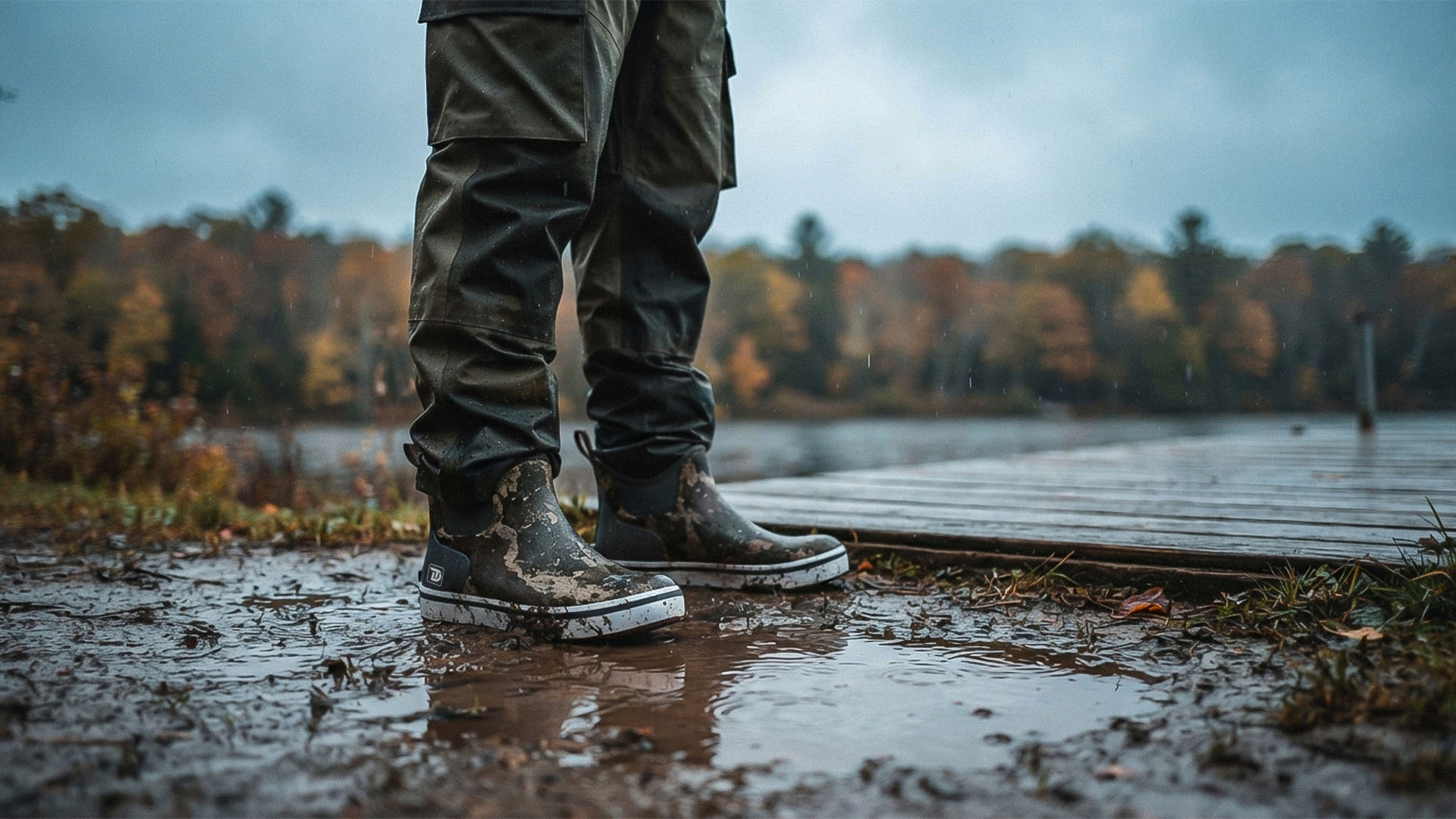
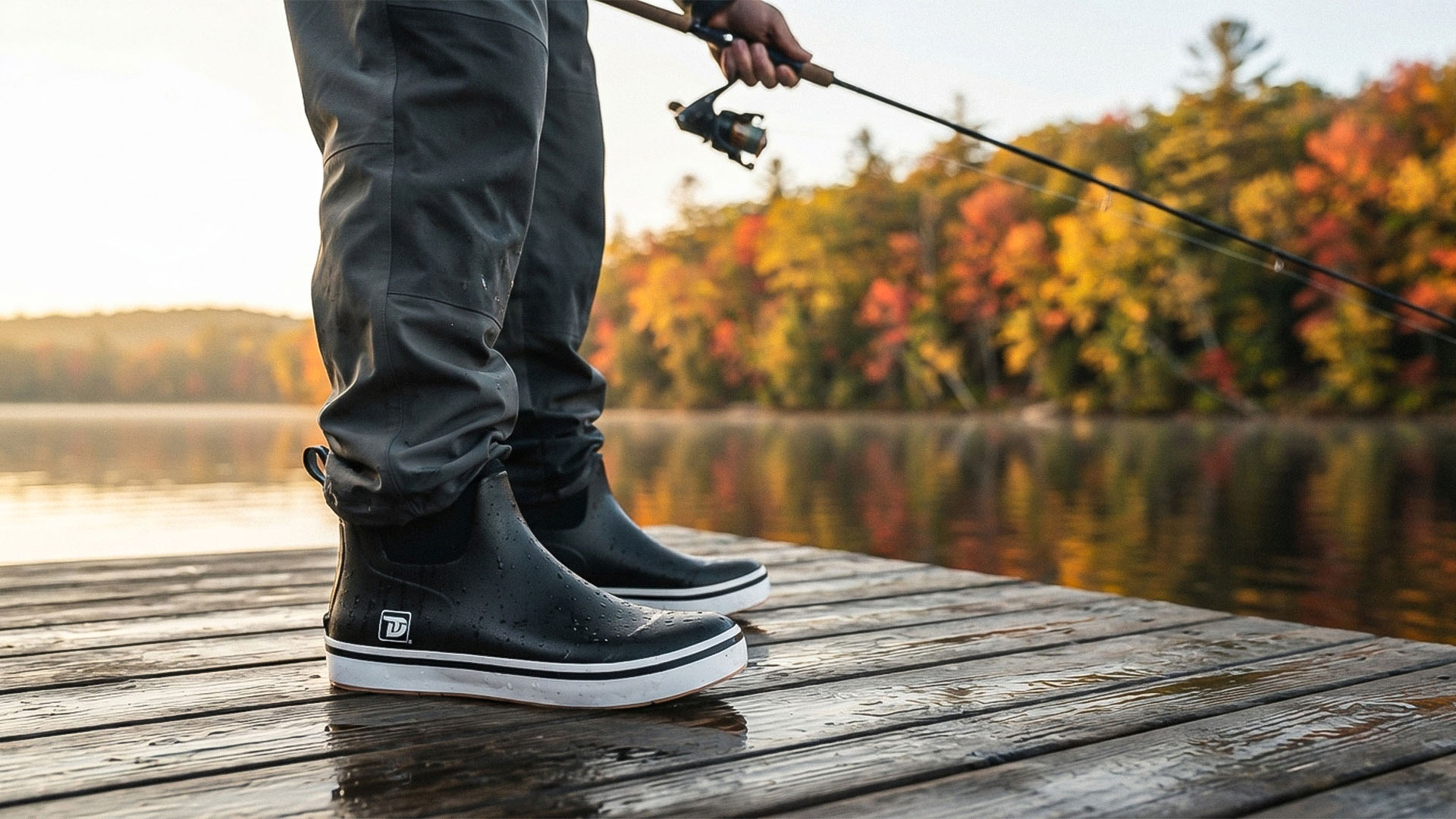
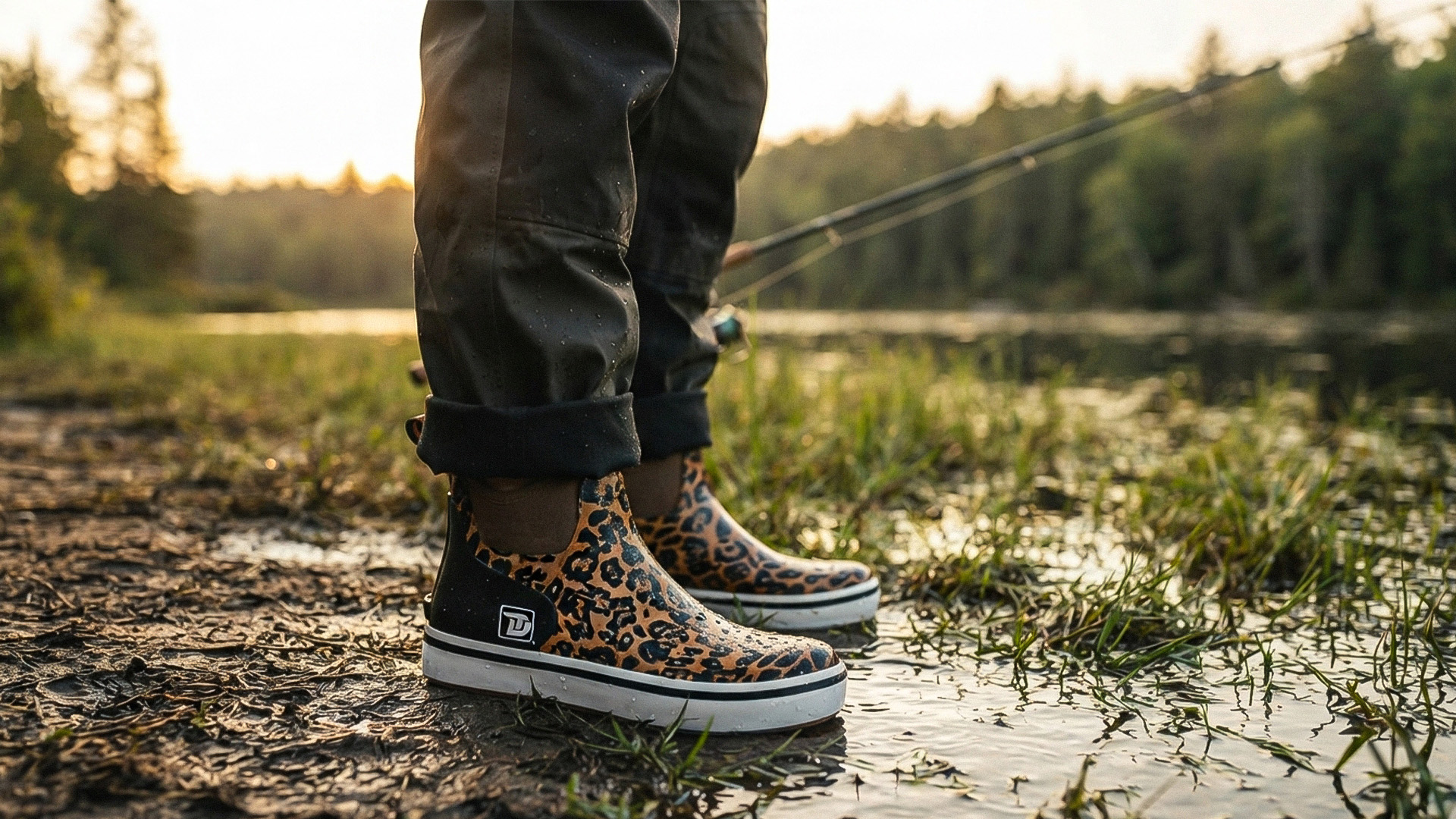
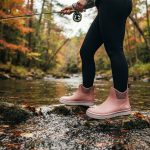
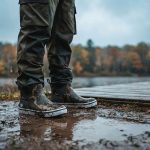
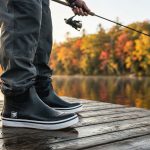
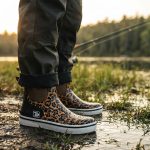
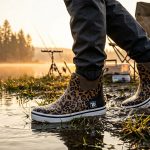
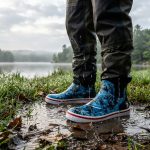
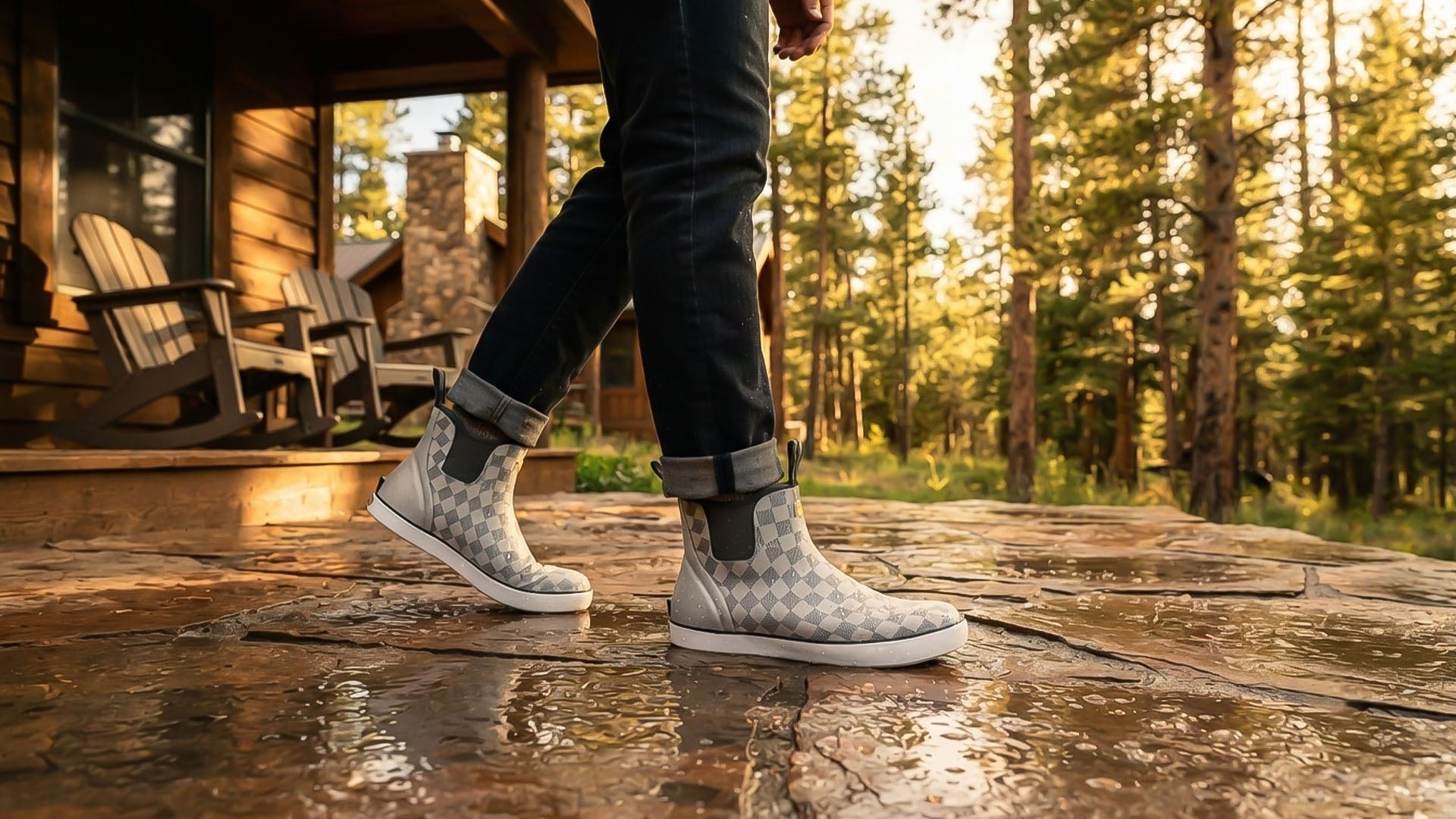
For most recreational boat anglers, waterproof ankle deck boots provide a useful combination of mobility, water protection, and easy on-and-off convenience.
Anglers comparing footwear for damp mornings and wet boat decks can review [TruDaveGear waterproof deck boots] alongside other fishing-specific options.
Choose footwear based on fit, traction, cushioning, and expected water depth rather than appearance alone.
Why Morning Dew Matters
Morning moisture is easy to underestimate.
Grass around boat ramps may be soaked.
Dock surfaces may be damp.
Boat seats and decks may hold condensation.
Ordinary fabric shoes can become wet before the boat leaves the marina.
Waterproof footwear prevents this early moisture from setting the tone for the rest of the day.
Once socks become wet, they may remain uncomfortable for hours.
What Socks to Wear
Sock choice depends on temperature.
Mild Mornings
Wear lightweight synthetic or merino-blend socks.
They help manage moisture without adding excessive warmth.
Cool Mornings
Use medium-weight merino wool socks.
They provide insulation while remaining comfortable if slightly damp.
Cold Mornings
Choose heavier merino wool socks, but make sure the boots still have enough room.
Overly thick socks can restrict circulation and make your feet colder.
Avoid cotton socks for long fishing trips.
Carry at least one dry pair in a waterproof bag.
Protect Your Head and Ears
The head and ears are exposed during early boat rides.
A lightweight knit cap or fleece-lined beanie can provide useful warmth.
Choose headwear that fits securely.
Loose hats can blow away once the boat starts moving.
As the day warms, replace the beanie with:
- Fishing cap
- Wide-brim sun hat
- Lightweight performance hat
Packing two types of headwear takes very little space and gives you more flexibility.
Use Lightweight Fishing Gloves
Cold hands make fishing tasks more difficult.
Tying knots, handling line, opening tackle boxes, and operating equipment all require finger control.
Lightweight fishing gloves can provide warmth without excessive bulk.
Options include:
- Fingerless gloves
- Thin synthetic gloves
- Lightweight insulated gloves
- Waterproof gloves
- Sun gloves for later in the day
Bring a second pair if the first pair may become wet.
Wet gloves lose comfort quickly.
Do You Need a Neck Gaiter?
A neck gaiter is useful in both cool and warm conditions.
Before sunrise, it can help protect the neck and lower face from wind.
Later in the day, it provides sun protection.
Choose a lightweight, quick-drying gaiter rather than a heavy winter version unless conditions are very cold.
A gaiter can also be pulled over the ears during a windy boat ride.
Do Not Forget Sun Protection
The morning may begin in darkness, but ultraviolet exposure increases quickly after sunrise.
Pack:
- Sunscreen
- Polarized sunglasses
- Fishing hat
- Neck gaiter
- Long-sleeve sun shirt
- Lip protection
Apply sunscreen before leaving the dock or shortly after sunrise.
Do not wait until your skin begins feeling hot.
Water reflects sunlight upward and can increase exposure around the face, neck, and chin.
Polarized Sunglasses
Polarized sunglasses reduce glare from the water and protect the eyes from wind, spray, hooks, and sunlight.
Keep them in a protective case during the dark early hours.
Use a retainer strap once you begin fishing.
Morning transitions from darkness to bright glare can happen quickly, especially on clear days.
What to Wear for Early-Morning Offshore Fishing
Offshore trips usually require more protection than short inshore outings.
You may experience:
- Faster boat speeds
- Stronger wind
- Ocean spray
- Longer exposure
- Changing weather
- Limited shelter
- Wet decks
A practical offshore outfit includes:
- Moisture-wicking base layer
- Lightweight fleece
- Waterproof shell
- Quick-drying fishing pants
- Waterproof bibs when needed
- Deck boots
- Merino or synthetic socks
- Warm hat
- Gloves
- Sun hat for later
- Polarized sunglasses
Pack spare clothing in a waterproof dry bag.
The ride offshore may be the coldest part of the entire day.
What to Wear for Early-Morning Inshore Fishing
Inshore fishing often involves lower boat speeds and more protection from large waves.
However, mornings can still be cool and damp.
A practical outfit includes:
- Long-sleeve fishing shirt
- Lightweight hoodie
- Wind-resistant shell
- Fishing pants
- Waterproof deck boots or fishing shoes
- Hat
- Polarized sunglasses
You may not need heavy waterproof bibs unless rain or spray is expected.
Keep a compact rain jacket onboard.
What to Wear for Early-Morning Bank Fishing
Bank anglers often walk through wet grass, mud, brush, and uneven ground.
Wear:
- Moisture-wicking long-sleeve shirt
- Lightweight fleece
- Rain shell
- Quick-drying pants
- Waterproof boots suitable for mud
- Warm socks
- Hat
- Gloves when necessary
Boat-specific deck boots may not provide enough traction for steep mud or rocky banks.
Choose footwear based on terrain.
Tall rubber boots or waterproof hiking-style footwear may be more appropriate.
What to Wear for Early-Morning Pier Fishing
Piers expose anglers to wind and hard standing surfaces.
Wear:
- Long-sleeve base layer
- Wind-resistant jacket
- Fishing pants
- Cushioned waterproof footwear
- Hat
- Gloves
- Neck gaiter
Foot cushioning matters because pier anglers may stand on concrete or wood for several hours.
Bring a lightweight chair only where permitted and practical.
What to Wear for Early-Morning Kayak Fishing
Kayak anglers face direct exposure to water and wind.
Clothing should not interfere with paddling, entry, or exit.
In warm conditions, consider:
- Lightweight base layer
- Wind-resistant shell
- Quick-drying pants
- Water shoes
- Personal flotation device
In colder conditions, use an appropriate cold-water clothing system.
Water temperature may be more important than air temperature.
Avoid bulky boots or clothing that restrict movement inside the kayak.
Dress for the Boat Ride, Not Just the Fishing Spot
One of the most common mistakes is dressing for the temperature at the fishing location while ignoring the ride.
At speed, wind exposure increases dramatically.
Even a mild morning can feel cold when traveling across open water.
Wear your outer shell and warmer layers during the run.
You can remove them once the boat slows down and the sun rises.
Passengers who remain seated may feel colder than the person operating the boat because they are generating less body heat.
How to Handle Rising Temperatures
The temperature may rise quickly after sunrise.
Remove layers before you begin sweating heavily.
A useful order is:
- Remove gloves.
- Remove the warm hat.
- Open ventilation zippers.
- Remove the mid layer.
- Remove the outer shell.
- Switch to lighter headwear.
Store removed layers in a dry bag.
Do not leave clothing loose on the deck where it can become wet, blow away, or create a tripping hazard.
Avoid Overdressing
Feeling slightly cool at the marina is better than sweating heavily while loading gear.
Sweat absorbed into your base layer can make you feel colder once the boat begins moving.
Dress in layers and add the outer shell before departure.
Avoid wearing every heavy item during active preparation unless conditions require it.
The goal is to remain comfortably warm without creating unnecessary moisture inside your clothing.
Keep Layers Easy to Remove
Fishing boats have limited changing space.
Choose clothing that can be removed without taking off your shoes or disturbing other equipment.
Useful features include:
- Full-length jacket zippers
- Wide pant openings
- Adjustable cuffs
- Simple closures
- Packable insulation
- Lightweight materials
Avoid complicated outfits that require removing multiple pieces of gear to change one layer.
Pack a Dry Bag for Clothing
A dry bag protects extra layers from spray, rain, and deck moisture.
Store:
- Spare shirt
- Extra socks
- Lightweight pants
- Gloves
- Warm hat
- Towel
- Rain shell
- Personal items
Use smaller waterproof bags inside the main bag for organization.
Do not assume a boat compartment is completely dry.
Bring Spare Clothes Even on Short Trips
Unexpected conditions can soak clothing quickly.
A wave, rain shower, leaking cooler, or accidental fall near the shoreline can change the trip.
At minimum, pack:
- Dry socks
- Dry shirt
- Lightweight towel
For offshore trips, bring a complete backup layer when space allows.
Dry clothing is especially important during cool weather.
Check More Than the Temperature Forecast
Before leaving, check:
- Air temperature
- Wind speed
- Wind direction
- Rain probability
- Humidity
- Marine forecast
- Wave height
- Sunrise time
- Expected afternoon high
The temperature alone does not tell you how the morning will feel.
A 55°F morning with calm wind may feel manageable.
The same temperature with strong wind and spray can require much more protection.
Consider the Water Temperature
Cold water increases risk during accidental immersion.
Kayak anglers, small-boat users, and people fishing near shore should consider water temperature when selecting clothing and safety equipment.
Warm air does not always mean warm water.
Use appropriate flotation and cold-water protection where conditions require it.
Common Early-Morning Fishing Clothing Mistakes
Dressing Only for the Afternoon
Warm midday temperatures do not eliminate cold pre-dawn conditions.
Bring layers.
Wearing Heavy Cotton
Cotton absorbs moisture and dries slowly.
Use quick-drying materials.
Forgetting a Windproof Layer
Wind can create more discomfort than low temperature alone.
Wearing Ordinary Sneakers in Wet Conditions
Morning dew and wet decks can soak fabric footwear quickly.
Using One Heavy Jacket
A single bulky jacket offers less flexibility than multiple lighter layers.
Forgetting Sun Protection
Sun exposure increases rapidly after sunrise.
Leaving Spare Clothes Unprotected
Store clothing in a waterproof bag.
Waiting Too Long to Remove Layers
Remove insulation before excessive sweating begins.
Wearing Loose Clothing
Loose cords and fabric can catch on fishing equipment.
Early-Morning Fishing Clothing Checklist
Upper Body
- Moisture-wicking base shirt
- Lightweight fleece or hoodie
- Waterproof or wind-resistant shell
- Sun shirt
Lower Body
- Quick-drying fishing pants
- Thermal base layer when needed
- Waterproof bibs
- Optional shorts for later
Footwear
- Waterproof deck boots or appropriate fishing shoes
- Moisture-wicking socks
- Spare socks
Accessories
- Warm hat
- Fishing cap
- Gloves
- Neck gaiter
- Polarized sunglasses
- Sunscreen
- Lip protection
Backup Items
- Dry shirt
- Dry socks
- Towel
- Waterproof dry bag
Final Thoughts
Early-morning fishing requires clothing that can handle more than one set of conditions.
Before sunrise, you may face cool temperatures, wind, dew, spray, and a fast boat ride.
Later in the day, sunlight and rising temperatures may make heavy clothing uncomfortable.
A layering system gives you the flexibility to manage both.
Start with a moisture-wicking base layer.
Add lightweight insulation.
Use a waterproof or wind-resistant shell.
Wear quick-drying pants and water-ready footwear.
Protect your head, hands, and neck during the coldest part of the morning.
Pack sun protection and remove layers gradually as the temperature rises.
Store extra clothing in a dry bag.
The best early-morning fishing outfit is not the warmest one you can wear.
It is the clothing system that keeps you comfortable from the dark marina to the warm ride back.
Frequently Asked Questions
What should I wear for early-morning fishing?
Wear a moisture-wicking base layer, lightweight insulating layer, windproof or waterproof jacket, quick-drying pants, water-ready footwear, warm hat, and appropriate socks. Remove layers as the day warms.
How should I dress for a cold morning boat ride?
Wear a base layer, fleece or light insulation, waterproof shell, long pants, deck boots, warm socks, gloves, and a secure hat. Wind from boat speed can make conditions feel much colder.
Should I wear shorts for early-morning fishing?
Shorts may be comfortable later, but lightweight fishing pants provide better protection from cool wind, dew, insects, sun, and spray during the early hours.
Are deck boots good for early-morning fishing?
Yes. Waterproof deck boots help protect feet from wet docks, morning dew, rain, spray, and shallow standing water. Choose a pair with secure fit, cushioning, and wet-surface traction.
What socks are best for cold morning fishing?
Medium-weight merino wool socks are a good choice for cool conditions. Use heavier socks only when the boots have enough room to avoid restricting circulation.
Do I need a rain jacket if rain is not forecast?
A lightweight waterproof shell is still useful for wind and boat spray. Offshore anglers should carry one even when rain is unlikely.
How many layers should I wear fishing?
Most anglers can use a three-layer system consisting of a moisture-wicking base layer, insulating mid layer, and windproof or waterproof outer shell. Adjust the number and thickness of layers to the conditions.
What should I pack when temperatures will rise later?
Pack a dry bag for removed layers, a lighter hat, sun-protective shirt, sunglasses, sunscreen, and optional shorts. Choose clothing that can be removed easily on the boat.