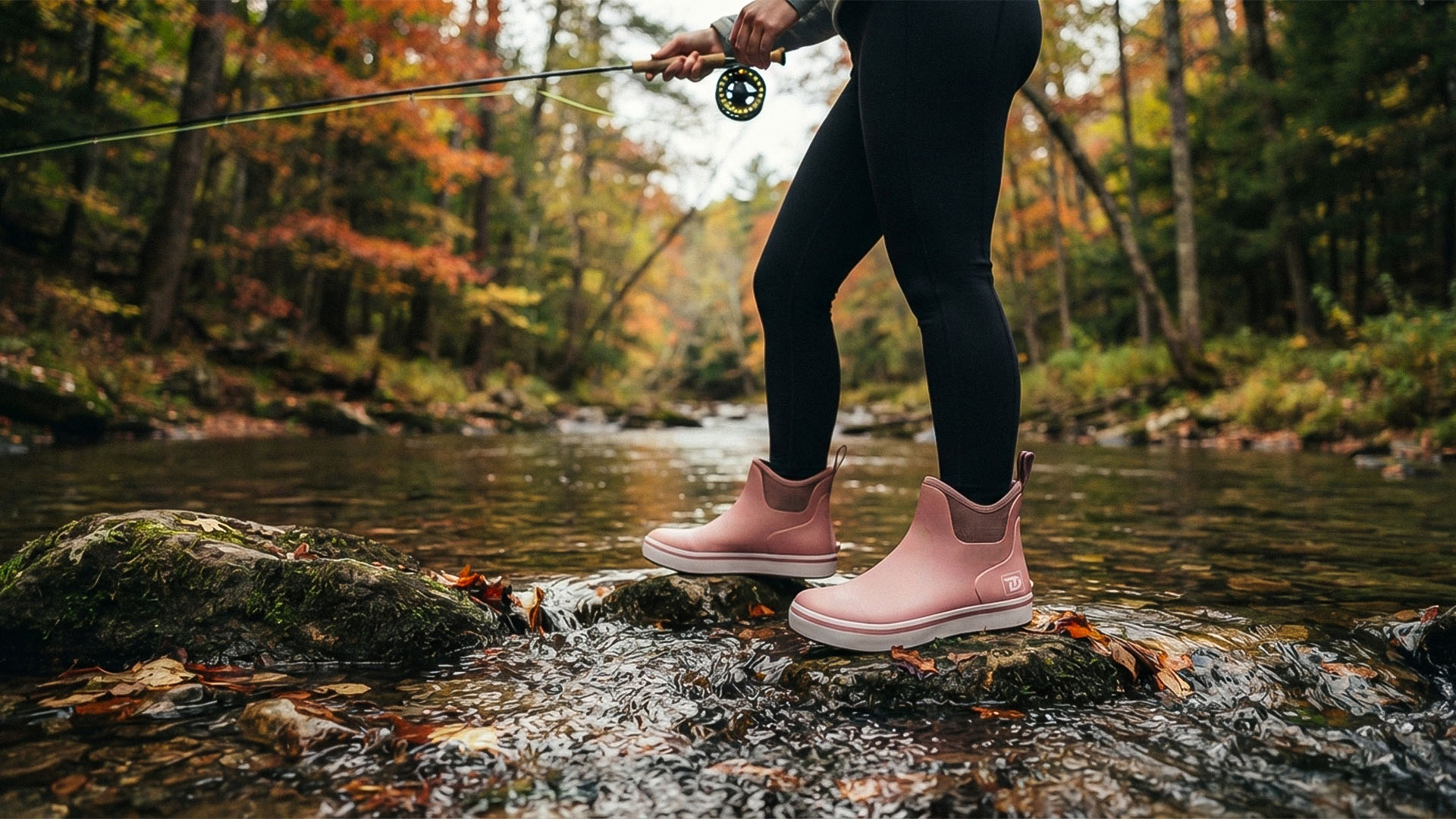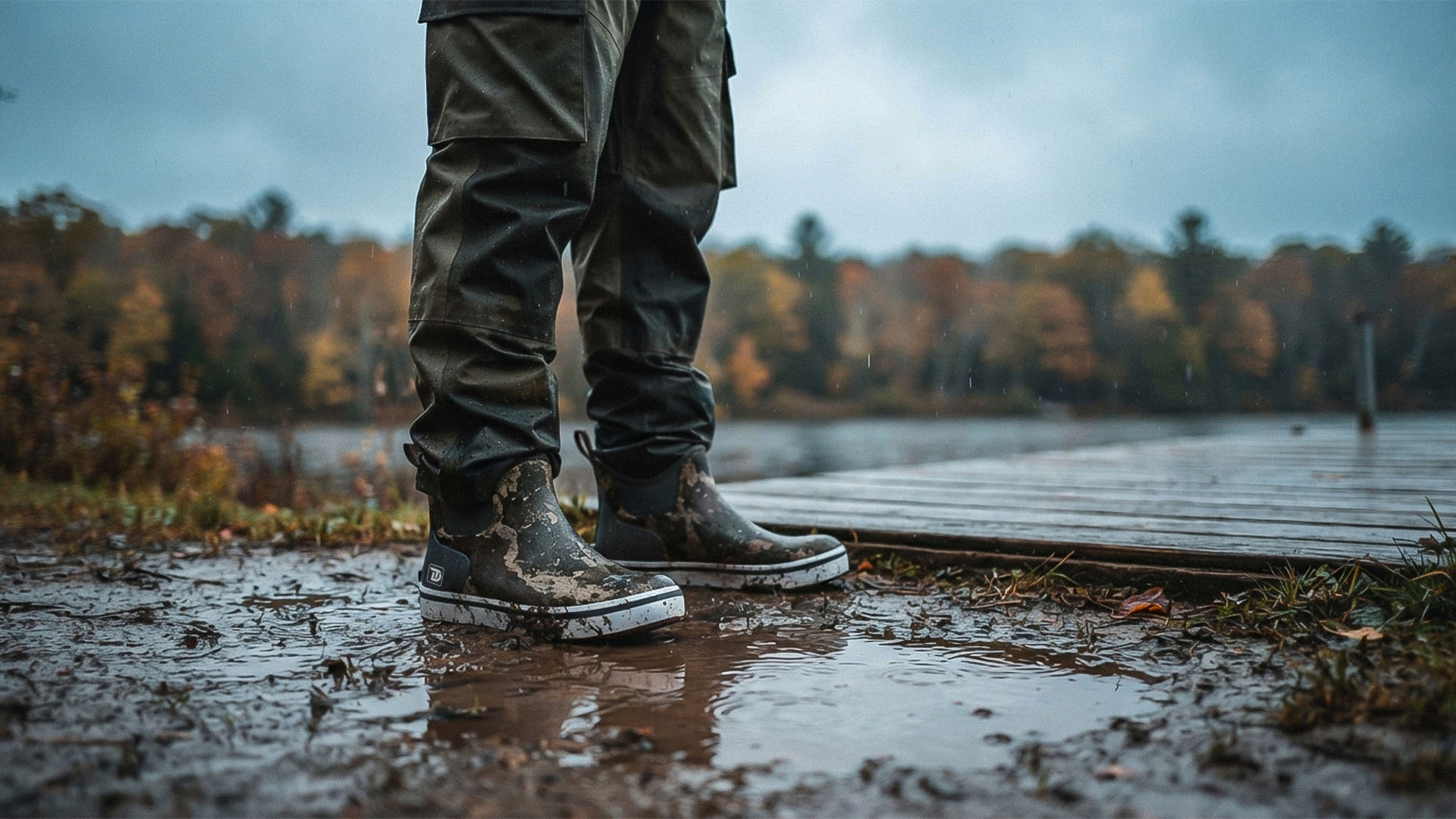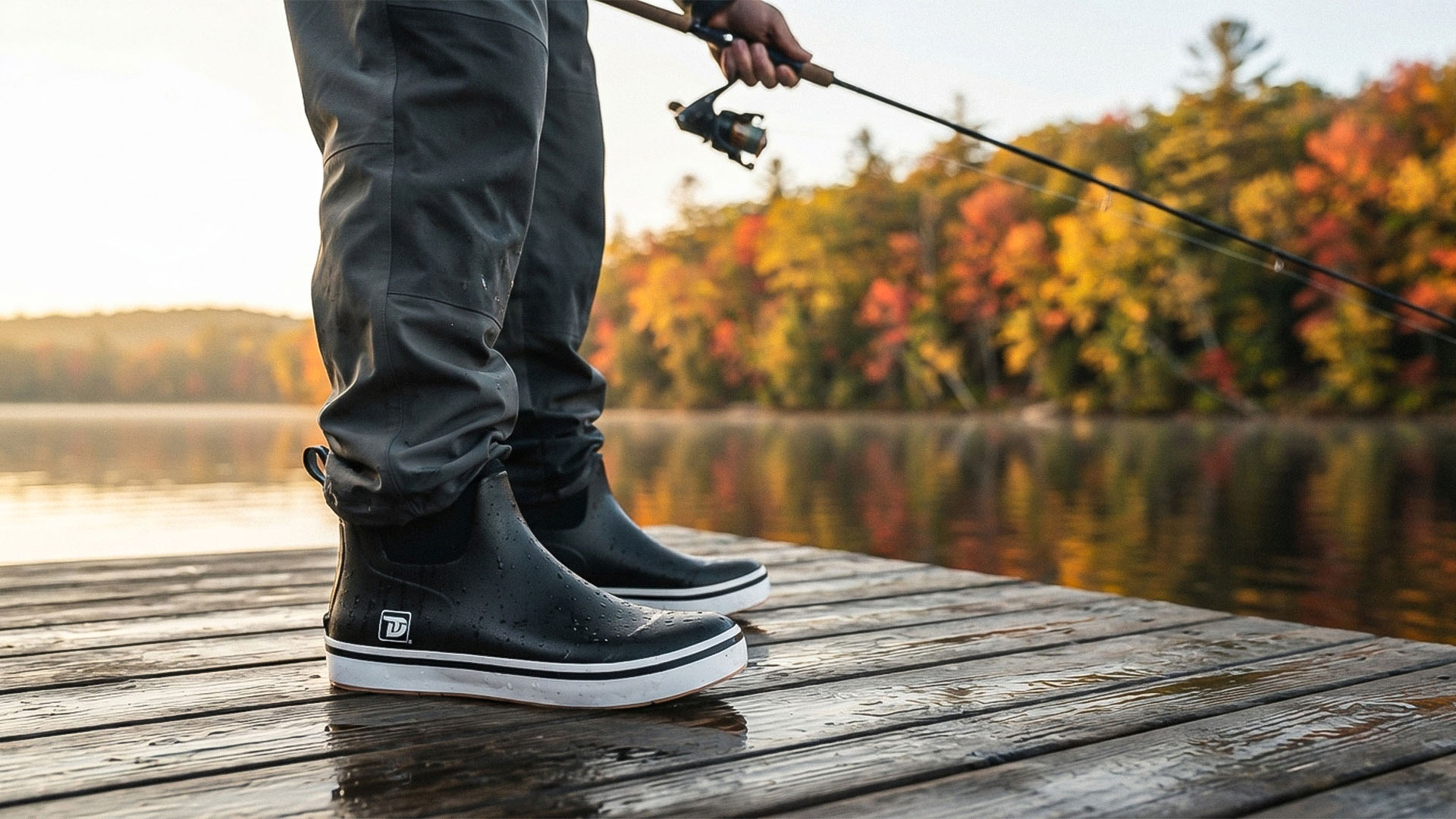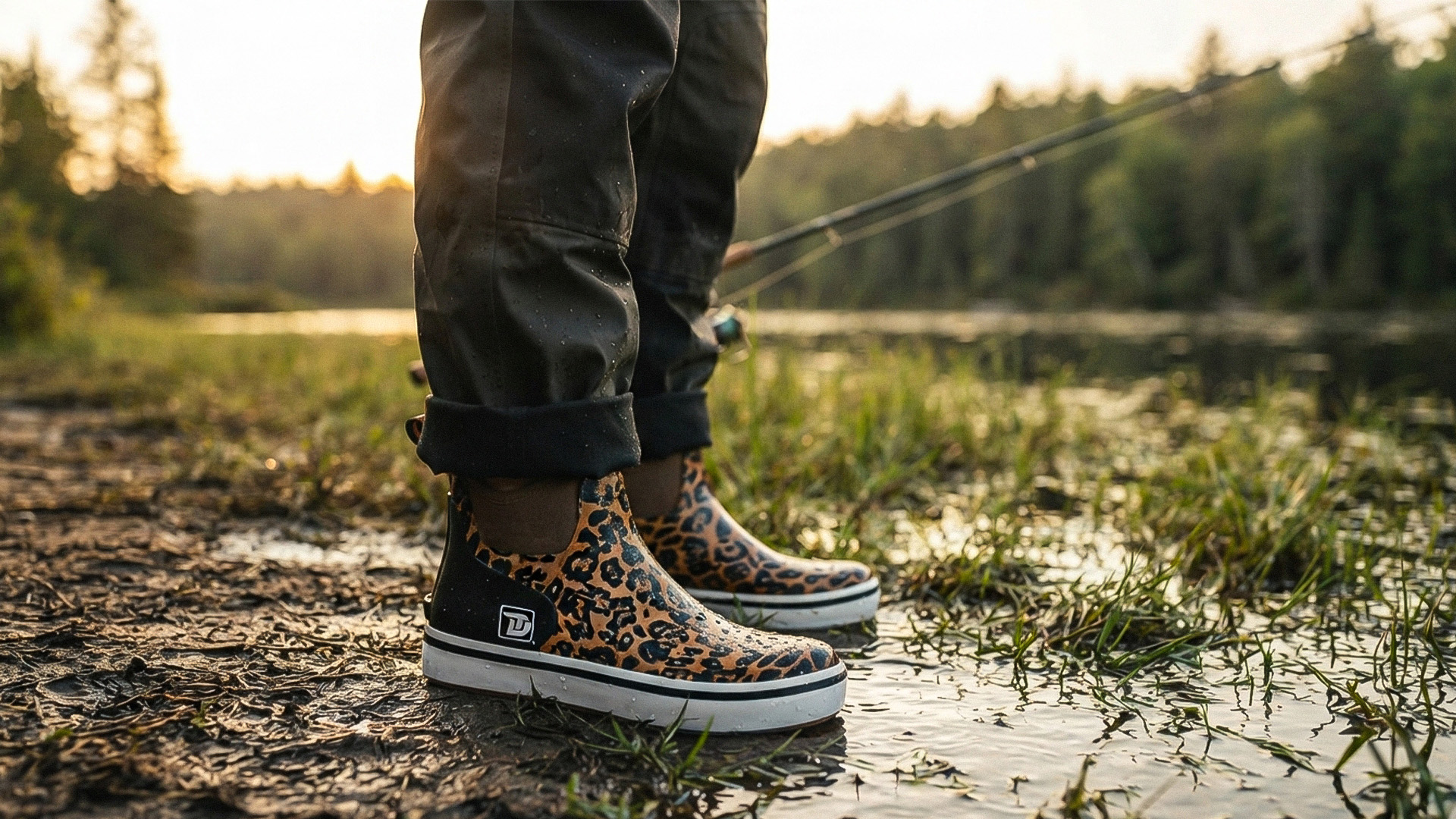
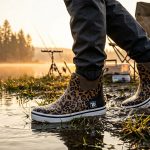
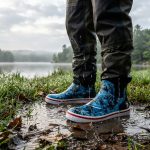
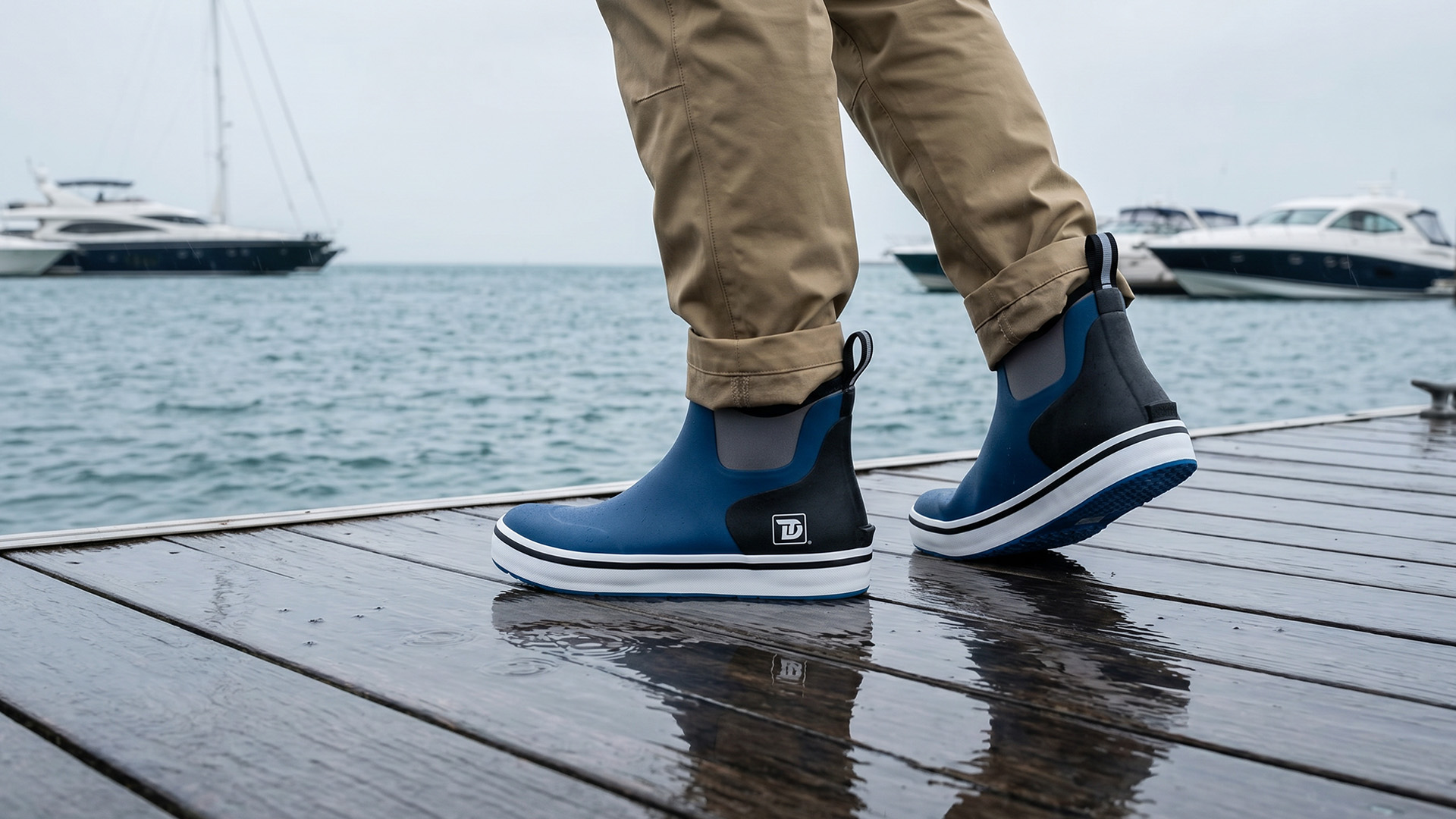
Introduction: The Missing Variable
Walk into any coastal tackle shop, and the first thing you’ll likely be asked when looking at deck boots is, “What size do you wear?” Maybe the next question is about insulation or budget. But almost nobody asks the single most important question that determines how a boot will perform: “How do you fish?”
A tuna troller spending 10 hours locked in a fighting chair needs something vastly different from a redfish angler who’s constantly on the move, poling a skiff. A surf caster climbing across wet, barnacle-covered jetties requires a different level of protection and grip than a kayak angler quietly slipping into a backwater marsh. Even the way you cast—constantly shifting weight, pivoting, and bracing against the gunwale—puts unique demands on your boots.
Trudave Gear’s deck boot lineup is purpose-built for these variables, but the key to unlocking their potential is matching the right boot to your specific fishing activity. This guide moves beyond generic boat categories and into the real-world motions, hazards, and environments of different fishing styles. We’ll break down five common fishing disciplines—trolling, casting, kayaking, surf/jetty fishing, and wading/transitioning—and pair each one with the ideal Trudave boot for the job.
1. Trolling & Offshore Stand-Up Fishing: The Endurance Athlete
The Activity
Trolling for pelagics or stand-up fishing for marlin and tuna is a game of hours, not minutes. You’re on a large sportfisher or center console, often far offshore. The deck is wet, the gear is heavy, and the sun or salt spray is relentless. Your boots need to do three things exceptionally well: provide all-day cushioning and support on hard fiberglass, deliver absolute grip when a fish hits and the deck turns chaotic, and offer protection from dropped sinkers, gaffs, and the heavy tackle being moved around.
The Trudave Solution: WaveLock
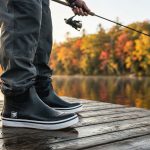
The WaveLock is the boot for this kind of endurance fishing. Its exclusive micro-channel siped outsole is the most aggressive in the Trudave lineup, dispersing water instantly so you stay planted when a big fish takes a run. The cushioned EVA midsole reduces the lower-back and knee fatigue that accumulates over a long day of standing and bracing. The soft thermal insulation lining is perfect for those chilly offshore mornings, keeping your feet warm without overheating when the sun finally breaks through. Flexible side panels make the boots easy to slide on, and the reinforced heel tab allows hands-free removal when you’re exhausted at the dock.
Why It Works Here: The zero-steel-shank construction keeps the boot light and agile, while the toe shell and reinforced heel armor provide the protection needed when you’re working around heavy leaders and gaffs.
Sock Pairing: A midweight merino wool crew sock is the ideal partner for most offshore days. It wicks moisture, insulates even when damp from spray, and fills the boot’s intentional volume perfectly.
2. Casting & Inshore Moving: The Agile Shuffle
The Activity
Inshore fishing for redfish, snook, striped bass, or speckled trout is a highly mobile affair. You’re on the bow of a bay boat or poling skiff, constantly moving, casting, changing angles, and bracing. The deck is white gelcoat or light-colored non-skid that you don’t want to mark up. The weather is often warm, and heavy insulation would cook your feet within an hour. You need a boot that’s light, flexible, and almost invisible to your senses so you can focus entirely on the cast and the retrieve.
The Trudave Solution: DeckFlow
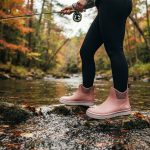
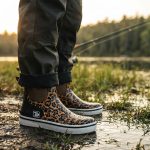
The DeckFlow is the agile insider’s choice. It’s completely uninsulated and features a breathable, moisture-wicking lining, making it the lightest and coolest boot Trudave offers. Its non-marking siped outsole provides excellent grip on a wet casting deck without leaving a single black streak. The clean, low-cut design allows for full ankle flexion when you’re shifting weight from foot to foot. For women, it’s built on a dedicated female-specific last, eliminating the heel slip that plagues unisex boots during active movement.
Why It Works Here: The lightweight, flexible rubber shell moves with your foot, not against it, during repetitive casting motions. The easy slip-on design means you can kick them off for a moment of barefoot comfort during a slow drift and pull them back on in seconds when a fish hits.
Sock Pairing: A lightweight merino or synthetic moisture-wicking sock keeps feet cool and dry. Avoid cotton at all costs—it will absorb sweat and lead to blisters within a few hours of active casting.
3. Kayaking & Small Craft: The Close-Quarters Contortionist
The Activity
Kayak fishing combines the challenges of a wet environment with extreme spatial constraints. Your feet are often at or below the waterline. Paddle drip and the occasional wave are constant. You need a boot that’s waterproof but also low-profile enough not to interfere with foot pegs or the confined hull. Flexibility is paramount for comfort during long hours of sitting with your legs outstretched. Grip is critical when you’re launching from a slippery mud bank or hauling your kayak over rocks.
The Trudave Solution: DeckFlow (Warm) or WaveLock (Cold)
In warm water and weather, the DeckFlow is again the best tool. Its low ankle height and featherlight construction won’t impede circulation or movement inside the cockpit. The siped, non-marking outsole grips polyethylene hulls and slick launch points equally well. For cold-water kayakers—those chasing winter steelhead or early-spring bass—the WaveLock offers the necessary insulation without excessive bulk. Its roomier toe box accommodates a thicker neoprene or merino wool sock for sessions when water temperatures dip into the 40s.
Why It Works Here: Both boots are 100% waterproof but won’t fill with water like a taller boot if you take a wave over the side. The flexible rubber shell allows for the constant micro-adjustments in footing that kayaking requires.
Sock Pairing: In warm weather, a thin synthetic sock; in cold water, a 3mm neoprene sock inside the WaveLock creates a wetsuit-like thermal barrier that keeps feet functional even after hours on the water.
4. Surf & Jetty Fishing: The Abrasion Warrior
The Activity
Fishing from rock jetties, surf-pounded beaches, and barnacle-encrusted breakwaters is brutal on footwear. The surfaces are aggressively abrasive. A slip on a wet rock can lead to a serious fall. Waves can break over you without warning, soaking everything. You need a boot that’s tough, protective, and chemically resistant enough to withstand salt, sun, and sharp edges. This is the domain of the heavy-duty work boot, not the lightweight deck slipper.
The Trudave Solution: AquaGuard
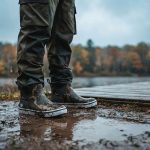
The AquaGuard is built from industrial-grade natural rubber that is thicker and more abrasion-resistant than that of the WaveLock or DeckFlow. It resists cuts and tears from sharp barnacles and rocks. The deep, self-cleaning lugs offer superior grip on uneven, slimy, and sandy surfaces. A cushioned EVA midsole with ergonomic arch support protects your feet from the punishing hardness of uneven rock. The reinforced toe and heel provide extra protection, and the easy-off heel tab is a blessing when your hands are wet and cold.
Why It Works Here: Standard deck boots can get sliced open by a barnacle or worn down quickly by coarse sand. The AquaGuard’s industrial rubber shrugs off this abuse. It’s the boot for anglers who need to scramble, climb, and brace themselves in the most treacherous shore environments.
Sock Pairing: A heavyweight merino wool work sock provides cushioning, warmth, and moisture management. The boot’s generous internal volume easily accommodates thick socks, which also protect your feet from the boot’s firm structure.
5. Wading & Transitioning: The Amphibious Hybrid
The Activity
Many anglers work in the in-between zone—fishing from a boat but frequently hopping out to wade a shallow flat, or walking a shoreline while carrying a rod. Your boots will be fully submerged multiple times a day. They need to drain well, dry quickly, and maintain grip on sand, mud, and seagrass. They also need to be secure enough not to get sucked off by thick mud.
The Trudave Solution: DeckFlow (for quick-drying) or AquaGuard (for protective wading)
If you’re primarily on soft, sandy flats, the lightweight and quick-drying DeckFlow is an agile choice. It drains easily when you step out of the water and won’t weigh you down. If you’re wading around oyster beds, sharp rocks, or heavy structure, the protective AquaGuard is a smarter, safer option. Pair either with a wading sock or neoprene guard to prevent sand and small pebbles from entering the boot.
Why It Works Here: Unlike dedicated wading boots, Trudave deck boots offer the versatility to fish comfortably from the boat and the water in a single trip. The vulcanized construction means the boot itself won’t waterlog and become heavy, and the removable EVA insole dries quickly once you’re back on deck.
Sock Pairing: For serious wading, a thin neoprene sock inside the boot provides warmth and prevents chafing. For quick trips in and out, a midweight merino wool sock is a great all-arounder.
6. The Decision Matrix: Matching Boot to Activity
| Fishing Activity | Primary Physical Demand | Best Trudave Boot | Why It’s the Right Fit |
|---|---|---|---|
| Trolling / Offshore Stand-Up | All-day support & protection | WaveLock | Insulated, max grip, reinforced toe, fatigue-fighting midsole |
| Casting / Inshore Moving | Lightweight agility & stealth | DeckFlow | Breathable, non-marking, flexible, great for repetitive motion |
| Kayaking / Small Craft | Low-profile waterproofing | DeckFlow (Warm) / WaveLock (Cold) | Compact, flexible, won’t weigh you down if swamped |
| Surf & Jetty Fishing | Abrasion resistance & protection | AquaGuard | Industrial rubber, deep lugs, enhanced toe/heel protection |
| Wading / Boat-to-Shore | Drainage & versatile grip | DeckFlow or AquaGuard | Quick-drying EVA insole, reliable grip on mixed surfaces |
Conclusion: Fish the Way You Move, Move in the Right Boot
Your fishing style is as unique as your cast. The boots you pull on should be a seamless extension of that style, not an afterthought. A troller needs a boot that fights fatigue. A caster needs a boot that disappears on the foot. A jetty rat needs armor. A kayaker needs a second skin.
Trudave Gear’s WaveLock, DeckFlow, and AquaGuard series are engineered to answer these distinct physical challenges with premium vulcanized natural rubber, relentless siped traction, and a fit that can be customized with the right sock and insole. Don’t choose your boots based on the label or the price tag alone. Choose them based on the dance you do on the water.
To explore the full lineup and find the Trudave boot that matches your fishing activity, visit trudavegear.com.