
Ask experienced anglers when they feel most confident on the water, and many will give you the same answer:
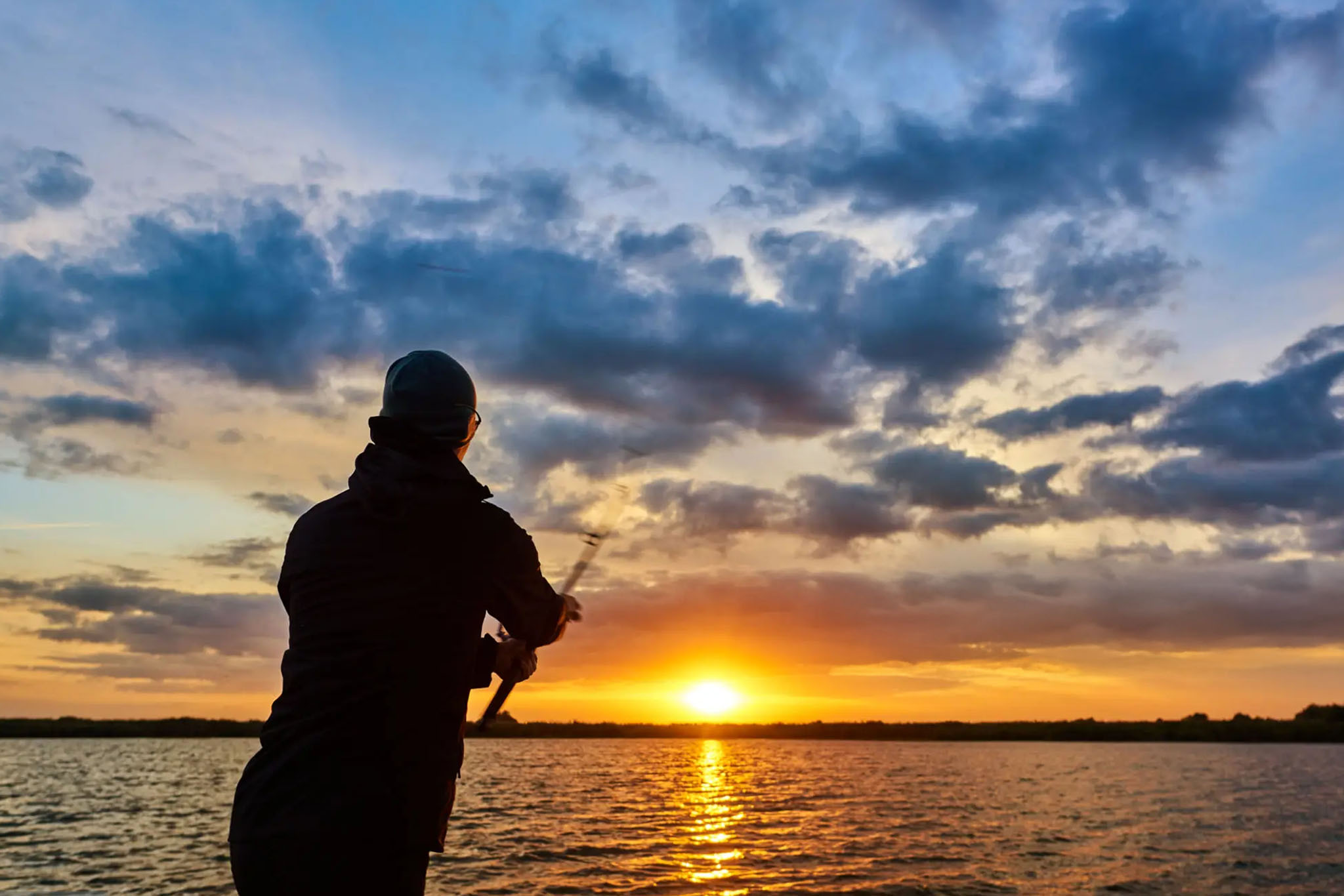
The last hour before sunset.
It’s not just a coincidence. That final window of daylight consistently produces more bites, more aggressive strikes, and often bigger fish—especially during the heat of summer.
While many anglers pack up early or miss this window entirely, those who stay understand something critical:
The last hour of light is when multiple conditions align to trigger feeding behavior.
What Makes the Last Hour So Effective
Fishing success often comes down to timing—and this window brings together several key factors at once.
1. Light Levels Drop and Fish Feel Safer
As the sun gets low:
- Visibility decreases underwater
- Shadows grow longer
- Surface glare softens
For fish, this creates a sense of security.
Predatory species like bass become more willing to:
- Leave cover
- Move into shallower water
- Chase prey more aggressively
Low light reduces risk—and increases opportunity.
2. Water Temperature Begins to Stabilize
In summer, midday heat can push fish into survival mode.
But as evening approaches:
- Surface temperatures begin to cool slightly
- Oxygen levels become more balanced
- Stress on fish decreases
This shift may be subtle, but it’s enough to:
- Increase activity levels
- Improve feeding behavior
- Extend movement into areas they avoided earlier
3. The Food Chain Comes Alive
The last hour of light triggers movement across the entire food chain.
- Insects become more active near the surface
- Baitfish rise and begin to feed
- Smaller fish move into open water
Predators follow.
This creates a stacked feeding window, where multiple species are active at the same time—leading to more consistent action.
4. Fish Transition From Holding to Feeding
Throughout the day, fish often hold tight to:
- Structure
- Shade
- Deeper water
But in the evening, they shift behavior.
They begin to:
- Move along edges
- Patrol feeding zones
- Cover more water
This transition makes them easier to locate and more likely to strike.
Where to Focus During the Last Hour
Not all areas produce equally—even during prime time.
Shallow Flats Near Deeper Water
Fish often move up from deeper holding areas.
Look for:
- Gradual depth changes
- Access to nearby structure
- Areas that connect deep and shallow zones
Windblown Banks
If there’s even a slight breeze:
- Food gets pushed toward shore
- Baitfish concentrate
- Predators move in to feed
These areas can become highly active late in the day.
Structure With Shade
Even as light fades, shade still plays a role.
Focus on:
- Docks
- Overhanging trees
- Vegetation edges
These spots act as transition zones for feeding fish.
Points and Edges
Points allow fish to move efficiently between depths.
They often:
- Funnel movement
- Concentrate bait
- Provide ambush opportunities
During the last hour, these areas can produce consistently.
How to Adjust Your Approach
Fishing this window effectively requires a shift in strategy.
1. Cover Water Efficiently
Fish are moving—so should you.
- Try multiple spots quickly
- Focus on high-percentage areas
- Don’t stay too long in unproductive water
2. Use Active Presentations
This is not the time for overly slow techniques.
- Moving baits can trigger reaction strikes
- Faster retrieves can match feeding behavior
- Fish are more aggressive—take advantage of it
3. Stay Until the End
One of the biggest mistakes anglers make is leaving too early.
The bite often:
- Builds gradually
- Peaks right before dark
- Can change dramatically in minutes
That last stretch of fading light is often the most productive.
4. Pay Attention to Small Changes
During this window, subtle shifts matter.
Watch for:
- Baitfish activity
- Surface disturbances
- Changes in wind or light
These signals can help you adjust quickly and stay on fish.
Why This Window Is So Consistent
Unlike other feeding periods that depend heavily on conditions, the last hour of light is:
- Predictable
- Repeatable
- Reliable across different bodies of water
It’s driven by natural daily cycles that fish follow instinctively.
That consistency makes it one of the most dependable opportunities for anglers.
Common Mistakes to Avoid
Leaving Too Early
You miss the best part of the day.
Fishing Too Slowly
Fish are active—match their energy.
Ignoring Shallow Water
Even big fish move shallow in low light.
Not Adjusting Location
Fish shift positions—don’t stay stuck in one spot.
Why It Matters More in Summer
During hot months, fish often:
- Feed less during midday
- Avoid extreme heat
- Conserve energy
The last hour becomes one of the few times when:
- Conditions improve
- Feeding becomes worthwhile
- Movement increases
This makes it even more important to take advantage of.
Final Thoughts
The last hour of light isn’t just another part of the day—it’s a critical window where everything comes together.
Light fades, temperatures ease, bait moves, and predators respond.
Anglers who understand this don’t rush off the water—they lean into it.
Because sometimes, the difference between an average day and an unforgettable one comes down to a single decision:
Staying for just one more hour.