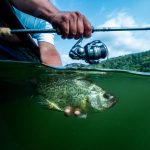
Every spring, anglers look forward to the moment when fish move into shallow water. Shallow fish are often easier to locate, easier to target, and far more aggressive. However, many fishermen become frustrated when they expect fish to be shallow but instead find them scattered or inactive.
One of the most overlooked reasons for this confusion is that fish rarely move directly from deep winter areas into shallow spring habitat. Instead, they usually pause in mid-depth zones for days or even weeks. These mid-depth areas serve as staging zones where fish adjust to environmental changes before committing to shallow water.
Understanding why fish pause in these areas can help anglers locate fish earlier in the season and dramatically increase fishing success.
The Seasonal Transition From Winter to Spring
During winter, most freshwater fish remain in deep, stable water where temperatures fluctuate less. These deeper zones provide consistent conditions that allow fish to conserve energy during the coldest months.
As spring approaches, environmental factors begin to change:
- Water temperatures slowly rise
- Daylight hours increase
- Oxygen levels improve
- Baitfish begin to move
These changes trigger fish to leave their winter locations. However, fish rarely rush directly to the shallows. Instead, they gradually transition through intermediate depth zones where conditions are safer and more stable.
This gradual movement allows fish to adapt without exposing themselves to sudden temperature changes or unpredictable weather.
Temperature Stability in Mid-Depth Water
One of the biggest reasons fish pause in mid-depth zones is temperature stability.
Shallow water warms quickly during sunny days, but it can also cool rapidly during cold nights or sudden weather fronts. These fluctuations create unstable conditions that fish often avoid early in the season.
Mid-depth areas provide a more balanced environment. These zones warm gradually but do not cool as quickly as shallow flats.
For fish, this stability is important because their metabolism is directly tied to water temperature. Sudden drops can slow feeding activity and increase stress.
By staying in mid-depth zones, fish can monitor warming trends while remaining in a comfortable environment.
Mid-Depth Areas Offer Easy Escape Routes
Fish are naturally cautious when moving into shallow water. Shallow environments expose them to several risks:
- Predatory birds
- Sudden temperature changes
- Low water levels
- Increased angling pressure
Mid-depth staging areas offer fish a quick escape route back to deeper water if conditions suddenly become unfavorable.
For example, a fish staging on a 10–15 foot drop-off can easily move deeper during a cold front and return to the same location once temperatures recover.
This flexibility makes mid-depth areas ideal transition zones.
Food Availability Along Depth Transitions
Food sources are another major reason fish hold in mid-depth zones.
Many baitfish species follow similar seasonal patterns. As water warms, they begin leaving deep winter areas but often stop along depth transitions before moving fully into shallow water.
These locations frequently include:
- Underwater ledges
- Sloping points
- Channel edges
- Submerged humps
Predator fish naturally follow these baitfish movements. When both predator and prey gather along the same structures, the area becomes a productive feeding zone.
For anglers, this means mid-depth structures often hold actively feeding fish even before the shallow bite begins.
Structural Features That Create Staging Areas
Certain underwater features naturally create ideal mid-depth staging zones.
These structures allow fish to hold comfortably while monitoring shallow areas for warming trends and food activity.
Some of the most productive mid-depth structures include:
Secondary Points
Points located inside coves or creek arms often serve as stopping points for fish migrating toward spawning areas.
Creek Channel Bends
Fish frequently hold where channels swing close to flats or shallow banks.
Underwater Ledges
Sudden depth changes provide both feeding opportunities and security.
Submerged Timber or Rock
Cover allows fish to remain hidden while waiting for prey.
These structures create natural gathering points where fish pause before continuing their seasonal migration.
Weather Patterns Influence How Long Fish Stay
The length of time fish remain in mid-depth zones depends heavily on weather conditions.
During stable warming trends, fish may move into shallow areas relatively quickly. However, if weather patterns remain unpredictable, fish may hold in staging areas for extended periods.
Cold fronts are especially important. A sudden drop in air temperature can cool shallow water dramatically. When this happens, fish often retreat back to mid-depth areas where temperatures remain more stable.
For this reason, anglers often experience excellent fishing along mid-depth structures following cold fronts.
How to Identify Mid-Depth Staging Zones
Locating staging areas requires anglers to pay close attention to both structure and seasonal patterns.
Some effective ways to identify these zones include:
- Studying depth maps or lake charts
- Using fish finders to locate baitfish schools
- Watching for depth transitions near shallow flats
- Fishing secondary points between deep water and spawning areas
Instead of focusing only on the shoreline, successful anglers often target the path fish use to reach shallow water.
Best Lures for Fishing Mid-Depth Areas
Because staging fish are often feeding actively, a variety of lures can be effective in mid-depth zones.
Anglers often begin with moving baits that allow them to cover water quickly.
Popular options include:
- Crankbaits designed for mid-depth diving
- Spinnerbaits retrieved along drop-offs
- Swimbaits that imitate baitfish
- Lipless crankbaits fished along slopes
Once fish are located, slower presentations such as jigs or soft plastics can help target fish holding tightly to structure.
Why Many Anglers Overlook These Zones
One of the biggest mistakes anglers make during spring is focusing too heavily on shallow water too early.
While shallow fishing is exciting, fish often spend significant time staging nearby before moving in.
By skipping mid-depth areas, anglers may unknowingly fish past large numbers of active fish.
Learning to target these transitional zones often leads to more consistent success throughout the early spring season.
Final Thoughts
Fish rarely move directly from deep winter water to shallow spring habitat. Instead, they pause in mid-depth zones that provide stability, food, and security.
These staging areas allow fish to gradually adjust to warming temperatures while staying close to deeper water. For anglers, these locations often hold some of the most reliable early-season fishing opportunities.
By focusing on structural transitions, monitoring weather patterns, and targeting mid-depth staging zones, anglers can locate fish earlier in the season and enjoy productive fishing long before the shallow bite fully develops.