
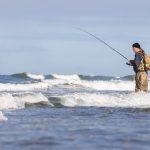

How Fish Shift Daily Locations Based on Sun and Wind Exposure

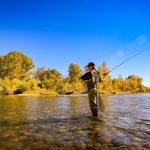
Fish movement is often misunderstood because many anglers assume fish relocate randomly throughout the day. In reality, fish shift their daily locations in highly predictable ways based on two major environmental forces: sun exposure and wind direction. These two factors directly influence water temperature, oxygen levels, food availability, and fish comfort. Understanding how sunlight and…

Read More

How Fish Use Narrow Depth Zones During Early Spring Temperature Swings

Early spring is one of the most dynamic and misunderstood periods in freshwater fishing. Air temperatures fluctuate dramatically, cold fronts interrupt warming trends, and water conditions change almost daily. During this unstable seasonal transition, fish rarely spread evenly throughout a lake or river. Instead, they concentrate in extremely narrow depth zones—sometimes within just a 2–5…

Read More

How to Identify Early Spring Fishing Patterns Before They Peak

Early spring is a transitional period that challenges even experienced anglers. Water temperatures fluctuate, prey activity is unpredictable, and fish are slowly emerging from winter holding areas. Success during this time relies not on luck but on understanding subtle cues in fish behavior before patterns fully develop. Recognizing these early signals allows anglers to capitalize…

Read More

Why Fish Feed More Aggressively After Multi-Day Warm Trends

Early spring anglers often notice a dramatic change: after several consecutive warm days, fish seem to suddenly feed with renewed energy, hitting lures and baits with urgency. This surge in activity isn’t coincidental—it’s driven by water temperature, metabolism, and instinctive preparation for the upcoming spawn. Understanding why multi-day warm trends trigger aggressive feeding allows anglers…

Read More