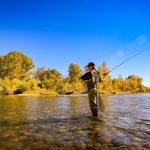
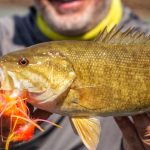
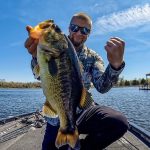
Heavy spring rains can completely change a lake or river overnight. Water levels rise. Clarity shifts. Current increases. Debris floats into new areas. For many anglers, those sudden changes feel like a setback. But for those who understand how fish respond to runoff and rising water, post-rain conditions can create some of the most productive fishing windows of the early season.
The key isn’t fishing the same spots you would under stable conditions — it’s learning how to relocate fish quickly when the water changes.
Here’s how to find productive water after heavy spring rains and turn unstable conditions into opportunity.
What Heavy Rain Actually Changes
When a major rain event hits, it doesn’t just add water. It alters multiple environmental factors at once:
- Water level increases (sometimes rapidly)
- Water clarity decreases
- Surface temperature may fluctuate
- Current strengthens, even in reservoirs
- Oxygen levels often increase near inflows
- New cover becomes flooded
Each of these changes influences where fish position and how they feed.
Understanding the chain reaction is critical.
Step 1: Locate Cleaner Water
One of the most important adjustments after heavy rain is finding water with improved visibility.
Runoff typically enters:
- Creek arms
- River channels
- Shallow flats
- Roadside drainage ditches
These areas can become heavily stained or muddy. While some species tolerate dirty water well, extreme turbidity often pushes fish toward:
- Main lake areas
- Secondary points
- Wind-protected coves
- Shorelines away from direct inflow
Look for color transition lines, where muddy water meets clearer water. These edges often concentrate baitfish — and predators.
Step 2: Target Current Breaks
Rain increases water movement, even in lakes that don’t normally have noticeable current.
Fish respond by seeking areas where they can conserve energy:
- Down-current sides of points
- Behind dock pilings
- Along riprap banks
- Near submerged timber
- On inside channel bends
Current positions bait, and bait positions predators. Focus on structure that disrupts flow rather than fighting it.
Step 3: Fish Newly Flooded Cover
Rising water creates opportunity by flooding:
- Shoreline brush
- Grass edges
- Fallen trees
- Laydowns
- Bank vegetation
Baitfish quickly explore these areas, and bass and other species often follow.
In early spring, when fish are already staging or moving shallow, flooded cover can concentrate aggressive feeders.
However, not all flooded cover holds fish immediately. Focus on areas close to:
- Pre-existing structure
- Channel edges
- Spawning flats
- Transition banks
Fish prefer access to deeper water nearby.
Step 4: Monitor Water Temperature Differences
Rainwater can be cooler or warmer depending on regional conditions.
If runoff is significantly colder than the main body:
- Fish may avoid direct inflow zones.
- They often hold just outside temperature transition areas.
If runoff is warmer and shallow banks heat quickly:
- Fish may push tighter to cover.
- Afternoon bite windows may improve dramatically.
Use electronics or surface readings to identify subtle temperature breaks.
Step 5: Follow the Bait
After heavy rain, baitfish behavior shifts.
They may:
- Move into protected pockets
- Suspend near clearer water
- Stack along wind-blown shorelines
- Concentrate near inflowing oxygen-rich water
Finding bait clusters often leads directly to predator fish. Electronics become extremely valuable during these conditions.
Step 6: Adjust Lure Selection to Visibility
Water clarity determines presentation.
In stained to moderately dirty water:
- Use vibration-based lures.
- Increase profile slightly.
- Fish closer to cover.
In clearer post-rain conditions:
- Natural profiles perform better.
- Subtle presentations may be necessary.
- Focus on precise casting angles.
Matching visibility conditions increases strike consistency.
Common Mistakes After Heavy Rain
- Fishing the same clear-water spots without checking clarity shifts
- Ignoring current flow changes
- Overlooking newly flooded shoreline cover
- Fishing too fast in cold runoff conditions
- Abandoning the lake entirely
Heavy rain doesn’t eliminate fish — it simply relocates them.
Reservoir vs. River Adjustments
Reservoirs
- Expect inflowing creeks to run muddy first.
- Main lake areas often stabilize quicker.
- Secondary structure near deeper water becomes key.
Rivers
- Focus on slack water pockets.
- Fish behind current seams and eddies.
- Avoid main channel flood surges until levels normalize.
Understanding the type of water you’re fishing determines how aggressively you reposition.
Timing Matters
Immediately after a rain event:
- Water may be unstable.
- Fish may temporarily scatter.
24–48 hours later:
- Conditions begin stabilizing.
- Feeding patterns often improve.
- Clarity transitions become more defined.
Monitoring how quickly the system recovers can reveal prime bite windows.
Practical Example
Consider a reservoir that rises two feet after consecutive days of spring rain.
Creek arms turn muddy. The main lake remains slightly stained but fishable.
Rather than fishing deep winter structure, an angler moves to:
- Secondary points near clearer water
- Flooded brush adjacent to channel swings
- Wind-protected coves with moderate clarity
Within a short time, bait activity increases and fish reposition predictably along transition zones.
Adapting quickly makes the difference.
Why Post-Rain Fishing Can Be Exceptional
Heavy spring rains:
- Introduce nutrients
- Increase oxygen levels
- Displace forage
- Create new ambush opportunities
When conditions stabilize, fish often feed aggressively in repositioned areas.
Anglers willing to adjust frequently experience some of the strongest early season bites during post-rain recovery periods.
Final Thoughts
Finding productive water after heavy spring rains is about reading change, not resisting it. Rising water, shifting clarity, and increased current all provide clues. Focus on cleaner water transitions, current breaks, flooded cover near structure, and bait movement.
Spring weather is unpredictable — but fish behavior under changing conditions follows patterns.
Learn to recognize those patterns, adapt quickly, and you’ll consistently locate active fish when others struggle to adjust.