Early spring fishing can feel unpredictable. One day the bite is steady and aggressive. The next, fish seem to vanish—even when water temperature and location appear unchanged.
One of the most overlooked drivers behind these sudden shifts is barometric pressure. Understanding how barometric pressure affects early spring bite patterns can help you predict feeding windows, adjust lure presentation, and stay consistent when conditions fluctuate.
If you want to fish smarter during unstable spring weather, you need to understand what’s happening above the water as much as what’s happening below it.
What Is Barometric Pressure?
Barometric pressure (also called atmospheric pressure) is the weight of the air pressing down on the Earth’s surface. It rises and falls as weather systems move through.
- High pressure usually follows a cold front and brings clear skies.
- Low pressure often arrives ahead of storms, bringing clouds, wind, and precipitation.
- Falling pressure signals an approaching system.
- Rising pressure indicates clearing conditions.
Fish are extremely sensitive to these changes—especially in early spring when water temperatures are still cool and metabolism is gradually increasing.
Why Fish React to Pressure Changes
Fish have an internal organ called a swim bladder that helps regulate buoyancy. Changes in atmospheric pressure slightly affect water pressure, which in turn influences the swim bladder.
Even minor pressure shifts can make fish feel:
- More active
- Slightly uncomfortable
- More or less willing to feed
In early spring, when fish are transitioning from winter lethargy toward pre-spawn activity, these pressure changes can dramatically influence bite patterns.
Falling Barometric Pressure: The Pre-Front Window
One of the best times to fish in early spring is during falling barometric pressure, typically 12–24 hours before a storm system arrives.
What Happens:
- Cloud cover increases
- Wind picks up
- Pressure begins dropping
How Fish Respond:
- Feed more aggressively
- Move slightly shallower
- Chase bait more willingly
Why? Because fish often sense incoming weather instability and instinctively feed before conditions change.
Best Tactics:
- Cover water with moving baits
- Target wind-blown banks
- Fish transition areas near staging points
- Increase retrieve speed slightly
Pre-front conditions often produce some of the strongest early spring feeding windows.
Low Pressure During Storm Systems
When pressure stabilizes at a lower level during overcast or rainy conditions, fish often remain active—though slightly less aggressively than during the initial drop.
Productive Adjustments:
- Focus on shallow cover
- Target mud lines created by runoff
- Work spinnerbaits, chatterbaits, or shallow crankbaits
Cloud cover reduces light penetration, allowing fish to roam more freely without feeling exposed.
Rising Barometric Pressure: The Post-Front Slowdown
After a cold front passes, pressure rises quickly. Skies clear. Wind shifts. Air temperatures often drop.
This is when many anglers struggle.
What Happens to Fish:
- Activity levels decrease
- Fish hold tighter to cover
- Feeding windows shorten
- They move slightly deeper or suspend
In early spring, rising pressure combined with colder air can temporarily stall pre-spawn progression.
How to Adjust:
- Slow down presentations
- Fish deeper structure or secondary points
- Use finesse techniques
- Target the warmest part of the day
Midday sunlight can help offset post-front sluggishness by gradually warming shallow water.
Stable High Pressure: Predictable but Subtle
Once high pressure stabilizes for several days, fish often resume predictable patterns—but feeding windows become more defined and shorter.
Under stable high pressure:
- Early afternoon often outperforms morning
- North-facing banks warm first
- Fish stage near structure rather than roam
Precision matters more than speed.
Why Early Spring Amplifies Pressure Effects
In summer, warmer water temperatures create higher fish metabolism and broader feeding windows.
In early spring, however:
- Water is still cool
- Fish metabolism is just increasing
- Pre-spawn positioning is sensitive
- Temperature swings are frequent
This makes barometric pressure a stronger influence on bite consistency.
Small environmental changes have outsized behavioral effects during this transition period.
How to Monitor Barometric Pressure for Fishing
You don’t need specialized equipment. Most modern fishing apps or weather services display barometric trends.
Focus on:
- Trend direction (rising or falling)
- Speed of change
- Associated wind shifts
- Cloud cover timing
The trend matters more than the exact number.
A steady fall is often better than an extreme low.
Combining Pressure With Water Temperature
Barometric pressure doesn’t operate alone. The best early spring fishing usually occurs when:
- Water temperatures are climbing
- Pressure is falling or stable
- Wind pushes bait toward shallow structure
If water is warming but pressure spikes sharply upward, expect slower bites.
If warming water aligns with falling pressure, prepare for aggressive feeding.
Species-Specific Notes
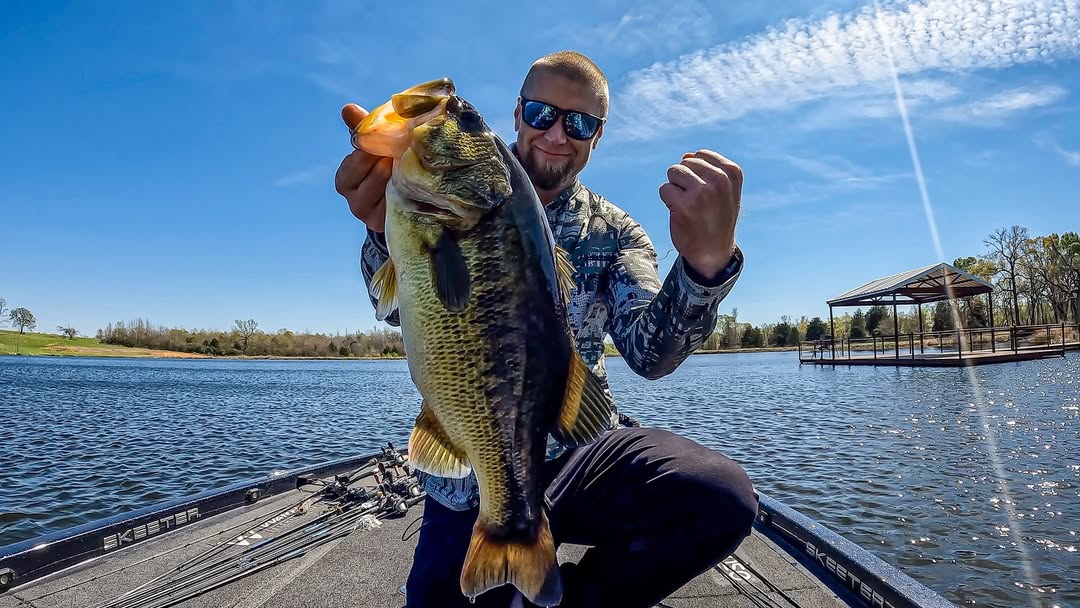
Largemouth Bass
Highly responsive to falling pressure during pre-spawn staging.
Crappie
Often move shallower ahead of low-pressure systems.
Walleye
May feed more actively during cloudy, low-pressure evenings.
Trout
Can remain active under various pressure conditions but respond noticeably to storm fronts.
Common Mistakes Anglers Make
- Blaming lure choice instead of pressure shift
- Fishing too fast after a cold front
- Ignoring wind direction changes
- Leaving during post-front windows instead of adjusting depth
Understanding pressure trends helps you adapt instead of guessing.
Practical Early Spring Pressure Strategy
If a front is approaching:
- Plan longer fishing sessions
- Target aggressive patterns
- Focus on wind-exposed banks
If a cold front just passed:
- Downsize lures
- Slow retrieves
- Fish slightly deeper
- Wait for midday warming
If conditions stabilize:
- Refine location
- Shorten casts for precision
- Fish high-percentage areas thoroughly
Final Thoughts
Barometric pressure plays a major role in early spring bite patterns because fish are in a sensitive transitional state.
Falling pressure often triggers feeding.
Rising pressure frequently slows activity.
Stable systems create predictable windows.
When you combine barometric awareness with water temperature, wind direction, and seasonal fish positioning, you move from reacting to conditions to anticipating them.
And in early spring fishing, anticipation is everything.