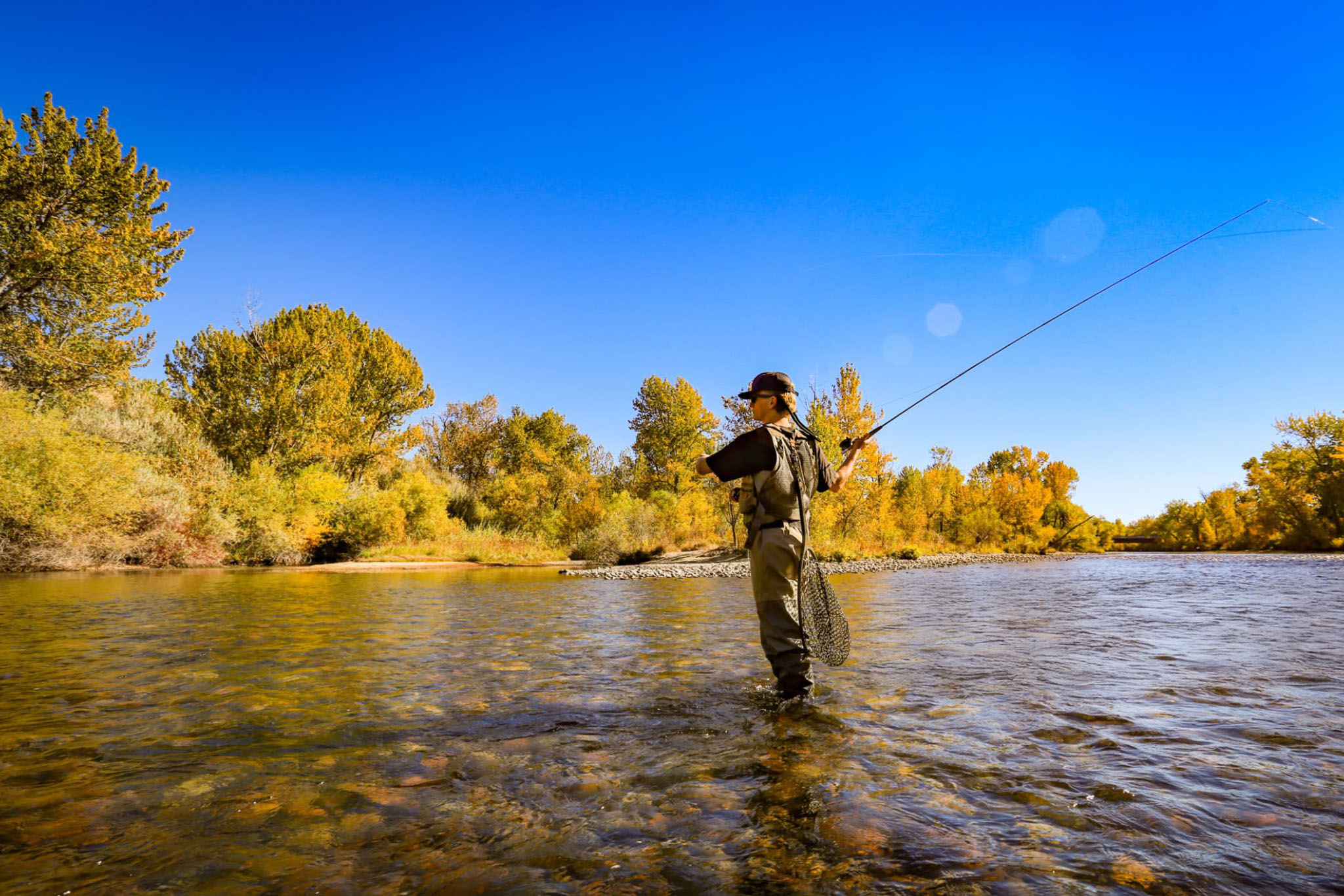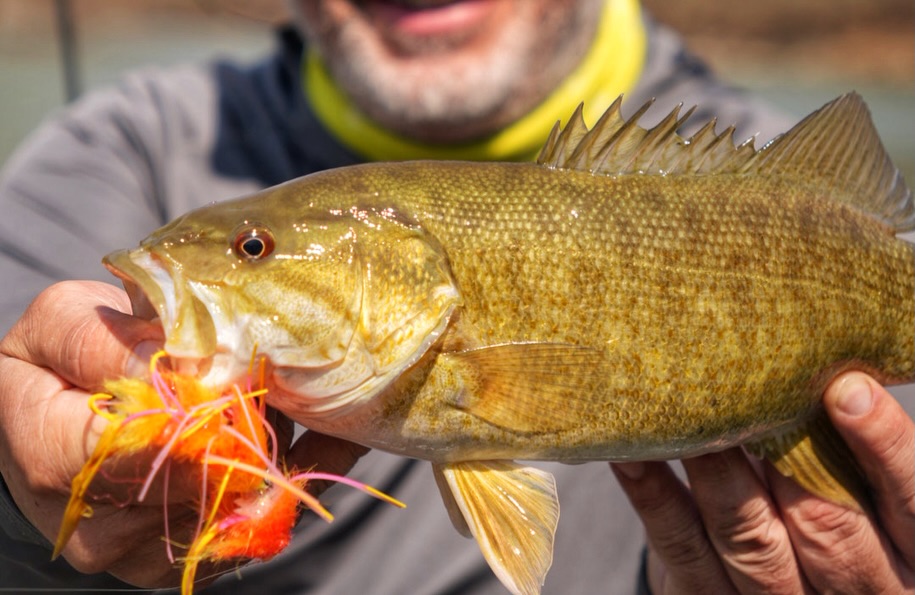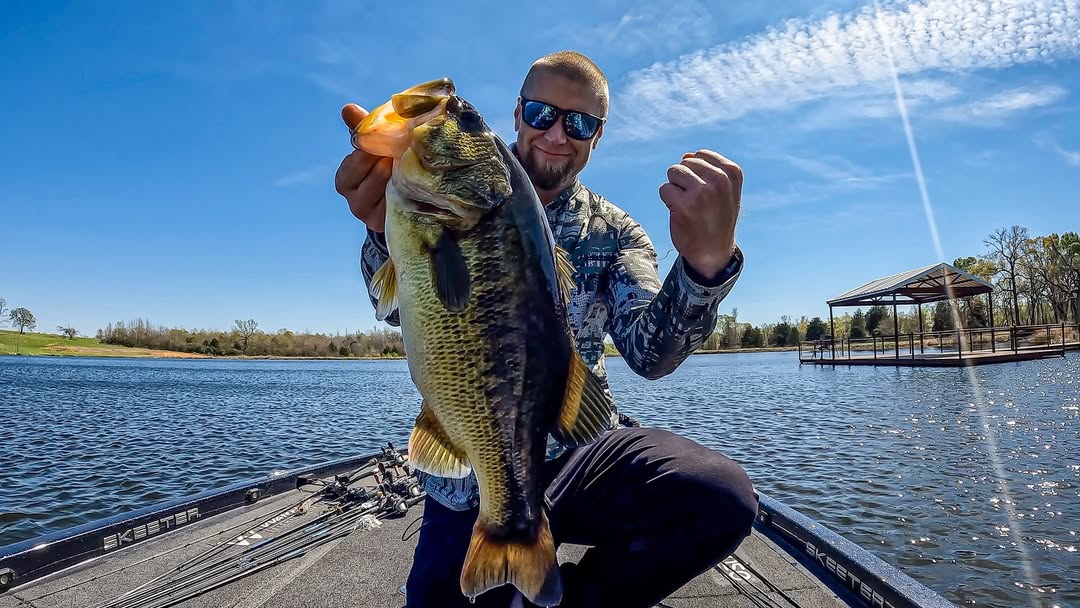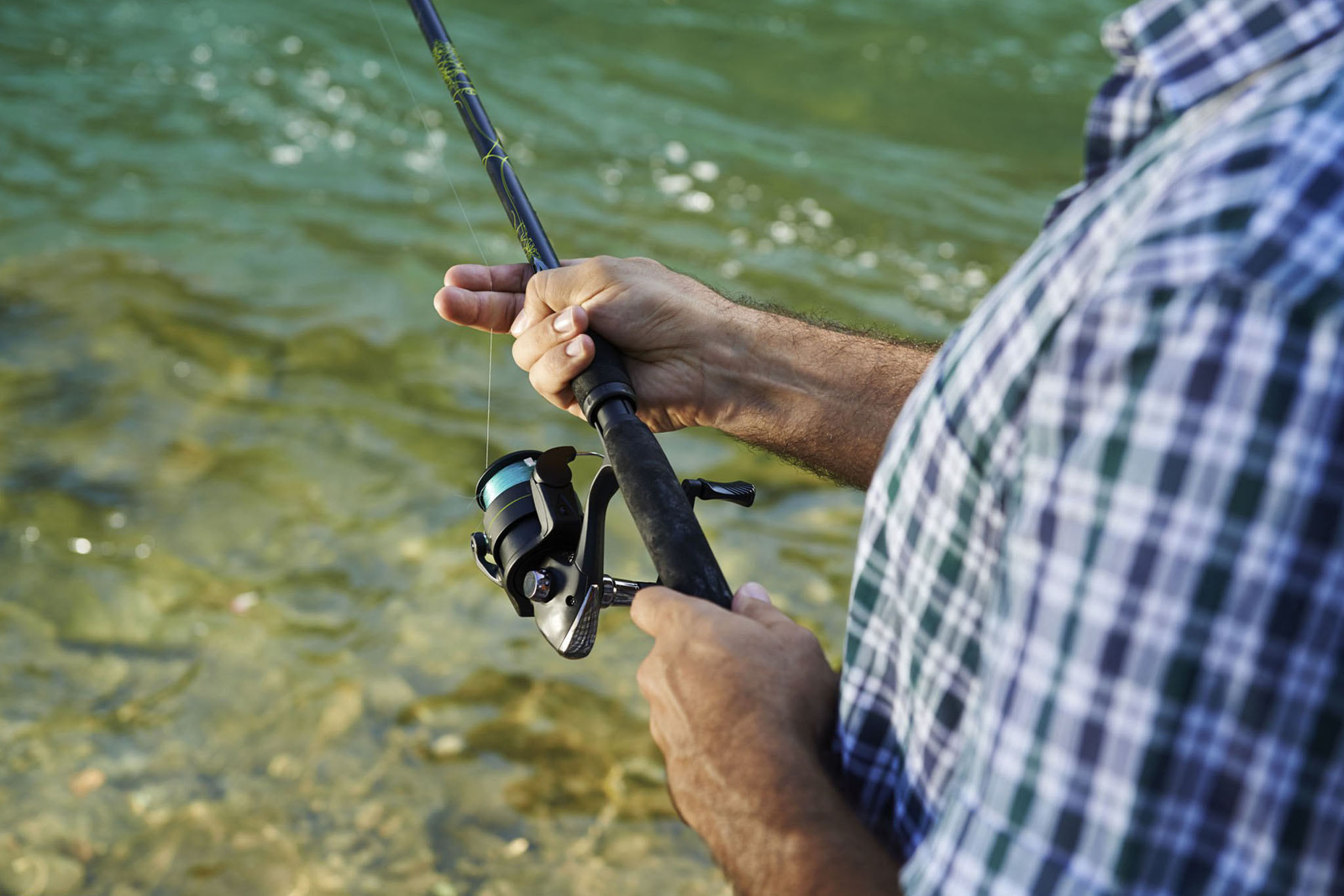



Understanding how sunlight influences fish behavior is one of the most overlooked advantages in fishing. While many anglers focus on lure selection, water temperature, or structure, the role of sun exposure often quietly determines where and when fish feed. Sunlight doesn’t just warm the air—it reshapes underwater ecosystems hour by hour, creating temporary feeding zones that can dramatically improve your success if you know how to recognize them.
These solar-driven feeding opportunities are especially important during late winter, early spring, and seasonal transitions, when fish are highly sensitive to even small environmental changes. Learning how sun exposure affects water temperature, baitfish movement, oxygen levels, and predator positioning gives anglers a powerful edge.
This guide breaks down exactly how sun exposure creates temporary feeding zones and how you can use that knowledge to consistently locate active fish.
The Science Behind Sun Exposure and Water Temperature
Water warms and cools much more slowly than air, but sunlight can still create meaningful temperature differences in localized areas. Even a change of just 1–3°F can trigger feeding activity, especially in colder seasons.
Sun exposure affects water in three primary ways:
1. Surface Heating
Sunlight warms the water’s surface first. This warming spreads gradually downward and outward, affecting nearby structure and shoreline areas.
Shallow water warms faster because:
- It contains less volume
- Sunlight penetrates more effectively
- The bottom absorbs and radiates heat upward
These slightly warmer zones attract baitfish first—and predators follow.
2. Heat Absorption by Structure
Certain materials absorb and retain heat more effectively, including:
- Rocks
- Mud bottoms
- Dark vegetation
- Fallen timber
- Riprap banks
These structures warm faster than surrounding water and create localized temperature pockets.
Fish instinctively seek out these warmer zones because warmer water improves:
- Metabolism
- Digestion
- Mobility
- Feeding efficiency
Even small heat differences can concentrate fish in predictable areas.
3. Solar Angle and Duration
Sun exposure varies based on:
- Time of day
- Bank orientation
- Season
- Cloud cover
- Wind conditions
South-facing banks in the Northern Hemisphere receive more direct sunlight, especially in winter and early spring. These areas consistently warm faster and attract feeding activity earlier in the day.
Why Baitfish Move Toward Sun-Exposed Areas
Predatory fish rarely move randomly. They follow food.
Sun exposure influences baitfish behavior because warmer water improves their survival and activity levels.
Sun-exposed zones provide:
- Slightly warmer temperatures
- Increased plankton activity
- Improved visibility for feeding
- Reduced stress from cold conditions
As plankton gathers in sunlit areas, baitfish follow. As baitfish gather, predators position themselves nearby.
This creates temporary feeding zones that may only exist for a few hours but can produce excellent fishing opportunities.
The Importance of Bank Orientation
One of the simplest and most effective strategies is targeting the correct shoreline.
South-Facing Banks
These receive the most direct sunlight throughout the day.
They warm earlier and stay warmer longer.
These banks are especially productive during:
- Late winter
- Early spring
- Cool mornings
- Post-cold front conditions
West-Facing Banks
These warm later in the day.
Fish often move here during afternoon hours after prolonged sun exposure.
This makes west-facing shorelines excellent afternoon targets.
North-Facing Banks
These receive less direct sunlight.
Water temperatures remain cooler longer.
Fish tend to use these areas less during colder periods but may return during summer heat.
How Sun Exposure Activates Shallow Feeding Windows
Fish don’t move shallow randomly. Sun exposure creates predictable timing patterns.
Morning: Slow Start
Early in the morning, water temperatures remain cool from overnight conditions.
Fish often stay:
- Slightly deeper
- Near structure
- In protected areas
Feeding activity may be limited.
However, as sunlight begins warming shallow areas, baitfish gradually move shallower.
Predators follow shortly after.
Midday: Peak Solar Feeding Window
Midday often provides the most consistent solar-driven feeding activity.
During this period:
- Shallow zones reach peak warmth
- Baitfish become more active
- Predator metabolism increases
- Fish move into feeding positions
Fish commonly position near:
- Shallow flats near deeper water
- Rock banks
- Vegetation edges
- Transition zones
These areas provide both feeding opportunities and quick escape routes.
Afternoon: Extended Feeding Opportunities
Prolonged sun exposure can extend feeding activity into late afternoon.
Fish often:
- Move slightly farther into shallow areas
- Feed more aggressively
- Remain active longer
This is especially true during cold-to-moderate seasonal transitions.
The Role of Dark Bottom Composition
Bottom composition plays a major role in heat absorption.
Dark materials absorb heat faster than light materials.
Highly productive heat-absorbing bottoms include:
- Mud
- Dark sand
- Organic debris
- Vegetation-covered bottoms
These areas warm faster and attract baitfish earlier.
Fish often concentrate along edges where dark bottoms transition into deeper water.
Vegetation as a Solar Heat Trap
Aquatic vegetation plays a major role in creating feeding zones.
Vegetation:
- Absorbs sunlight
- Traps heat
- Provides oxygen
- Offers cover for baitfish
Sun-exposed grass beds often become feeding hotspots.
Fish position along:
- Outside grass lines
- Open pockets within vegetation
- Transition edges
These areas allow predators to ambush prey effectively.
How Calm Conditions Enhance Solar Feeding Zones
Wind can mix water and reduce localized warming.
Calm conditions allow solar heating to remain concentrated.
This strengthens feeding zone formation.
Protected areas that warm quickly include:
- Coves
- Bays
- Backwater pockets
- Shoreline corners
These areas often produce excellent fishing during sunny, calm days.
Seasonal Importance of Solar Feeding Zones
Late Winter and Early Spring
This is when solar feeding zones are most important.
Fish seek warmer areas to:
- Recover from winter stress
- Improve metabolism
- Prepare for spawning
Sun-exposed areas often produce the first consistent feeding activity of the year.
Fall
Solar warming can extend feeding activity as water temperatures begin cooling.
Fish use sun-exposed zones to maintain feeding efficiency.
Summer
Solar feeding zones are less temperature-driven but still important during early morning and evening transitions.
Shade becomes more important than heat during hot months.
Structure That Amplifies Solar Feeding Effects
Certain structures increase the effectiveness of sun-driven feeding zones.
Highly productive structures include:
- Riprap banks
- Rock piles
- Fallen trees
- Dock pilings
- Weed edges
- Shallow flats near drop-offs
These structures absorb heat and provide ambush opportunities.
Fish rarely position randomly—they use these features strategically.
How Fish Position Within Solar Feeding Zones
Fish position themselves where they can:
- Conserve energy
- Access food efficiently
- Remain protected
Common positioning locations include:
- Edge of warming zones
- Transition from shallow to deep water
- Shadow lines near sunlit areas
- Structure within warm zones
Fish often remain close to deeper water for safety while feeding in warmer shallows.
How Cloud Cover Changes Feeding Zone Formation
Cloud cover reduces solar heating.
This slows feeding zone formation.
Fish may remain:
- Deeper
- Less active
- More structure-oriented
However, brief sun exposure periods during cloudy days can trigger sudden feeding bursts.
These short windows can be extremely productive.
How to Identify Solar Feeding Zones Quickly
Look for areas with maximum sunlight exposure.
Key indicators include:
- South-facing shorelines
- Dark bottom composition
- Protected coves
- Shallow water near deeper structure
- Vegetation receiving direct sunlight
- Calm, wind-protected areas
Combine multiple factors for best results.
The more heat-absorbing features present, the stronger the feeding zone.
Strategic Fishing Approach for Solar Feeding Zones
Start by targeting sun-exposed areas during midday.
Focus on:
- Transition zones
- Structure edges
- Shallow flats near deeper water
Move gradually shallower as the day progresses.
Fish often move in stages as warming increases.
Remain patient and observe environmental changes.
Why These Feeding Zones Are Temporary
Solar feeding zones are not permanent.
They shift based on:
- Sun angle
- Time of day
- Weather changes
- Wind conditions
- Seasonal progression
Fish constantly adjust to maximize feeding efficiency while conserving energy.
Understanding these movements allows anglers to stay ahead of fish positioning.
Long-Term Advantage of Understanding Sun Exposure
Anglers who recognize solar-driven feeding zones gain a consistent advantage.
Instead of relying on luck, they understand:
- Where fish will move
- When feeding activity will increase
- How environmental conditions shape behavior
This knowledge applies across species, including:
- Bass
- Trout
- Crappie
- Walleye
- Pike
Sun exposure is one of the most reliable predictors of short-term feeding activity.
Final Thoughts
Sun exposure is a powerful but often underestimated factor in fishing success. By creating localized warming zones, sunlight triggers baitfish movement, increases predator metabolism, and creates temporary feeding opportunities that anglers can exploit.
These feeding zones may only last hours, but they can dramatically increase catch rates when properly understood.
The most successful anglers don’t just fish randomly—they follow environmental signals. By targeting sun-exposed areas, understanding structure interaction, and recognizing seasonal timing, you can consistently locate fish when they are most active.
Mastering this concept transforms fishing from guesswork into a predictable, strategic pursuit—and turns ordinary days on the water into consistently productive ones.