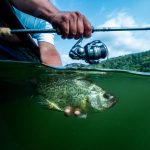
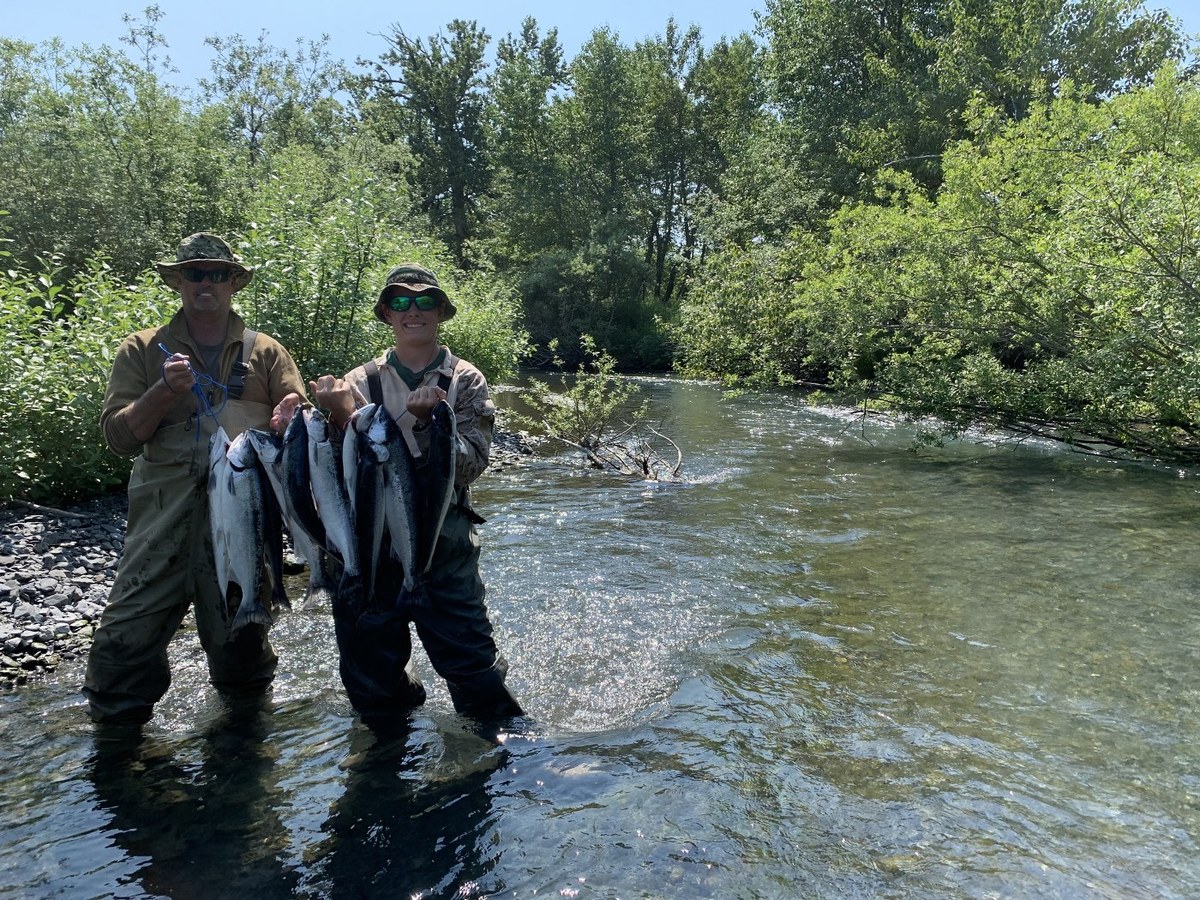
Early spring fishing can be frustrating: one day, fish are actively chasing bait in shallow flats, and the next, bites vanish as if winter never left. Understanding why sudden cold fronts dramatically alter fish behavior is key to consistent early spring angling success. Fish are ectothermic—meaning their body temperature depends on the water—and their movements, feeding patterns, and energy use are highly sensitive to temperature fluctuations.
How Cold Fronts Affect Water and Fish
A cold front doesn’t just bring a drop in air temperature—it impacts the entire aquatic environment:
- Water Temperature Drops: Even a slight decrease in water temperature can slow metabolism, making fish less active.
- Thermal Stratification Changes: In lakes and reservoirs, a cold front can mix surface and bottom waters, disrupting the temperature layers fish were using to stage and feed.
- Oxygen Levels Fluctuate: Sudden shifts in temperature can affect oxygen solubility, especially in shallow areas, prompting fish to seek deeper or more stable waters.
These changes force fish to temporarily abandon their early spring feeding zones and retreat to winter holding patterns.
Winter Holding Patterns Explained
During winter, fish tend to:
- Conserve Energy: They reduce movement and feed sparingly.
- Seek Deeper, Stable Water: Deeper areas maintain a more consistent temperature and protect fish from sudden cold.
- Cluster Near Cover or Structure: Submerged timber, rock piles, or creek channels provide shelter and maintain energy efficiency.
When a cold front hits in early spring, fish instinctively revert to these behaviors, effectively pausing their push toward spawning or feeding flats.
Species-Specific Responses to Cold Fronts
Different species react in unique ways:
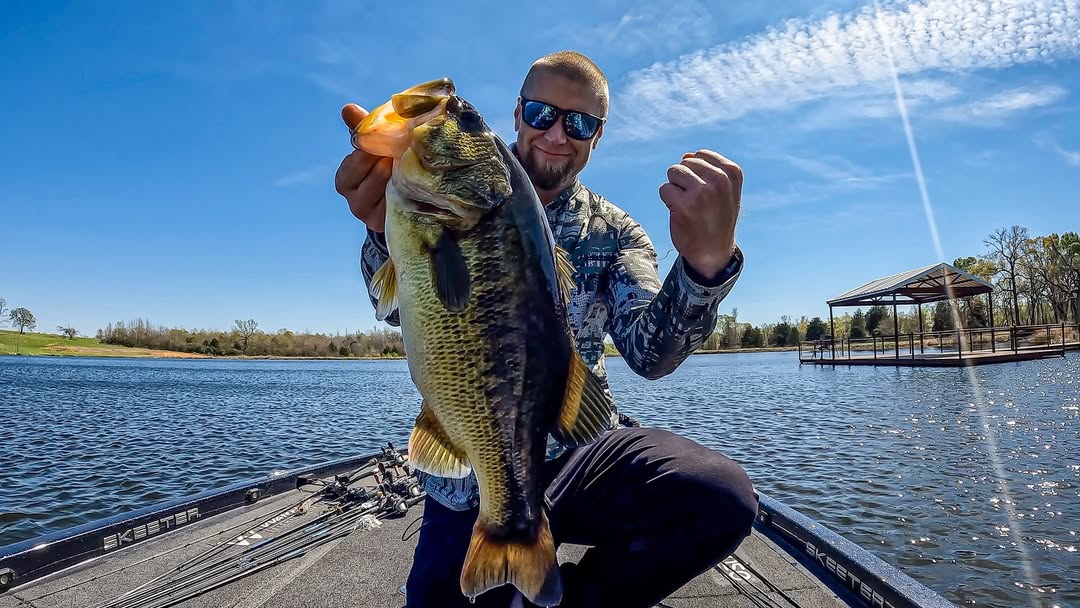
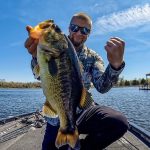
- Largemouth Bass: Retreat from shallow vegetation to deeper, protected pockets near points or secondary channels.
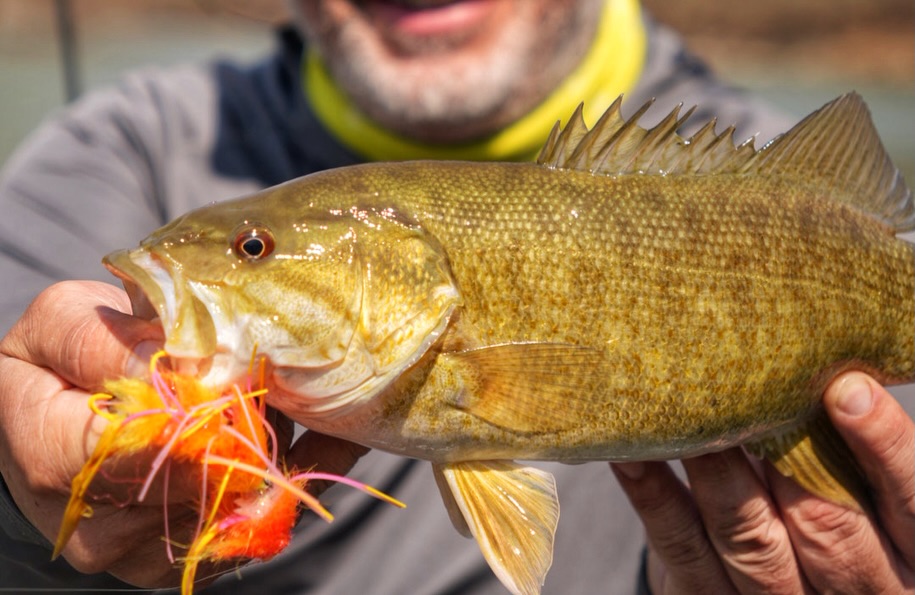
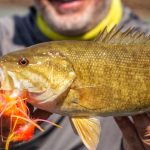
- Smallmouth Bass: Move from rocky flats to deeper ledges or creek channels with stable currents.
- Crappie: Suspend in deeper water near structure rather than remaining on shallow staging areas.
- Walleye: Pull back from newly warmed flats and hold in deeper main-lake areas or along creek channels, often becoming nocturnal feeders.
Recognizing these species-specific adjustments allows anglers to adapt strategies quickly when weather turns cold.
Tactics for Fishing After a Cold Front
- Focus on Deeper Holding Areas: Channels, drop-offs, and submerged structure often contain the relocated fish.
- Slow Down Presentations: Fish are conserving energy; subtle presentations are more effective than fast-moving lures.
- Target Protected Zones: Wind-sheltered bays, creek mouths, and deep points maintain slightly more stable temperatures.
- Adjust Depths Continuously: Fish may suspend at different levels depending on temperature and oxygen availability.
- Plan Around Weather Windows: Fish are most active before and after the cold front passes, not during the sharpest temperature drops.
Why Understanding Cold Fronts Is Crucial
- Avoid Frustration: Knowing why bites disappear helps anglers avoid wasted trips.
- Improve Consistency: Adjusting to fish behavior shifts allows continued success even during early spring volatility.
- Predict Movement Patterns: Observing fish retreat patterns helps anticipate their next move once the water warms again.
Conclusion
Early spring fishing is a delicate dance between warming waters and lingering winter conditions. Sudden cold fronts remind anglers that fish are still finely tuned to temperature and environmental changes. When water temperatures dip, fish retreat into winter patterns to conserve energy, seek stable water, and protect themselves from environmental stress.
Successful anglers understand these shifts, adjust their techniques, and target deeper, protected, or structurally rich areas until fish resume their movement toward feeding and spawning zones. By respecting fish behavior during cold snaps, anglers can maintain early spring success even when Mother Nature throws a curveball.