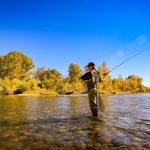
As winter loosens its grip and water temperatures slowly rise, fish enter a critical transitional period before spawning. During this time, they are neither in their deep winter holding spots nor fully on the shallow spawning flats. Instead, fish stage in intermediate locations that allow them to conserve energy, feed efficiently, and prepare for reproduction. Understanding where fish stage in early spring is key for anglers who want to get ahead of the spawning rush.
What Staging Areas Are and Why They Matter
Staging areas are zones where fish gather before making their final move to spawning grounds. These areas are usually located near:
- Depth transitions: Between deep winter water and shallow spawning flats.
- Structural features: Such as submerged points, creek channels, ledges, or vegetation edges.
- Temperature pockets: Slightly warmer microhabitats that accelerate metabolism without exposing fish to predators.
By spending time in these staging areas, fish can feed, regain strength, and position themselves strategically for the next step of the spawning process.
Key Characteristics of Early Spring Staging Zones
- Moderate Depths: Fish avoid extreme depths or the very shallow flats until conditions are optimal. Channels, secondary points, and drop-offs often serve as comfortable staging zones.
- Shelter and Cover: Staging areas frequently include submerged timber, rock piles, vegetation, or shaded sections. These features provide protection from predators while fish prepare for spawning.
- Food Availability: Baitfish, aquatic insects, and other prey concentrate in staging areas. Access to ample food allows fish to replenish energy after winter and build reserves for spawning.
- Stable Water Temperatures: Early spring fluctuations can be challenging. Fish often seek microhabitats with slightly warmer water, such as south-facing points or sun-warmed creek channels, to regulate their metabolism before moving to flats.
How Different Species Use Staging Areas
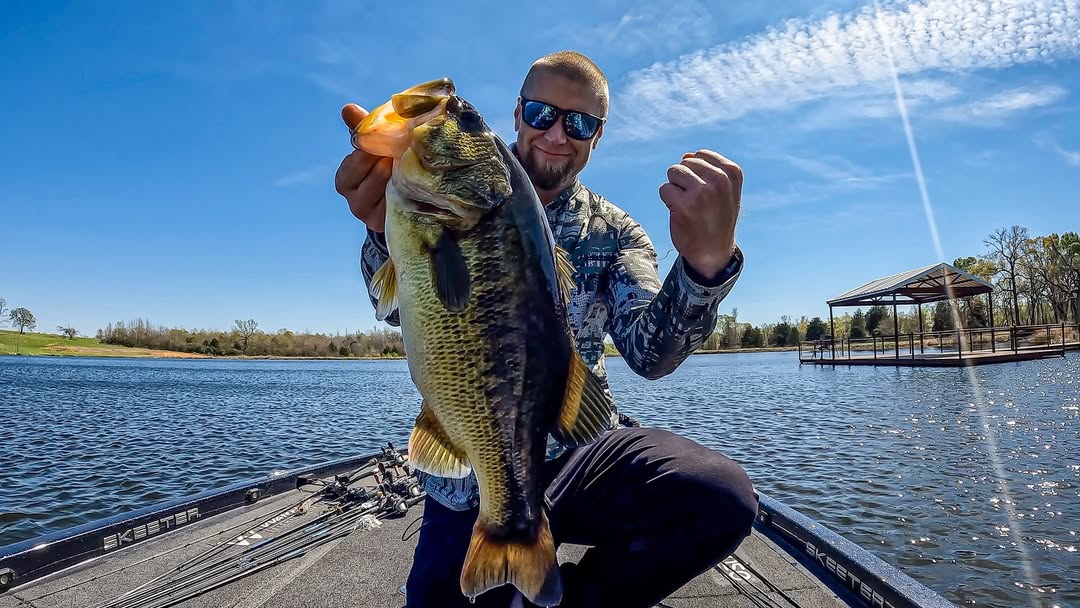
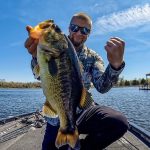
- Largemouth Bass: Often stage near vegetation edges, submerged timber, or secondary points, feeding opportunistically while avoiding colder flats.
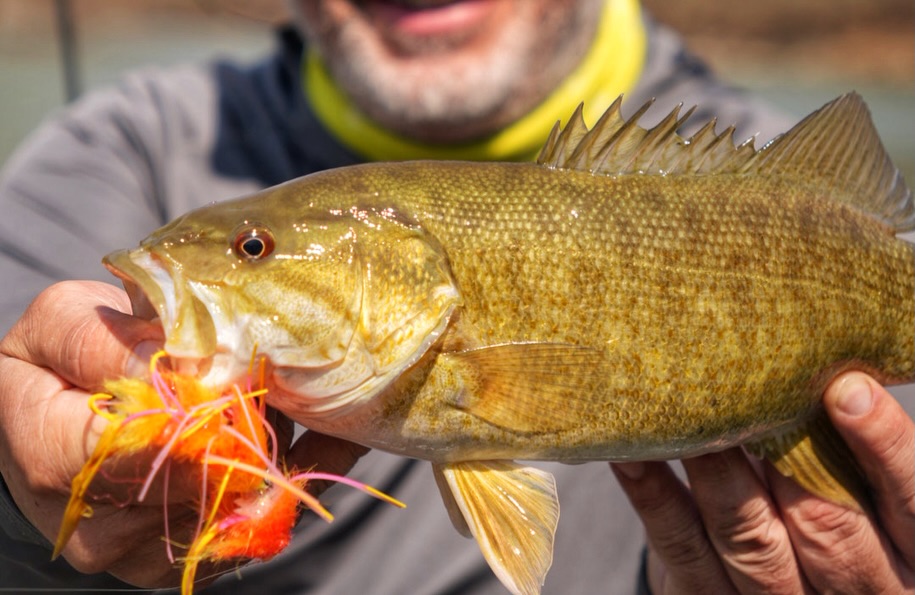
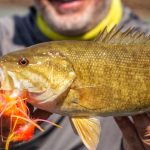
- Smallmouth Bass: Prefer rocky channels or ledges that provide cover and stable currents before pushing toward gravel or rocky spawning areas.
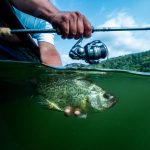
- Crappie: Suspend near structure in moderately deep water, feeding on baitfish that aggregate in these zones.
- Walleye: Stage along deep edges of shallow flats or near creek mouths, often moving at night to feed in slightly shallower water.
Recognizing these species-specific preferences allows anglers to target staging zones more effectively before fish migrate to spawning flats.
Environmental Factors That Influence Staging
Several environmental conditions dictate where and when fish stage:
- Water Temperature: Gradually warming water triggers feeding activity and signals fish to begin moving from winter holding areas.
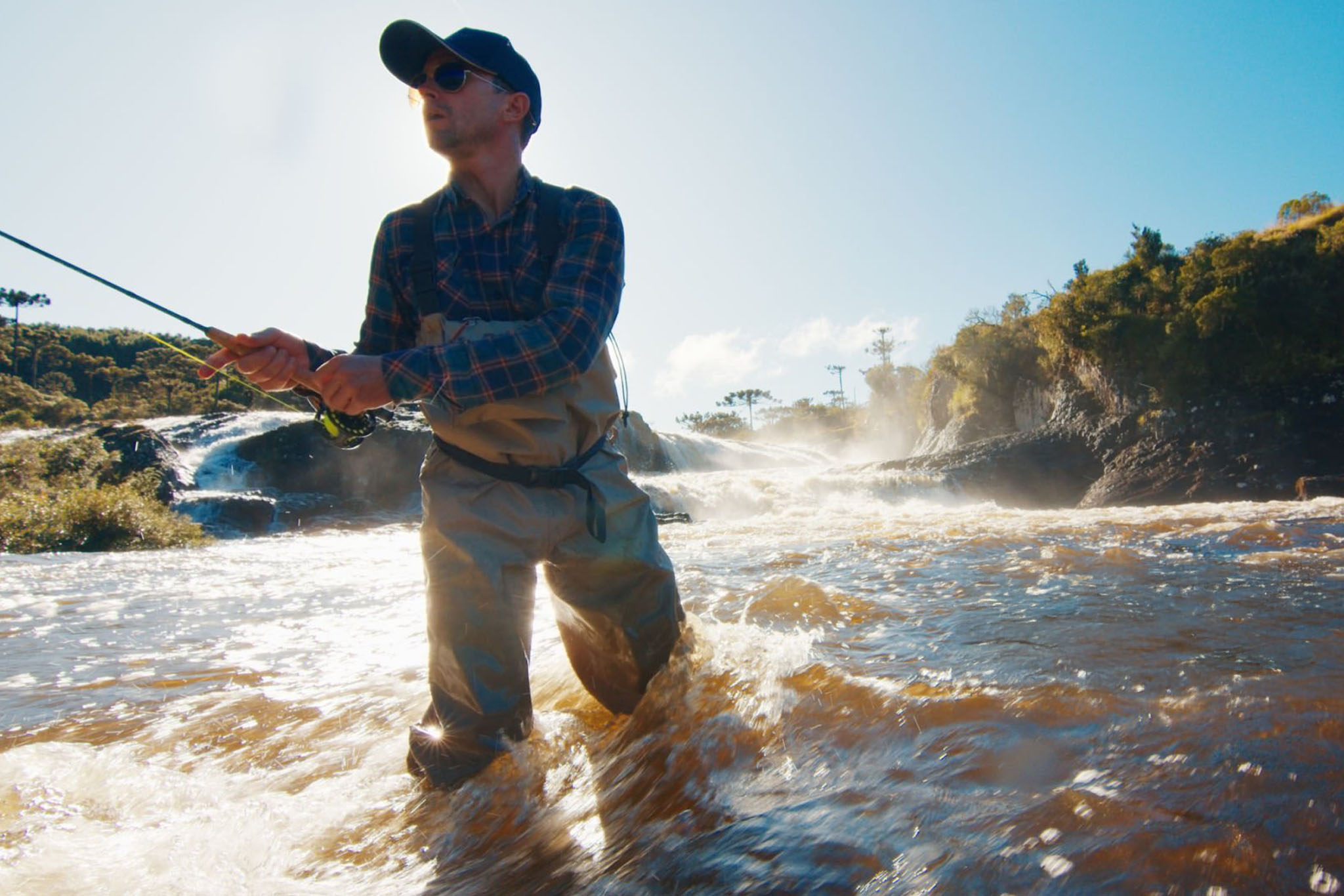
- Current and Flow: In rivers and reservoirs, fish stage along sheltered eddies, channels, or slower-flowing pockets to conserve energy while preparing for spawning.
- Wind and Sun Exposure: South-facing flats or points that receive morning sun often attract staging fish, as these areas warm slightly faster than surrounding water.
- Predator Pressure: Fish may delay moving to spawning flats if predators are abundant, remaining in deeper or more protected staging zones until it’s safer.
How Anglers Can Exploit Staging Zones
- Identify Transition Areas: Look for depth changes, channels, creek mouths, and points that connect winter and spawning zones.
- Use Slow, Accurate Presentations: Fish in staging areas are often less aggressive than post-spawn fish. Subtle baits and slow retrieves yield better results.
- Target Edges and Cover: Fish often hang near structure in staging zones—edges of submerged timber, rocks, or vegetation are prime targets.
- Time Your Fishing Around Weather Changes: Warm fronts, extended sunny periods, or consecutive warm days can trigger fish to move from staging areas to flats. Fishing just ahead of these shifts can produce consistent early spring catches.
Why Staging Zones Are Critical for Early Spring Success
Many anglers focus exclusively on spawning flats once water temperatures rise. However, understanding staging behavior gives a strategic advantage:
- Consistent Early Action: Staging zones offer predictable locations for early spring fishing before flats are fully active.
- Energy-Focused Targeting: Fish in these areas are preparing for reproduction and feeding aggressively, often making them more catchable.
- Insight Into Seasonal Patterns: Observing staging areas helps predict spawning movements and locate productive flats once the spawn begins.
Conclusion
Early spring is a pivotal time in the lifecycle of freshwater fish. Before they move to shallow spawning flats, fish rely on staging areas to conserve energy, feed efficiently, and navigate environmental challenges. Anglers who understand where fish stage and how species utilize these zones can consistently catch fish during this transitional period.
Targeting staging areas not only improves early spring fishing success but also provides valuable insight into fish behavior, giving anglers a head start before the spawning rush.