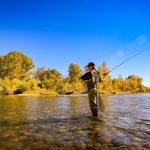

As winter loosens its grip and water temperatures gradually rise, fish begin making subtle but critical movements in preparation for spring feeding and spawning. One of the most overlooked yet highly productive areas during this seasonal transition is the network of creek channels that feed into lakes, rivers, and reservoirs. Understanding how these natural underwater highways function can drastically improve early spring fishing success.
Creek Channels: Nature’s Migration Corridors
Creek channels act as natural conduits connecting deeper winter holding areas with shallow spring feeding zones. They are often deeper than the surrounding flats but shallower than main lake points, providing a perfect transitional environment for fish moving toward warmer waters.
Key features of creek channels that attract fish in early spring include:
- Gradual Depth Transitions: Channels provide depth variation that allows fish to conserve energy while gradually moving to shallower waters.
- Temperature Stability: Water in creek channels tends to warm faster than deep lakes but slower than shallow flats, creating comfortable zones for fish to acclimate.
- Sheltered Movement: Channels offer protection from wind, waves, and predators, allowing fish to move efficiently without exposing themselves unnecessarily.
During early spring, many predator species—including largemouth bass, smallmouth bass, crappie, and walleye—use creek channels as the quickest route from winter holding spots to productive feeding areas.
How Fish Use Creek Channels
Fish do not move randomly in early spring. Their movement is strategic, aimed at conserving energy while maximizing feeding opportunities. Creek channels serve as staging and travel zones for multiple reasons:
1. Energy-Efficient Travel
Cold water slows metabolism, so fish prefer paths that allow them to move with minimal effort. Creek channels’ natural contours create “highways” where fish can glide along current edges and depth drops without excessive swimming.
2. Feeding Opportunities Along the Way
Baitfish and aquatic invertebrates often concentrate along creek channels because the moving water supplies nutrients and carries small organisms downstream. Predator fish follow these concentrations, making creek channels prime feeding zones even before water temperatures peak.
3. Protection From Environmental Stress
Spring can bring unpredictable weather, including cold snaps, wind, or rain. Creek channels provide sheltered routes that allow fish to adjust their position quickly. Fish can retreat to deeper sections of the channel when temperatures drop or currents strengthen, then continue moving toward feeding flats once conditions stabilize.
4. Connection to Spawning Zones
For many species, creek channels act as navigational guides toward early shallow spawning zones. Fish can stage in channels, feeding and gaining energy, before pushing into shallow flats to spawn. This pattern makes creek channels especially important during the pre-spawn period.
Species-Specific Behavior in Creek Channels
Different fish species utilize creek channels in unique ways:
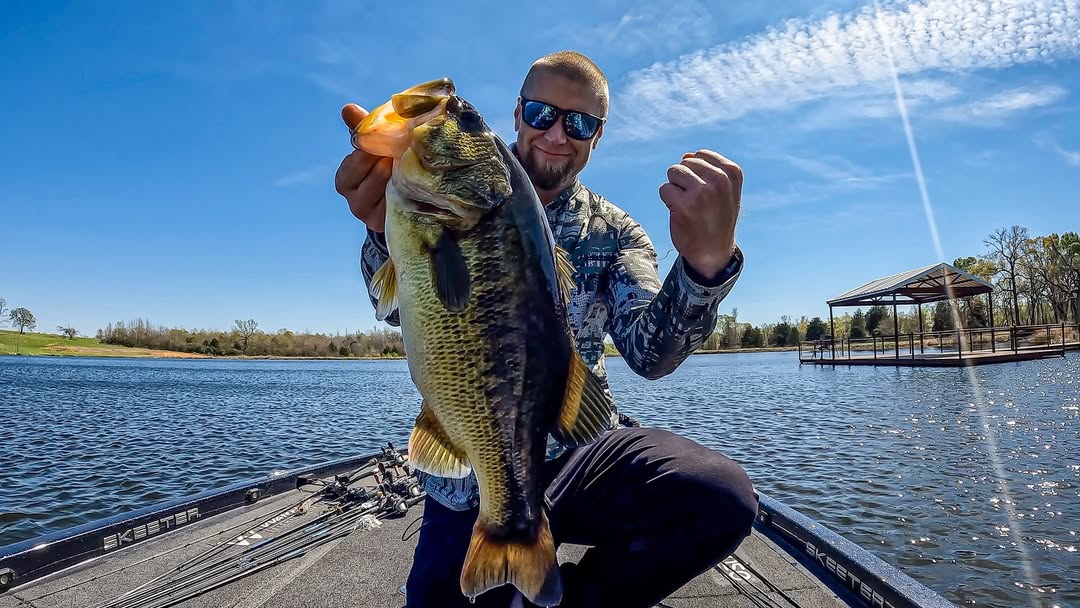
- Largemouth Bass: Often move along vegetated channel edges, ambushing prey and staging before shallow water access.
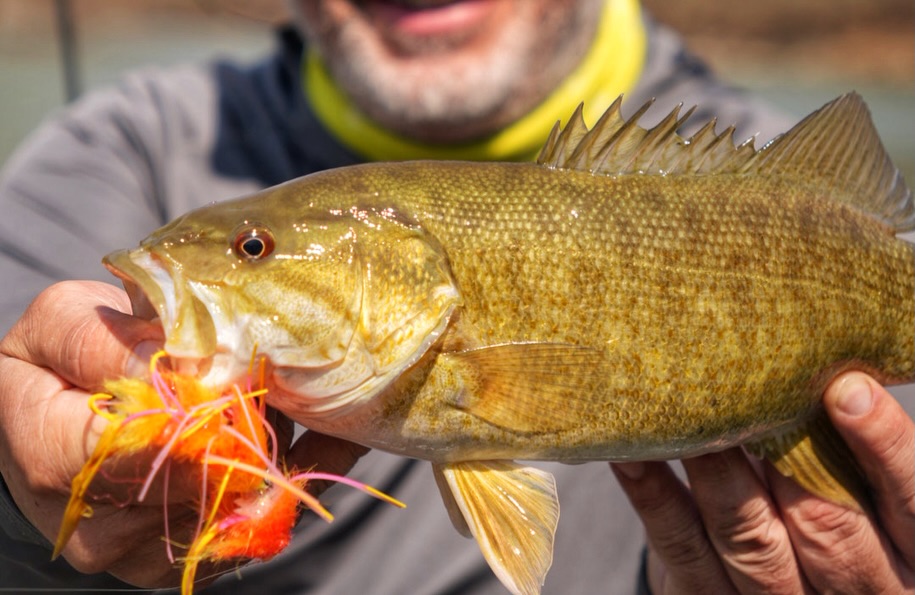
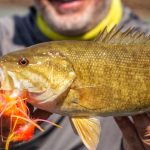
- Smallmouth Bass: Prefer rocky or gravelly channels that provide cover and high oxygen water.
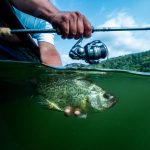
- Crappie: Suspend near channel edges, feeding on baitfish moving upstream.
- Walleye: Use channels at night for travel and feeding, exploiting darker, deeper sections.
Recognizing species-specific preferences can help anglers choose the right depth, bait, and presentation along creek channels.
Why Creek Channels Outperform Open Flats Early in Spring
Early spring flats are still cold, shallow, and often lack sufficient bait activity. Fish prefer creek channels because:
- They warm gradually, creating comfortable staging zones.
- They provide easier access to food sources than exposed flats.
- They offer safe passage from winter holding areas without energy waste.
- They allow fish to respond quickly to environmental changes.
Anglers targeting early spring fish often see better results by focusing on creek channels rather than open shallow flats, which may remain unproductive until temperatures stabilize.
How to Identify High-Probability Creek Channels
Some key characteristics make certain creek channels more productive during early spring:
- Connection to Winter Holding Areas: Channels linking deep water or backwater ponds to feeding flats are especially reliable.
- Gradual Depth Contours: Channels with a mix of shallow edges and moderate depth provide comfortable staging zones.
- Baitfish Activity: Look for visible baitfish or signs of disturbance along channel edges.
- Protected Areas: Channels sheltered from wind and surface turbulence often hold more fish.
- Vegetation and Cover: Submerged timber, rocks, and aquatic plants along channels attract and hold both prey and predators.
Sonar, depth maps, and local knowledge can help anglers pinpoint these “highways” for maximum early spring success.
Tactics for Fishing Creek Channels
- Slow Presentations: Fish are less aggressive in cold water, so slow-moving baits near channel edges work best.
- Target Edges and Contours: Focus on transitions between the channel and adjacent flats, where baitfish concentrate.
- Vary Depths: Fish may suspend at different depths depending on temperature, current, and cover.
- Time Your Fishing: Early morning and late afternoon often produce the most active movement in channels, though midday can also see bites as water warms slightly.
Conclusion: Creek Channels Are Early Spring Game-Changers
During the seasonal transition, creek channels act as natural highways that fish depend on to conserve energy, feed, and prepare for spawning. They concentrate both baitfish and predators, offering anglers consistent opportunities for success before flats fully warm.
By understanding fish behavior, identifying high-probability channels, and adjusting tactics to early spring conditions, anglers can consistently locate and catch fish during this critical transitional period—long before the crowds arrive at shallow flats.
Targeting creek channels now is not just smart; it’s essential for anglers looking to stay ahead in early spring fishing.