

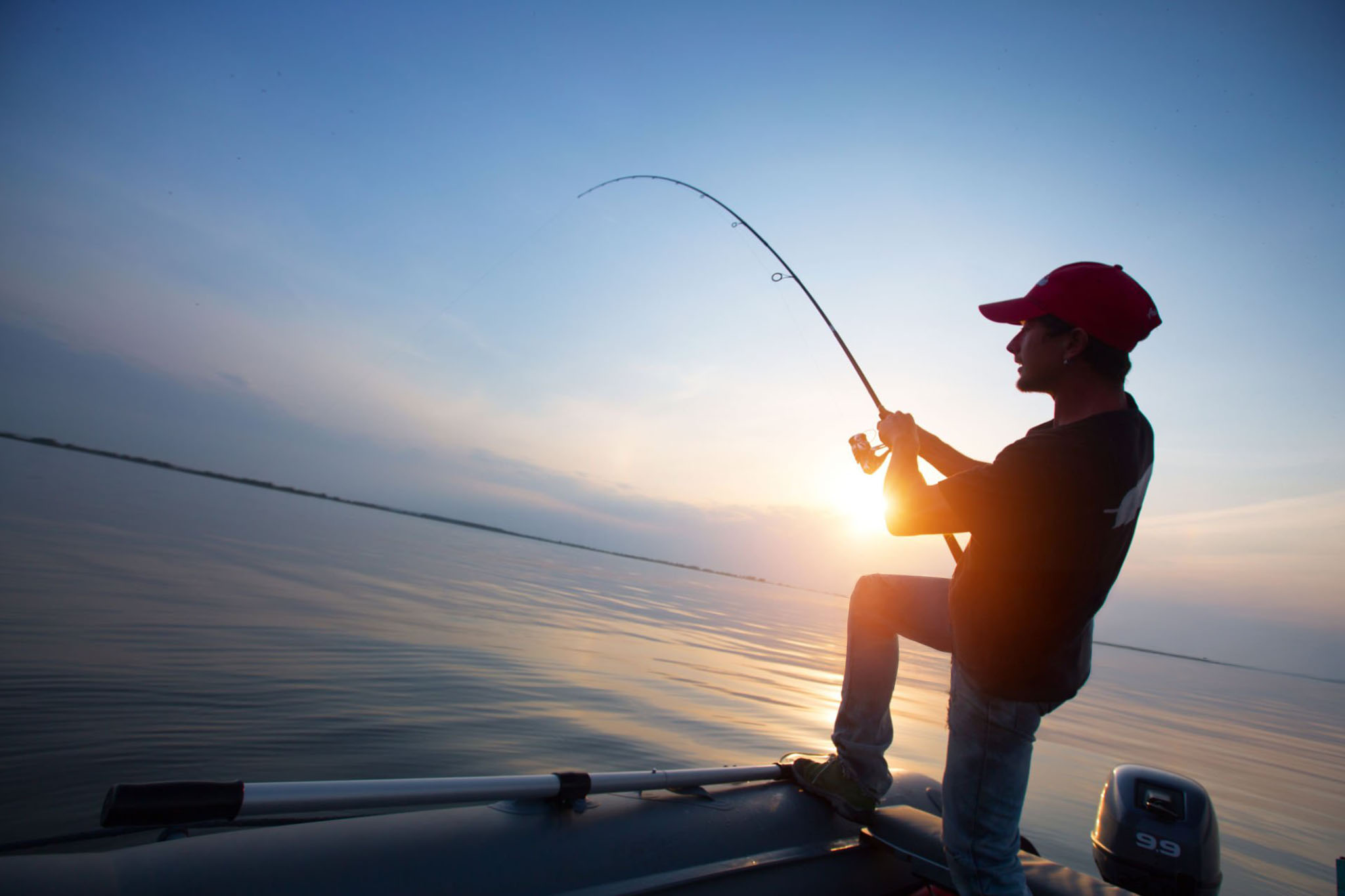
As late winter transitions into early spring, fish behavior begins shifting in subtle but predictable ways. While many anglers focus on obvious structural features like main lake points, experienced anglers know that secondary points often hold significantly more fish during this specific seasonal window. These less obvious structures serve as staging areas, feeding zones, and energy-efficient holding locations for fish preparing to move shallow.
Understanding why fish prefer secondary points right now can dramatically improve fishing success and help anglers consistently locate active fish during this transitional period.
What Are Secondary Points?
A secondary point is an underwater or shoreline extension located inside creeks, coves, or tributary arms rather than on the main body of the lake. These points are typically positioned between deep main lake water and shallow spawning flats.
They function as natural checkpoints along fish migration routes.
Unlike main lake points, which are directly exposed to open water conditions, secondary points offer a more controlled and stable environment.
Common locations include:
- Points halfway back inside coves
- Structure near creek channel bends
- Subtle points near spawning flats
- Gravel or rock points inside protected arms
These locations naturally intercept fish moving from winter holding areas toward spring feeding and spawning zones.
Fish Are Moving Inward, Not Fully Shallow Yet
Right now, most fish are not fully committed to shallow water. Instead, they are transitioning gradually from deep winter areas toward shallower spring habitat.
Secondary points lie directly along this migration path.
Fish use these areas as stopping points where they can:
- Rest
- Feed
- Adjust to changing water temperatures
- Evaluate environmental conditions
Main lake points are often too far from eventual spawning zones, while shallow flats may still be too cold or exposed.
Secondary points provide the perfect middle ground.
Secondary Points Offer More Stable Water Temperatures
Water temperature plays a major role in early spring fish positioning.
Secondary points located inside creeks and coves warm faster than main lake points. This happens because:
- Protected areas receive more direct sunlight
- Reduced wind exposure allows water to retain heat
- Shallower surrounding water warms faster
Even small temperature differences of one or two degrees can attract baitfish.
Predator fish follow these baitfish, concentrating activity around secondary points.
Main lake points, exposed to open water, often remain colder and less attractive during this stage.
Reduced Current and Wind Exposure Conserves Fish Energy
Fish emerging from winter are still conserving energy.
Secondary points offer natural protection from wind and strong current. This makes them more comfortable holding areas.
Main lake points, by contrast, are exposed to:
- Stronger wind-driven current
- Sudden temperature fluctuations
- Increased wave action
These unstable conditions require fish to expend more energy to maintain position.
Secondary points allow fish to remain in productive feeding areas while minimizing energy expenditure.
This efficiency makes them highly attractive during seasonal transition.
Baitfish Concentrate More Heavily Around Secondary Points
Baitfish move toward warmer, calmer, and more productive areas first.
Secondary points provide ideal baitfish habitat because they offer:
- Gradual depth transitions
- Protection from predators
- Access to warming shallows
- Plankton-rich environments
As baitfish gather along secondary points, predator fish follow.
This creates consistent feeding opportunities.
Main lake points often lack the same level of baitfish concentration during early spring.
Secondary Points Provide Easy Access to Deep Escape Routes
Fish prefer areas that allow quick access to safety.
Secondary points typically connect directly to creek channels or deeper water corridors.
This allows fish to move deeper quickly if conditions change, such as:
- Sudden cold fronts
- Increased fishing pressure
- Rapid weather changes
This depth flexibility increases fish confidence and encourages longer holding periods.
Main lake points may offer deep water, but they are not as closely connected to spawning migration routes.
Secondary points provide both safety and forward progression.
Secondary Points Act as Staging Areas Before Spawning
Fish rarely move directly from winter depths into spawning areas.
Instead, they stage along secondary points for days or weeks.
These staging areas allow fish to:
- Feed heavily before spawning
- Adjust to warming water temperatures
- Prepare physically for spawning activity
Secondary points closer to spawning flats become especially productive during this time.
Fish often remain grouped in these areas, creating concentrated fishing opportunities.
Main lake points serve earlier seasonal roles but become less important as fish move inward.
Structural Complexity Increases Fish Holding Potential
Secondary points often have more structural detail than main lake points.
This may include:
- Rock transitions
- Gravel patches
- Submerged timber
- Channel swings
- Irregular depth contours
These features provide:
- Ambush cover
- Feeding advantages
- Protection
- Multiple holding positions
Fish can position precisely where conditions best suit their needs.
Main lake points are often more uniform and less protected.
Secondary points provide more options and comfort.
Fishing Pressure Is Often Lower on Secondary Points
Many anglers instinctively fish main lake points because they are obvious and easy to identify.
Secondary points require more careful observation and understanding of fish migration routes.
As a result, they often experience less fishing pressure.
Fish holding in less pressured areas tend to:
- Remain calmer
- Feed more consistently
- Stay in predictable patterns
This increases angler success when targeting these overlooked locations.
Different Species Rely Heavily on Secondary Points Right Now
Several popular freshwater species depend on secondary points during seasonal transition.
Largemouth Bass
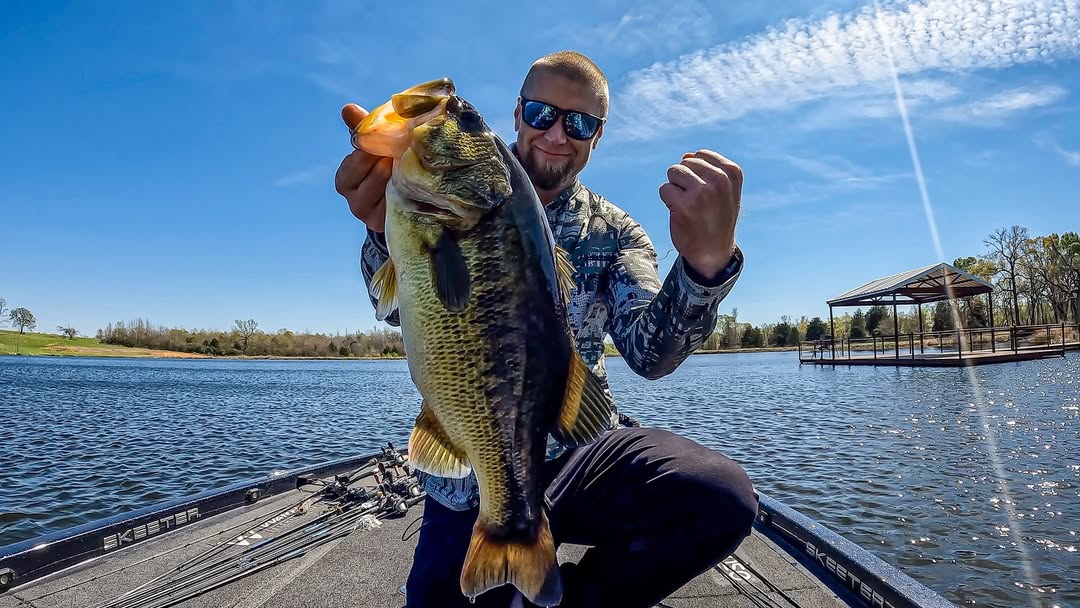
Largemouth bass use secondary points as pre-spawn staging locations. They often hold along depth breaks and move shallow temporarily during warming periods.
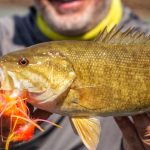
Smallmouth Bass
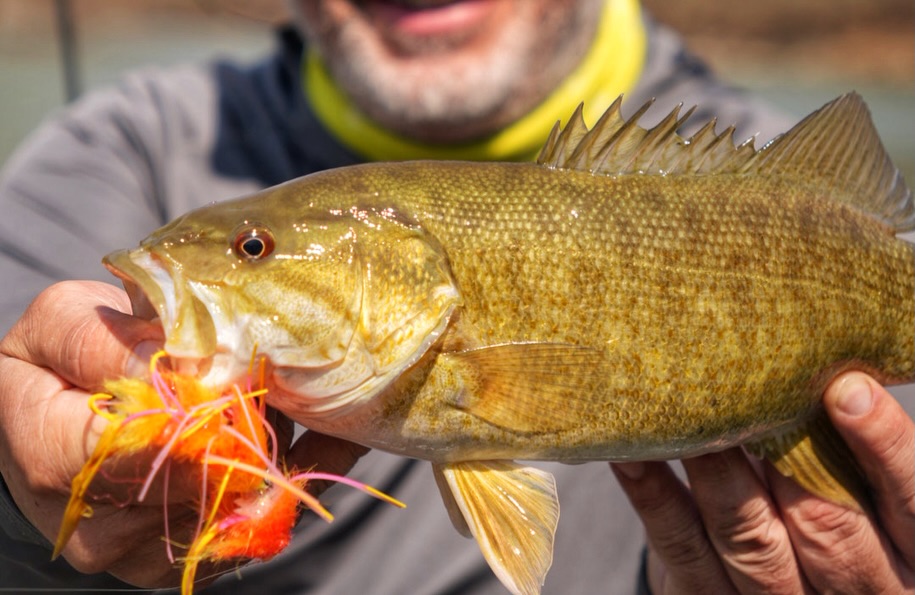
Smallmouth bass prefer secondary points with rock structure and nearby deep water access.
These areas provide ideal feeding and staging conditions.
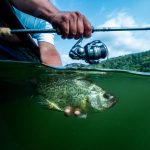
Crappie
Crappie suspend near secondary points inside coves before moving into shallow spawning areas.
They use these areas to feed and adjust to warming water.
Walleye
Walleye use secondary points along creek channels as feeding and transition zones.
They often patrol these areas during low-light periods.
Timing Is Critical During Seasonal Transition
Secondary points become most productive during the late winter to early spring transition.
Fish may use these areas for extended periods, especially when weather patterns remain unstable.
Warming trends increase feeding activity, while cold fronts may push fish slightly deeper—but still near secondary points.
These areas remain reliable because they provide everything fish need during transition.
How to Identify the Best Secondary Points
High-percentage secondary points usually share key characteristics:
- Located between deep winter water and spawning flats
- Connected to creek channels
- Contain rock, gravel, or mixed structure
- Offer depth changes nearby
- Located inside protected coves or creek arms
Lake maps and sonar help identify these structures quickly.
Focus on points that provide both feeding access and depth security.
Why Secondary Points Are the Best Target Right Now
During this stage of seasonal transition, fish are focused on progression toward spawning areas, not remaining in main lake winter habitat.
Secondary points provide:
- Warmer water
- Greater baitfish activity
- Energy-efficient holding areas
- Access to spawning routes
- Protection from unstable conditions
These advantages make secondary points far more productive than main lake points right now.
Final Thoughts: Secondary Points Are the Key to Consistent Early Spring Success
Secondary points are critical structural features during early spring because they align perfectly with fish seasonal needs.
They serve as feeding zones, migration checkpoints, and staging areas all at once.
Anglers who shift their focus from main lake points to secondary points during this period will consistently locate more fish and experience more reliable success.
Understanding seasonal movement and targeting these transition structures turns early spring fishing into a predictable and highly productive opportunity.