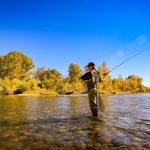


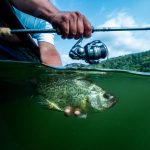
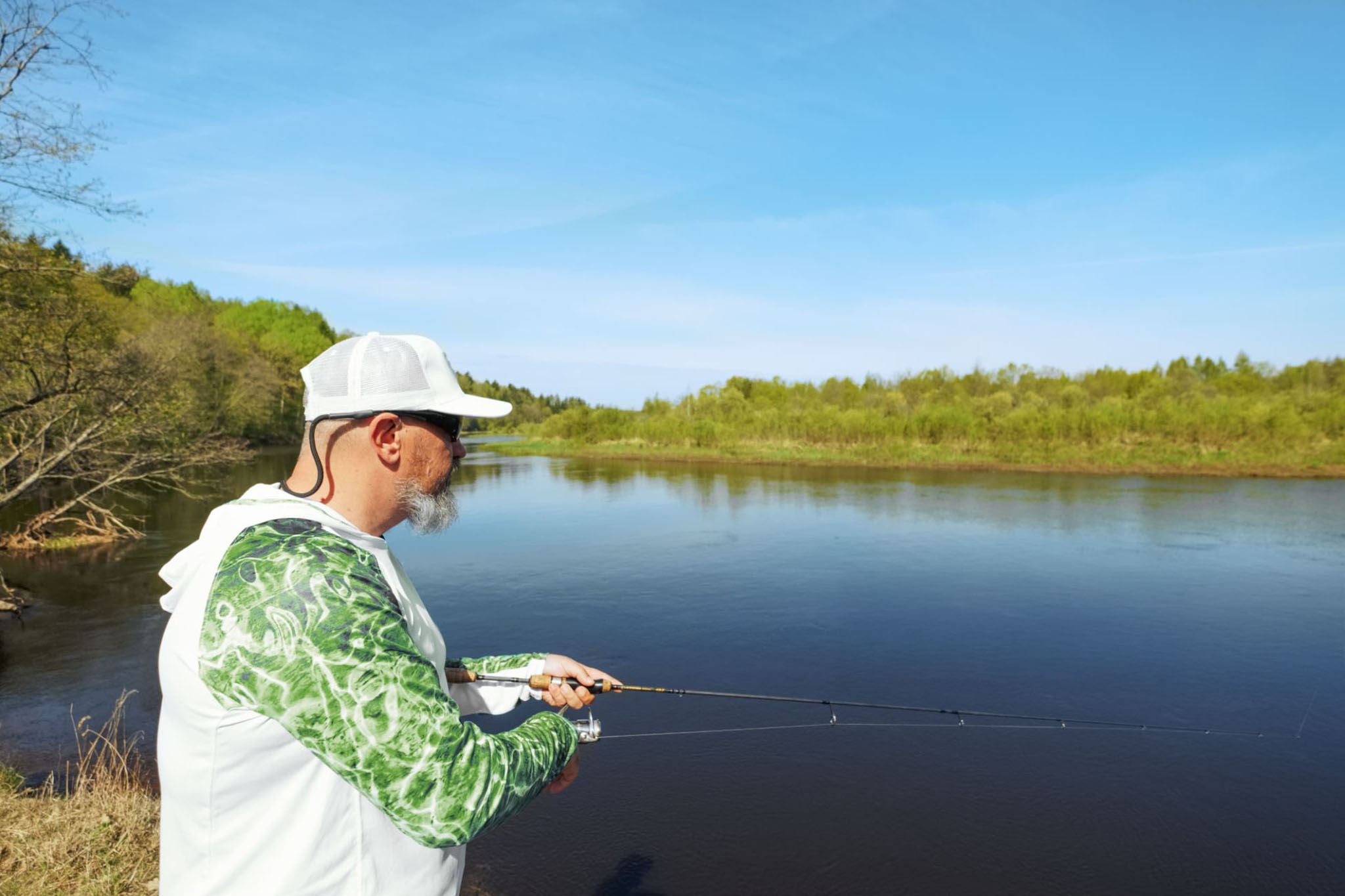
Every angler experiences it at least once each spring: one day the water feels lifeless, and the next day, fish are suddenly active, aggressive, and easier to locate. This dramatic shift is not random—it happens when water temperatures reach a critical threshold often called the seasonal turning point.
Understanding this turning point can transform your fishing success. It marks the moment when fish transition from winter survival mode into active feeding and seasonal movement patterns.
What Is the “Turning Point” in Spring Fishing?
The turning point refers to a specific water temperature range where fish metabolism increases rapidly, triggering behavioral changes almost overnight.
During winter, fish conserve energy. Their metabolism slows, feeding becomes minimal, and movement is limited. But once water temperatures rise into a species-specific range, their bodies respond immediately.
This shift activates:
- Increased feeding frequency
- Greater movement distances
- Movement toward shallower zones
- More predictable positioning
- Preparation for spawning cycles
The key factor is not just warming—but reaching a temperature threshold.
Why Just a Few Degrees Make Such a Big Difference
Fish are cold-blooded animals, meaning their internal systems depend entirely on external water temperatures.
Even a small temperature increase of 2–4°F can dramatically improve:
- Muscle performance
- Digestion efficiency
- Oxygen processing
- Energy production
When fish can digest food faster, they must feed more often. This creates sudden increases in feeding activity that anglers notice immediately.
Before the turning point, fish may feed once every couple of days. After it, they may feed multiple times per day.
The Overnight Effect Is Real
Water temperature doesn’t always rise slowly. A few consecutive warm days, combined with calm conditions and strong sunlight, can push water temperatures across a critical threshold quickly.
When this happens, fish behavior may change within 24 hours.
Anglers often notice:
- Increased strikes
- More aggressive hits
- Fish moving into shallower water
- Fish appearing in areas that were empty days before
This sudden change makes it seem like fish “appeared overnight,” when in reality they simply responded to improved environmental conditions.
Different Fish Species Have Different Turning Points
Each species becomes active at slightly different temperature ranges.
While exact temperatures vary by region, general turning points include:
- Bass: 48–55°F
- Crappie: 50–57°F
- Walleye: 45–52°F
- Trout: 40–50°F
- Pike: 45–52°F
Once water enters these ranges, activity increases dramatically.
Knowing these thresholds helps anglers anticipate when fishing conditions will improve.
Fish Shift From Survival Mode to Feeding Mode
During winter, fish focus on conserving energy.
They hold in stable, deep water where temperatures fluctuate less. Movement is minimal because unnecessary motion wastes energy.
Once the turning point arrives, their priorities change.
Fish begin actively searching for food to rebuild energy lost during winter.
This results in:
- Increased cruising behavior
- Movement along structure
- Following baitfish schools
- Feeding during longer daily windows
Fish become easier to locate because they are no longer stationary.
Movement Toward Shallow Water Begins
One of the most noticeable changes after the turning point is fish movement toward shallower areas.
Shallow water warms faster and supports more food activity.
Fish begin staging in:
- Secondary points
- Channel edges
- Creek arms
- Shallow flats near deeper water
They rarely move shallow all at once. Instead, they transition gradually, using structure as travel routes.
These staging areas often hold large concentrations of fish.
Baitfish Movement Triggers Predator Movement
The turning point affects the entire food chain.
As water warms, baitfish leave deep winter areas and move into warmer zones.
This movement attracts predator fish such as bass, walleye, and trout.
Predators follow baitfish because feeding opportunities increase.
Where baitfish go, predator fish follow.
This creates predictable feeding zones.
Fish Become More Aggressive and Less Selective
Cold water makes fish cautious and slow.
After the turning point, increased metabolism makes fish more aggressive.
They respond faster to moving lures and are more willing to chase prey.
Anglers may notice:
- Faster strikes
- Harder hits
- Less hesitation
- Increased reaction strikes
Fish are no longer conserving energy—they are actively feeding.
Stable Weather Accelerates the Turning Point
Consistent warming trends are more important than a single warm day.
Several consecutive warm days allow water temperatures to stabilize above critical thresholds.
Stable conditions allow fish to fully transition into active patterns.
Rapid temperature drops can temporarily slow activity, but once warming resumes, fish quickly return to feeding behavior.
Consistency is the key trigger.
Location Becomes More Predictable After the Turning Point
Before the turning point, fish positioning is inconsistent.
Afterward, fish begin using predictable structures.
Common locations include:
- Points extending into deeper water
- Drop-offs near shallow flats
- Submerged vegetation edges
- Rock structure
- Creek channel bends
Fish use these areas as feeding and staging zones.
Anglers who focus on these transition areas can locate fish consistently.
Feeding Windows Become Longer
During winter, fish feed during short, limited windows.
After the turning point, feeding periods extend significantly.
Fish may feed:
- Midday
- Afternoon
- Evening
Feeding becomes more frequent and reliable.
This greatly improves fishing success.
How to Recognize When the Turning Point Has Happened
Several signs indicate water has reached the seasonal turning point.
Watch for:
- Increased baitfish activity
- Fish appearing in shallower areas
- Warmer water near shorelines
- Increased strikes compared to previous trips
- Fish caught in transition areas
These signals confirm fish behavior has shifted.
Why Understanding the Turning Point Gives Anglers a Major Advantage
Anglers who recognize this transition can adjust their strategy immediately.
Instead of fishing deep winter locations, they can focus on staging areas and warming zones.
This reduces time spent searching and increases catch rates.
Understanding seasonal timing helps anglers stay ahead of fish movement.
Seasonal Turning Points Happen Every Year
The turning point is part of a natural seasonal cycle.
It occurs every spring as water temperatures rise.
Exact timing varies depending on:
- Geographic location
- Weather patterns
- Elevation
- Water clarity
- Lake size and depth
But the behavioral shift remains consistent.
Fish always respond to improving environmental conditions.
Final Thoughts: The Turning Point Marks the True Beginning of Spring Fishing
The seasonal turning point represents a dramatic shift in fish behavior. It signals the transition from winter survival to active feeding and seasonal movement.
When water reaches this critical temperature range, fish become more aggressive, predictable, and easier to locate.
Anglers who recognize and respond to this moment can experience some of the best fishing of the entire year.
By focusing on transition zones, warming areas, and baitfish activity, you can take full advantage of this powerful seasonal shift and dramatically improve your spring fishing success.