

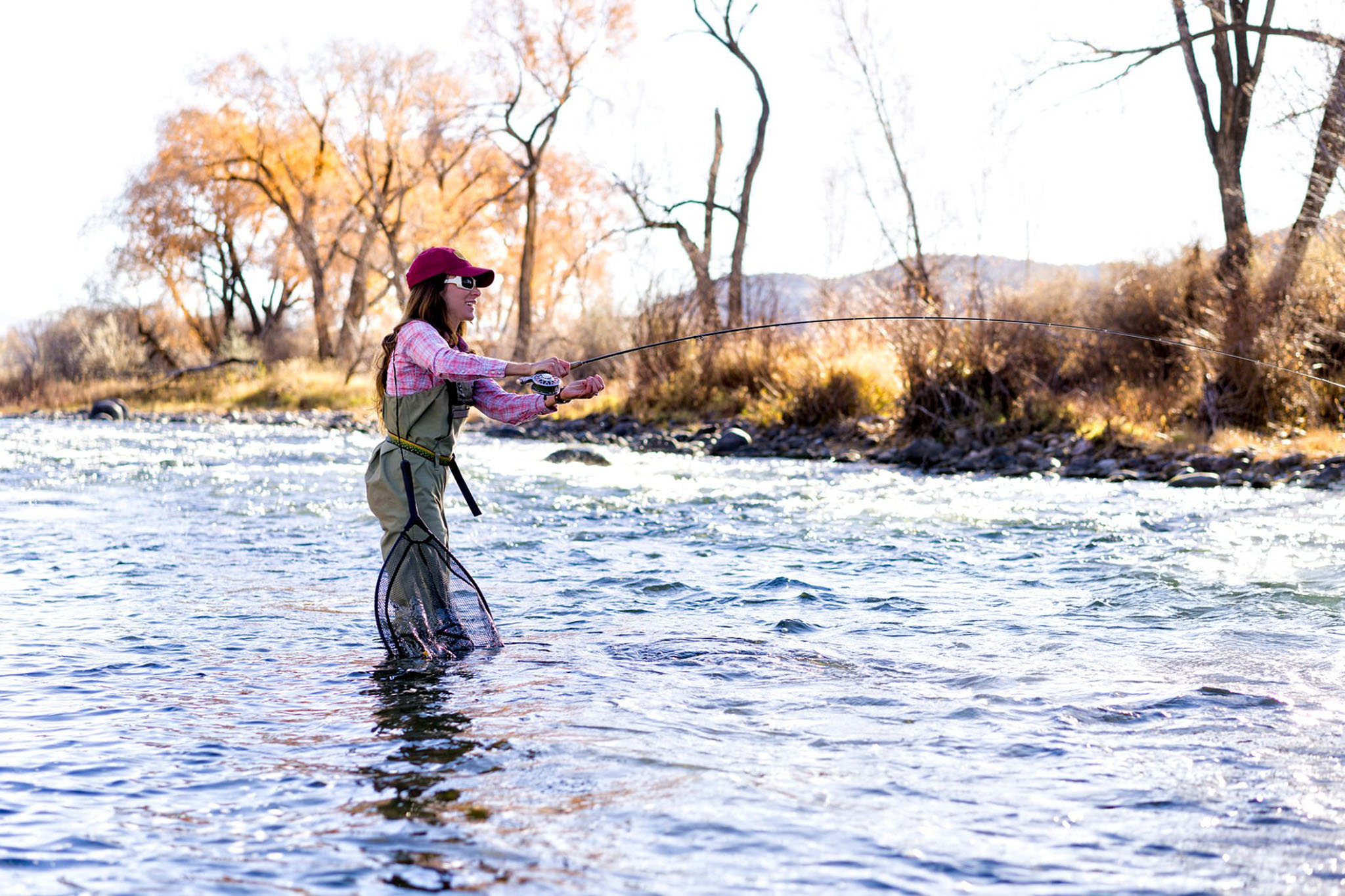
Every experienced angler has seen it happen. After weeks of slow fishing during late winter or early spring, a stretch of warm weather suddenly changes everything. Fish that seemed inactive and impossible to locate just days earlier become aggressive, predictable, and easier to catch. This shift isn’t random—it’s driven by biology, physics, and environmental stability.
Three consecutive warm days create a powerful chain reaction underwater. Water temperature stabilizes, fish metabolism increases, baitfish reposition, and feeding windows expand. Understanding why this happens—and how to take advantage of it—can dramatically improve your success during seasonal transitions.
The Power of Stability: Why Three Warm Days Matter More Than One
A single warm day rarely makes a lasting difference. Water has high thermal inertia, meaning it takes time to absorb and retain heat. Overnight cooling often cancels out temporary warming from a single afternoon.
But three consecutive warm days create cumulative warming.
This sustained heat allows:
- Shallow water temperatures to rise measurably
- Fish to physiologically adjust to warmer conditions
- Baitfish to move into newly favorable areas
- Feeding patterns to resume consistently
Stability gives fish confidence to move and feed. Instead of reacting defensively to constant temperature swings, fish begin operating normally again.
Consistency—not just warmth—is the key trigger.
Fish Metabolism Increases With Temperature
Fish are cold-blooded animals, meaning their body temperature matches the surrounding water. Their metabolism slows dramatically in cold conditions, reducing their need and ability to feed.
Warmer water increases metabolic function.
This causes fish to:
- Digest food faster
- Require more calories
- Move more frequently
- Chase prey more willingly
After three warm days, fish transition from energy conservation mode into feeding mode.
Their bodies are no longer trying to survive—they’re trying to grow and recover energy.
This creates aggressive feeding opportunities.
Shallow Water Becomes the First Feeding Zone
Shallow water warms faster than deep water because it absorbs sunlight more efficiently.
After several warm days, shallow areas can be several degrees warmer than deeper zones. Even small temperature differences matter enormously to fish.
Warmer shallow areas attract:
- Baitfish seeking comfortable temperatures
- Predator fish following food sources
- Fish preparing for seasonal movements like spawning
Key shallow areas to focus on include:
- North-facing banks (receive more sunlight)
- Protected coves
- Dark-bottom areas like mud or rock
- Shorelines protected from cold wind
These areas become feeding centers.
Fish move shallow because it offers both warmth and food.
Baitfish Movement Triggers Predator Activity
Predator fish rarely move randomly. They follow food.
Baitfish are extremely sensitive to temperature changes. After several warm days, baitfish move into warmer water to improve their own metabolism and feeding efficiency.
This creates a chain reaction.
Where baitfish go, predator fish follow.
This is why fishing suddenly improves dramatically.
You’re not just finding fish—you’re finding fish that are actively hunting.
Look for signs such as:
- Surface flickering
- Bird activity
- Visible bait schools
- Subtle surface disturbances
These signals indicate active feeding zones.
Fish Move From Winter Holding Areas to Transition Zones
During cold conditions, fish often hold in deeper, stable water where temperatures fluctuate less.
After several warm days, fish begin moving toward seasonal transition zones.
These include:
- Points leading toward shallow flats
- Drop-offs near spawning areas
- Creek channels
- Secondary structure near shallow water
Fish rarely move directly from deep winter areas to shallow spawning areas.
Instead, they move in stages.
Three warm days often trigger the first major movement stage.
This makes fish more concentrated and easier to locate.
Sunlight Amplifies the Effect of Warm Weather
Sunlight plays a critical role in warming water.
After several warm days with good sunlight exposure:
- Rocks absorb heat and radiate warmth into surrounding water
- Dark bottoms retain heat longer
- Protected shorelines maintain higher temperatures
Fish often position near these heat-retaining structures.
Rocky banks, riprap, and dark-bottom coves become especially productive.
These areas create microclimates that accelerate fish activity.
Fish Become More Predictable
Cold, unstable conditions make fish unpredictable and inactive.
Stable warming trends create predictable movement patterns.
Fish begin positioning in locations that support feeding efficiency.
These include:
- Edges of shallow flats
- Structure near warming banks
- Transition depth zones
- Areas with concentrated baitfish
Predictability is what makes fishing easier.
Instead of searching randomly, anglers can focus on specific high-percentage areas.
Oxygen and Biological Activity Increase
Warmer temperatures stimulate the entire aquatic ecosystem.
This includes:
- Increased plankton activity
- Increased insect movement
- Increased baitfish feeding
This creates more feeding opportunities throughout the food chain.
Fish respond to this increase in available food.
The entire system becomes more active.
This leads to more frequent and aggressive feeding.
Afternoon Fishing Often Becomes Most Productive
During warming trends, the warmest water temperatures typically occur in the afternoon.
This is when fish activity often peaks.
Afternoon conditions provide:
- Maximum water temperature
- Highest fish metabolism levels
- Most baitfish activity
Fishing during these peak warming periods can significantly improve success.
Shallow areas that receive direct sunlight all day are especially productive.
Wind Can Enhance Warm Weather Effects
Wind pushes warm surface water into specific areas.
This concentrates warmth, oxygen, and food.
Wind-blown shorelines often become feeding zones.
Moderate wind improves fishing conditions by:
- Mixing oxygen into water
- Breaking up light penetration
- Concentrating baitfish
Fish often use wind to their advantage when feeding.
Reaction Lures Become More Effective
As fish become more aggressive, they respond better to moving lures.
Effective lure choices during warming trends include:
- Crankbaits
- Spinnerbaits
- Swimbaits
- Lipless crankbaits
- Chatterbaits
These lures allow anglers to cover water quickly and trigger reaction strikes.
Fish are more willing to chase after several warm days.
This increases catch rates significantly.
Seasonal Timing Makes the Effect Even Stronger
The impact of consecutive warm days is strongest during late winter and early spring.
During this period, fish are transitioning out of winter patterns.
They are biologically prepared to resume feeding and movement.
Warm weather accelerates this process.
This is why early spring warming trends often produce the best fishing of the year.
How to Take Advantage of Three Consecutive Warm Days
To maximize success, focus on:
- Shallow, sun-warmed areas
- Structure near transition zones
- Wind-blown banks
- Areas with visible baitfish
- Afternoon fishing windows
Cover water efficiently until active fish are located.
Once a productive pattern is found, similar areas often produce consistent results.
Final Thoughts: Warm Weather Unlocks Feeding Behavior
Three consecutive warm days create stability, increase fish metabolism, and trigger feeding behavior throughout the ecosystem.
Fish move into predictable areas, baitfish concentrate, and feeding activity increases dramatically.
Understanding these environmental triggers allows anglers to anticipate fish behavior rather than react to it.
When winter finally loosens its grip and stable warmth settles in, fishing transforms from slow and frustrating into active and predictable.
For anglers who recognize this opportunity, these warming trends offer some of the most productive fishing of the entire year.