Every spring, anglers notice a major shift in fish behavior. After months of inconsistent movement and scattered winter positioning, fish suddenly begin appearing in the same areas day after day. Spots that were empty just weeks earlier now consistently produce bites. Fish are no longer roaming aimlessly—they’re holding in predictable locations.
This transition is one of the most important seasonal changes in freshwater fishing. Understanding why fish stop roaming and begin holding in stable spring locations can dramatically improve consistency, efficiency, and catch rates.
This shift isn’t random. It’s driven by biology, temperature stability, food availability, and preparation for spawning.
Winter Survival Mode vs. Spring Feeding Mode
During winter, fish prioritize survival above everything else. Cold water slows their metabolism, reduces digestion efficiency, and limits energy reserves.
As a result, winter fish behavior includes:
- Minimal movement
- Holding in deeper, stable water
- Inconsistent feeding
- Frequent repositioning due to temperature changes
Fish roam more during winter and early thaw periods because they are searching for stable, comfortable conditions. Even small temperature fluctuations can force relocation.
Spring changes everything.
As water temperatures stabilize and rise, fish no longer need to constantly search for suitable conditions. Instead, they begin holding in specific areas that meet all their biological needs.
Stability Is the Real Trigger
The most important factor causing fish to stop roaming is not simply warmer water—it’s stable water temperatures.
When water temperatures rise gradually and remain consistent:
- Fish metabolism increases
- Feeding becomes regular
- Energy efficiency improves
- Fish establish defined holding areas
Instead of constantly adjusting to changing conditions, fish settle into locations where temperature, oxygen, and food remain reliable.
These areas become predictable spring holding zones.
Fish Hold Where Food Becomes Reliable
One of the biggest reasons fish stop roaming in spring is the return of dependable food sources.
As water warms, several critical food chain changes occur:
- Baitfish move into shallow and mid-depth areas
- Aquatic insects become active
- Crustaceans and forage species increase activity
- Vegetation begins producing oxygen and attracting prey
When food becomes concentrated, predator fish no longer need to wander. They can stay in areas where feeding opportunities are consistent.
Energy conservation remains important. Holding near reliable food sources allows fish to maximize feeding while minimizing effort.
Transition Routes Become Holding Zones
Fish rarely move directly from deep winter water into shallow spawning areas. Instead, they use transition routes and staging zones.
These include:
- Points extending from deep water
- Channel edges
- Creek channel swings
- Gradual depth changes
- Underwater ledges
These areas provide easy access to both shallow and deep water.
Fish hold in these zones because they offer:
- Temperature stability
- Nearby feeding opportunities
- Quick escape routes
- Ideal staging locations for spawning preparation
These transition areas often produce consistent bites for weeks.
Structure Provides Security and Feeding Efficiency
Fish prefer areas that provide both protection and feeding advantages.
Key spring holding structures include:
- Submerged timber
- Rock piles
- Vegetation edges
- Drop-offs
- Dock pilings
- Brush piles
Structure serves multiple purposes:
- Breaks current
- Provides ambush points
- Offers protection from predators
- Concentrates prey
Fish holding near structure expend less energy while feeding more efficiently.
This makes structure one of the most reliable predictors of spring fish location.
Warmer Micro-Zones Attract and Hold Fish
Not all areas of a lake or river warm evenly.
Certain zones warm faster due to environmental factors such as:
- Sun exposure
- Wind protection
- Dark bottom composition
- Shallow depth
- Reduced water flow
These warmer micro-zones attract baitfish first, followed by predator fish.
Once fish find these favorable areas, they remain there as long as conditions remain stable.
This creates predictable holding patterns.
Spawning Preparation Drives Positioning
As spring progresses, fish begin positioning themselves for spawning.
Even weeks before spawning begins, fish move toward areas near spawning habitat.
Typical staging areas include:
- Points near spawning flats
- Drop-offs near shallow coves
- Channel edges near protected bays
- Structure adjacent to spawning areas
Fish hold in these staging zones while waiting for ideal spawning temperatures.
This positioning behavior is predictable and repeatable each year.
Reduced Environmental Stress Stabilizes Fish Movement
Winter forces fish to constantly react to environmental stress.
Spring reduces these stress factors:
- Oxygen levels improve
- Water temperature stabilizes
- Food becomes abundant
- Weather patterns become more consistent
With fewer environmental threats, fish can remain in stable locations for extended periods.
This is why anglers often find fish in the same spots repeatedly during spring.
Species-Specific Holding Behavior
Different species exhibit predictable spring holding patterns.
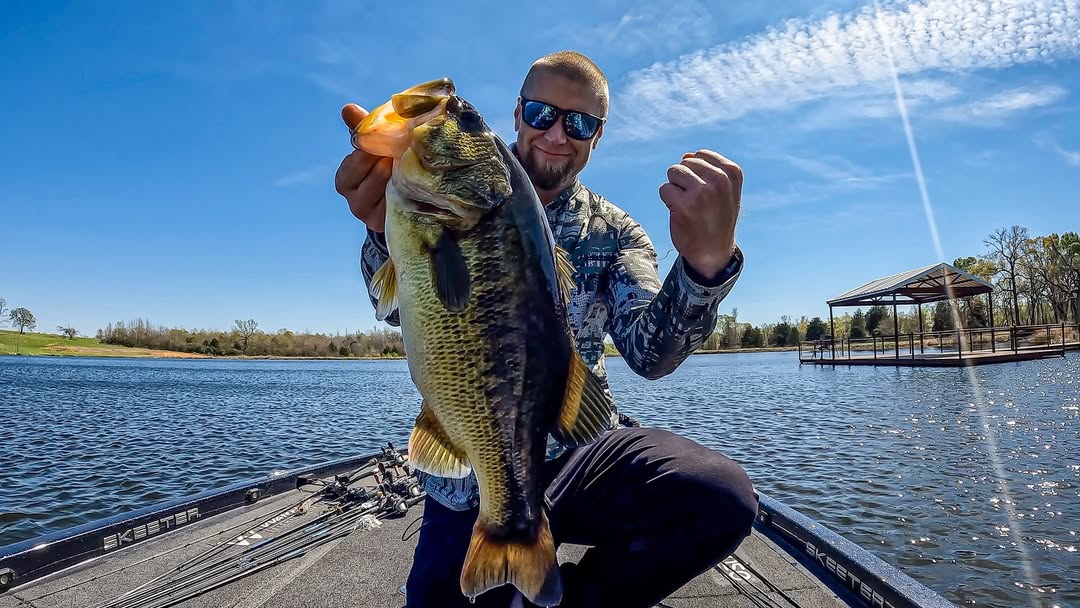
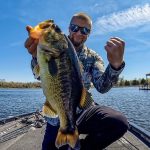
Largemouth Bass
Bass commonly hold near:
- Points
- Channel edges
- Vegetation lines
- Structure near spawning flats
They may remain in these areas for extended periods as they prepare for spawning.
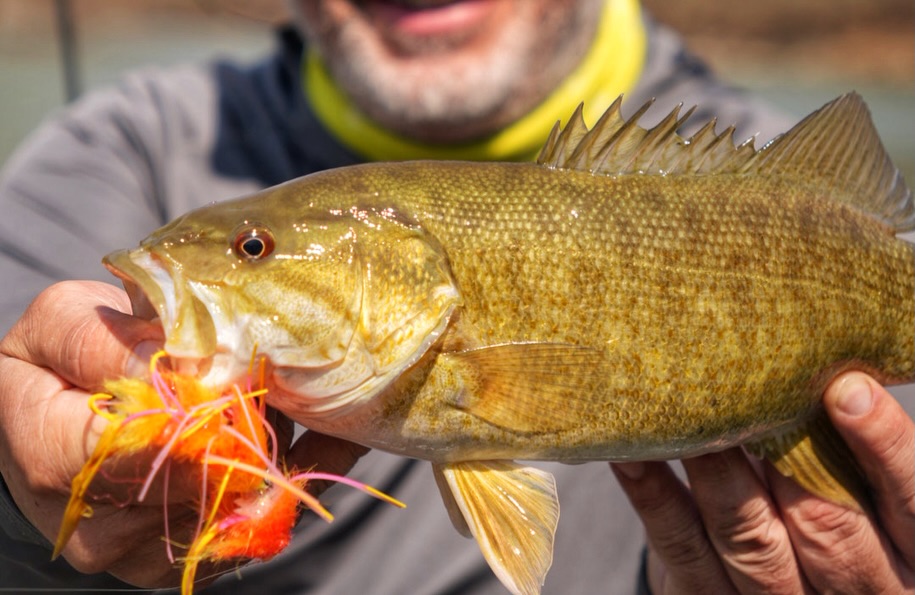
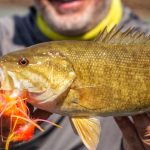
Smallmouth Bass
Smallmouth prefer:
- Rock structure
- Points near deeper water
- Transition areas between depths
They use structure for both feeding and staging.
Crappie
Crappie hold near:
- Brush piles
- Submerged timber
- Channel edges
They suspend near cover while feeding actively.
Trout
Trout hold in areas with:
- Moderate current
- Food concentration
- Stable temperatures
They remain near feeding zones rather than constantly roaming.
Panfish
Bluegill and other panfish gather near:
- Vegetation
- Shallow cover
- Structure near spawning zones
They form groups and remain in consistent locations.
Why Predictability Improves Fishing Success
When fish stop roaming and begin holding, anglers gain a major advantage.
Holding fish are easier to:
- Locate
- Pattern
- Target consistently
Instead of searching large areas, anglers can focus on specific high-probability zones.
This increases efficiency and catch success.
How to Identify Spring Holding Areas
Look for these key indicators:
- Transition zones between deep and shallow water
- Structure near spawning areas
- Areas with baitfish activity
- Sun-warmed shorelines
- Gradual depth changes
Fish holding in these areas often remain there until spawning begins.
Seasonal Progression Strengthens Holding Patterns
As spring advances, holding behavior becomes even more consistent.
Fish move closer to spawning zones but continue using nearby holding areas for feeding and staging.
These predictable movements create some of the best fishing opportunities of the year.
Conclusion: Spring Stability Creates Predictable Fish Locations
Fish stop roaming in spring because their environment becomes stable, food becomes reliable, and biological needs shift toward feeding and spawning preparation.
Instead of wandering unpredictably, fish hold in areas that provide ideal combinations of temperature, food, structure, and security.
For anglers, this predictability transforms fishing from guesswork into strategy.
Understanding why fish hold—and where they hold—allows anglers to consistently locate active fish and take full advantage of one of the most productive seasons on the water.