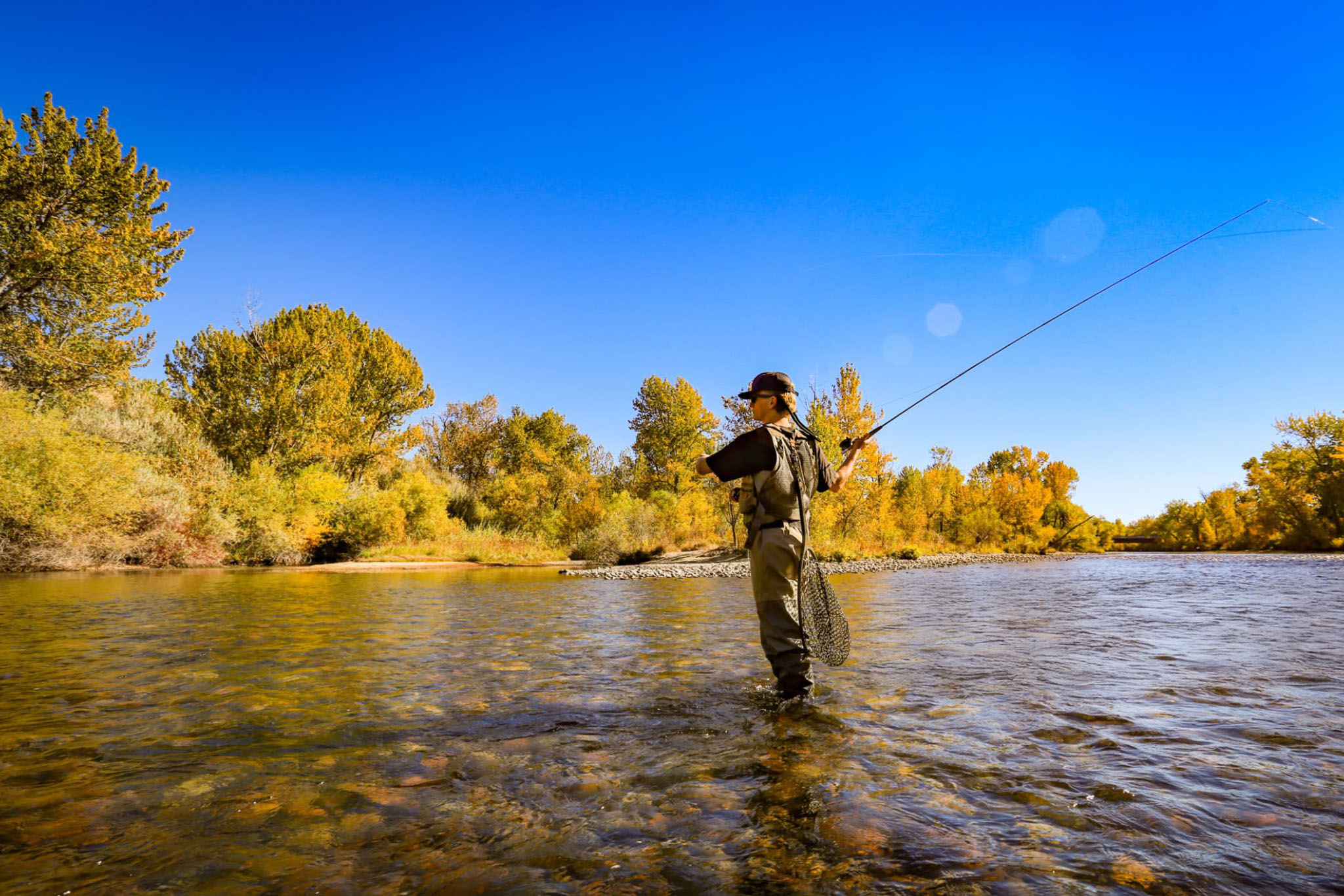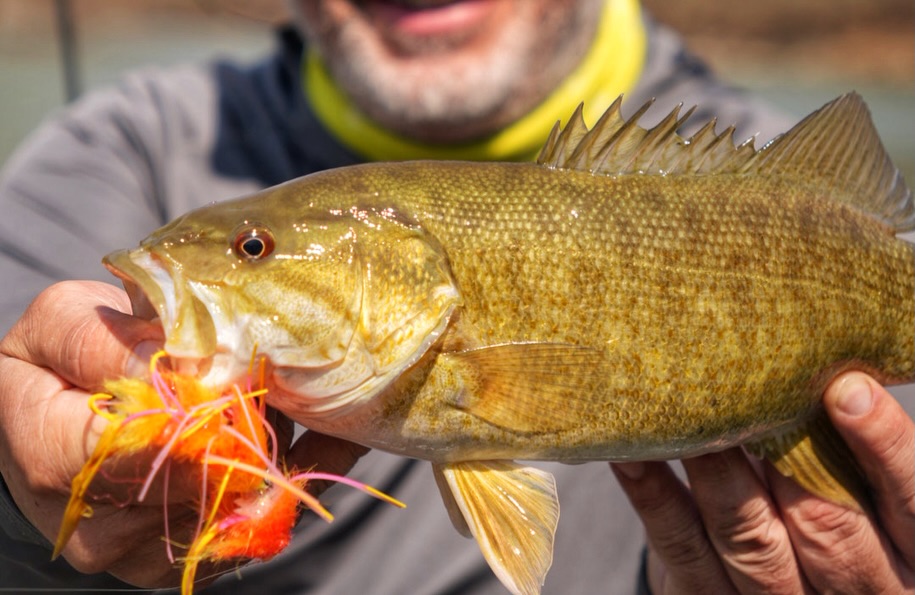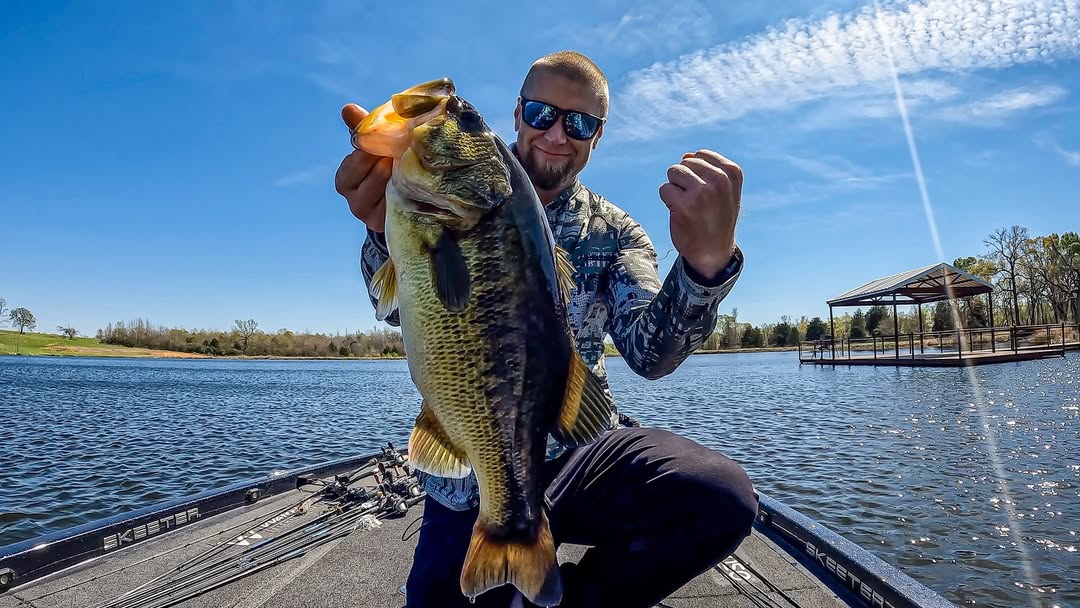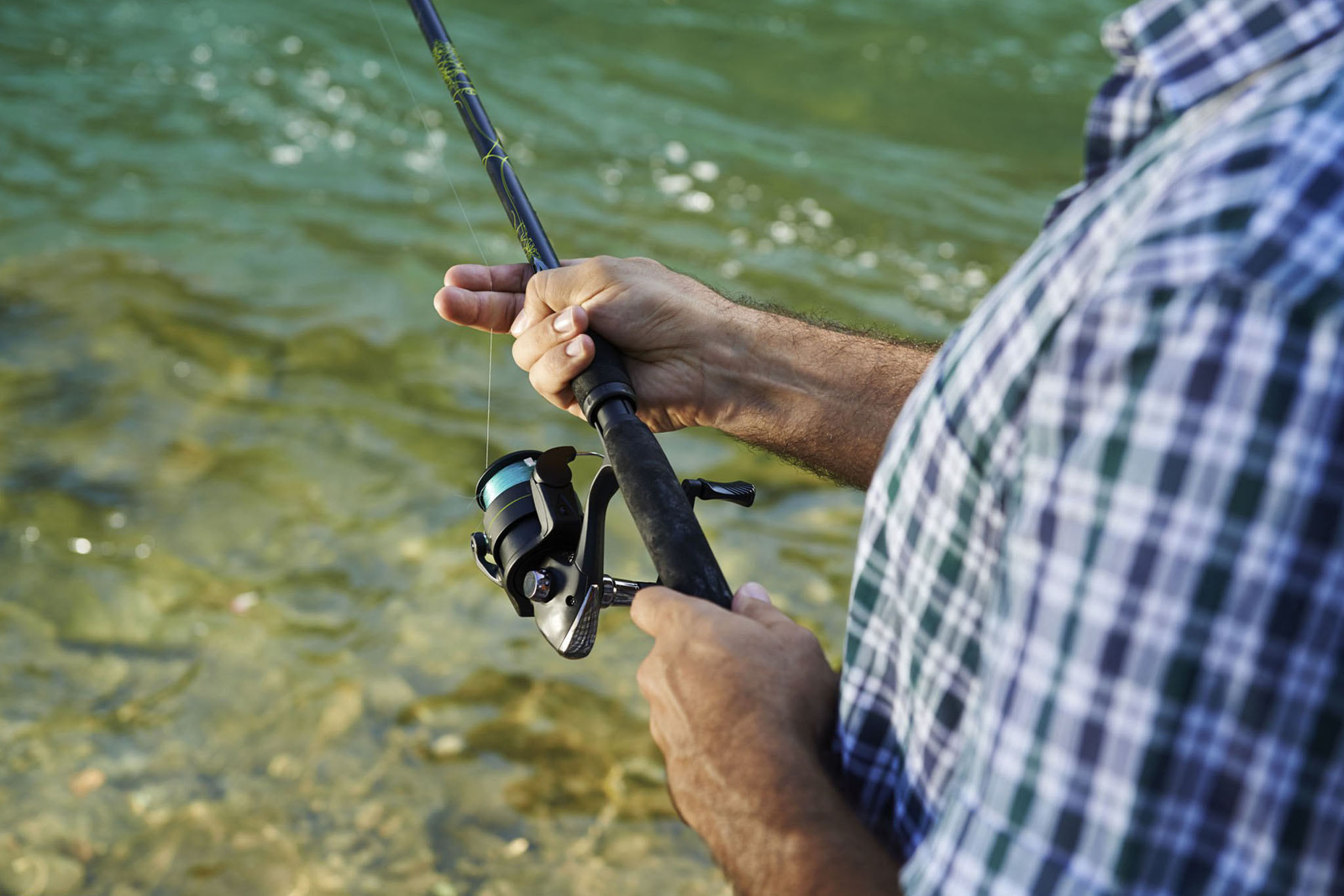

Spring runoff is one of the most challenging—and rewarding—times for freshwater anglers in the United States. As snow melts and rains increase, rivers, creeks, and lakes often turn muddy, changing fish behavior dramatically. While many anglers struggle with the low visibility and unpredictable currents, those who understand how to read post-runoff waters can find prime fishing opportunities that few others capitalize on.
In this guide, we’ll explore why runoff affects fish, how to adapt your tactics, and proven strategies to catch fish in muddy waters during early spring.
Understanding Fish Behavior After Runoff
Fish are highly sensitive to changes in water clarity, temperature, and flow. When runoff occurs:
- Sediment Clouds the Water
Muddy water reduces visibility for fish. Predatory species, like bass and pike, rely more on vibration, scent, and lateral line detection than sight. This means traditional visual lures may be less effective. - Oxygen and Temperature Fluctuations
Rapidly flowing runoff can temporarily lower oxygen levels and change water temperatures. Fish often seek calmer backwaters, eddies, and flooded vegetation to conserve energy while waiting for conditions to stabilize. - Food Is Dispersed
Runoff washes insects, worms, and small baitfish into different areas, creating temporary feeding hotspots. Fish often gather near the mouths of tributaries, slow-moving channels, and sheltered bends where debris and prey accumulate.
Where to Find Fish in Muddy Waters
Post-runoff conditions change fish location and behavior. Here’s where to focus:
1. Eddies and Slow-Moving Water
Current breaks, eddies, and flooded shorelines offer calmer water and concentrated food sources. These areas are ideal for bass, crappie, and catfish during muddy conditions.
2. Structure and Cover
Look for submerged trees, brush piles, docks, and rocks. Fish use these structures for ambush points in turbid water, relying on vibrations to locate prey rather than sight.
3. Confluences and Tributaries
Where clear water meets muddy runoff, fish often stage along the temperature and clarity breaks. These transitional zones are excellent for pre-spawn bass and other predators.
Effective Lures and Techniques in Muddy Water
Fishing in murky water requires adjusting both lures and presentation. Consider the following:
1. Vibration and Sound Matter
Lures that create vibration or noise are key. Spinnerbaits, vibrating jigs, and rattle-equipped crankbaits help fish locate prey when visibility is low.
2. Bright or Contrasting Colors
Opt for lures in chartreuse, orange, black, or white—colors that stand out in low visibility. Contrast is more important than natural realism in muddy conditions.
3. Soft Plastics with Scent
Creature baits, worms, and crawfish imitations rigged Texas or Carolina style work well. Adding scent or attractant can further entice fish when sight is compromised.
4. Slow and Methodical Presentation
Fish in muddy water often conserve energy in strong currents. Slow retrieves and pauses give fish a better chance to detect your lure.
Timing Your Post-Runoff Fishing
Water clarity usually improves a few days after major runoff, but fish can be caught immediately if you understand the right timing:
- Immediately After Runoff: Target staging areas and eddies where fish congregate in calmer water.
- 1–3 Days Later: Fish may move into pre-spawn flats and shallow cover, especially on sunny days.
- After Water Clears: Standard early spring strategies, like pitching soft plastics into shallow bays, regain effectiveness.
Safety and Equipment Tips
- Check Water Levels: Runoff can create strong currents. Avoid areas with dangerously high flows.
- Use Polarized Glasses: Even in muddy water, polarized lenses help detect subtle changes and debris lines where fish may hide.
- Stay Flexible: Conditions can change daily. Bring multiple lure types and weights to adjust for current speed and clarity.
Conclusion
Fishing after spring runoff is a test of skill, observation, and adaptability. While muddy waters reduce visibility, they also concentrate fish in predictable zones if you know where to look. By focusing on structure, eddies, and clarity breaks, using lures that create vibration and color contrast, and adjusting your presentation, anglers can turn a challenging post-runoff day into a productive early spring outing.
Remember, the key to success is reading the water, not guessing, and adapting to constantly changing spring conditions.