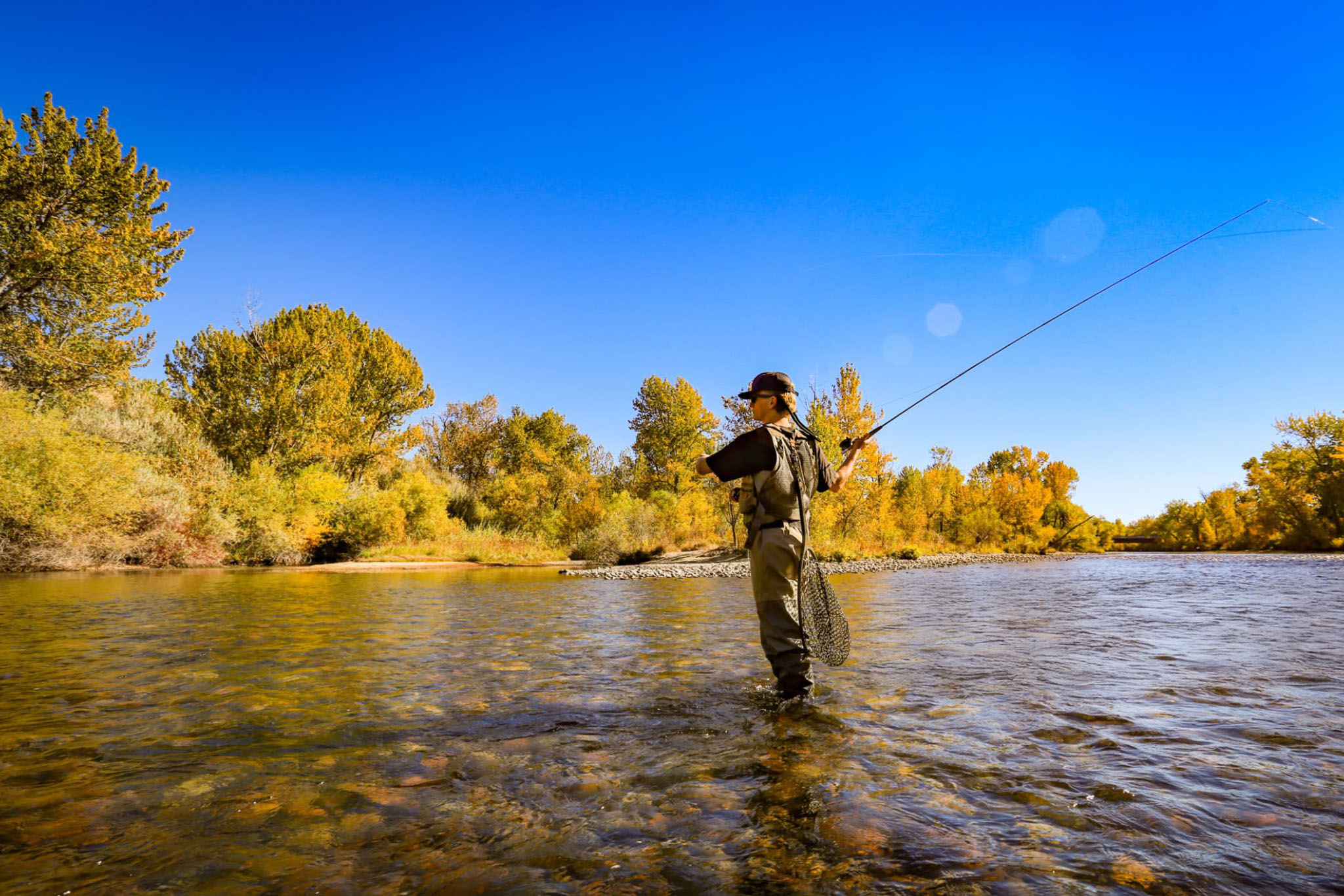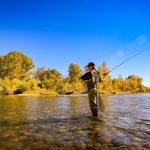
Early spring trout fishing presents unique challenges and rewards. Before the streams fully awaken with insect activity, trout behavior is different from the peak season frenzy. Water temperatures are still low, insect hatches are sporadic or non-existent, and trout metabolism is sluggish. For anglers willing to adapt, pre-hatch fishing in cold streams can yield impressive catches, often targeting larger, more cautious trout that will soon move into shallower feeding lanes.
Understanding Early Spring Trout Behavior
Trout in cold streams are less aggressive but predictable if you know their winter-to-spring routines:
- Reduced Metabolism: Trout feed slowly in cold water (typically 38–50°F). Large, visible strikes are rare.
- Holding Zones: Instead of cruising widely, trout stage near pools, undercut banks, submerged logs, and deep runs.
- Opportunistic Feeding: Before insect hatches, trout rely on whatever is available—small minnows, scuds, nymphs, and occasional terrestrial bugs blown into the water.
Recognizing these patterns is key to productive early-season fishing.
Prime Cold Stream Spots
- Deep Runs and Pools
- Trout conserve energy in deep pools with current seams.
- Focus on edges where fast water meets slower pools—trout often hold in these transition zones, ready to ambush prey.
- Undercut Banks and Fallen Trees
- Cover is critical in cold water. Trout feel safer near overhanging vegetation, roots, or submerged timber.
- Casting just upstream of these spots and letting your bait drift naturally is highly effective.
- Spring-Fed Sections
- Small spring inflows keep water slightly warmer and attract both insects and baitfish.
- Trout often stage near these warmer pockets, feeding more actively than in the rest of the cold stream.
Lures and Techniques Before the Hatch
In the absence of active insect hatches, trout respond best to slow, natural presentations:
- Nymphs and Small Streamers
- Tungsten or bead-head nymphs imitate scuds, mayflies, and caddis larvae.
- Use a slow drift or short, subtle twitching retrieves.
- Soft Plastics
- Small soft worms or shrimp imitations can mimic natural drift prey.
- Fish near the bottom, allowing a subtle bounce over rocks and logs.
- Spinners and Micro-Lures
- Lightweight inline spinners (size #0–#2) or tiny spoons work well in cold water.
- Keep retrievals slow and avoid aggressive jerks.
Reading the Water
Successful pre-hatch trout fishing requires keen observation:
- Current Breaks: Where fast water meets slow water, trout conserve energy while still accessing drifting prey.
- Temperature Shifts: Small warm pockets attract early foraging trout. Thermometers or feel of the water can guide casting choices.
- Subtle Surface Activity: Even before hatches, occasional rises may indicate trout feeding on sporadic midges or terrestrials.
Timing and Strategy
- Morning vs Afternoon: Early mornings can be very slow; mid-day sun often warms shallow runs slightly, triggering modest activity.
- Patience Is Key: Cold stream trout rarely chase aggressively. Long drifts and repeated presentations near cover are more productive than long casts to open water.
- Adapt to Runoff and Clarity: Early spring runoff can make streams murky. Downsize lures and slow retrieves, and target edges where water clarity improves.
Common Mistakes to Avoid
- Skipping Deep Holding Spots: Many anglers focus on flats expecting insect activity; pre-hatch trout rarely leave deep pools.
- Fast Retrieves: Aggressive motion spooks lethargic cold-water trout.
- Overlooking Cover: Trout prioritize safety over open-water feeding before the hatch begins.
Quick Tips for Pre-Hatch Trout Success
- Target pools, deep runs, and transition zones near structure.
- Use natural, small lures mimicking scuds, nymphs, or tiny baitfish.
- Keep presentations slow and deliberate.
- Observe water temperature changes and micro-warm pockets.
- Be patient—trout are selective, but strikes are often bigger and smarter than in peak season.
Conclusion
Fishing cold streams before the insect hatch is a subtle, strategic pursuit. By focusing on deep pools, undercut banks, and spring-fed sections, anglers can locate trout that are staged and ready to feed. Using slow, natural presentations and reading the water carefully often leads to early spring trophy fish before the hatch frenzy begins. Early-season trout fishing rewards patience, observation, and a willingness to fish like the fish think.