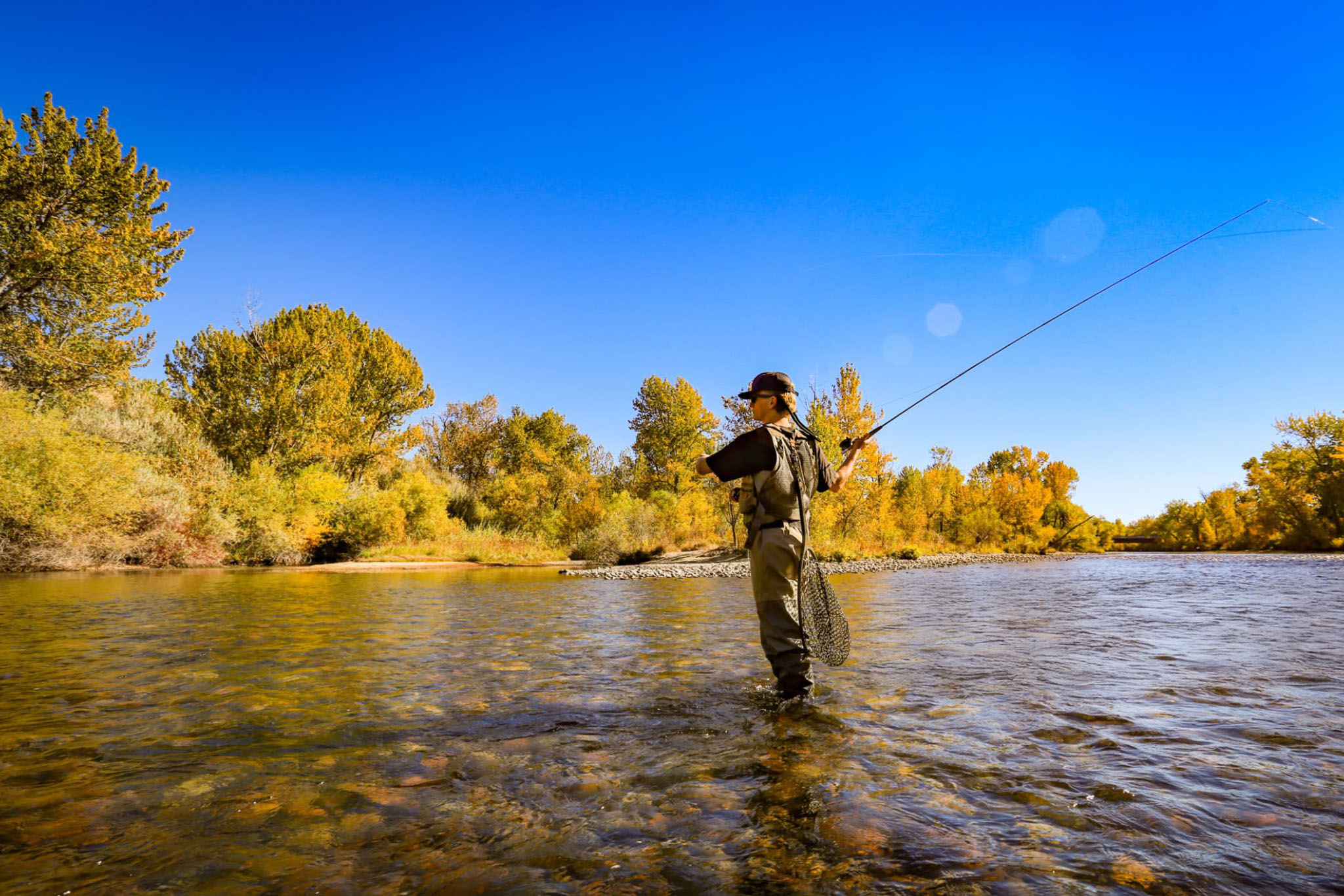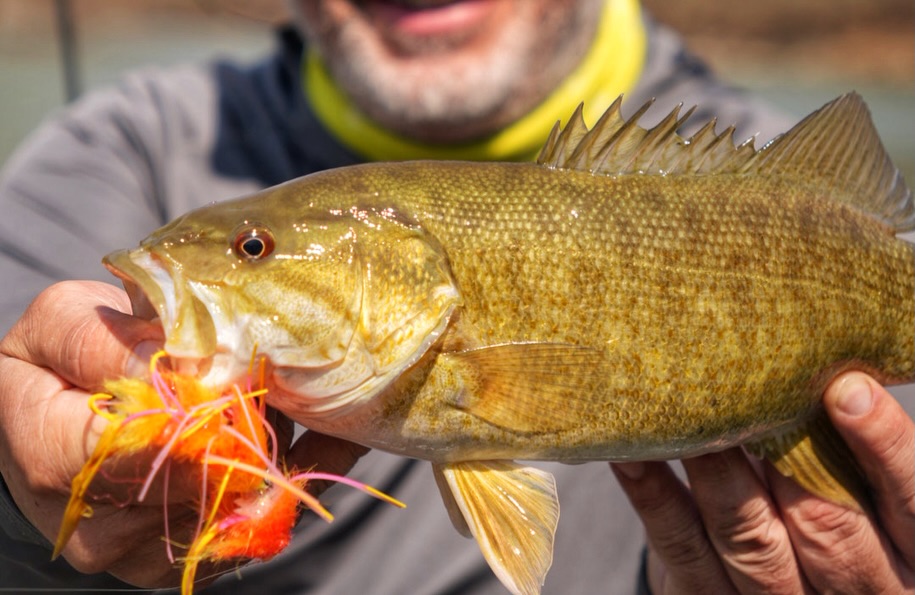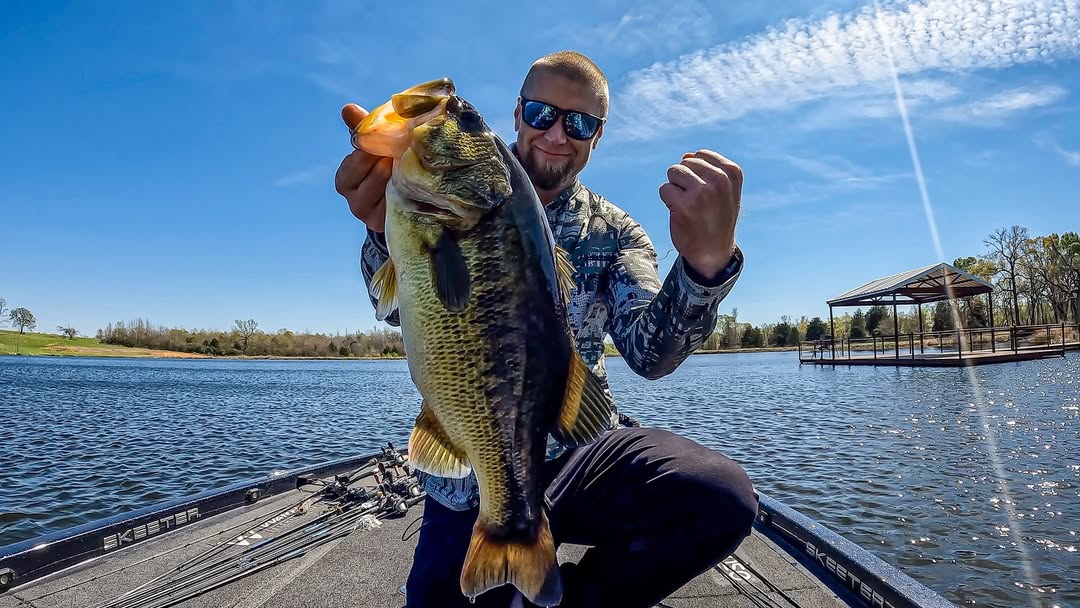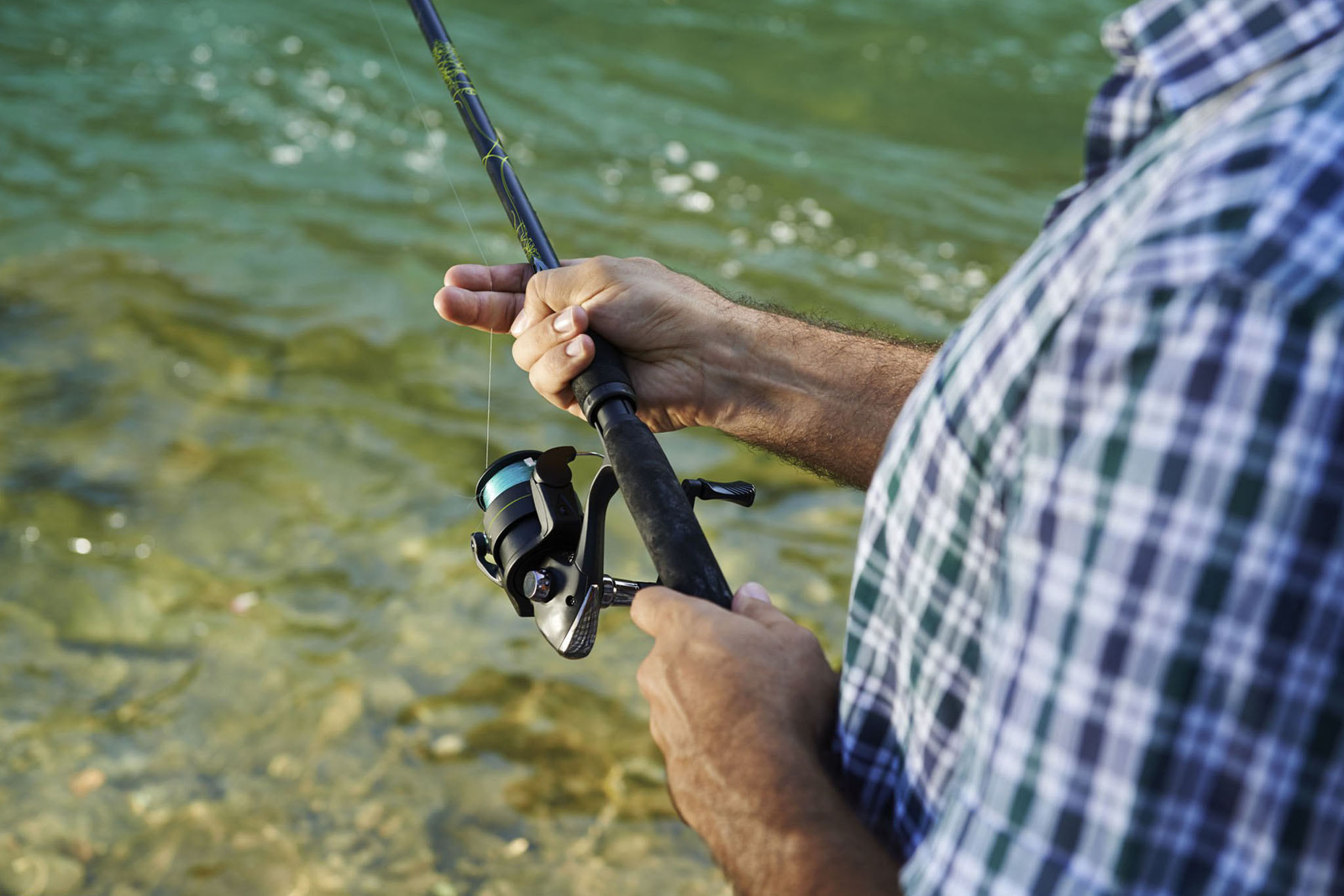

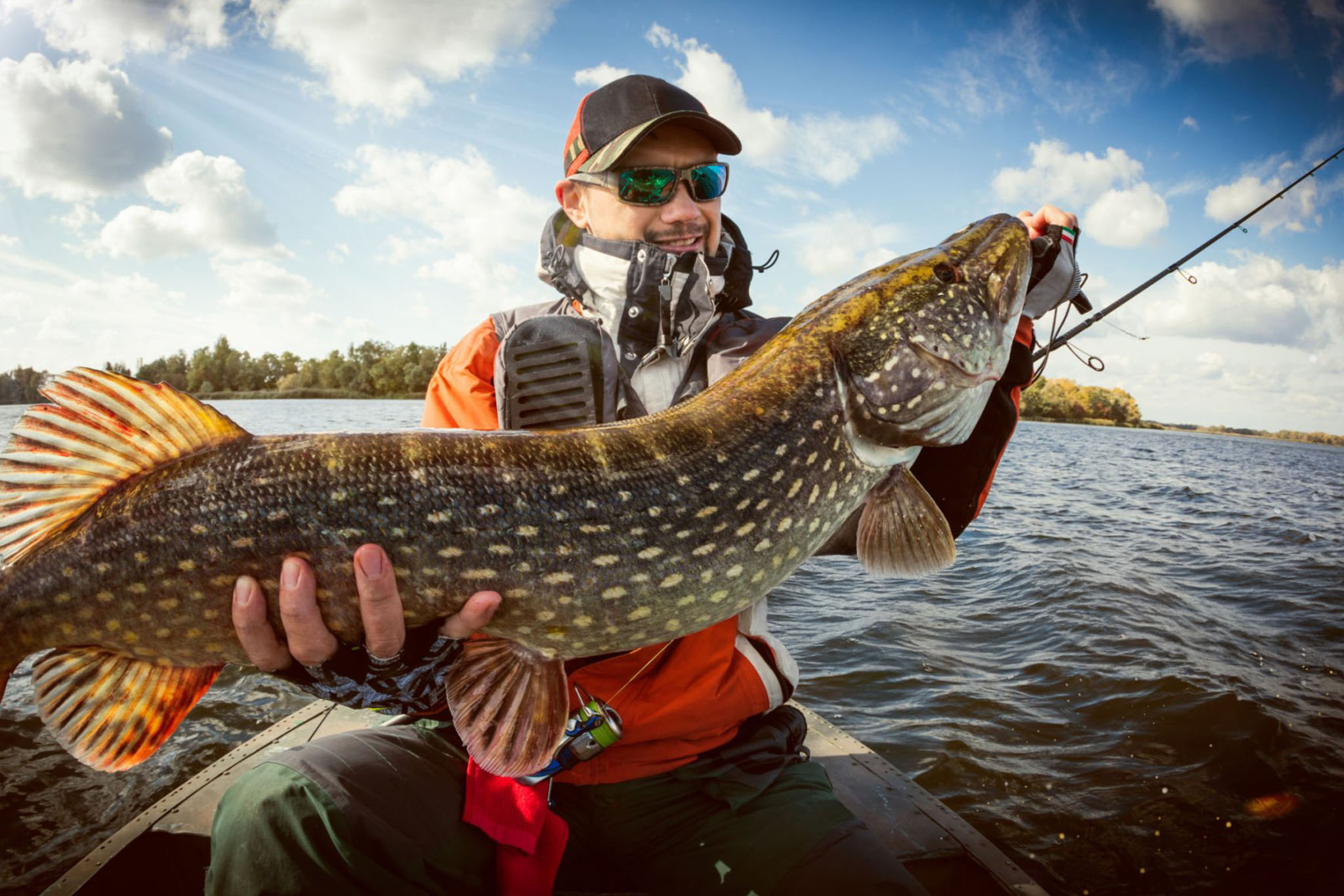
As winter loosens its grip on U.S. lakes and rivers, early spring ushers in a unique opportunity for anglers. Fish begin leaving their deep winter haunts, gravitating toward shallow edges where food is concentrated and conditions warm slightly faster. Understanding why fish love these shallow zones—and how to approach them—can give anglers a major advantage during the early season.
Why Shallow Edges Are Prime Real Estate
During early spring, shallow water offers several advantages to fish:
- Warmer Temperatures
Shallow areas heat faster from the sun, giving fish a metabolic boost. Even a few degrees can trigger feeding activity after months of lethargy in cold deep water. - Early Food Sources
Insects, larvae, and emerging vegetation often appear first along edges. For species like bass and trout, these areas concentrate their prey, making hunting more efficient. - Cover and Ambush Points
Shallow edges often feature submerged logs, vegetation, or drop-offs. Fish use these structures to conserve energy while lying in wait for prey. - Oxygen-Rich Water
Early spring runoff can stir shallow zones, oxygenating the water and attracting fish to the edges where food and oxygen intersect.
Target Species and Their Edge Behavior
Different species exploit shallow zones differently:
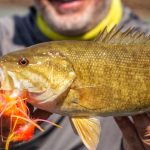
- Bass: Prefer vegetated edges and drop-offs where they can ambush prey. Early spring bass often suspend near shallow points and ledges.
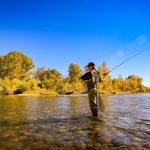
- Trout: Seek out shallower runs along stream banks to intercept emerging insects, especially near warmer sunlit patches.
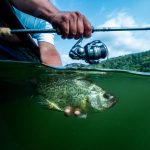
- Panfish (Bluegill, Crappie): Move into shallow coves to feed on insect larvae and plankton before spawning.
Recognizing these patterns allows anglers to focus on the most productive zones rather than wasting time in deep water during early spring.
Effective Techniques for Shallow Water Fishing
1. Choose the Right Lures
- Soft plastics and small jigs work well along the edges. Natural colors like green pumpkin, brown, or tan mimic early spring prey.
- Topwater lures can trigger aggressive strikes in calm, shallow areas during warmer afternoons.
- Crankbaits and spinnerbaits are effective near drop-offs and submerged structures where fish ambush prey.
2. Adjust Your Presentation
- Keep your retrieval slow and deliberate; cold water slows fish reactions.
- Use light lines (4–8 lb test) to avoid spooking fish in clear, shallow water.
- Target micro-structures such as submerged roots, rock piles, or small vegetation patches.
3. Timing Is Key
- Mid-morning to late afternoon often provides the warmest shallow water, prompting fish to venture closer to the edges.
- Overcast days or slight breezes can increase edge activity as fish feel more secure near cover.
Reading the Water for Shallow Success
Early spring anglers need to pay attention to subtle cues:
- Look for rising insects or surface disturbances indicating feeding activity.
- Note water clarity and color changes; fish often favor slightly murky edges where they can ambush prey.
- Watch for thermoclines in larger bodies; fish may linger where warm shallow water meets slightly cooler deeper zones.
Safety Considerations
Shallow spring zones can be deceptively hazardous:
- Muddy banks and slippery rocks increase the risk of slips and falls.
- Early spring waters can still be cold; hypothermia is a risk if you fall in or stay wet too long.
- Be mindful of runoff currents in small creeks and rivers, which can push water levels unpredictably.
Why Targeting Shallow Edges Pays Off
Fishing the edges in early spring offers a strategic advantage:
- Lower fishing pressure: Many anglers focus on deep water, leaving the shallow zones less crowded.
- Early season learning: Observing edge activity helps predict later feeding patterns.
- Consistent action: With food concentrated and water warming faster, shallow edges often produce more bites per hour than deep water.
Conclusion
Early spring shallow water edges are a goldmine for attentive anglers. By understanding why fish migrate toward these zones, targeting the right species, choosing effective lures, and reading subtle cues, you can consistently connect with fish even in cold, unpredictable conditions. Mastering the secrets of shallow water in early spring sets the stage for a productive season and gives anglers a crucial edge over less prepared competitors.