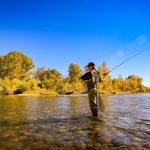
Early spring brings a unique set of challenges and opportunities for anglers chasing trout in U.S. creeks and small rivers. As snow melts and runoff pours into streams, water temperatures remain low, currents strengthen, and trout adjust their behavior to survive and feed. Understanding how trout respond to cold runoff and applying the right tactics can make the difference between an empty net and a productive day on the water.
Understanding Cold Runoff and Its Effects
Runoff during early spring changes creek conditions dramatically:
- Temperature shifts – Melting snow and ice keep water cold, often in the mid-40s to low-50s Fahrenheit, which slows trout metabolism and feeding activity.
- Increased turbidity – Sediment from runoff can make water murky, reducing visibility for both fish and anglers.
- Faster currents – Rising water levels push trout into deeper pockets, undercut banks, and near cover where they conserve energy.
Recognizing these patterns helps anglers predict where trout are likely holding and which tactics will be most effective.
Key Areas to Target Trout in Early Spring
Even in cold runoff, trout follow certain predictable patterns:
- Eddies and Behind Rocks
Trout often use slower-moving water behind obstacles to conserve energy while still accessing drifting food. Target these pockets with small jigs, nymphs, or soft plastic worms. - Deep Pools Near Shallow Feeder Runs
As small creeks swell, trout retreat to deeper pools, waiting for insects and other prey to drift downstream. Casting along the edges of these pools or near submerged logs can produce consistent bites. - Bank Underhangs and Root Systems
Overhanging banks and root structures provide both shelter and ambush points. Trout often station themselves here to intercept insects or baitfish carried by runoff. - Confluence Zones
Where feeder streams meet the main creek, nutrient-rich runoff attracts aquatic insects, attracting trout looking for concentrated food sources.
Effective Early Spring Tackle and Techniques
1. Lures and Baits
- Soft plastic worms and grubs in subtle, natural colors mimic early spring aquatic life.
- Small jigs and spoons work well for drifting in faster currents.
- Live bait like worms or minnows can tempt sluggish trout in cold water.
2. Presentation Tips
- Slow your retrieval – trout in cold water are less likely to chase fast-moving lures.
- Use light lines (4–6 lb test) to maintain natural movement in the current.
- Consider drift fishing upstream for natural presentation.
3. Timing Your Trip
- Mid-morning to early afternoon often provides the warmest water and most active fish.
- Overcast days can trigger more movement than bright, sunny conditions.
Reading Early Spring Creek Cues
To consistently find trout in cold runoff:
- Watch for surface disturbance like rising insects or small splashes indicating feeding activity.
- Look for submerged debris and slow pockets, which trout use as ambush points.
- Observe temperature gradients; even small variations can concentrate fish in certain creek sections.
Safety Considerations
Cold runoff creeks can be deceptively dangerous:
- Water levels can rise quickly—always check local conditions before entering.
- Slippery rocks, mud, and submerged debris increase the risk of falls.
- Dress appropriately for cold water to prevent hypothermia during long wade sessions.
Why Early Spring Creek Fishing Is Worth the Effort
Although trout may be less active than in summer, early spring offers several advantages:
- Lower fishing pressure – fewer anglers venture out in cold, runoff-heavy streams.
- Learning the water – early observations provide insight into trout behavior that can pay off in peak season.
- Quality over quantity – trout caught in these conditions are often healthy, strong, and willing to bite for precise presentations.
Conclusion
Targeting trout in early spring creeks with cold runoff requires patience, observation, and strategic tackle choices. By understanding trout behavior, focusing on key areas, and adjusting presentation to slow water conditions, anglers can consistently connect with fish even in challenging early-season conditions. For U.S. creek anglers, mastering these early spring patterns sets the foundation for a successful trout season.