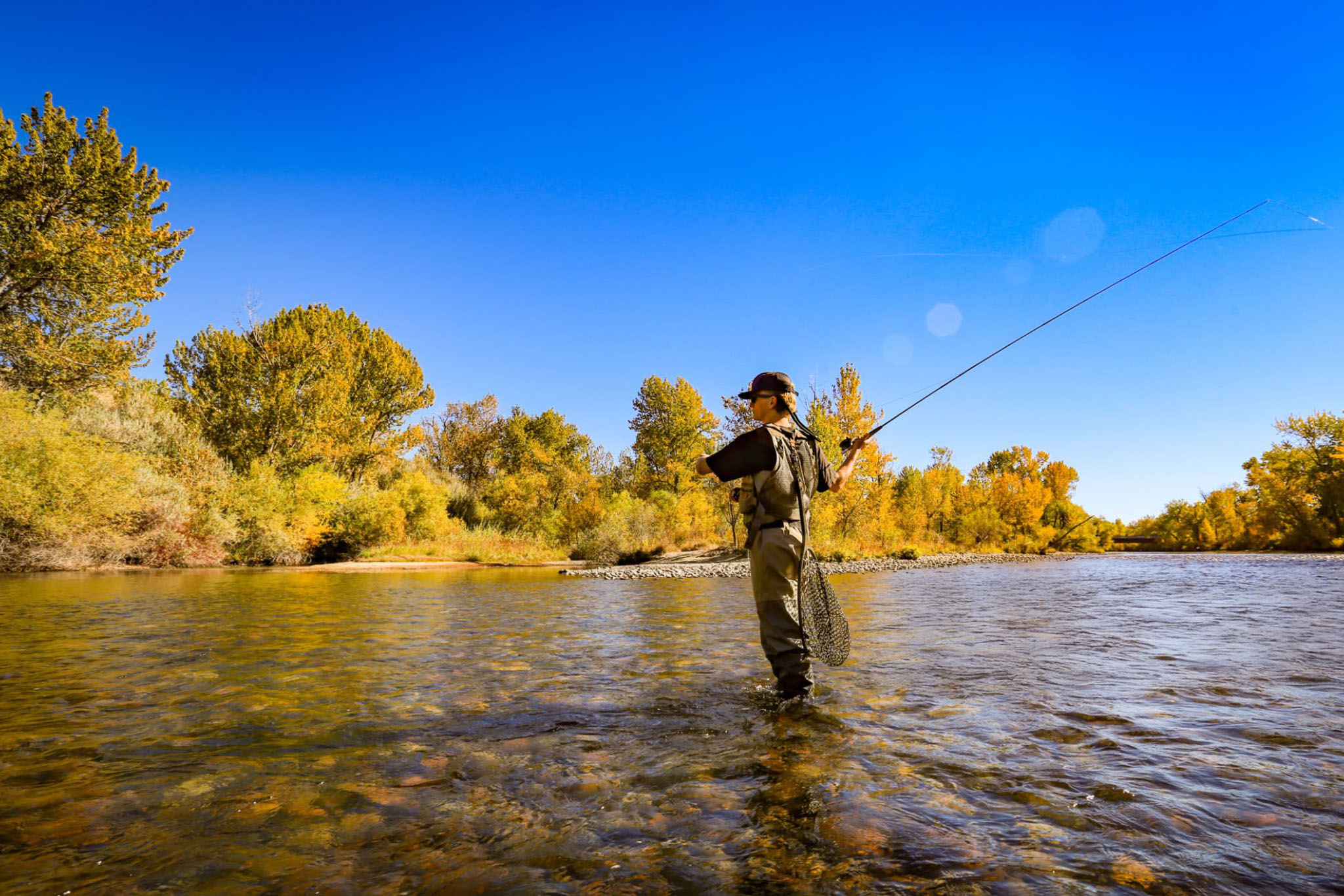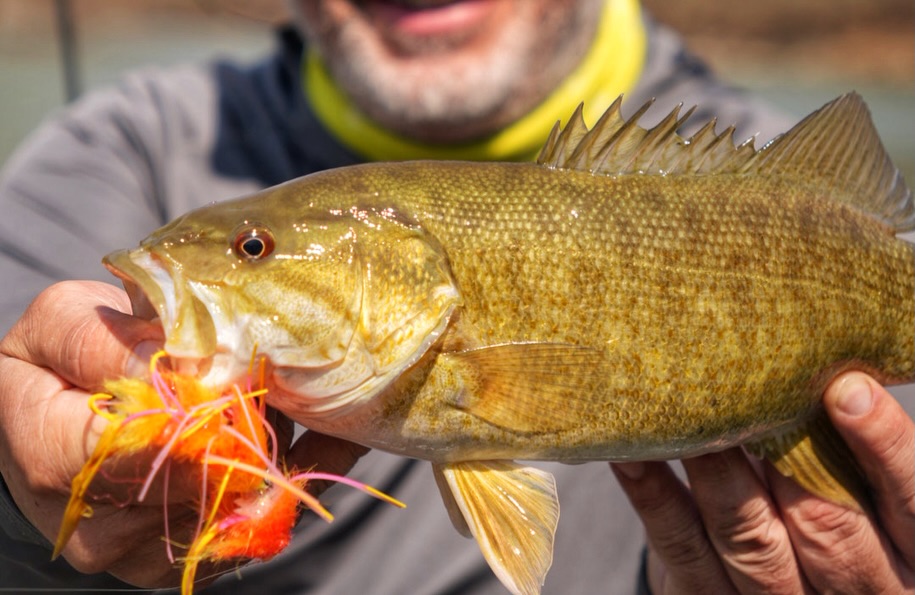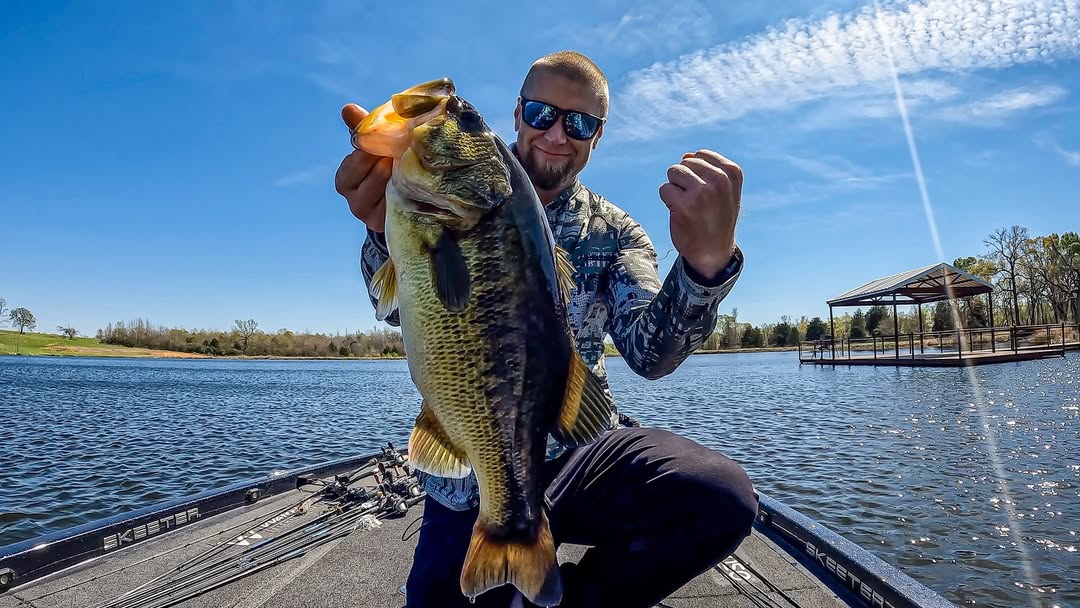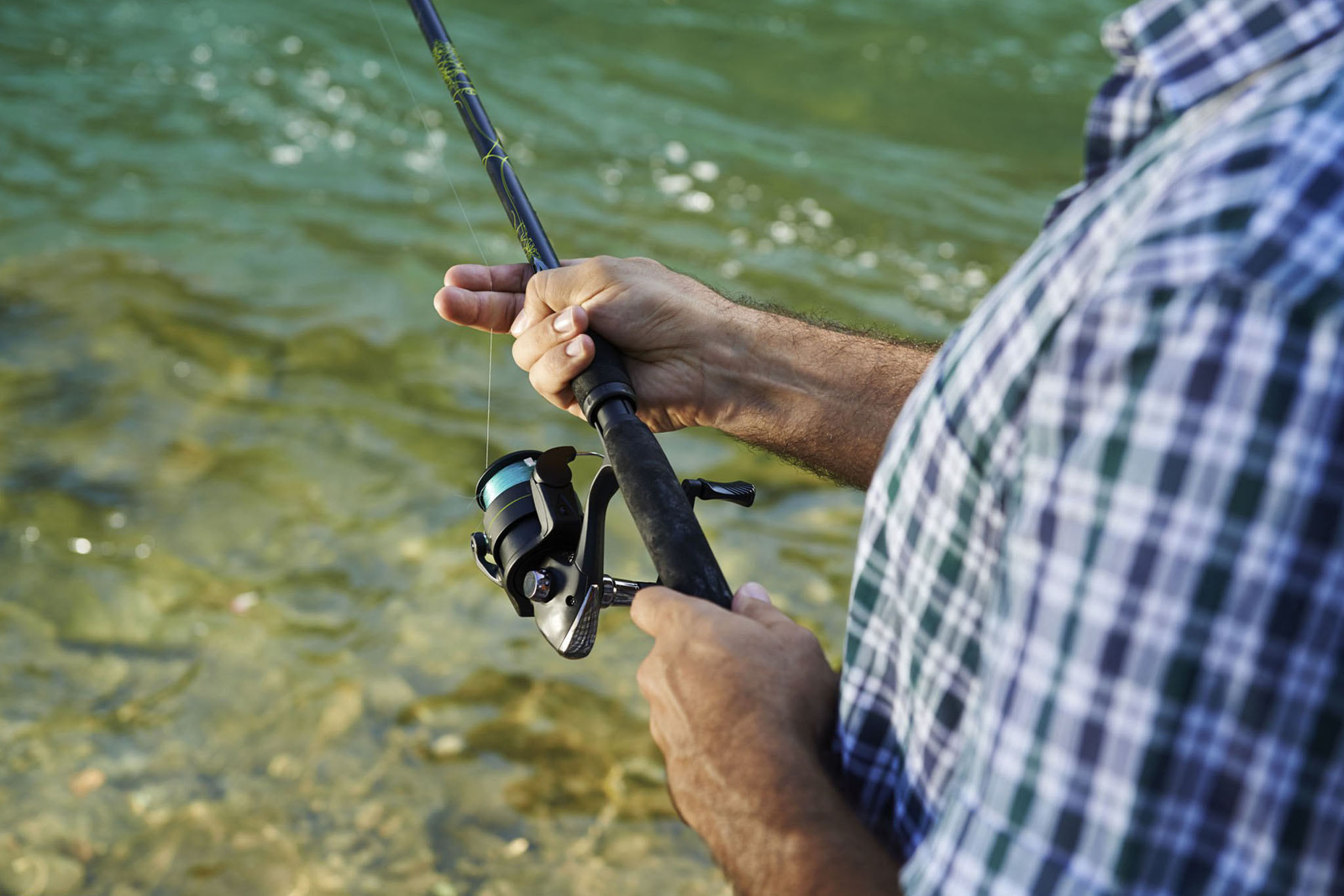
Every spring, rivers swell, reservoirs creep into the trees, and shorelines disappear under muddy water. For anglers, high water often feels like chaos—fish scatter, familiar spots vanish, and bites become inconsistent. Many assume fish are feeding aggressively because “there’s water everywhere.”
In reality, spring runoff creates the opposite mindset in fish.
High water brings opportunity, but it also brings risk. During this period, fish move more, but they commit less. Understanding how runoff reshapes fish behavior is essential for finding consistent success when the water is high and unpredictable.
Spring Runoff Is About Flow, Not Just Water Level
High water doesn’t just raise the surface—it changes everything beneath it.
Spring runoff increases:
- Current speed
- Water volume
- Turbidity
- Floating debris
- Temperature inconsistency
Fish aren’t reacting to depth alone. They’re responding to energy demand. Faster, colder, and dirtier water costs more energy to live in, so fish prioritize survival over feeding efficiency.
This is why high water rarely equals wide-open bites, even when fish are visibly present.
Why Fish Move More—but Settle Less—During Runoff
High water expands the map. Areas that were dry weeks ago suddenly become accessible. Flooded grass, brush, timber, and bank structure all look like prime habitat.
Fish do explore these zones—but they don’t anchor to them.
During runoff, fish:
- Push shallow temporarily
- Use flooded cover briefly
- Pull back quickly when conditions change
- Avoid committing to long feeding patterns
These movements are often short-lived and highly conditional. A fish may use a flooded bank for hours one day and abandon it entirely the next if current increases or water temperature drops.
Current Becomes the Deciding Factor
In high water, current dictates fish positioning more than depth or cover.
Fish seek places where:
- Water slows but still brings oxygen
- Current direction is predictable
- They can exit quickly if flow increases
This leads fish to hold in:
- Inside bends of rivers
- Secondary channels
- Backwater seams
- The downstream side of cover
Instead of sitting where water is deepest or newest, fish prioritize control. They want to decide when to move, not be forced by flow.
Why Feeding Is Short and Situational
High water doesn’t eliminate feeding—it compresses it.
During spring runoff, feeding happens:
- In short bursts
- When flow stabilizes temporarily
- Where food is naturally funneled
Runoff washes insects, baitfish, and organic matter downstream. Fish wait for these moments rather than actively hunting. When conditions line up, feeding can be intense—but brief.
Anglers who fish constantly through changing flow often miss these windows. Those who time stable conditions capitalize.
Visibility Changes How Fish React to Pressure
Muddy water reduces visibility, but it doesn’t make fish careless.
In stained or dirty water:
- Fish rely more on vibration and pressure
- Sudden disturbances spook fish faster
- Repeated casts through the same area matter less than placement
Because fish can’t see far, they hold closer to protective cover and react only when something enters their immediate zone. This creates a “low commitment” response—fish inspect first, then decide.
Aggressive movement often pushes fish away rather than triggering strikes.
Flooded Banks Aren’t Always the Best Option
Flooded shoreline cover attracts anglers, but fish often treat it as temporary shelter, not feeding habitat.
Fish use flooded banks to:
- Rest out of main current
- Warm slightly during calm periods
- Avoid predators
But they usually feed nearby—not directly inside flooded areas. The most consistent fish often sit just outside these zones, where water movement is steadier and escape routes remain open.
Fishing only the new water often means fishing where fish pass through, not where they stay.
High Water Makes Fish Less Predictable—but More Honest
One benefit of spring runoff is that fish behavior becomes more revealing.
Because fish prioritize survival:
- They position based on flow logic
- They avoid unstable water
- They choose efficiency over abundance
This strips away many “pattern myths” and rewards anglers who read water rather than follow seasonal rules.
Instead of asking where fish should be, high water fishing works best when you ask where fish can afford to be.
Adapting Your Approach During Runoff
Success during spring runoff requires restraint more than creativity.
Effective anglers:
- Focus on current breaks first
- Fish slower than normal
- Watch water movement before casting
- Adjust locations as flow changes, not just water level
Covering water blindly during runoff often spreads effort too thin. Precision matters more when fish refuse to commit.
Final Thoughts: High Water Is a Holding Pattern
Spring runoff is not a feeding season—it’s a holding pattern.
Fish are waiting for stability, conserving energy, and making short, cautious moves as conditions fluctuate. They aren’t absent, but they aren’t settled either.
When anglers understand this low-commitment mindset, frustration turns into strategy. High water stops feeling random and starts feeling readable—and that’s when spring runoff becomes an advantage instead of an obstacle.