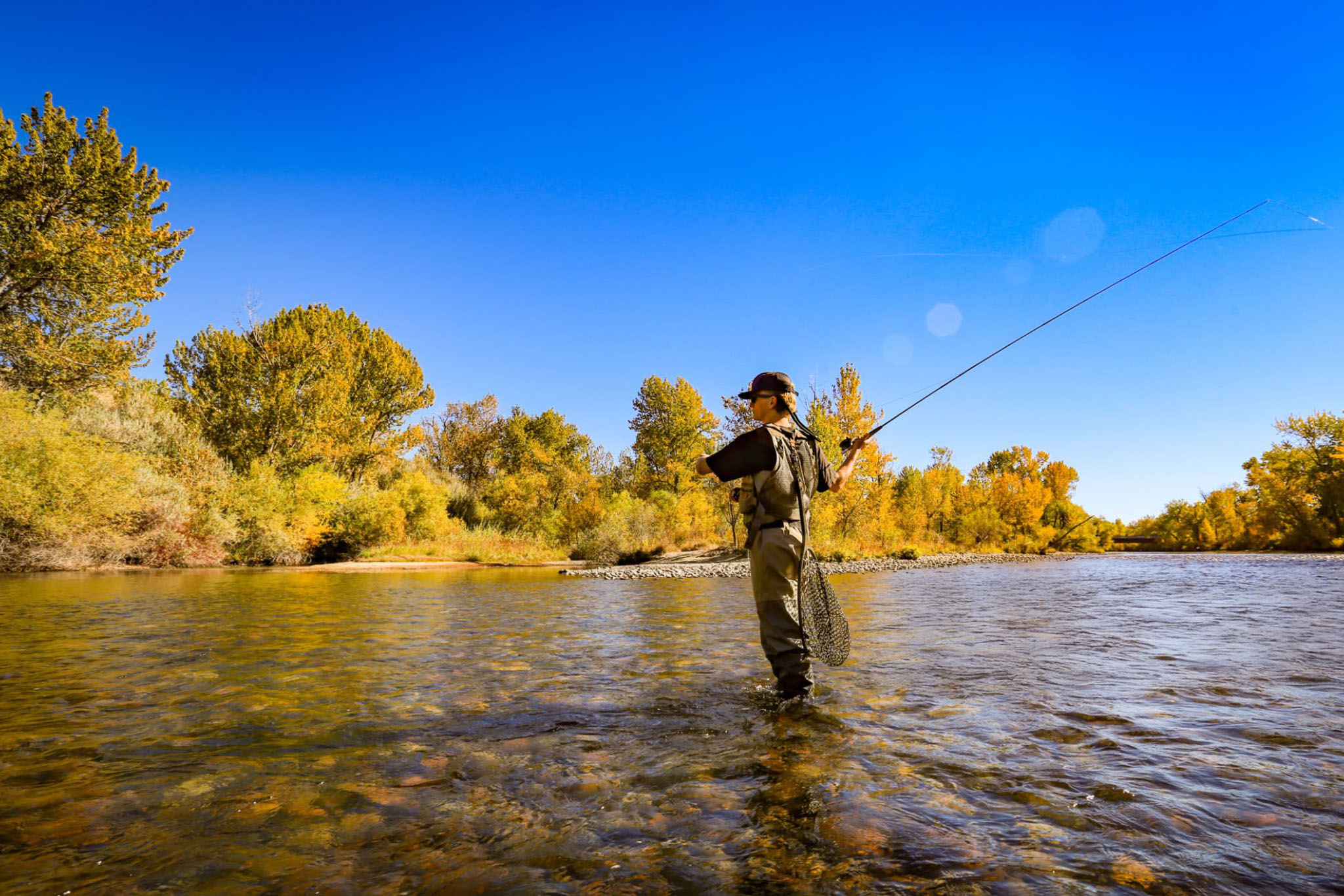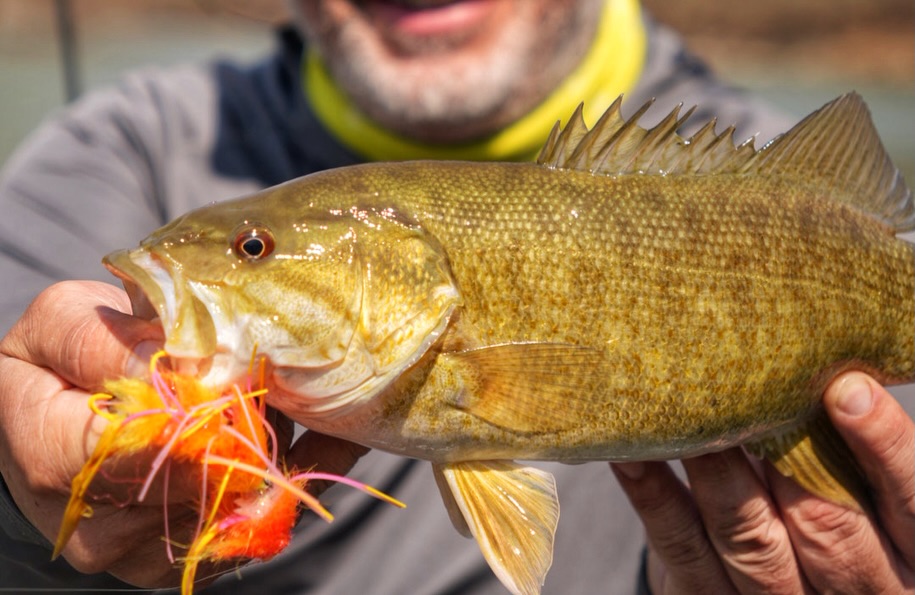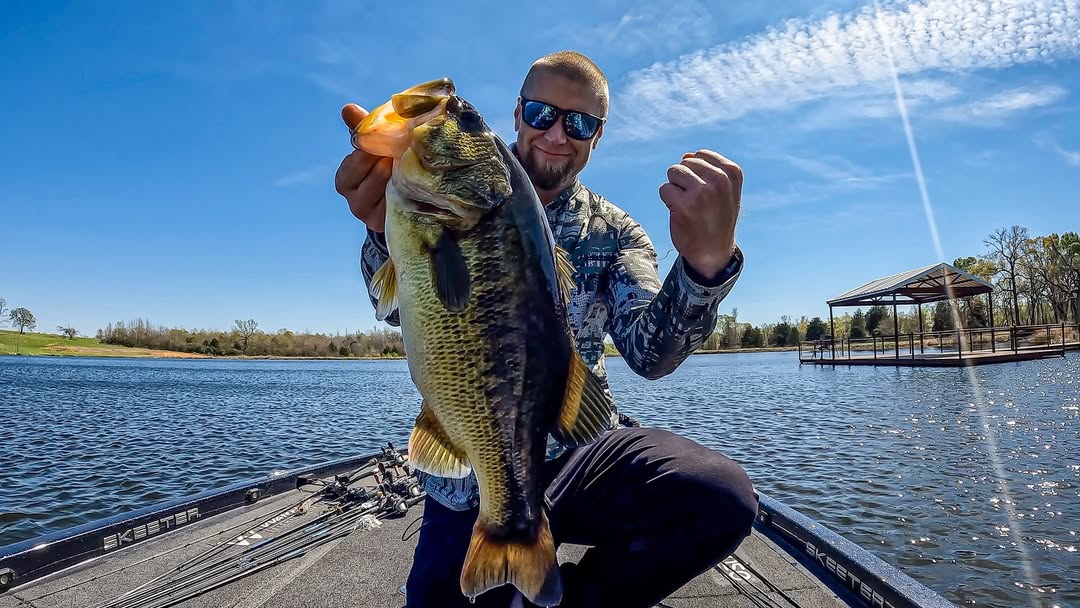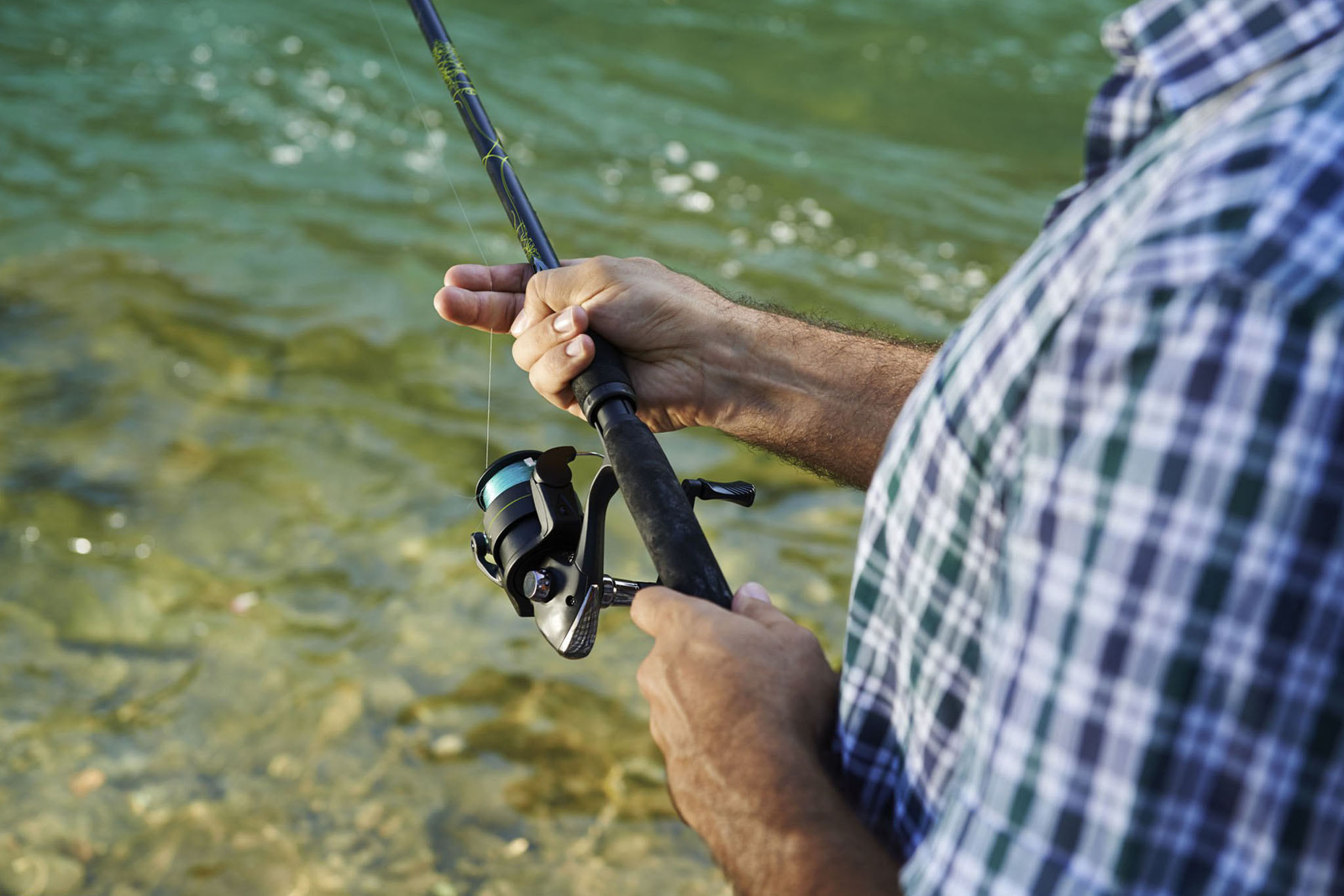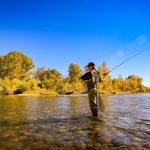
Early spring is one of the most exciting times for trout anglers in the U.S. As winter recedes, streams and rivers begin to thaw, creating ideal conditions for trout to feed actively after months of sluggishness. Meltwater increases flow, stirs nutrients, and awakens aquatic life, making trout more mobile—but also more cautious. Success in early spring requires adaptation, keen observation, and precise technique.
This guide explores the best strategies for targeting trout in thawing streams, including where to fish, what tackle to use, and how to read post-winter water conditions.
Understanding Trout Behavior in Early Spring
After a long winter:
- Metabolism ramps up as water temperatures rise above 40°F.
- Trout leave deep pools to seek food-rich riffles and runs.
- Insect hatches may be limited, so trout often focus on smaller prey like nymphs, larvae, and small baitfish.
- Fish may favor sheltered areas along banks, undercut edges, and near submerged logs to conserve energy in colder waters.
Tip: Trout behavior in early spring is opportunistic—they are hungry, but cautious. Positioning and presentation are key.
Step 1: Read the Thawing Water
Thawing streams present a mix of fast runoff currents and slower pools:
- Look for transition zones where fast water meets calm areas—trout often ambush prey here.
- Deep pools and holes offer refuge for fish in colder temperatures.
- Underwater structures like rocks, logs, and root wads create feeding lanes.
- Muddy runoff may temporarily reduce water clarity—focus on areas where pools remain clear.
Observing water temperature and flow can dramatically improve casting accuracy.
Step 2: Choose the Right Tackle and Presentation
Cold water and higher flows demand specific gear and bait selection:
- Rods: 6–7 foot spinning or light fly rods offer balance and control in spring streams.
- Line: Use light fluorocarbon leader for stealth; monofilament may sink too slowly in faster currents.
- Baits and lures:
- Nymphs and wet flies imitate larvae in runoff currents.
- Small spoons or spinners attract trout in murky water.
- Soft plastics fished near the bottom mimic emerging insects and baitfish.
- Retrieve: Slow and subtle is key—trout are suspicious in cold water.
Adjust color and size to match local forage; spring trout are often selective eaters.
Step 3: Target Key Locations
Early spring trout are concentrated in specific habitats:
- Confluence Zones – Where tributaries meet larger streams; nutrients and prey gather here.
- Shallow Riffles – Trout hunt insects washed downstream by runoff.
- Bank Covers – Undercut banks, rocks, and overhanging branches provide shelter and feeding lanes.
- Post-Run Pools – After fast water sections, trout pause in calmer pools to conserve energy.
Fishing in these areas increases encounter rates without exhaustive searching.
Step 4: Adjust to Environmental Challenges
Spring brings challenges that can impact trout activity:
- Cold snaps: Reduce trout movement; slow your presentation and fish deeper pools.
- High runoff: Avoid debris-laden currents; fish edges or calm seams.
- Wind and sun: Trout often move to sunlit areas for warmth, especially in shallow pools.
Flexibility and observation are essential—read water, temperature, and weather to determine where trout are feeding.
Step 5: Safety and Access Tips
Fishing thawing streams involves wet, slippery, and unpredictable terrain:
- Wear waterproof waders with traction soles to navigate slick rocks.
- Use a wading staff to maintain balance in swift currents.
- Watch for hidden submerged hazards like logs and deep holes.
- Keep emergency gear and a buddy system in place for isolated streams.
Early spring fishing is rewarding but requires careful attention to safety.
Common Mistakes to Avoid
- Ignoring water clarity – Fishing muddy sections reduces strike chances.
- Overly fast retrieves – Cold trout are sluggish; subtle movements work best.
- Fishing deep pools exclusively – Early spring fish may favor shallower, nutrient-rich areas.
- Skipping temperature checks – Water under 40°F may slow trout dramatically.
- Neglecting post-runoff debris – Twigs and leaves can foul lines and lures.
Final Thoughts
Spring trout fishing is a unique combination of science, observation, and technique. Meltwater streams and rivers offer hungry fish that can be productive if you:
- Read thawing water carefully.
- Adjust tackle and presentation to slow, cautious trout.
- Target transition zones, riffles, and bank covers.
- Adapt to weather, water clarity, and runoff conditions.
By respecting the nuances of early spring trout behavior, anglers can experience some of the most rewarding fishing of the year. Melted snow, clear pools, and active trout make for memorable spring days on the water.