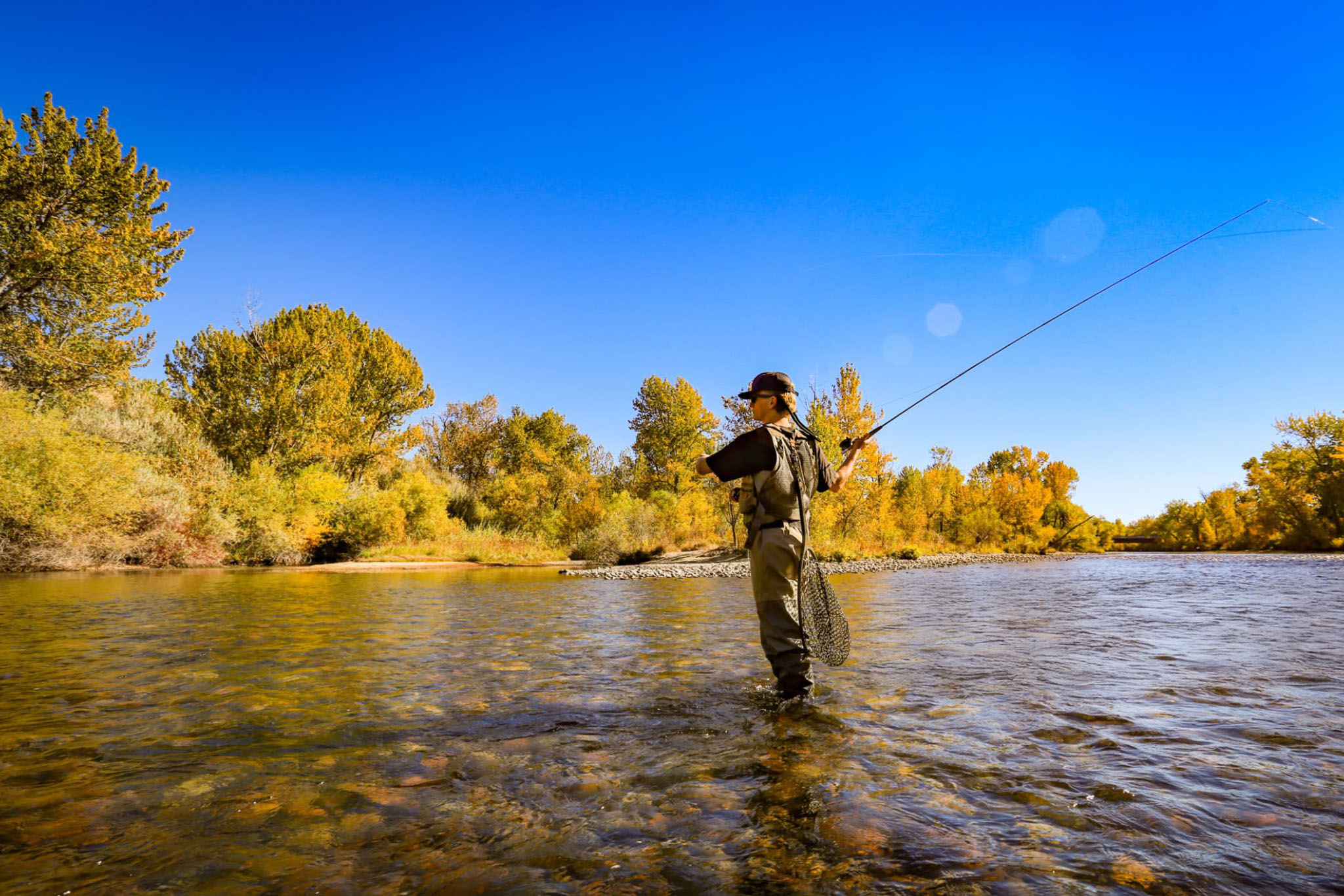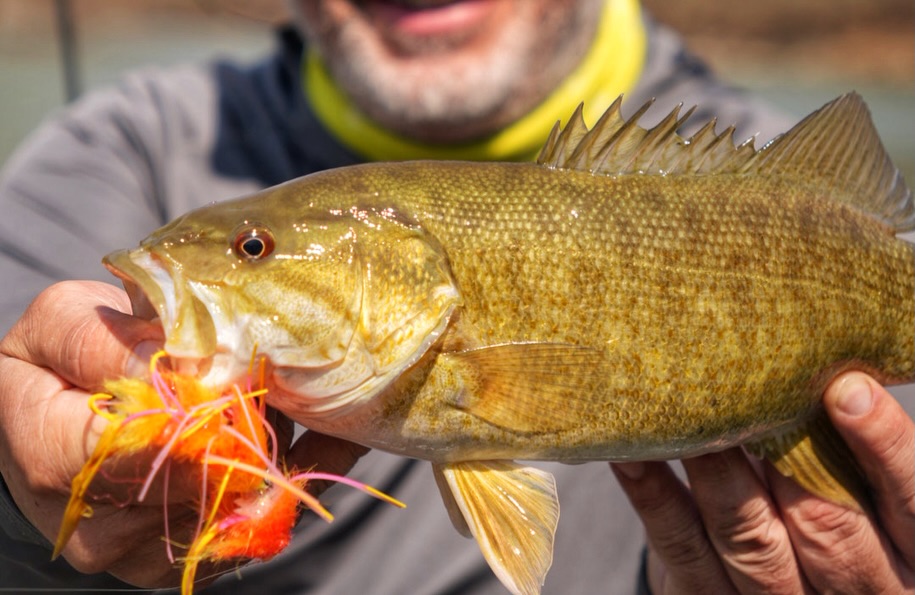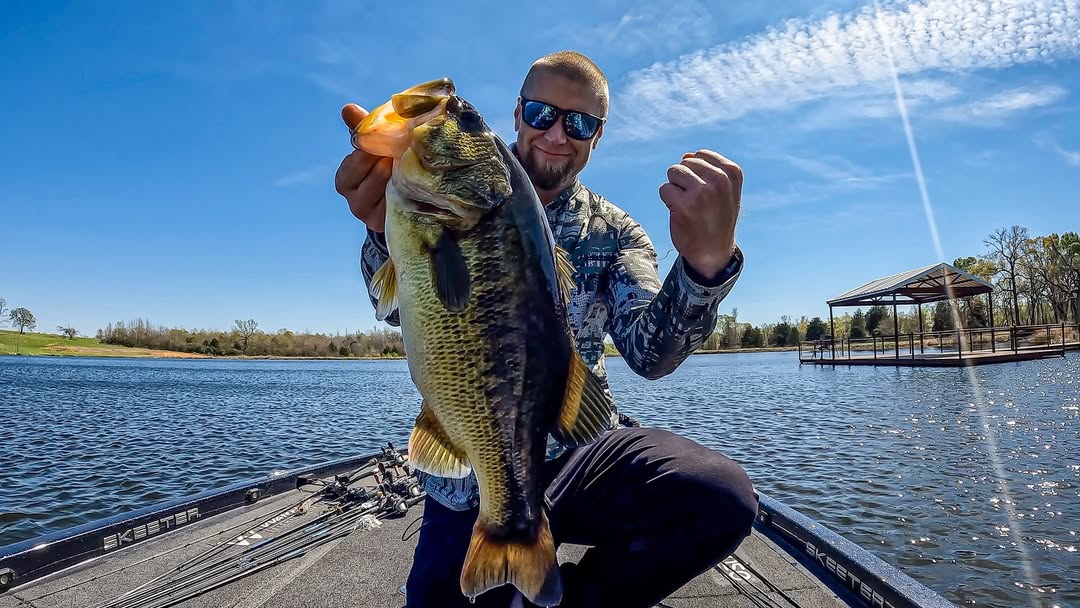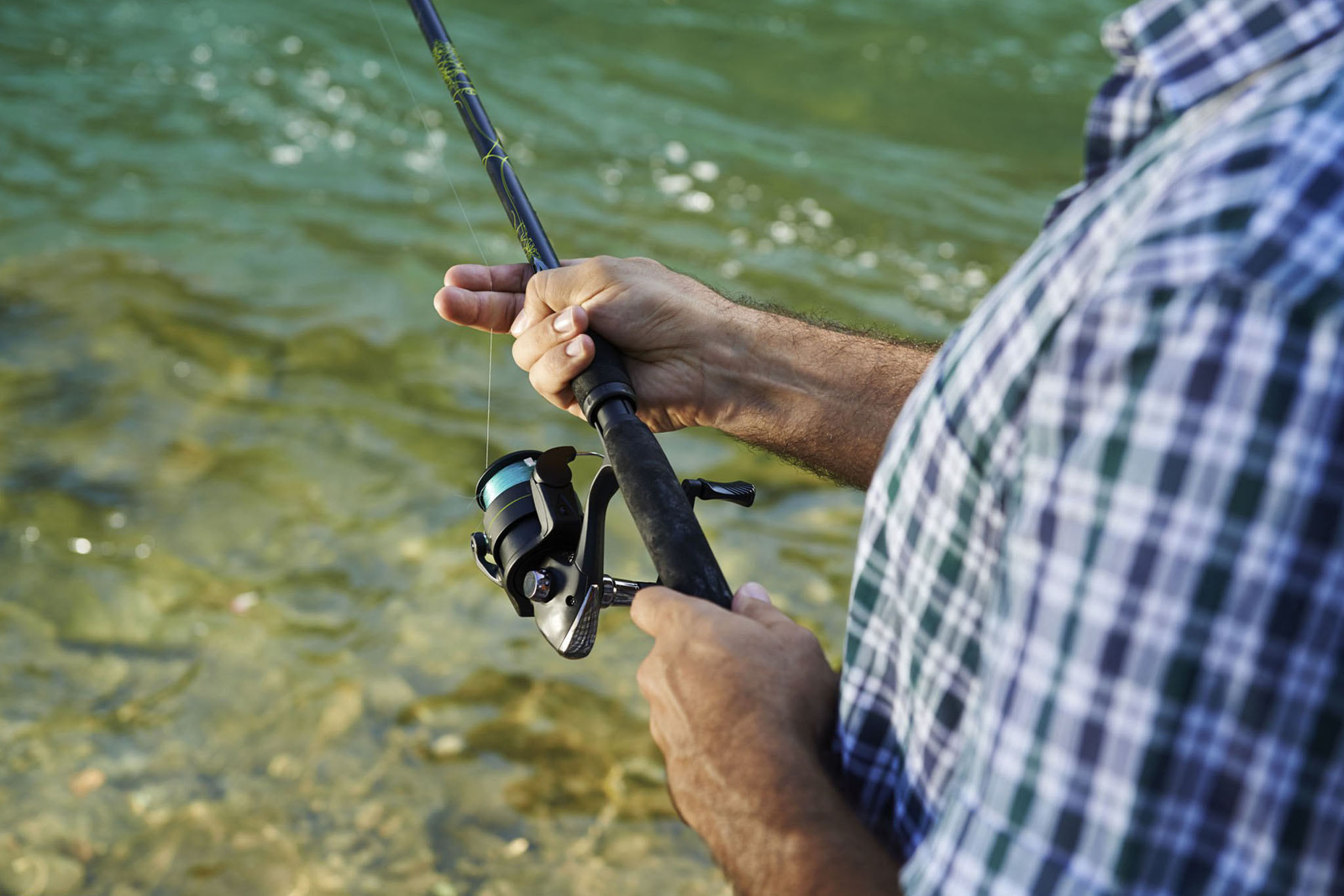

As winter fades and water temperatures slowly rise, bass start moving from their deep winter haunts into shallower, food-rich areas. Early spring is one of the most exciting—and sometimes frustrating—times for bass anglers. Fish are hungry but sluggish, and water conditions can vary dramatically depending on runoff, sun exposure, and local weather. Knowing where bass gather after winter can make the difference between a frustrating day and a trophy catch.
This guide will explore key early spring bass hotspots, how to find them, and the strategies that consistently produce bites.
Understanding Early Spring Bass Behavior
Winter forces bass to conserve energy, often staying in deep pools, undercut banks, or near structure where the current is minimal. As water temperatures creep toward the mid-40s to 50s (°F):
- Bass begin moving toward shallow flats and creek mouths to feed.
- Feeding becomes opportunistic, targeting baitfish and early-season insects.
- Shallow areas with cover provide protection from cold water fluctuations.
- Bass tend to stay near transition zones where depth changes quickly, allowing energy-efficient ambushes.
Early spring is not about constant movement; it’s about finding concentrated pockets of fish before they fully disperse into pre-spawn patterns.
Step 1: Target Key Early Spring Hotspots
Certain areas are consistently productive for bass during the post-winter transition:
1. Creek Mouths and Tributary Confluences
- Meltwater and runoff funnel nutrients and baitfish into these zones.
- Bass gather here to feed without expending excessive energy.
- Look for areas with shallow edges and slightly faster flow—they’re ambush points for hungry fish.
2. Shallow Flats with Cover
- Flats with submerged vegetation, brush, or rocks offer both warmth and protection.
- Even sparse cover attracts bass seeking shelter from cold water and predators.
- Focus on areas that receive early morning sun, which warms the water faster.
3. Undercut Banks and Fallen Trees
- Bass prefer structure where they can remain concealed.
- Fallen logs, stumps, and overhanging trees provide ambush spots for feeding.
- Cast close to these structures but avoid spooking fish by splashing in shallow water.
4. Points and Shallow Drop-offs
- Transition zones where depth changes from shallow to deep are ideal.
- Bass patrol these areas, waiting for prey moving along the edges.
- Points with both sunlight and current exposure are often high-traffic feeding lanes.
Step 2: Choose the Right Lures and Techniques
Cold spring bass require finesse and subtle presentations:
- Soft plastics: Wacky-rigged worms or creature baits fished slowly along the bottom.
- Jigs: Small jigs tipped with soft plastics work well near structure and cover.
- Lipless crankbaits: Effective for covering shallow flats quickly and triggering reaction strikes.
- Topwater baits: Limited use early in the season; best during sunny, calm afternoons when bass actively feed near the surface.
Slow, deliberate retrieves mimic natural prey movements in sluggish early spring water.
Step 3: Observe Environmental Clues
Water and weather conditions heavily influence bass location:
- Temperature breaks: Bass often gather in pockets where sunlight warms shallow water faster.
- Current seams: Meltwater creates currents where baitfish and insects concentrate.
- Wind-blown shorelines: Light wind can push warmer water and bait toward one side of the lake, attracting bass.
- Cloud cover: Overcast days can push fish to slightly deeper water, while sunny periods may encourage shallow feeding.
Step 4: Access and Safety Tips
Early spring conditions can make access challenging:
- Muddy banks and soft shorelines require waterproof boots or waders with traction.
- Cold air and water temperatures increase the risk of hypothermia—layer clothing and stay dry.
- When fishing small streams or river-fed flats, watch for fast runoff currents and hidden debris.
- Always let someone know your fishing location, especially in remote early spring conditions.
Common Mistakes to Avoid
- Focusing exclusively on deep winter holes – bass are moving shallow in early spring.
- Overly fast retrieves – sluggish bass require subtle, deliberate action.
- Ignoring cover – even minimal brush or rock clusters can hold concentrated fish.
- Skipping temperature checks – water below 45°F may reduce bite rates dramatically.
- Fishing in exposed areas – bass prefer sheltered spots until the water fully warms.
Final Thoughts
Early spring is a prime opportunity to catch hungry bass, but success depends on reading water, locating transitional zones, and presenting lures effectively. By targeting creek mouths, shallow flats, undercut banks, and points, and by matching lure presentation to fish behavior and water conditions, anglers can experience productive spring days on the water.
Remember: post-winter bass are hungry but cautious. Approach slowly, choose the right hotspots, and adjust to conditions—and early spring can be one of the most rewarding bass fishing seasons of the year.