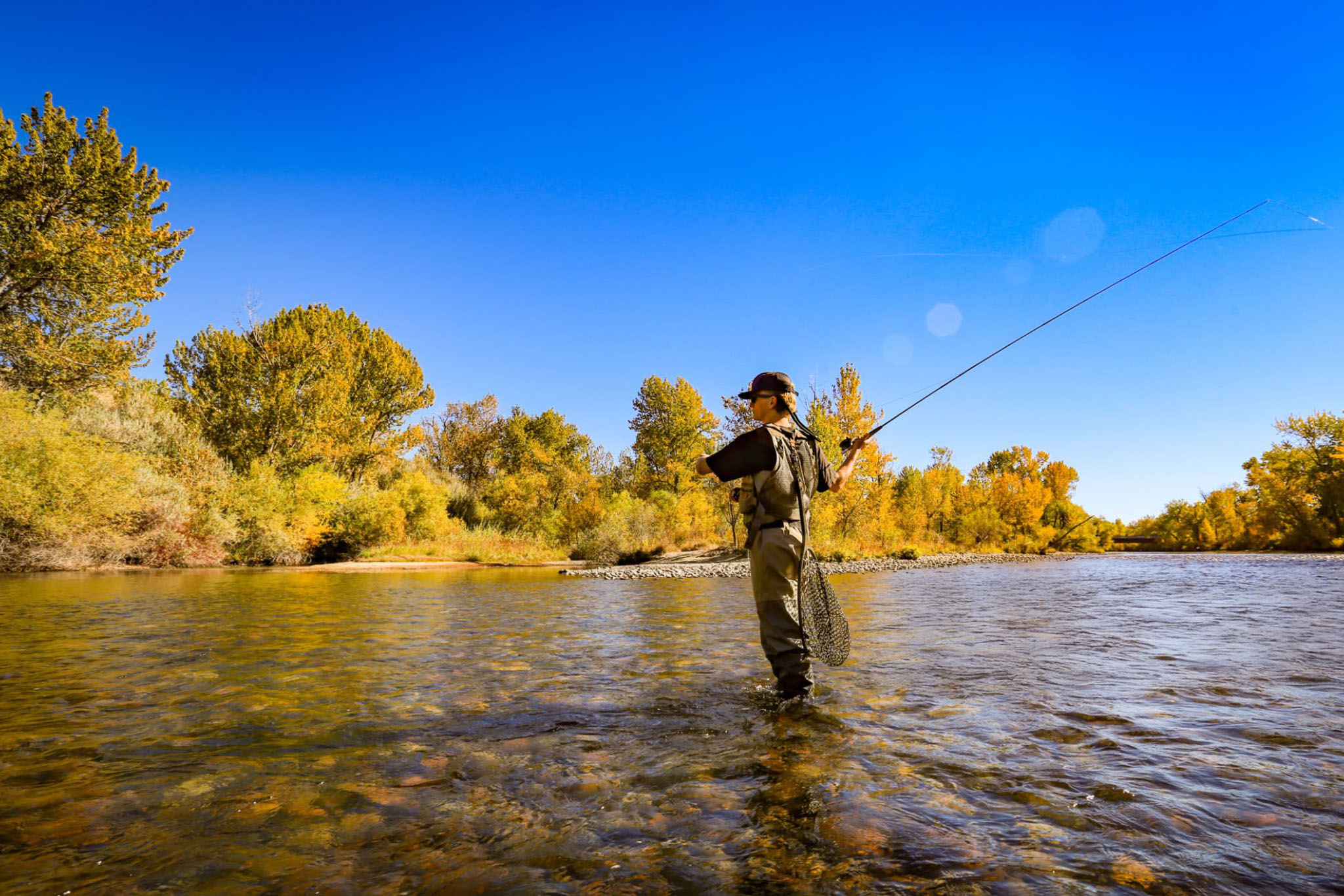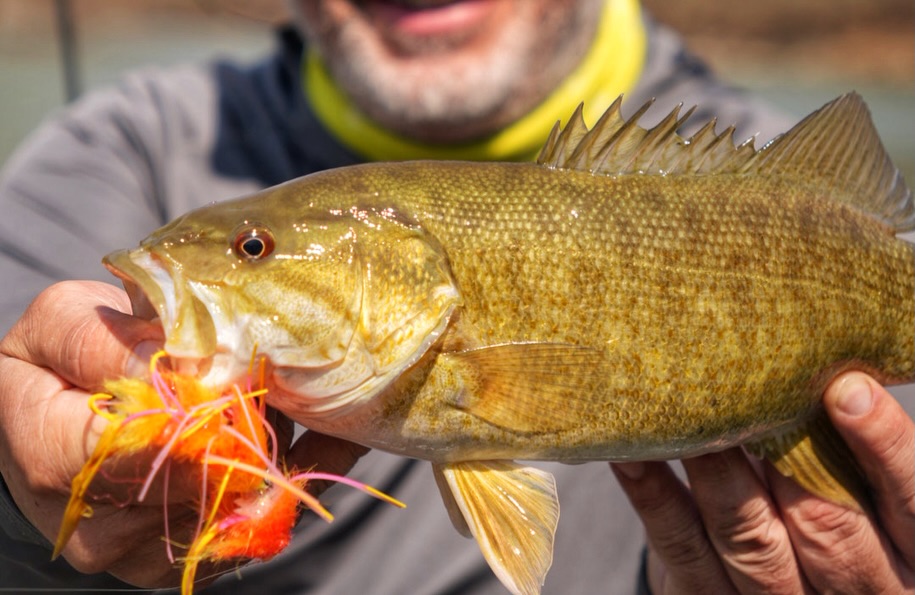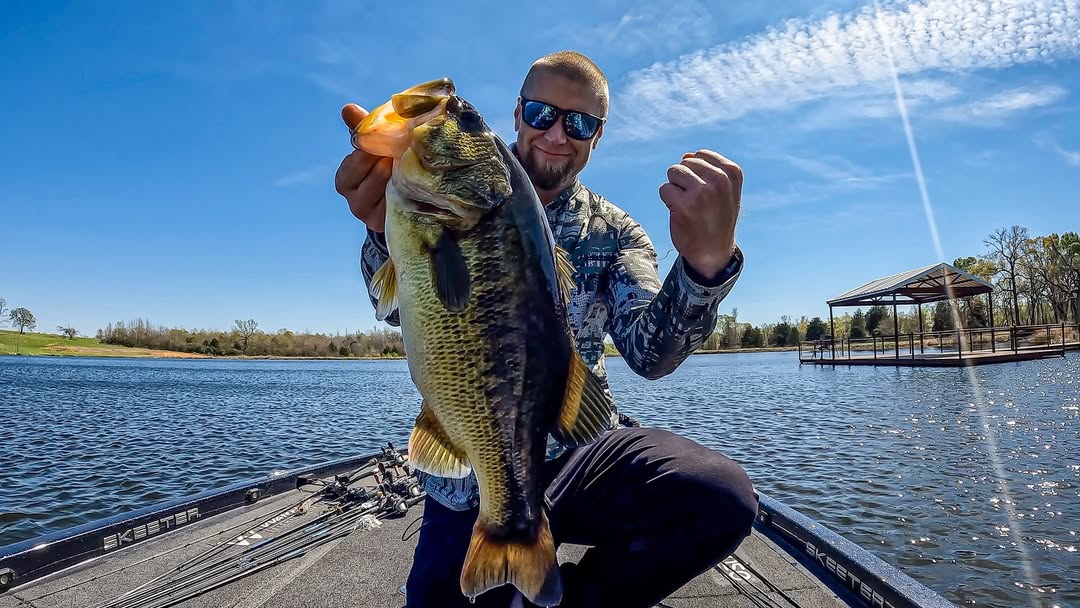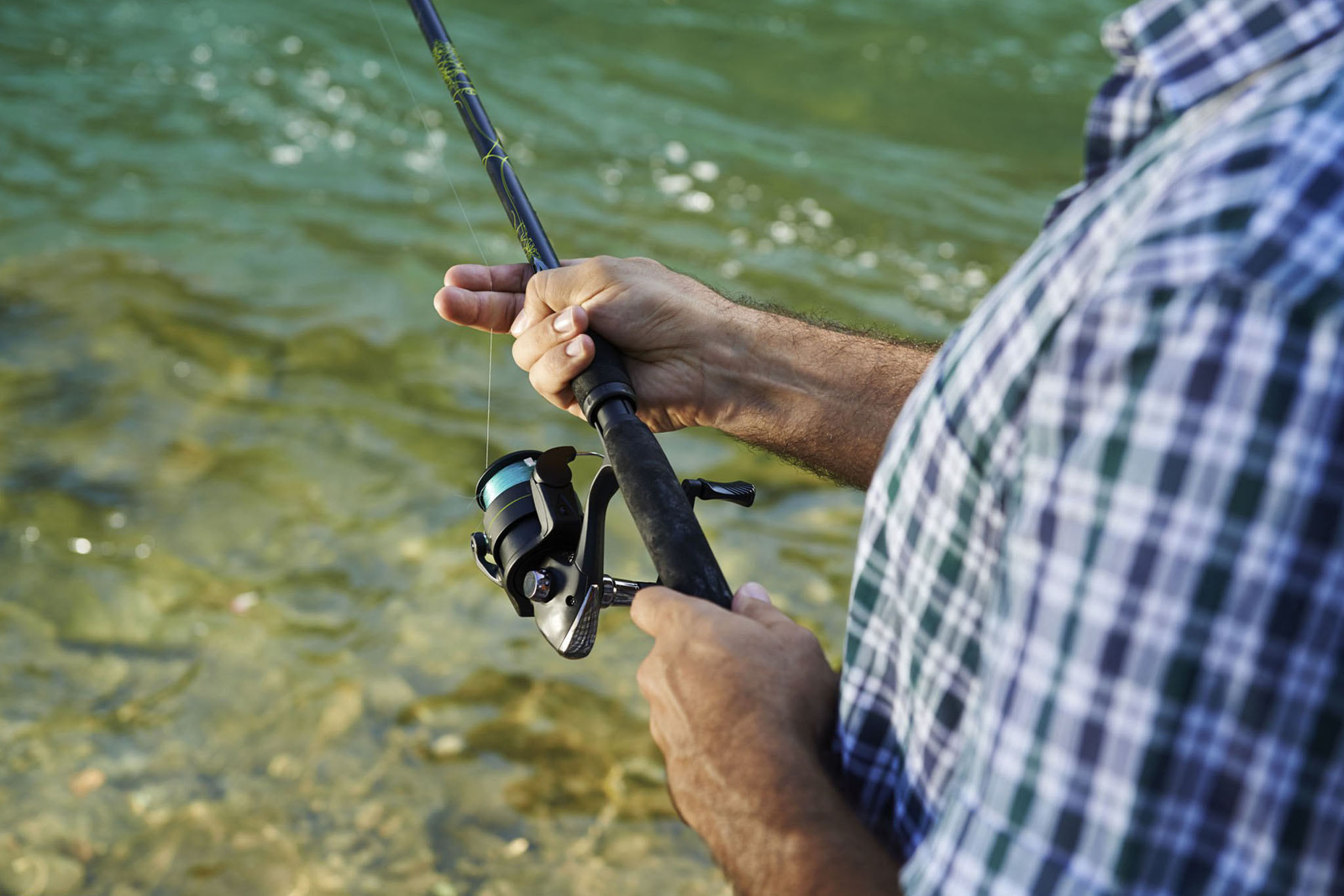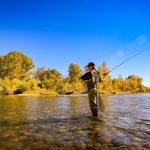
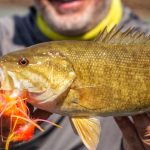
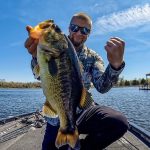
Early spring is a transitional period in freshwater lakes, rivers, and reservoirs across the U.S. Before the water reaches ideal spawning temperatures, fish begin moving from deep wintering areas toward shallower flats and protected coves. Understanding these pre-spawn patterns is essential for anglers looking to catch fish before the water fully warms up.
Why Pre-Spawn Periods Matter
During pre-spawn:
- Fish are becoming more active but are not yet fully feeding aggressively.
- Many species, including bass, crappie, walleye, and pike, begin aggregating near structure and staging areas.
- Targeting these pre-spawn locations can give anglers a head start on the spring bite before full spawn chaos begins.
Observing water temperature, fish movement, and underwater structure is key to finding these pre-spawn hotspots.
Key Pre-Spawn Locations
1. Deep Wintering Holes
- Fish often spend winter in deep pools or channels where temperatures remain stable.
- Pre-spawn migration starts here; fish move along drop-offs and points toward shallower feeding zones.
- Effective techniques include jigging along edges and slowly working soft plastics near deep structure.
2. Shallow Flats
- Flats that warm first, especially south-facing or sunlit areas, attract fish staging before spawning.
- Bass and crappie often patrol shallow flats for food while awaiting ideal water temperatures.
- Topwater lures, finesse worms, and suspending jerkbaits are effective in these areas.
3. Transition Zones
- The edges between deep winter holes and shallow flats are critical.
- Fish use these zones as travel corridors, feeding opportunistically along the way.
- Look for thermoclines, vegetation edges, and structure breaks—these are prime ambush areas.
4. Protected Coves and Bays
- Pre-spawn fish prefer calmer water, shielded from wind and strong currents.
- These coves serve as staging areas where fish gather until the water warms enough for full spawning activity.
- Casting near submerged brush, docks, or timber can trigger early-season strikes.
Observing Pre-Spawn Behavior
Anglers should look for subtle signs:
- Schooling fish near shallow edges during sunny periods.
- Surface activity as fish feed on insects and emerging baitfish.
- Baitfish concentration in protected areas, signaling predator presence.
- Fish lingering near structure but not actively feeding—these are staging fish ready to move.
Effective Pre-Spawn Lures and Tactics
1. Soft Plastics
- Finesse worms, tubes, and creature baits fished slowly along edges and near cover work best.
- Small jigs with light weight help maintain natural presentation in cold water.
2. Jerkbaits and Suspended Lures
- Suspending jerkbaits are excellent for ambushing fish in transition zones.
- Use a slow, twitching retrieve to mimic struggling prey.
3. Crankbaits and Lipless Crankbaits
- Effective along points and shallow flats where fish stage.
- Choose subtle, natural colors in low-light conditions, bright or reflective patterns in clearer water.
4. Topwater Options
- Poppers, frogs, and stickbaits can provoke strikes on sunny flats and shallow bays.
- Use gentle twitches and occasional pauses to trigger lethargic pre-spawn fish.
Timing Your Pre-Spawn Trips
- Early mornings: Fish may linger in deeper water, waiting for sunlight to warm flats.
- Midday sun: Brings active fish closer to shallow flats and staging areas.
- Before and after cold fronts: Fish may retreat to deeper water, so anticipate movement.
- Tracking water temperature: Bass often move shallow when water reaches ~50–55°F, while crappie, walleye, and other species have slightly different thresholds.
Common Mistakes to Avoid
- Assuming fish are fully active: Pre-spawn fish are selective feeders—slow presentations outperform aggressive retrieves.
- Neglecting structure: Fish stage near brush, docks, or rock piles even in shallow areas.
- Ignoring water temperature: Even slight changes in sun exposure or runoff can alter fish locations dramatically.
- Overcrowding flats: Fish can become wary if anglers focus solely on obvious shallow areas.
Final Thoughts
Pre-spawn periods offer a unique window of opportunity for anglers willing to read water, temperature, and fish behavior. By understanding where fish gather, how they stage, and which lures trigger early bites, you can maximize success before the chaos of the spawn begins. Early spring fishing isn’t just about luck—it’s about observation, patience, and strategic presentation.
Mastering pre-spawn patterns sets the stage for productive spring fishing and gives you a distinct advantage over anglers who only chase fish during peak spawn.