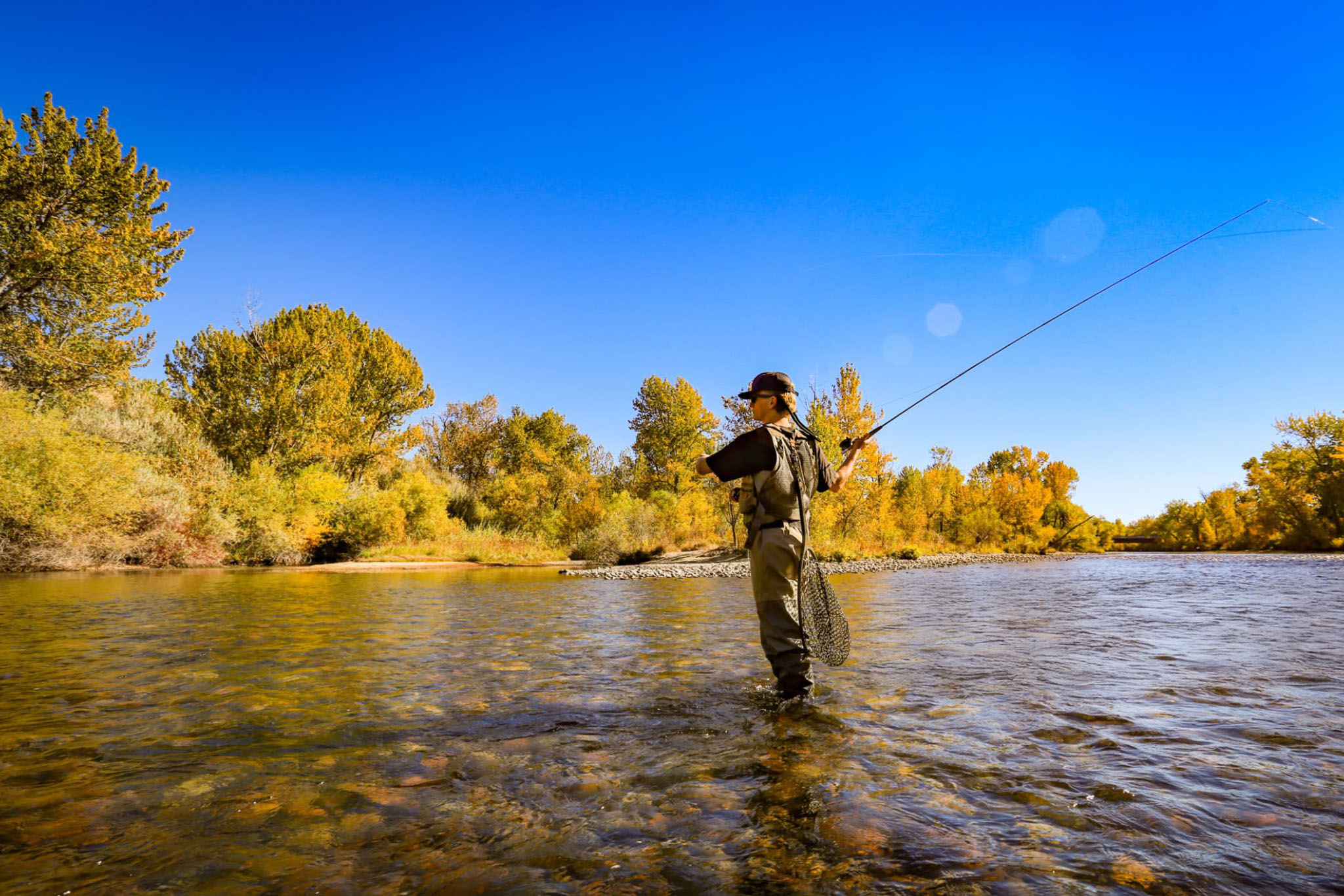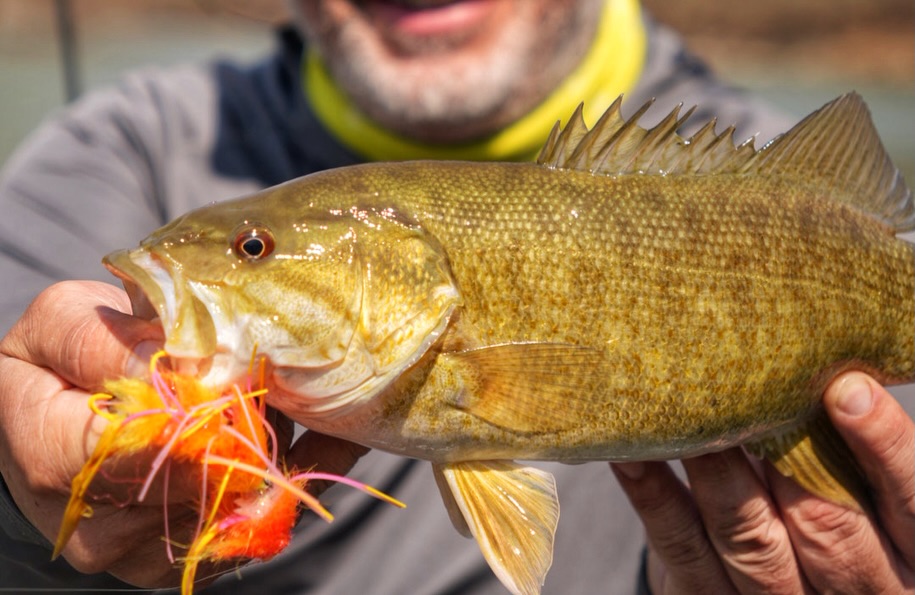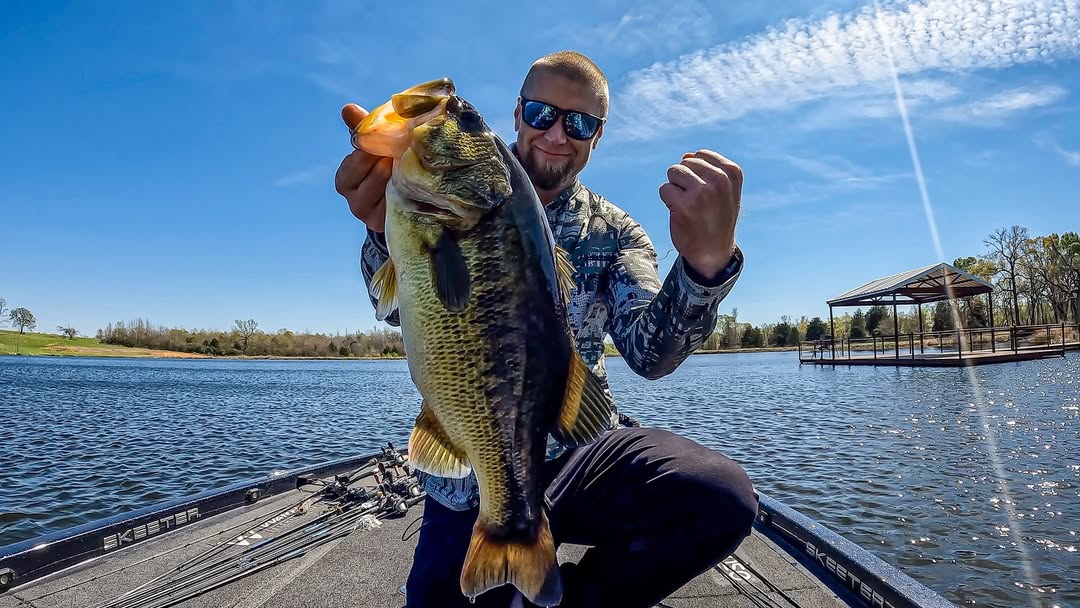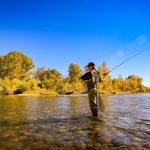
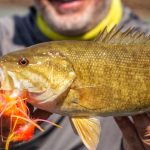
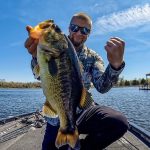
Early spring is a transitional period for freshwater fish in the U.S. Water temperatures are still low, fish metabolism is slow, and predatory species like bass, pike, and panfish are often lethargic. For many anglers, this means the usual lures and presentations may not produce bites. But topwater fishing in early spring can be surprisingly effective—if you know how to trigger strikes from slow, cautious fish.
Here’s a guide to making the most of topwater action during spring.
Why Topwater Works in Early Spring
Even in cold water, fish are opportunistic predators. Early spring offers a few advantages for topwater fishing:
- Shallow warming flats: Sun-warmed shallows draw baitfish, attracting predators to the surface.
- Pre-spawn activity: Many species begin moving toward shallow cover, like brush, docks, and submerged vegetation.
- Limited food availability: Rising water floods terrestrial insects and small prey, creating surface feeding opportunities.
Topwater fishing allows you to mimic struggling prey on the water’s surface, which can provoke strikes even from sluggish fish.
Choosing the Right Topwater Lure
1. Hollow-Body Frogs
- Ideal for fishing over submerged vegetation and lily pads.
- Use subtle twitches to imitate frogs or small prey struggling on the surface.
2. Walking Baits (Poppers and Stickbaits)
- Stickbaits are effective for slow-moving fish: create a “walk-the-dog” motion with small pauses.
- Poppers create surface disturbance to grab attention in muddy or stained water.
3. Buzzbaits
- Effective along shallow flats and edges, especially when bass are near emergent cover.
- Use slow, steady retrieves to accommodate reduced fish activity.
4. Frogs and Creatures for Structure
- When targeting docks, logs, or submerged brush, soft-bodied topwater frogs work best.
- Let the lure sit briefly, then twitch slowly—this pause often triggers strikes from inactive fish.
Presentation Tips for Slow Fish
- Pause and Twitch
- Slow retrieval with intermittent pauses is critical.
- A fish may follow the lure for several seconds before committing—patience wins.
- Target Early Warming Areas
- Sunny shallow flats, sandbars, and edges of submerged vegetation heat faster.
- Fish in these areas are more likely to rise for surface prey.
- Vary Retrieve Speed
- Start extremely slow, then slightly accelerate if no strikes occur.
- Observe how fish react—subtle adjustments can trigger a bite.
- Focus on Cover
- Fish are often near submerged trees, brush, docks, or rock piles.
- Cast close but avoid spooking them; let the lure land softly.
Timing Your Topwater Sessions
- Mid-morning to early afternoon: Sunlight warms shallow flats, activating fish.
- Right after a warm front: Slight water temperature increases often trigger a feeding frenzy.
- Low-light conditions: Early morning or late evening can also work, especially in clear water.
Gear Recommendations
- Rods: Medium-light to medium action for sensitivity and accurate casting.
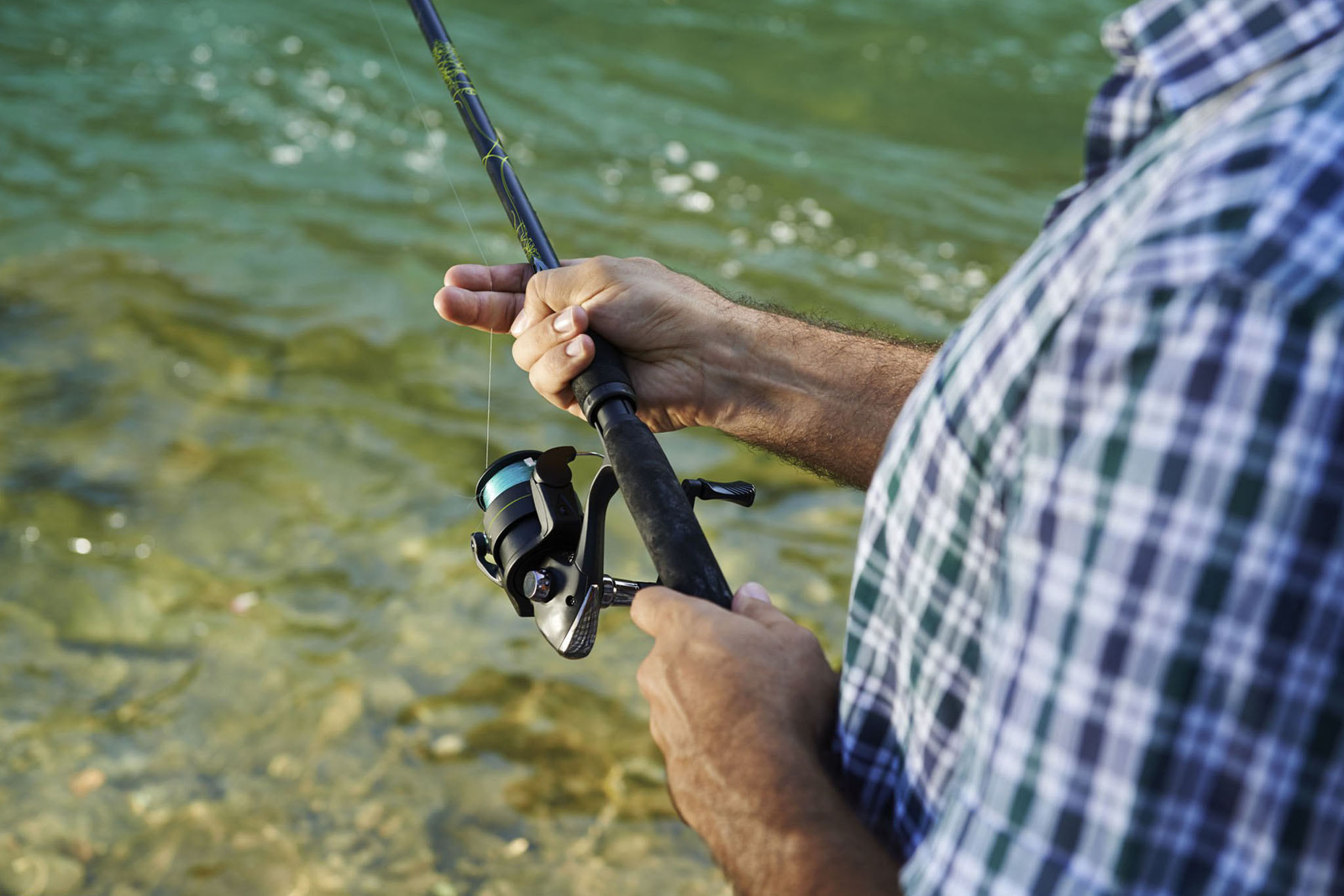
- Reels: Baitcasting or spinning reels with smooth drag.
- Line: Fluorocarbon leaders or 10–12 lb braided line for control and hook-setting power.
- Accessories: Polarized sunglasses help spot subtle surface disturbances.
Common Mistakes to Avoid
- Too fast of a retrieve: Cold fish rarely chase aggressively; subtle, slow movements work best.
- Ignoring pauses: Pausing mimics struggling prey and often triggers lethargic fish.
- Overcrowding prime flats: Fish become wary when anglers crowd shallow warming areas.
- Casting without structure in mind: Topwater works best near edges, vegetation, or submerged objects where predators lie in ambush.
Final Thoughts
Topwater fishing in early spring may seem counterintuitive—cold fish are sluggish, and strikes can be elusive. Yet, when done with patience, observation, and proper technique, it can produce explosive and memorable bites. The keys are choosing the right lure, presenting it slowly, targeting warming flats and cover, and timing your sessions around sunlight and temperature changes.
Even when fish are slow, spring topwater fishing provides both excitement and a chance to catch some of the first active fish of the season, making it a rewarding pursuit for dedicated anglers.