
Spring is one of the most exciting times for anglers in the United States. As rivers rise, lakes warm, and fish become more active, beginners often feel a surge of enthusiasm. However, new anglers frequently make avoidable mistakes that can turn a promising day on the water into a frustrating experience. Understanding these common pitfalls and how to correct them can dramatically improve early spring fishing success.
1. Ignoring Water Temperature
The Mistake: Many new anglers assume that fish behavior in spring is the same as in summer. They target spots without considering water temperature.
Why It Matters: Fish metabolism is slower in cold water, meaning they move less and are less aggressive. Even a few degrees difference can determine whether a fish is actively feeding or resting.
How to Avoid It:
- Check water temperature before heading out. Trout and bass respond to slight increases in water warmth.
- Focus on sun-warmed shallow areas, tributary inflows, or shallow bays during early spring.
2. Using the Wrong Lures or Baits
The Mistake: Beginners often use fast-moving or oversized lures that work in summer, expecting fish to chase aggressively.
Why It Matters: In early spring, fish are lethargic and won’t chase fast-moving prey. Heavy lures can spook them.
How to Avoid It:
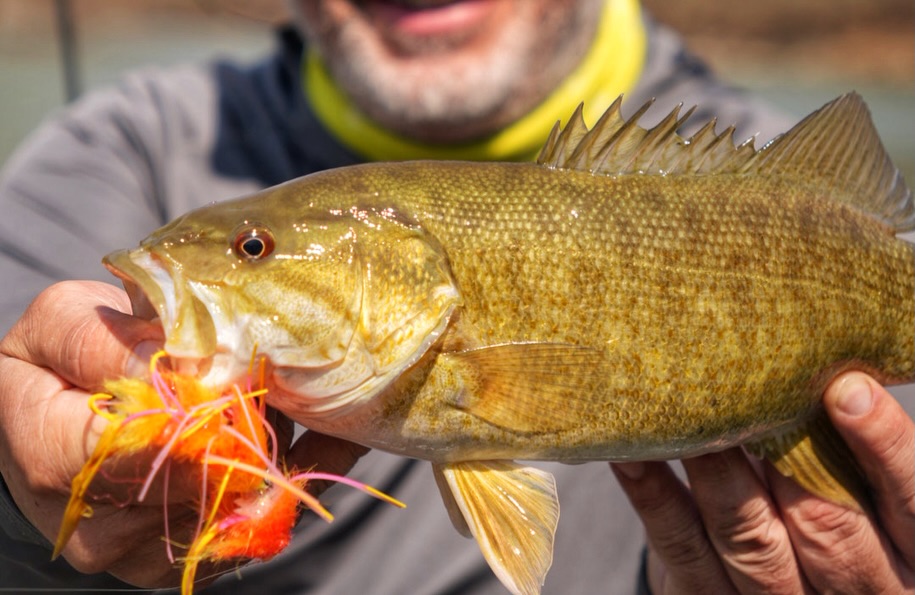
- Use slow, subtle lures like soft plastics, jigs, and suspending jerkbaits.
- Live bait such as minnows or worms is often more effective than artificial lures for panfish and catfish.
- Focus on finesse techniques rather than brute force.
3. Overlooking Seasonal Fish Patterns
The Mistake: New anglers often ignore how fish transition from winter to spring behavior, missing ideal feeding zones.
Why It Matters: Fish move from deep winter haunts to shallow feeding areas, but their movement is gradual and temperature-dependent.
How to Avoid It:
- Target current breaks, shallow flats, and flooded structures where fish feed on displaced insects and small prey.
- Observe fish activity — bubbles, surface feeding, or ripples often indicate hotspots.
4. Wading or Fishing Unsafely
The Mistake: Beginners underestimate the challenges of cold, muddy banks, and rising rivers, often stepping into slippery or unsafe areas.
Why It Matters: Wet, slippery conditions combined with cold water increase the risk of falls and hypothermia.
How to Avoid It:
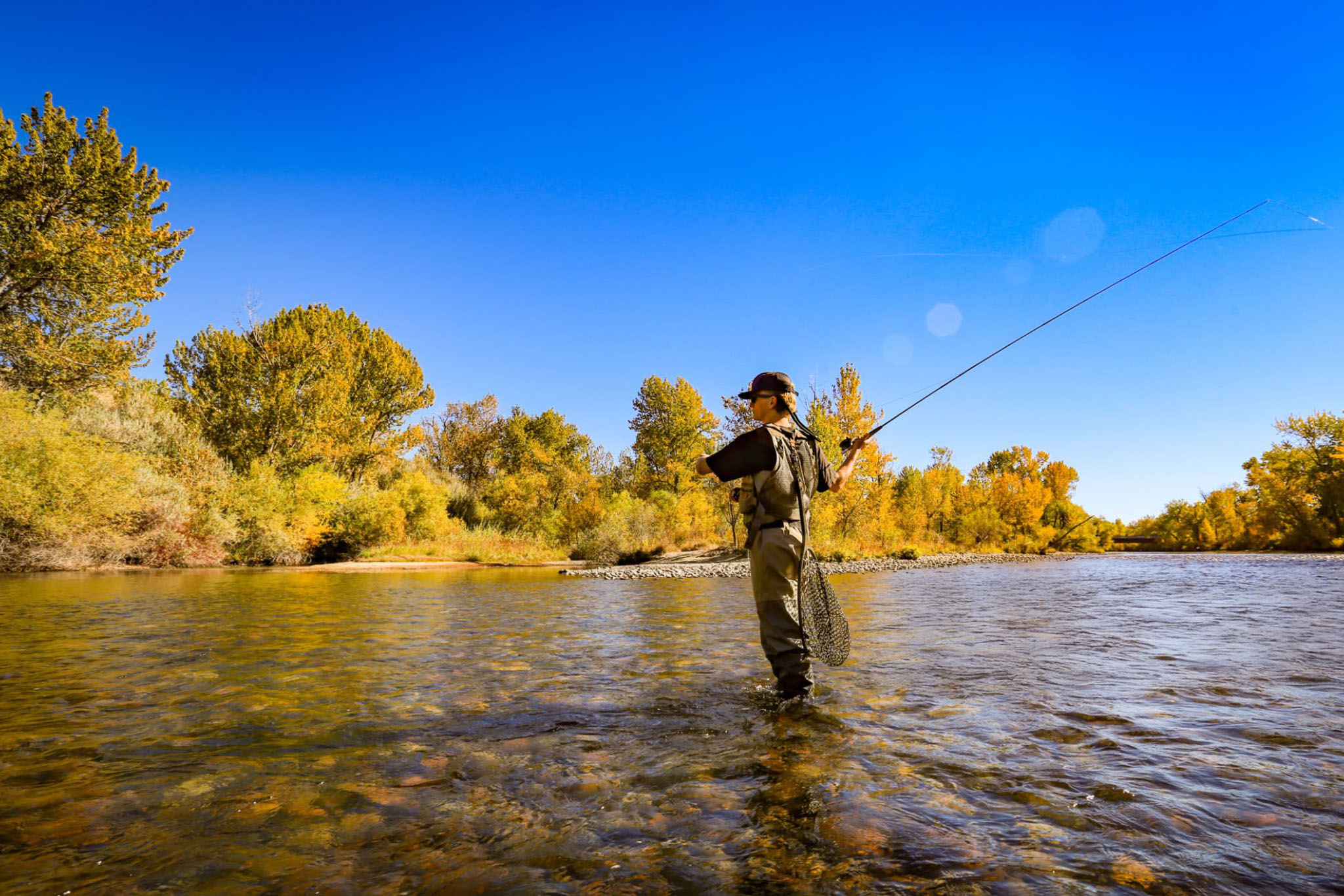
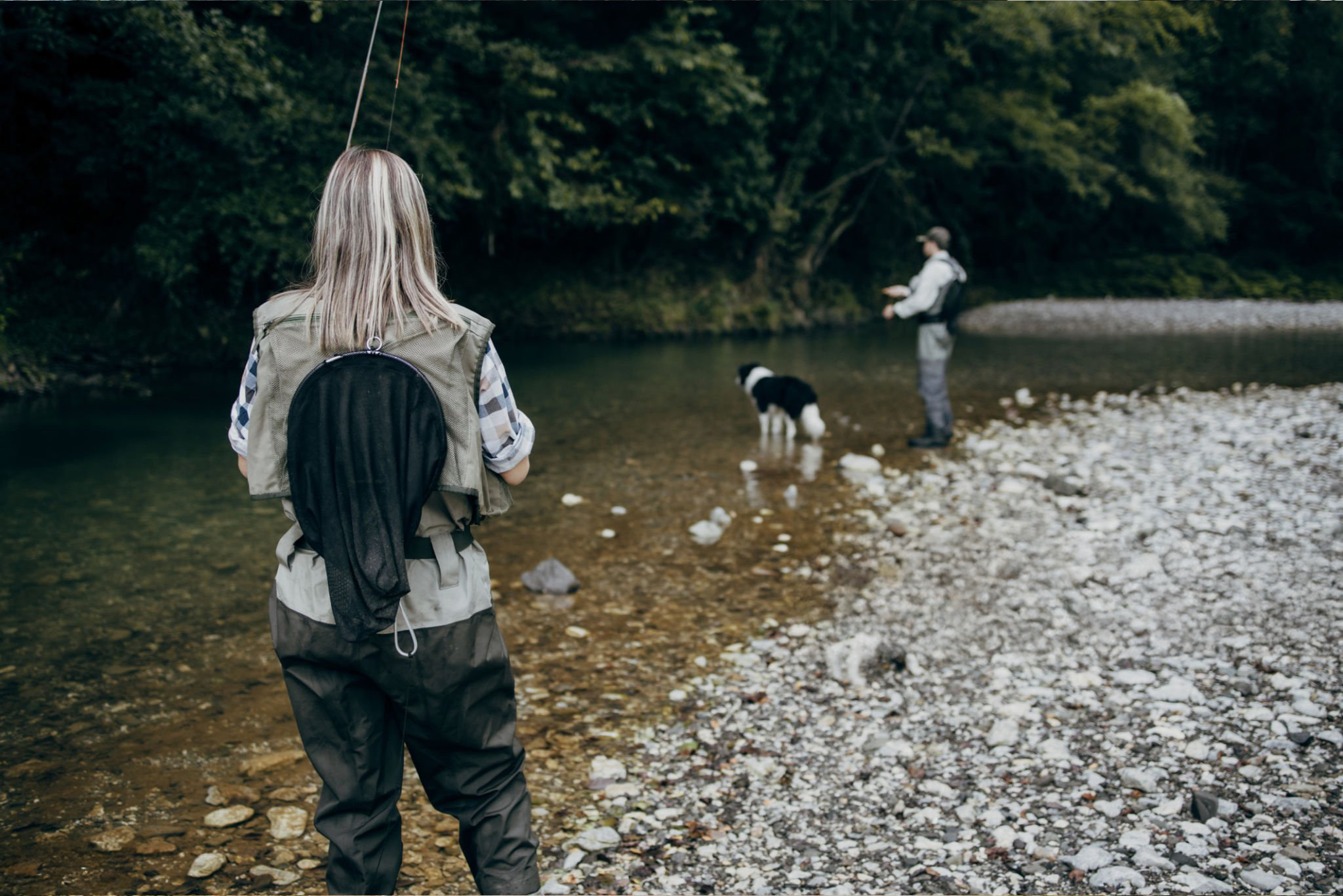
- Wear breathable waders and high-traction boots.
- Use a wading staff in strong currents.
- Always scout the water from safe vantage points before wading in.
5. Dressing Inappropriately
The Mistake: Many new anglers dress as if it’s warm spring weather, ignoring cold mornings and wet ground.
Why It Matters: Being underdressed leads to discomfort, early fatigue, and potentially hypothermia, reducing focus and performance.
How to Avoid It:
- Dress in layers: base layer (moisture-wicking), insulation (fleece or down), outer layer (waterproof/windproof).
- Include gloves, hat, and waterproof socks for extra protection.
- Adjust layers throughout the day as temperatures rise.
6. Ignoring Local Weather and Water Conditions
The Mistake: New anglers sometimes head out without checking forecasts, river levels, or runoff conditions.
Why It Matters: Early spring weather is unpredictable; rising waters and muddy conditions affect fish behavior and safety.
How to Avoid It:
- Check local river and lake reports.
- Plan for muddy banks, higher water, and fluctuating temperatures.
- Adjust fishing strategies based on current water clarity, flow, and temperature.
7. Not Being Patient or Observant
The Mistake: Beginners often fish quickly without paying attention to water patterns, structure, or fish signs.
Why It Matters: Early spring fish are selective and cautious; rushed fishing reduces success.
How to Avoid It:
- Take time to observe currents, submerged structure, and water color.
- Make precise casts rather than frequent long-distance throws.
- Adjust tactics gradually instead of changing lures every few minutes.
Key Takeaways for New Anglers
- Know the water: Temperature, flow, and clarity guide fish activity.
- Match fish behavior: Use slow, subtle presentations for lethargic fish.
- Dress and gear appropriately: Layering, waders, and high-traction boots ensure safety and comfort.
- Observe patiently: Early spring fishing rewards anglers who read the water and make small, smart adjustments.
By avoiding these common mistakes, new anglers can increase catch rates, stay safe, and enjoy the excitement of early spring fishing.