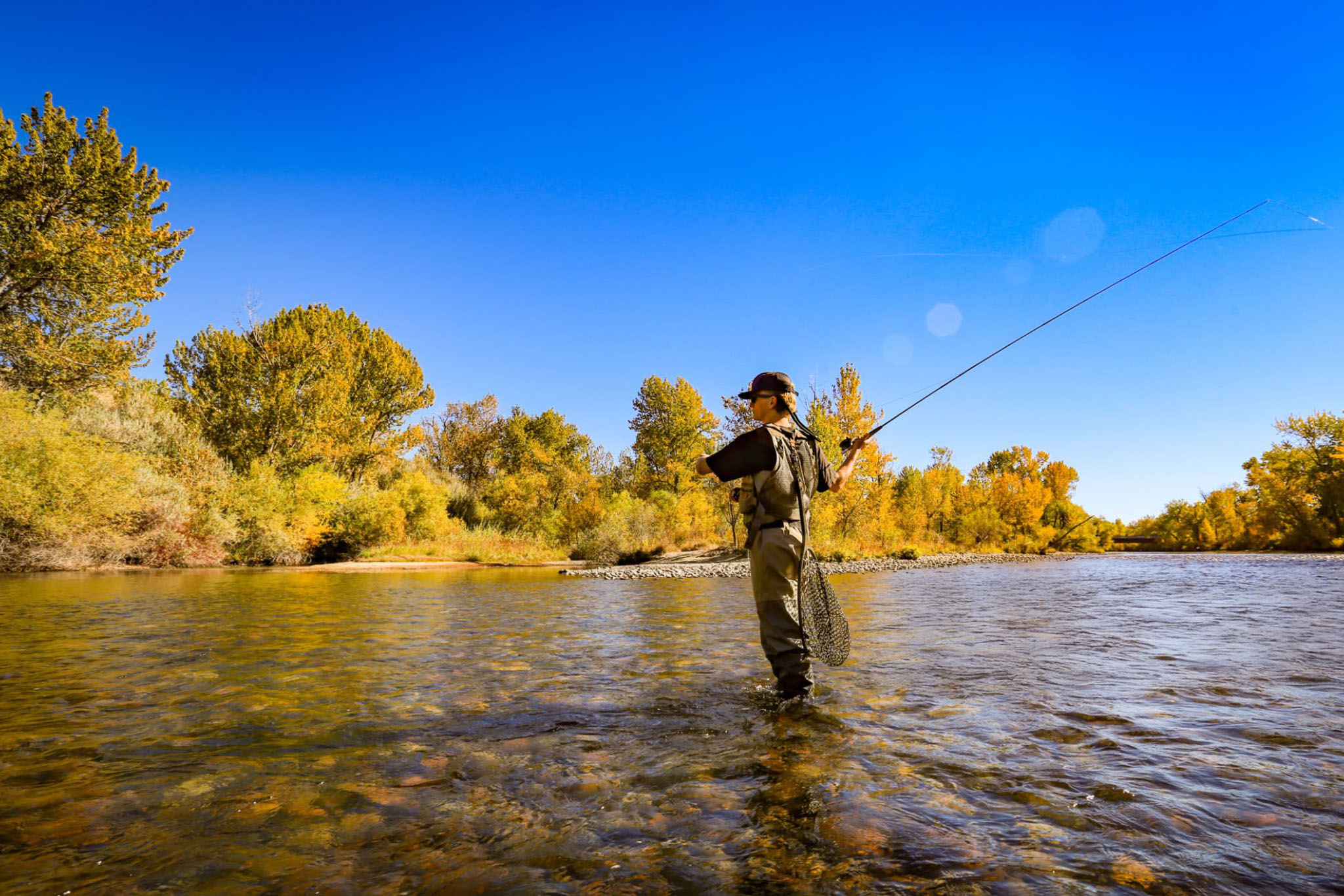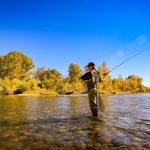
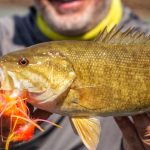

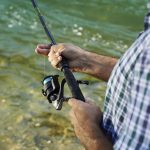
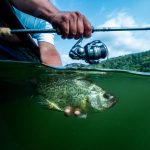
As winter loosens its grip across the United States, anglers eagerly trade snow boots for waders and head to shallow rivers to kick off the spring fishing season. Early spring river fishing is a unique challenge — waters are still cold, currents are strong from snowmelt, and fish are adjusting from winter dormancy. Yet, for those who understand the nuances of shallow rivers and fish behavior after winter, wading into spring can lead to some of the most productive and rewarding fishing experiences of the year.
Why Shallow Rivers Are a Springtime Hotspot
Shallow rivers offer several advantages for early spring anglers:
- Faster Warming: Shallow water heats up quicker than deeper sections, prompting fish to move into feeding areas sooner.
- Concentrated Fish Activity: Fish often leave deep winter haunts and congregate in shallow riffles, runs, and pools where food is accessible.
- Accessible Wading Opportunities: Anglers can physically enter the river, providing better positioning for precise casts and stealthy approaches.
During the first weeks of spring, rivers across the U.S. — from the mountain-fed streams of Montana to the meandering rivers of the Southeast — become prime hunting grounds for species such as trout, bass, panfish, and catfish.
Understanding Fish Behavior After Winter
Trout
- Trout are slow in the first few weeks after winter.
- They favor areas with slightly warmer, oxygenated water, such as riffles or pockets near mid-depth currents.
- Ideal presentation: nymphs, small streamers, and wet flies.
Bass
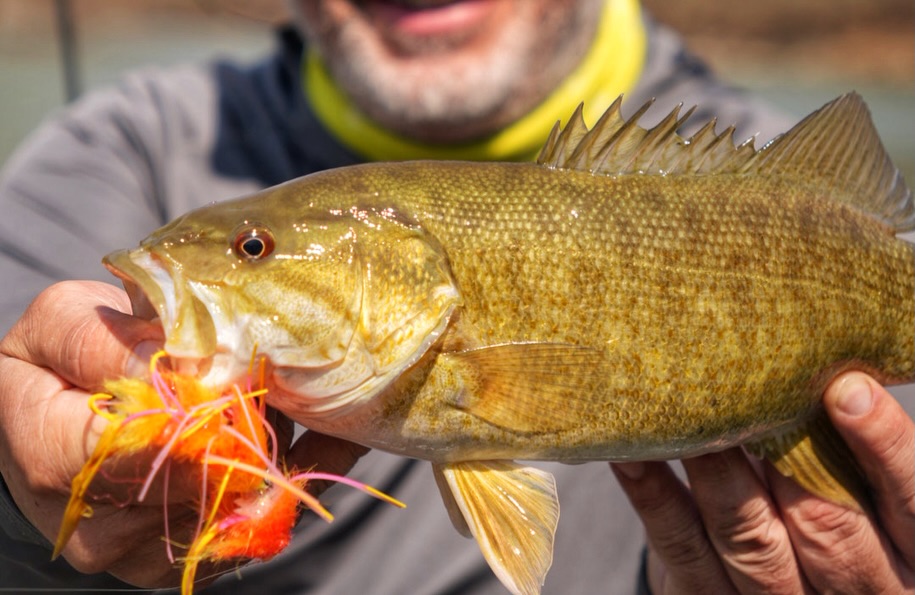
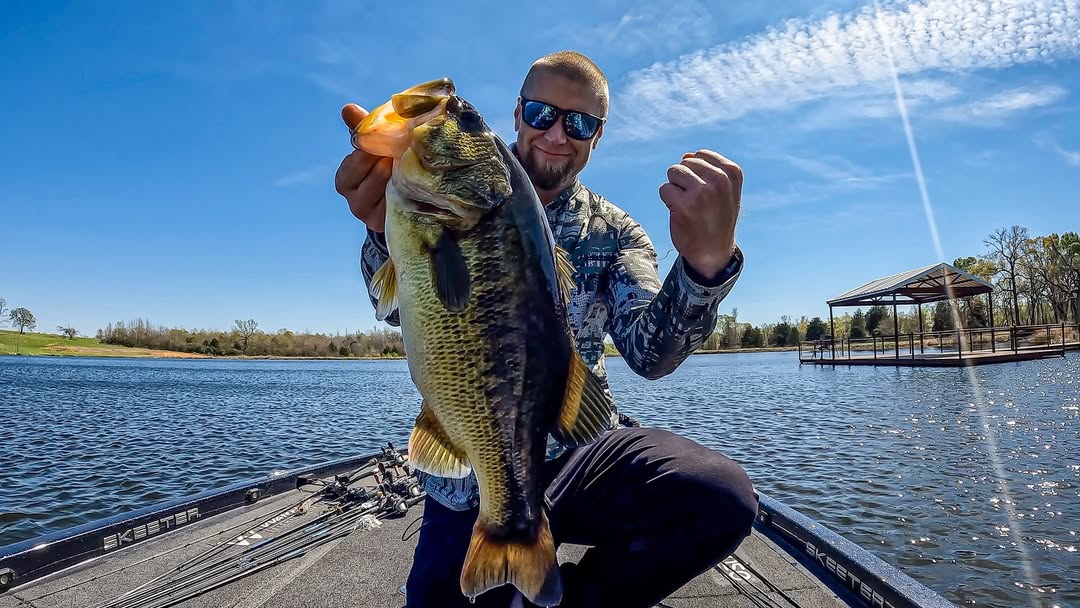
- Smallmouth and largemouth bass often hang near submerged rocks, logs, and undercut banks.
- On sunny days, they may venture into shallow runs or slow flats to ambush prey.
- Slow-moving jigs, soft plastics, or crankbaits work best in cold water.
Panfish and Crappie
- Often congregate near submerged vegetation or structures in shallow sections.
- Early spring angling is best with live minnows, soft plastics, or small jigs fished slowly.
Catfish
- In rivers, catfish seek deep pockets along edges or near structures where water is slightly warmer.
- Cut bait, chicken liver, or stink bait can entice bites even in colder conditions.
Essential Tactics for Wading Rivers in Early Spring
- Stealth and Positioning: Fish are cautious after winter. Avoid splashing, approach from downstream, and make short, accurate casts.
- Follow Sun-Warmed Areas: During mid-morning to early afternoon, sun-exposed shallow runs and gravel bars often hold active fish.
- Adjust Retrieval Speeds: Cold water slows fish metabolism, so dragging or twitching lures slowly is critical.
- Check Current Breaks: Fish use current breaks to conserve energy while feeding. Target edges of faster water and slower pockets.
- Use Polarized Sunglasses: They help identify submerged rocks, fish, and structure in shallow waters.
Gear Recommendations for Early Spring Wading
- Waders: Breathable, waterproof waders keep you dry and comfortable in cold water.
- Wading Boots: High-traction soles prevent slipping on mossy or rocky riverbeds. Deck boots or specialized river waders are ideal.
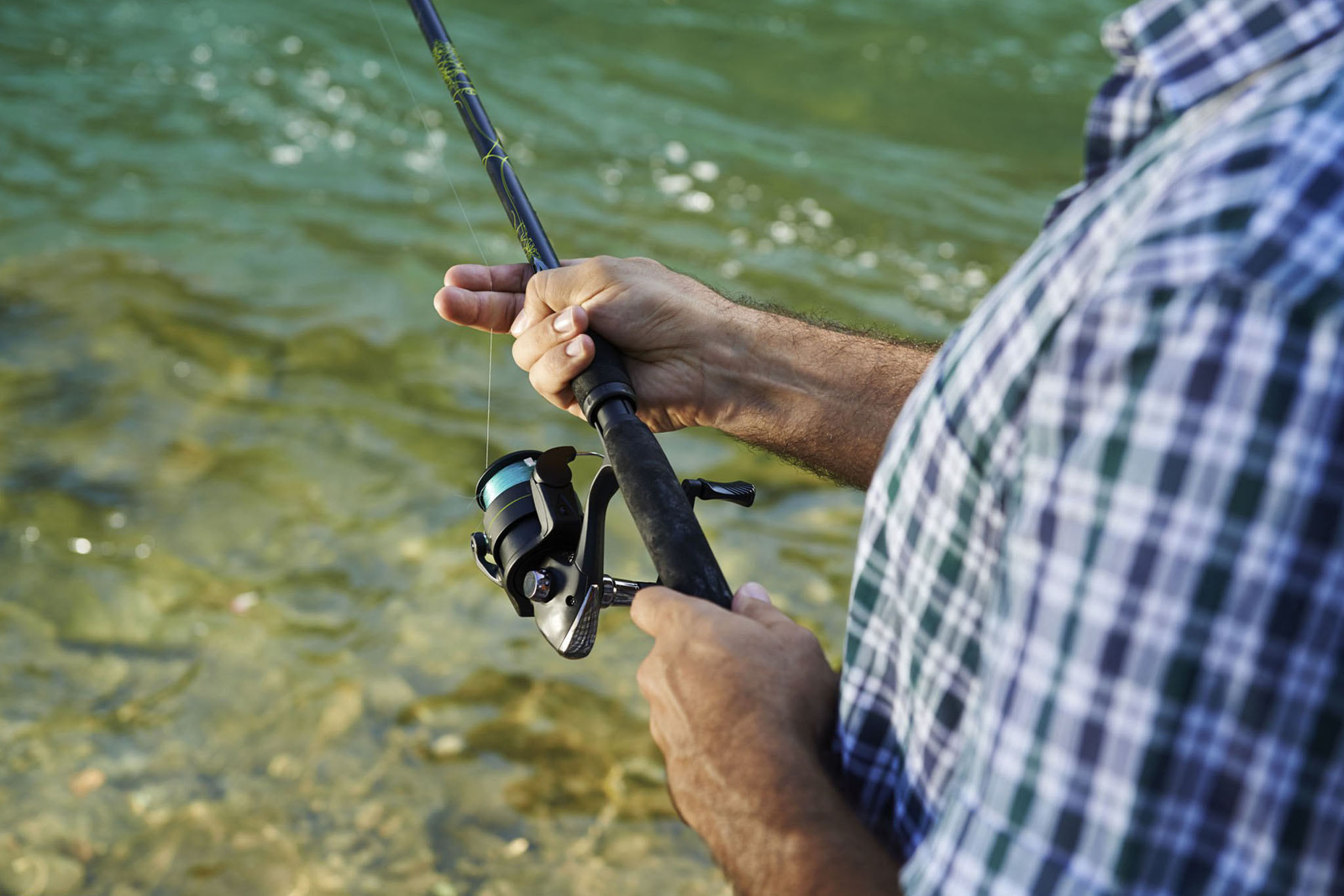
- Rods and Reels: Medium-light spinning rods or fly rods are perfect for shallow river fishing. Smooth drag reels prevent line breakage in currents.
- Line: 4–8 lb fluorocarbon or monofilament for finesse presentations; heavier line for bass or catfish.
- Accessories: Layered clothing, gloves, and a waterproof vest for tackle and snacks are recommended for long sessions in early spring.
Timing Your River Fishing Trips
- Early Morning: Fish are sluggish but may feed near sunlit shallow sections.
- Midday: Sun warms water, triggering movement and feeding activity.
- Late Afternoon: Fish often return to shallow feeding areas before cooling temperatures slow their activity again.
Pro Tip: River levels fluctuate in early spring due to snowmelt and rain. Monitor local river conditions before wading to avoid fast currents or unsafe water levels.
Safety Considerations for Shallow River Wading
- Wear a wading belt to prevent water from filling your waders in case of a slip.
- Use a wading staff in strong currents.
- Watch for hidden rocks and slippery surfaces.
- Always fish with a buddy if possible; early spring rivers can be deceptively hazardous.
Final Thoughts
Wading into shallow rivers after winter in the U.S. is an exhilarating way to start the fishing season. Cold water may slow fish, but it also concentrates them in predictable areas. By understanding fish behavior, targeting the right locations, using the right baits, and wading safely, anglers can enjoy big bites and memorable spring fishing experiences.
Early spring river fishing rewards patience, observation, and careful preparation. Step into the water, embrace the challenge, and you’ll discover why the first weeks of spring are some of the most exciting for U.S. anglers.