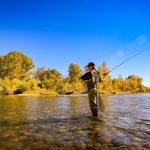


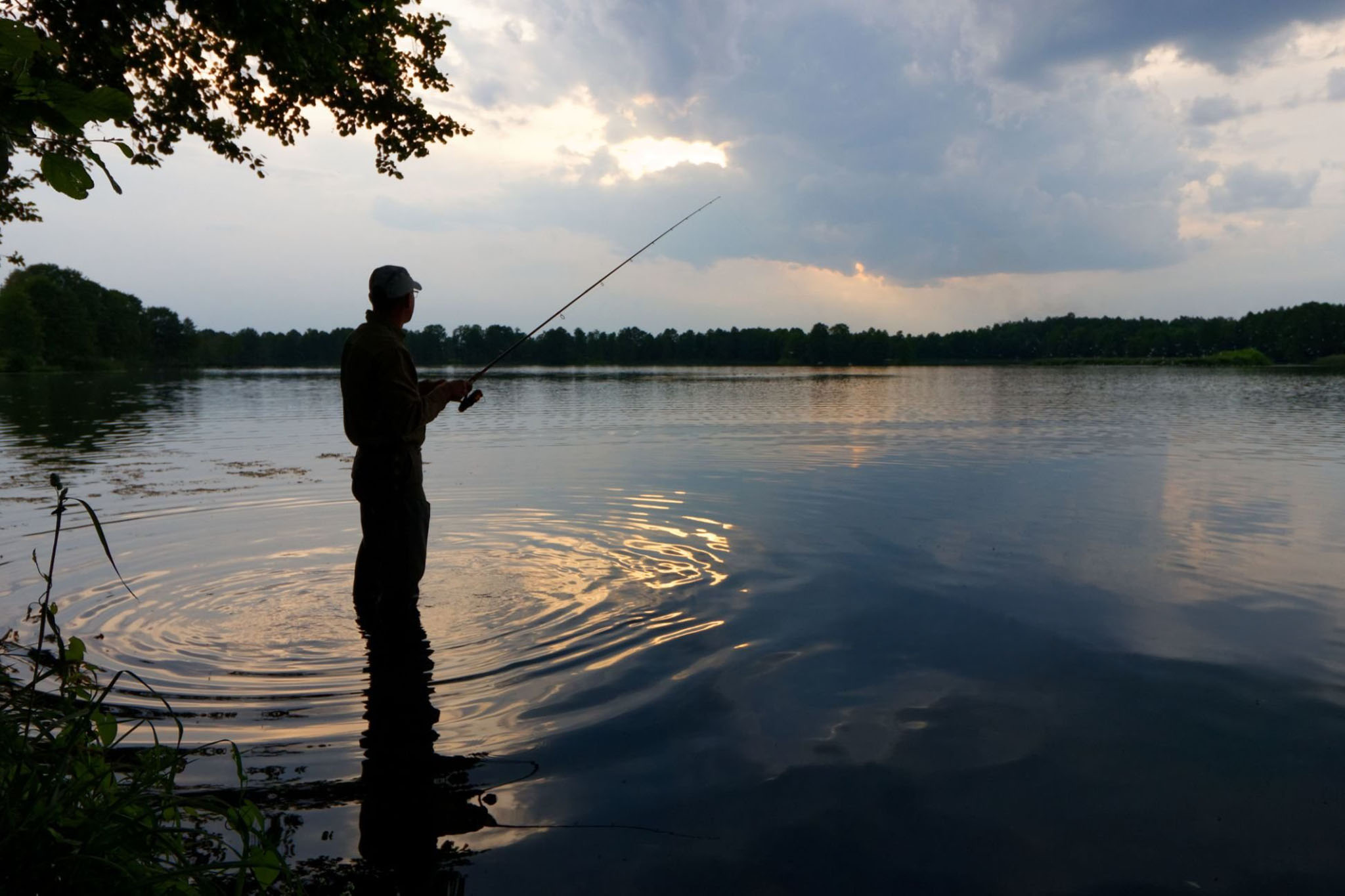
Early spring brings both promise and challenges for river anglers across the United States. As snow melts and rainwater raises river levels, shallow banks turn muddy, currents strengthen, and water clarity often drops. While these conditions may seem discouraging at first, they actually create prime opportunities for catching fish — if you know how to adapt. In this guide, we’ll cover practical, proven tips for navigating muddy banks, reading rising water, and landing big fish during the first weeks of spring.
Understanding Early Spring River Conditions
Rivers in early spring can be dramatically different from their winter or summer states:
- Rising Water: Snowmelt and early spring rain cause higher flows, moving fish into new areas and increasing feeding opportunities.
- Muddy Banks and Sediment: Runoff clouds the water, making visual cues less reliable, but fish are more concentrated near structure and current breaks.
- Cold Water Temperatures: Even with rising water, rivers remain cold, slowing fish metabolism and making them less aggressive.
For anglers, understanding these conditions is critical. Instead of avoiding muddy rivers, see them as a chance to use subtle tactics and target predictable fish zones.
Where Fish Gather During Rising Water
Rising water and muddy banks influence fish behavior in consistent ways:
- Edges and Current Breaks
- Fish conserve energy by holding along the edges of fast currents.
- Look for submerged logs, rocks, or undercut banks where fish can ambush prey.
- Tributary Inflows
- Areas where warmer, clearer water from tributaries meets the main river often become feeding hotspots.
- Shallow Flats and Flooded Banks
- During early spring, fish move onto flooded areas to feed on displaced insects, small fish, and crustaceans.
- Deep Pools Near Riffles
- Pools provide shelter from strong currents, while riffles bring oxygen and food, attracting trout, bass, and panfish.
Target Species and Techniques
Trout
- Cold, muddy water slows their activity but does not stop them from feeding.
- Effective tactics: nymphs, wet flies, and small streamers, fished slowly near current seams.
Bass
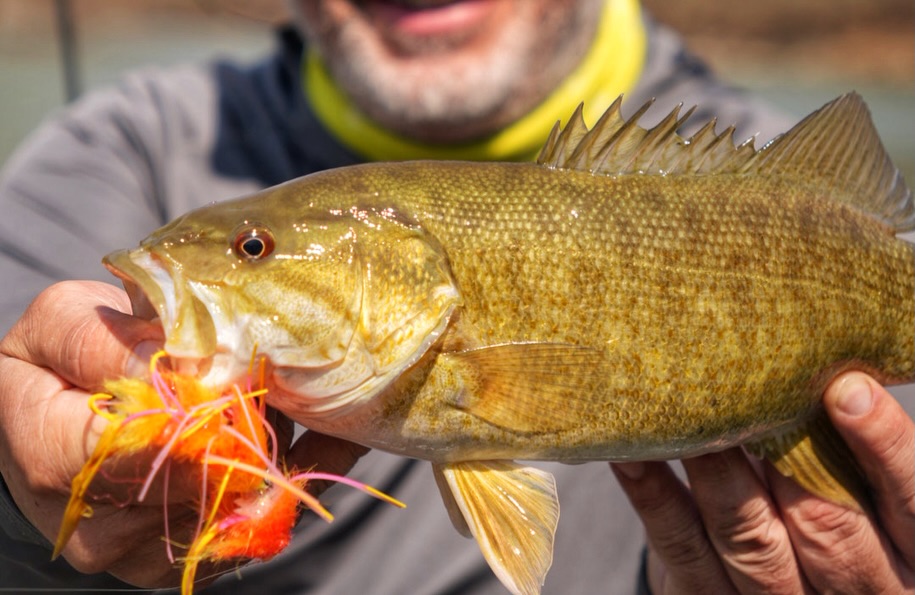
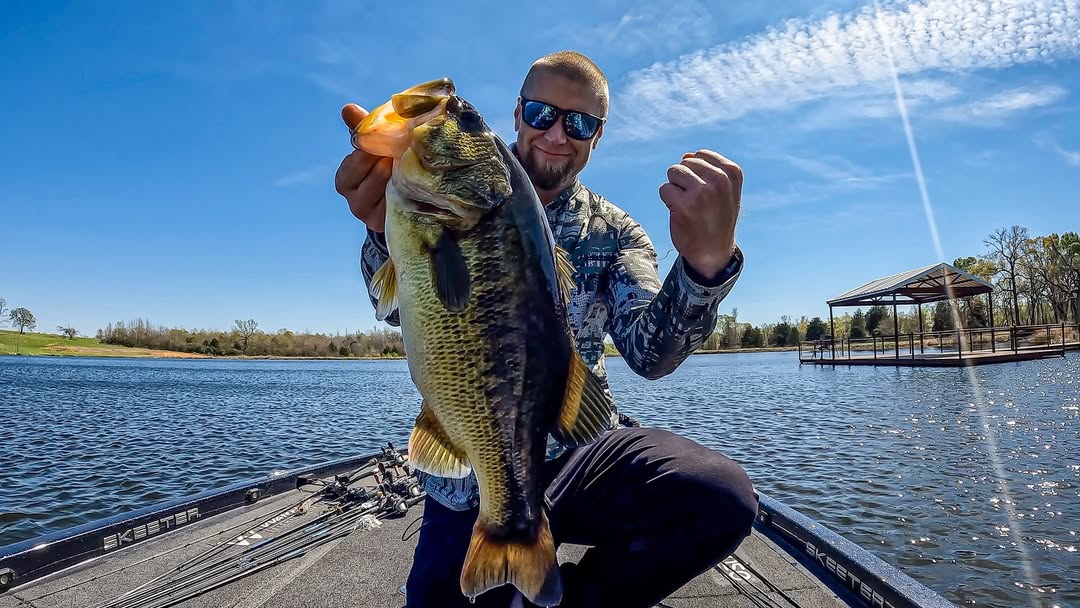
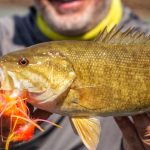
- Smallmouth and largemouth bass exploit rising water to hunt displaced prey.
- Use soft plastics, jigs, or suspending crankbaits with slow, deliberate retrieves.
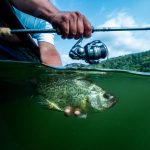
Panfish and Crappie
- Muddy water reduces visibility, so baits with scent or vibration (like live minnows, scented soft plastics, or small jigs) work best.
- Target submerged vegetation or flooded structures.
Catfish
- Catfish feed actively in shallow edges or deeper holes along rising banks.
- Cut bait, stink bait, or chicken liver can entice bites in muddy water.
Essential Gear for Early Spring River Fishing
Fishing muddy banks and rising waters requires the right equipment:
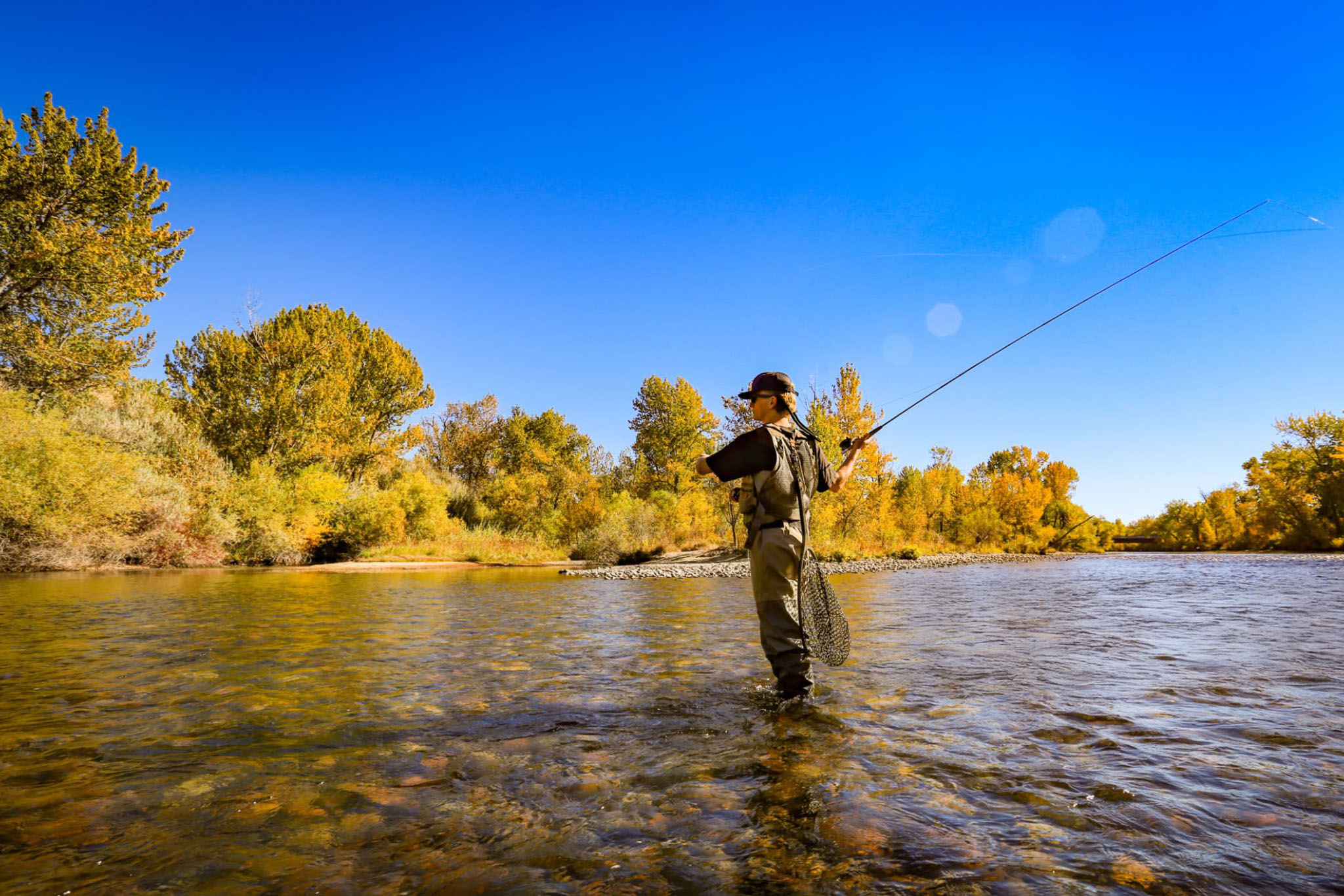
- Waders: Breathable, waterproof waders help you safely navigate slippery, muddy banks.
- Wading Boots or Deck Boots: High-traction soles prevent slips on wet rocks and mud.
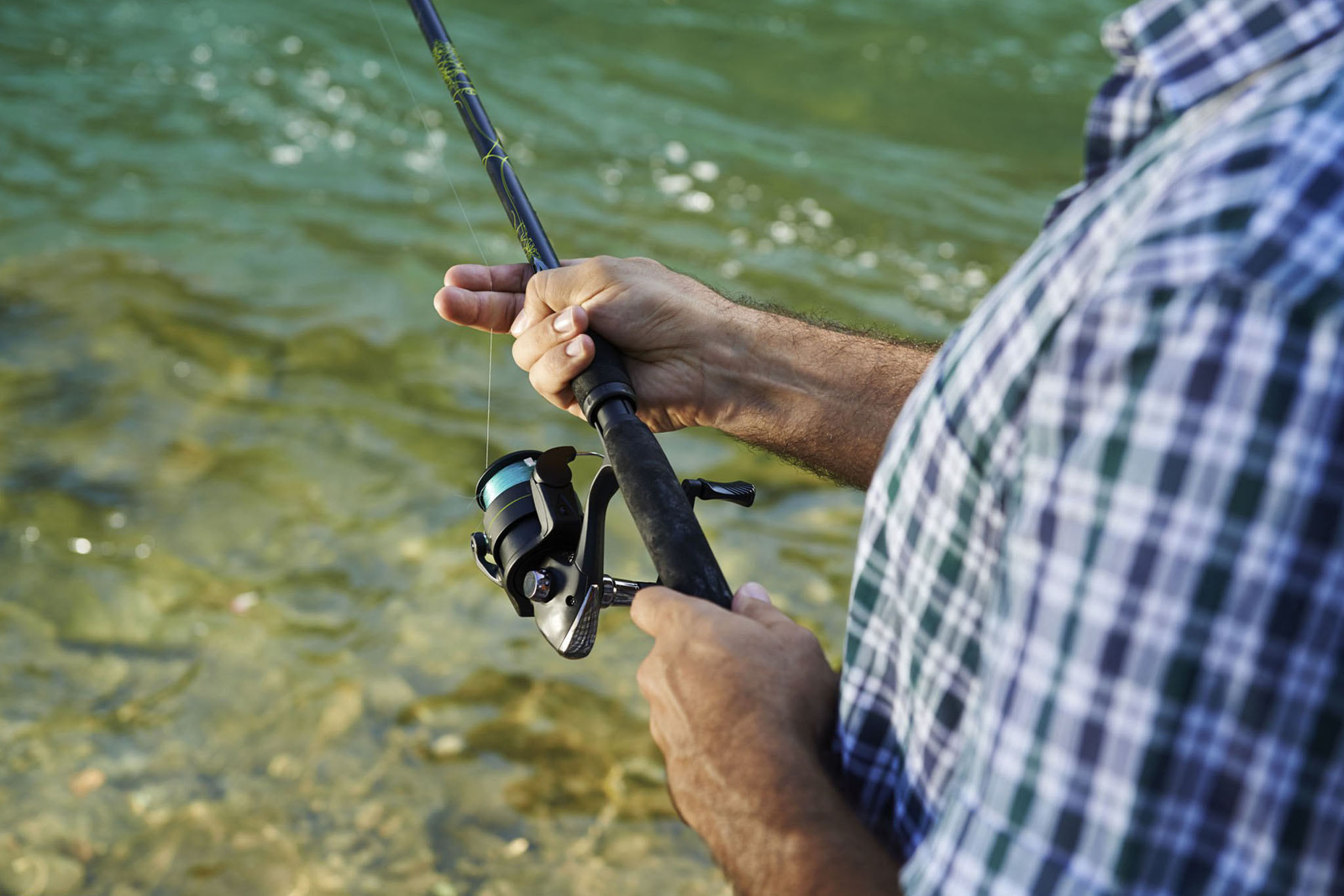
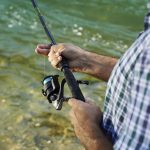
- Rods & Reels: Medium to medium-light spinning rods work well for finesse fishing; fly rods are ideal for trout.
- Line: Fluorocarbon or monofilament between 6–12 lb for finesse presentations, heavier for bass or catfish.
- Accessories: Polarized sunglasses, a wading staff, and layered clothing for cold mornings are highly recommended.
Practical Tips for Fishing Rising Rivers
- Adapt to Water Clarity
- In muddy water, focus on lures with vibration or scent rather than bright colors.
- Fish Slow and Deliberate
- Cold, muddy water slows fish reaction; short, steady retrieves are more effective than fast or erratic movements.
- Approach Stealthily
- Muddy banks can spook fish more easily than clear water. Move slowly and avoid unnecessary splashing.
- Time Your Trip
- Midday is often best: sun warms shallow areas and encourages feeding. Early morning and late afternoon can also produce bites in calm pockets.
- Check Current Changes
- Rising water can shift fish locations quickly. Pay attention to where water is slowing or pooling, and adjust your casts accordingly.
Safety Considerations
- Slippery Mud: Always wear traction soles and consider a wading staff.
- Strong Currents: Rising water can quickly become dangerous. Avoid crossing fast currents and always fish with caution.
- Hypothermia Risk: Layered, waterproof clothing keeps you safe during chilly spring mornings.
Final Thoughts
Early spring river fishing is a test of skill, observation, and patience. Muddy banks and rising water might seem like obstacles, but they actually create concentrated feeding zones and new fishing opportunities. By understanding fish behavior, targeting key locations, using subtle techniques, and preparing with the right gear, American anglers can turn the first weeks of spring into one of the most productive fishing periods of the year.
Remember: adapting to the river’s changing conditions, moving stealthily, and fishing slow and precise can make all the difference between a frustrating day and landing impressive early spring catches.