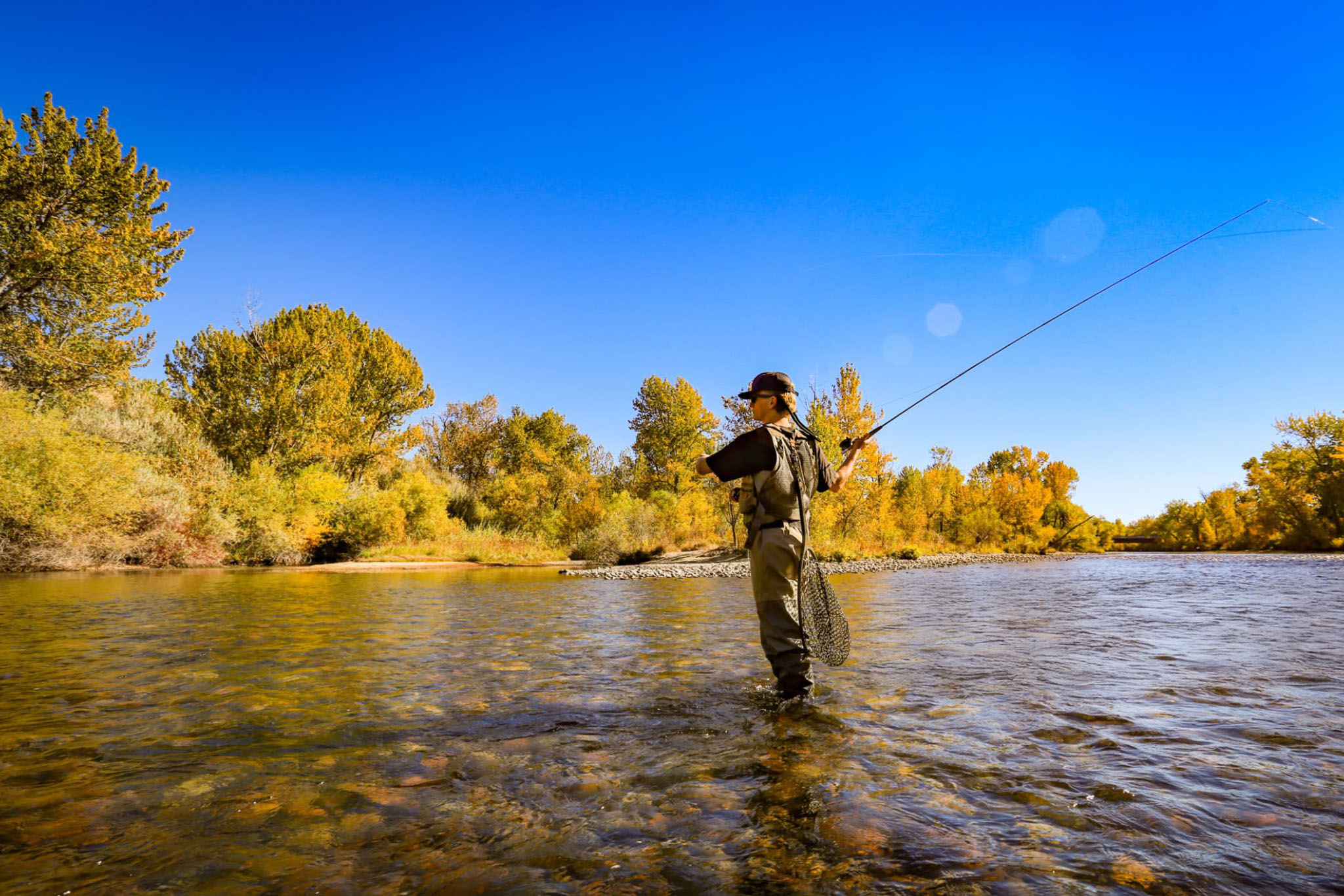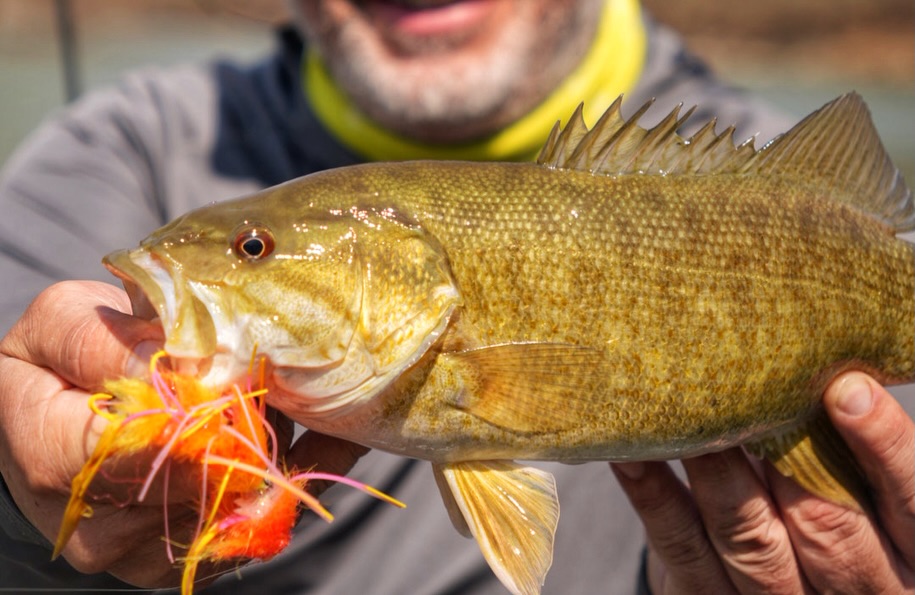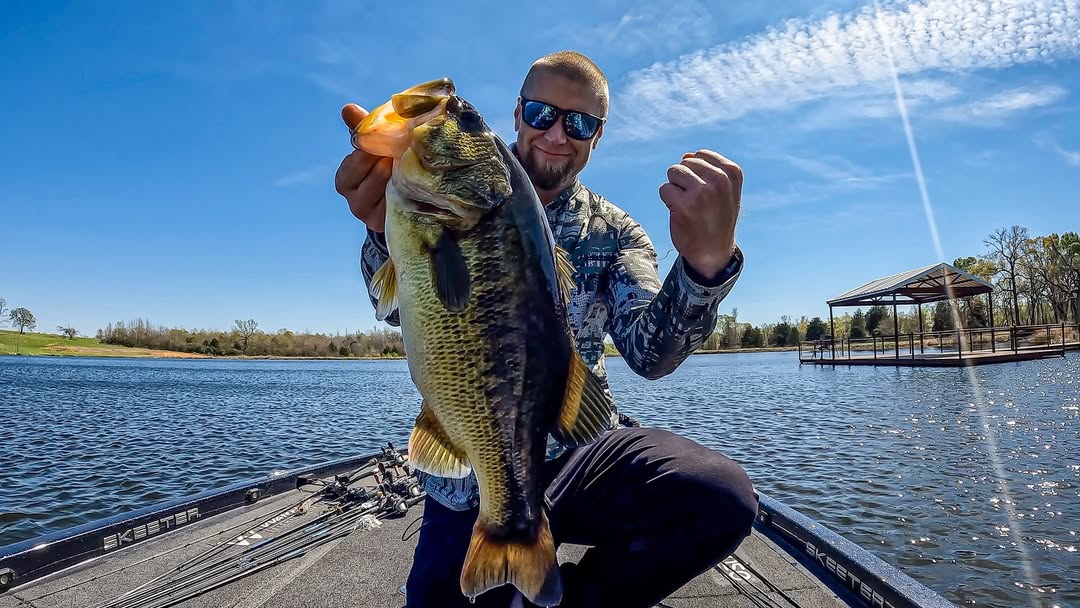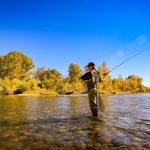
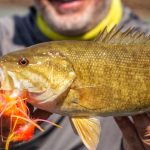

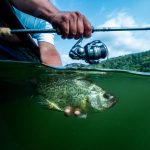
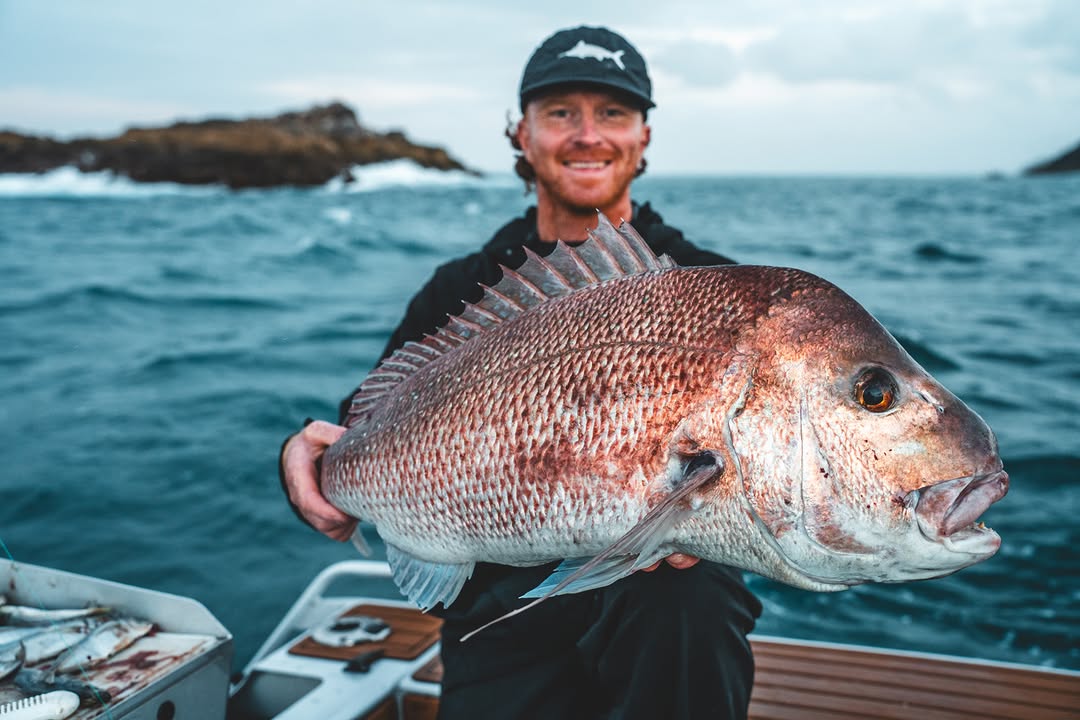
Every winter, the same scene plays out on frozen ramps and quiet shorelines. Two anglers fish the same water, in the same cold, with similar gear. One lands fish. The other goes home convinced the lake was dead.
The difference rarely comes down to luck or equipment. In winter, success is mental long before it becomes physical. The anglers who consistently catch fish in cold conditions think differently — and they fish differently because of it.
Winter Punishes Impatience First
Cold weather doesn’t just slow fish down. It exposes impatience faster than any other season.
Most anglers are wired for feedback. Cast, retrieve, bite — repeat. Winter strips that rhythm away. Long stretches of nothing test confidence, and once doubt creeps in, anglers begin changing too much, too often.
Winter catchers accept early that:
- Empty minutes are normal
- Fewer bites don’t mean wrong decisions
- Progress isn’t always immediate
Casters, on the other hand, constantly look for confirmation. When it doesn’t arrive quickly, they abandon good water before it has a chance to produce.
Understanding That Winter Fish Don’t Advertise
One of the biggest mental shifts winter demands is accepting that fish rarely show themselves.
No surface activity. No obvious bait movement. No aggressive strikes. Winter fish exist quietly, efficiently, and often invisibly.
Anglers who struggle in winter often expect signs before commitment. Winter catchers flip that mindset. They commit first — based on conditions, depth, and logic — and trust that fish are present even when the water feels lifeless.
This quiet confidence keeps them fishing effectively while others second-guess every cast.
The Power of Narrow Focus
In warm seasons, covering water makes sense. In winter, it’s often a mental trap.
Successful winter anglers:
- Pick fewer areas
- Focus on tighter depth bands
- Refine presentations instead of relocating
This requires resisting the urge to “do something” just to feel productive. Narrow focus feels boring, even uncomfortable, but it’s exactly what winter fishing rewards.
Casters confuse movement with progress. Catchers understand that precision beats exploration when fish are conserving energy.
Slowing Down Without Losing Purpose
Slowing down is easy advice to give and hard discipline to maintain.
Winter catchers don’t just fish slower — they think slower. Each cast has intent. Each retrieve is controlled. Each pause is deliberate, not hesitant.
This mental pace allows them to:
- Detect subtle bites
- Maintain consistent speed
- Avoid rushed decisions when conditions get tough
Casters slow their lures but rush their thinking. That disconnect costs fish.
Emotional Control in Long Cold Sessions
Winter sessions are mentally taxing. Cold fingers, stiff joints, and limited daylight amplify frustration. The anglers who catch fish consistently don’t avoid these pressures — they manage them.
They expect discomfort. They plan for it. And most importantly, they don’t let emotion dictate decisions.
When a bite finally comes, winter catchers are mentally present. Casters are often distracted, mentally checked out, or already halfway into their next spot change.
Trusting Small Wins
In winter, success isn’t measured in numbers. It’s measured in signals.
A light tick.
A follower on electronics.
A single fish confirming depth and location.
Winter catchers recognize these as validation. They build on them patiently. Casters dismiss them as flukes and keep searching for something obvious.
That difference in interpretation often determines whether a tough day turns into a productive one.
Letting Go of Summer Expectations
Many anglers struggle in winter because they subconsciously fish with warm-season expectations.
Winter fish:
- Don’t chase far
- Don’t respond quickly
- Don’t recover fast after pressure
Catchers mentally reset each season. They stop comparing winter to summer and start judging winter by its own rules. Once expectations align with reality, frustration fades — and focus improves.
The Quiet Confidence Factor
Perhaps the biggest mental edge winter catchers have is quiet confidence.
They don’t need constant bites.
They don’t need reassurance from others.
They don’t rush change.
They trust preparation, logic, and patience — even when the water feels empty and the cold creeps in.
Winter fishing rewards those who stay calm when nothing is happening… because that’s usually when something finally does.
Final Thoughts
The line between winter catchers and casters isn’t skill, strength, or gear. It’s mindset.
Winter exposes mental weaknesses quickly, but it also rewards those willing to adapt how they think — not just how they fish.
Master the mental side, and winter stops being something to survive. It becomes one of the most honest, satisfying seasons you’ll ever fish.