
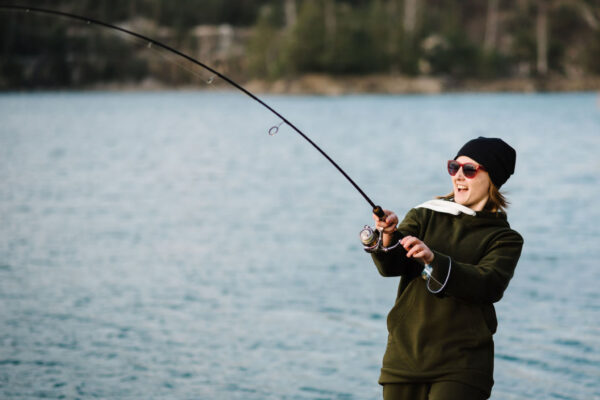
Adjusting Retrieval Speed for Cold Water Fish

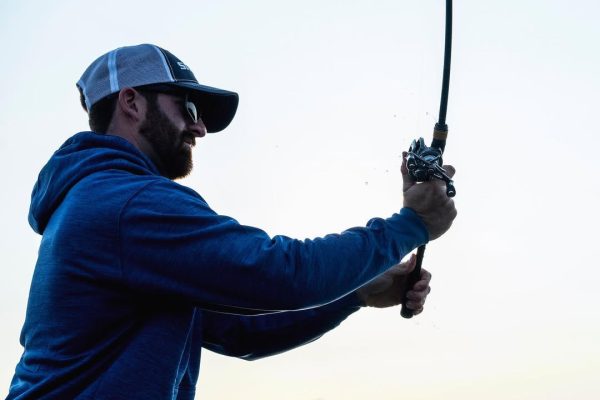
Fishing in late winter and early spring presents a unique challenge: cold water significantly slows fish metabolism. Unlike the aggressive strikes of summer, fish in colder conditions are more lethargic, less likely to chase fast-moving lures, and more selective in their feeding. For anglers, success hinges on matching retrieval speed to fish behavior. Adjusting your…
Read More

Why Subtle Currents Hold the First Feeding Fish

As winter fades and early spring approaches, freshwater fishing enters a critical transitional phase. The first feeding fish of the season are often elusive, and their locations can be surprisingly specific. One of the most overlooked factors in early-season angling is subtle currents. These gentle water movements, often invisible to the untrained eye, create feeding…

Read More

What Frozen Mornings Tell You About Afternoon Bites

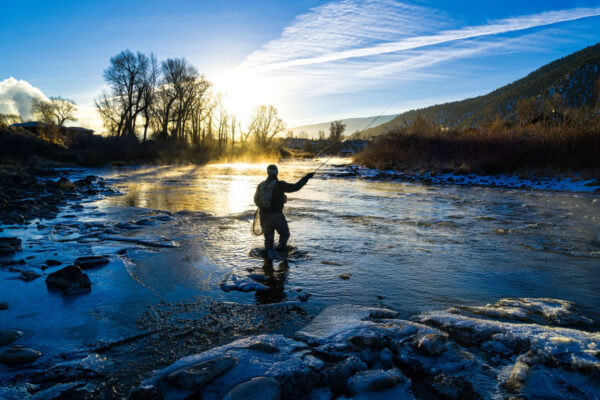
A frozen morning often convinces anglers to stay home. Frosted decks, stiff line, and lifeless water don’t exactly inspire confidence. But to experienced early-season anglers, those frozen mornings are valuable sources of information. If you know how to read them, cold mornings can tell you exactly when—and where—the afternoon bite will happen. Frozen Mornings Reveal…

Read More

Using Current and Temperature Changes to Predict Fish Feeding

Winter and early spring fishing can be challenging, but understanding how water current and temperature changes influence fish feeding behavior can dramatically improve your catch rate. Fish are cold-blooded, meaning their metabolism and activity levels are highly sensitive to environmental conditions. By monitoring subtle shifts in currents and water temperature, anglers can predict feeding windows…

Read More

Low-Light Fishing: Early Morning and Late Evening Techniques for Winter Fish

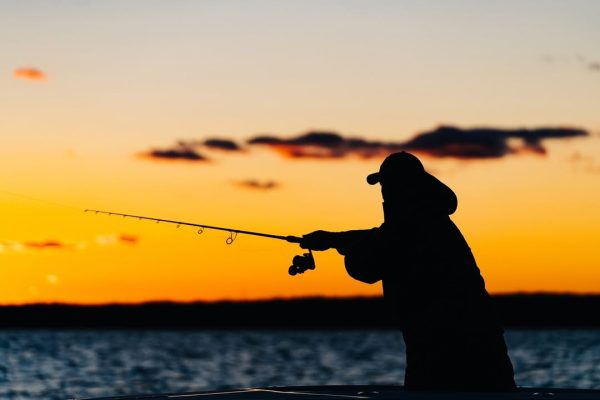
Winter fishing can be challenging, but the pre-dawn and twilight hours often provide the best opportunities. Fish are generally more active in low-light conditions during the cold months, taking advantage of reduced human activity and subtle changes in water temperature. Mastering low-light fishing requires understanding fish behavior, choosing the right gear, and employing techniques that…

Read More