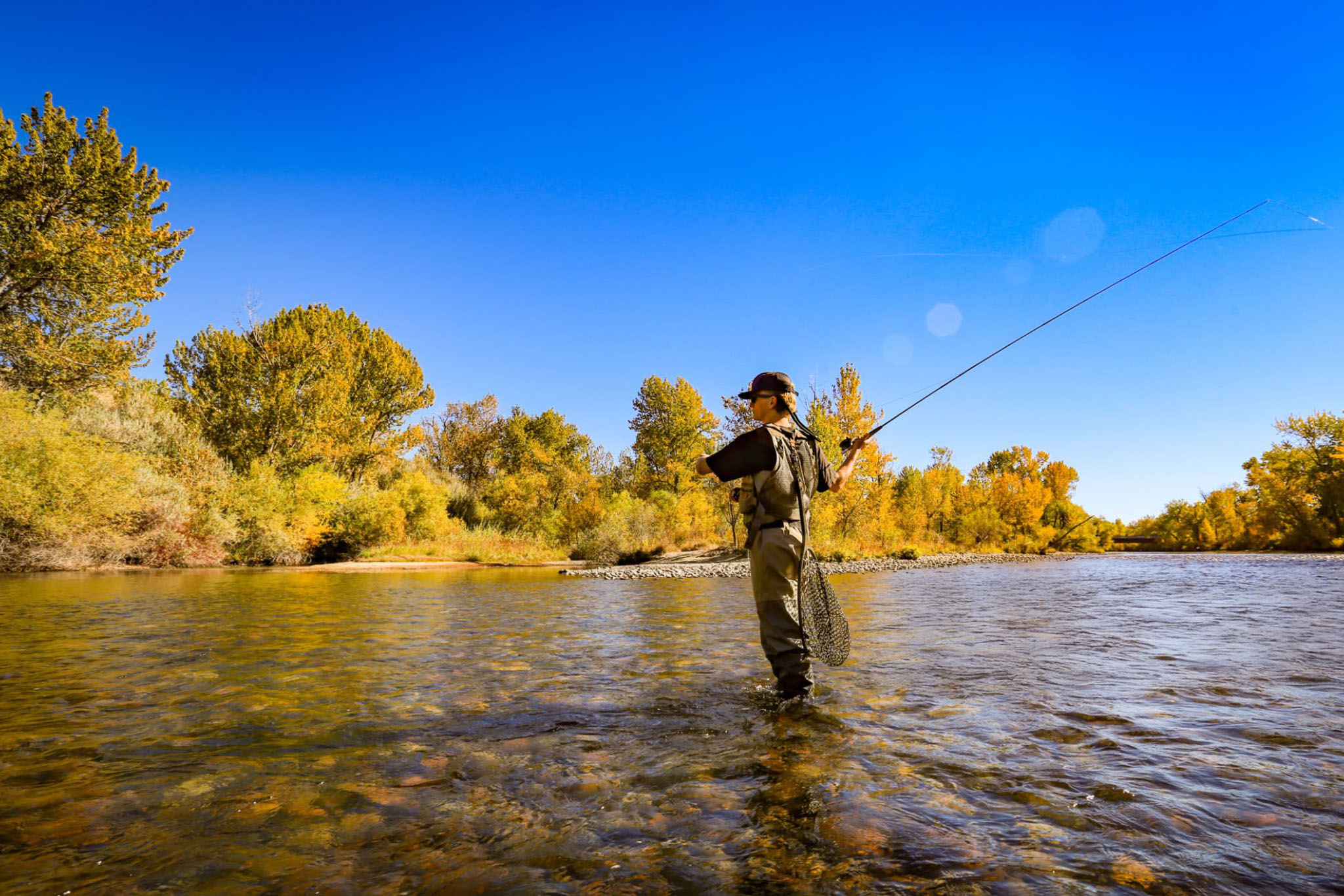
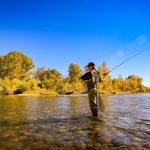
Winter fly fishing offers a unique challenge for anglers targeting trout. After a hard freeze, streams often appear lifeless, with ice-covered banks and sluggish currents. However, post-freeze conditions create a highly predictable environment for trout, and anglers who understand their behavior, habitat preferences, and seasonal feeding patterns can enjoy productive outings even in the coldest months.
This guide will cover how to read winter streams, select flies, and plan your post-freeze fly fishing trip for maximum success.
Understanding Trout Behavior in Post-Freeze Conditions
Trout are cold-blooded, meaning their metabolism slows as water temperatures drop. After a freeze:
- Reduced movement: Trout conserve energy by staying in deeper pools, undercut banks, or near slow current seams.
- Ambush feeding: Fish often remain near structure, waiting for drifting insects or small prey rather than actively chasing.
- Thermal microzones: Even minor variations in temperature, such as sun-warmed riffles or spring-fed pockets, can trigger localized activity.
Angler Insight: The key is not to chase trout across the stream but to identify holding areas where they will naturally feed.
Reading Post-Freeze Streams
Effective winter fly fishing starts with careful observation:
- Deep pools and undercut banks: These areas retain slightly warmer water and provide cover. Trout often rest here after periods of inactivity.
- Riffles and runs with sunlight exposure: During midday, sunlit riffles may warm enough to attract feeding trout.
- Slow-moving eddies behind rocks and logs: These microcurrents concentrate insects and small prey, providing feeding opportunities.
Pro Tip: Look for subtle surface disturbances, bubbles, or tiny splashes indicating trout are moving or feeding in cold water.
Selecting Flies for Winter Trout
Winter trout are selective and often respond best to small, realistic patterns:
- Nymphs: Pheasant tail, Hare’s Ear, and Copper John variations mimic winter-drifting insect larvae.
- Emergers: Small emerger patterns work well in shallow riffles where insects hatch early due to sunlight.
- Streamers: Woolly Buggers, Muddler Minnows, and soft hackle patterns imitate small fish or crustaceans, particularly effective in deeper pools.
- Dry Flies: Rarely used in deep winter, but small midges or blue-winged olive imitations can trigger strikes on sunlit surfaces during calm afternoons.
Technique Tip: Slow, deliberate presentations mimic sluggish winter prey. Avoid fast strips or aggressive twitches that may spook cautious fish.
Timing Your Post-Freeze Outing
Winter trout activity is heavily influenced by time of day and sunlight:
- Early morning: Trout are mostly inactive; use this time to scout structure, check ice edges, and prepare flies.
- Midday to early afternoon: Sunlight warms shallow areas and triggers feeding. Focus your casts on sunlit riffles, shallow pools, and structure edges.
- Late afternoon: Fish may retreat to deeper, shaded pools, making long casts into quiet water necessary.
Angler Insight: Planning your outing around the sun’s warming effect maximizes your chances for productive bites in post-freeze conditions.
Presentation and Casting Tips
- Short, precise casts: Trout hold tight to structure; long casts can disturb the water.
- Controlled drift: Maintain a natural drift of nymphs or emergers along the current seam.
- Streamer tactics: Slowly strip streamers in deep pools or along drop-offs; pause frequently to mimic injured prey.
- Line management: Use extra leader length in shallow, clear streams to prevent spooking wary fish.
Gear Considerations
- Layered clothing: Dress in moisture-wicking and insulated layers to stay comfortable from cold mornings to slightly warmer afternoons.
- Waterproof boots or waders: Essential for stream access without disturbing the water.
- Polarized sunglasses: Enhance visibility into the water to detect subtle trout movement.
- Tippet selection: Use finer tippets (4X–6X) for realistic presentation in clear winter water.
Common Mistakes to Avoid
- Overlooking structure: Trout remain close to cover; open water often produces few bites.
- Ignoring sun exposure: Shaded areas remain cold; sunlit microzones drive winter feeding.
- Fast presentations: Aggressive or rapid drifting often spooks lethargic trout.
- Underestimating timing: Arriving too late in the day misses the short feeding window.
Conclusion
Winter fly fishing in post-freeze streams requires patience, observation, and a deep understanding of trout behavior in cold water. By targeting thermal microzones, selecting subtle flies, and timing your casts to coincide with sunlight-warmed areas, anglers can consistently catch trout even in the harshest January conditions.
Success in winter trout fishing is about precision, strategy, and timing, not brute force. Recognizing the patterns of post-freeze trout allows for productive and rewarding outings, transforming a quiet stream into a winter angler’s haven.