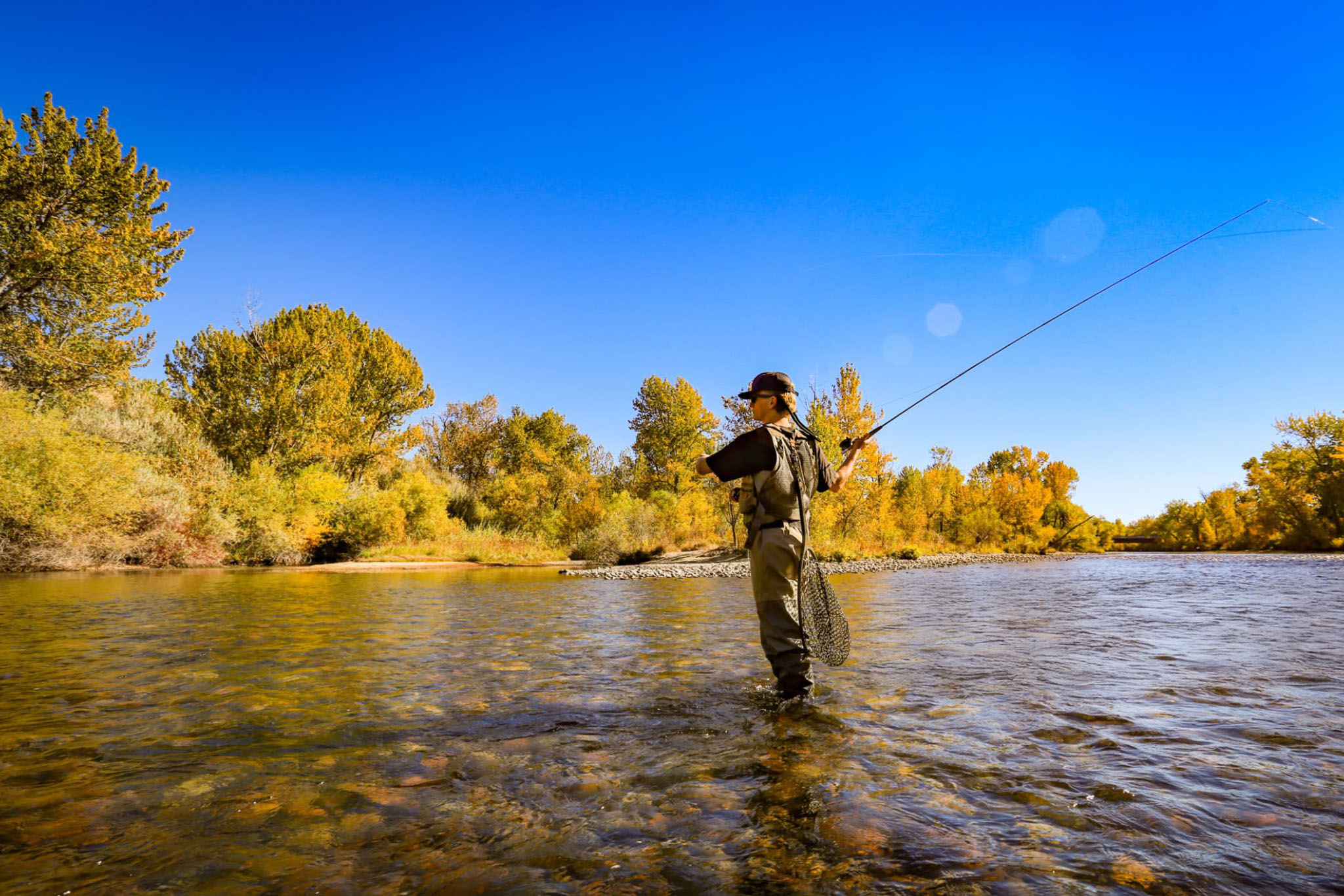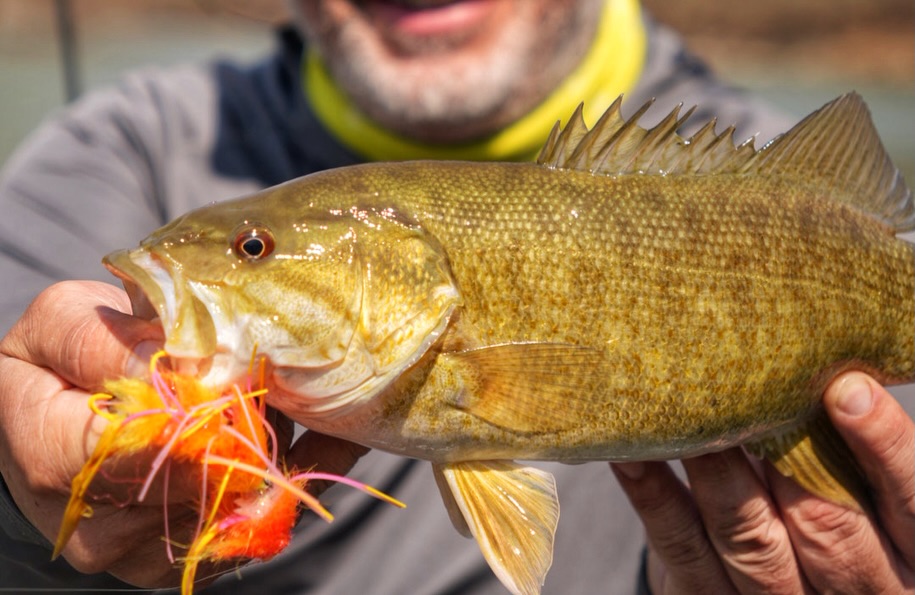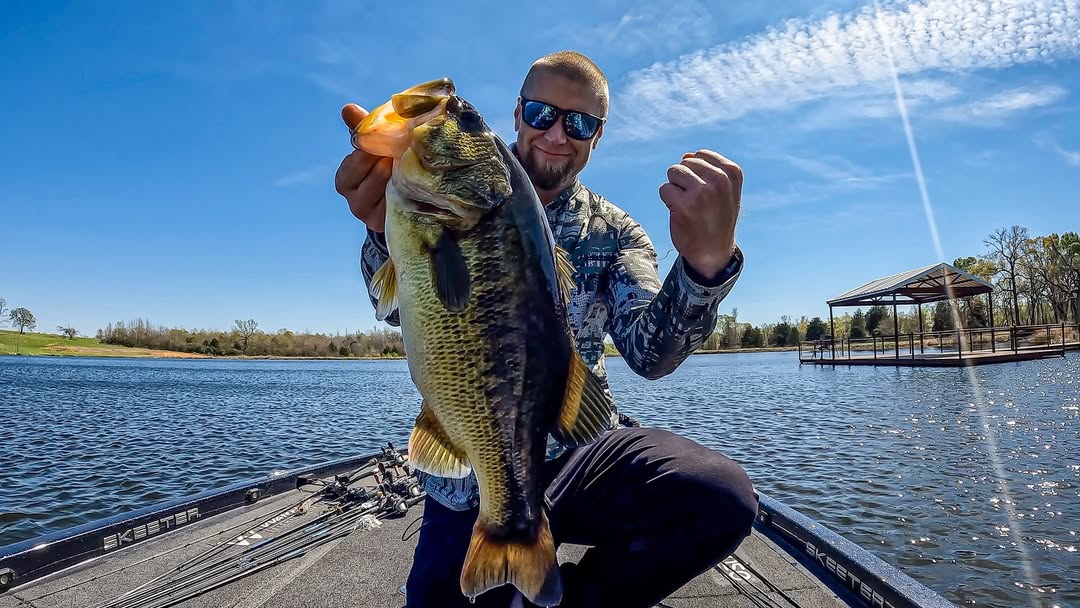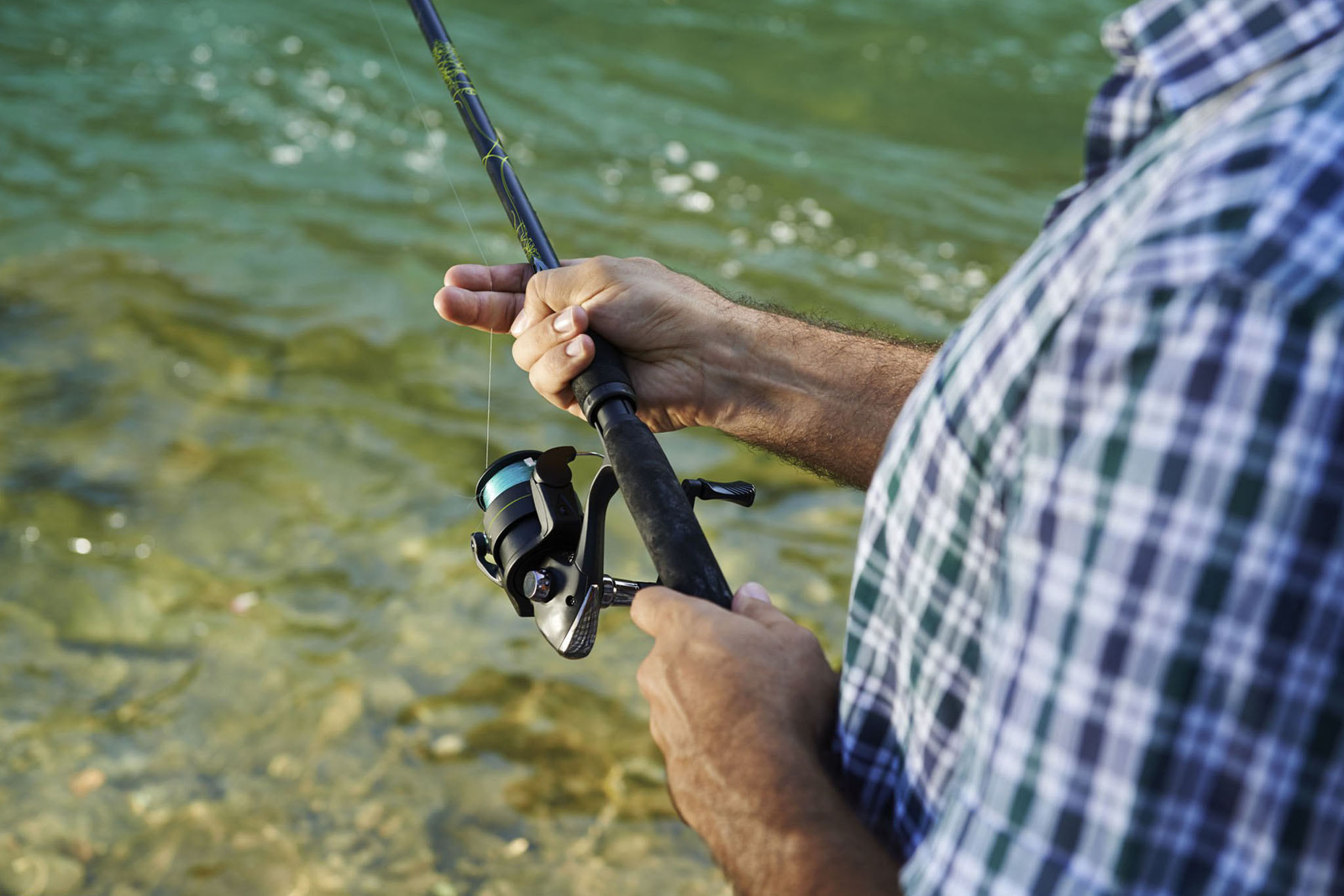
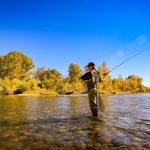
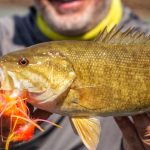

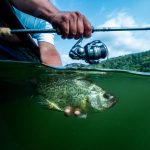
Winter and early spring fishing often feel like a waiting game. The cold air, low light, and sluggish fish metabolism make it challenging for anglers to find consistent action. Yet experienced fishermen know that even subtle shifts in sunlight during early morning can dramatically influence fish behavior, triggering feeding frenzies that last for a narrow but highly productive window.
This article explores how sunlight affects fish activity, how to position yourself for maximum bites, and tactics that capitalize on early morning rays.
Why Sunlight Matters in Cold-Water Fishing
Fish are highly sensitive to light levels and temperature changes. During winter or early spring mornings:
- Temperature triggers: Sunlight warms shallow water pockets and structures slightly faster than shaded areas, increasing fish metabolism in these microzones.
- Behavioral cues: Predatory fish, including bass, crappie, and walleye, often detect prey moving in sunlit waters first, making them more aggressive.
- Visibility: Subtle rays penetrate ice or clear water, enhancing prey visibility and enticing predators to strike.
Angler Insight: Even a 10–15 minute shift in direct sunlight can be the difference between zero bites and a sudden feeding spree.
Where to Find Sunlight-Activated Fish
Identifying locations where early morning sunlight reaches the water first is crucial:
- South-facing slopes and shorelines: These areas warm faster and attract baitfish, which in turn draws predators.
- Shallow flats near drop-offs: Sunlight penetrates shallow zones and illuminates structural features, enticing bass and panfish.
- Open water pockets near ice edges: Early sunlight warms these areas slightly, often concentrating fish in otherwise cold lakes.
Pro Tip: Use your observation skills—look for shimmering water, slight surface movement, or baitfish activity as sunlight hits the lake. These subtle cues indicate where predators are likely to be feeding.
Timing Your Casts With the Sun
Early morning fishing requires both patience and precise timing:
- Pre-Sunrise Scouting: Arrive early to identify potential feeding zones in shaded water and near structures.
- First Rays of Sunlight: Target areas where sunlight first touches shallow flats, timber, or weed lines. Fish may hold in adjacent shade but strike as light warms the water.
- Peak Sunlight Window: Mid to late morning often extends the feeding window, but activity can drop quickly once water temperature stabilizes or predators retreat to deeper cover.
Pro Tip: Adjust your presentation as sunlight spreads across the water. Start slow and subtle, then gradually increase lure action as fish become more aggressive.
Lures and Techniques for Sunlight-Triggered Bites
- Soft Plastics: Finesse worms or grubs lightly bounced near cover can entice cautious fish.
- Jigs and Drop-Shots: Ideal for mid-depth zones where sunlight triggers fish to rise from deeper areas.
- Topwater Lures: As sunlight hits shallow flats, surface disturbances can trigger explosive strikes.
- Spoons and Small Crankbaits: Particularly effective in open water pockets warmed by early rays.
Angler Insight: Change your lure color or size as sunlight penetrates deeper water—subtle shifts can make baits more visible and attractive.
Environmental Factors That Amplify Sunlight Effects
- Wind Direction: A gentle breeze can push warmer surface water toward shorelines, concentrating both prey and predators.
- Cloud Cover: Even thin clouds can delay fish activity; monitor changing light levels carefully.
- Snow or Ice Melt: Water near melting ice warms faster under sunlight, often creating hotspots for early feeding.
Gear and Preparation Tips
- Layered Clothing: Early mornings are cold; sunlight warming later allows you to shed layers as temperatures rise.
- Polarized Sunglasses: Helps detect subtle surface activity triggered by sunlight.
- Electronics: Fish finders can help locate suspended fish in sunlit zones before they move to shallower feeding areas.
- Versatile Tackle Box: Bring multiple soft plastics, jigs, and crankbaits to adapt to changing light conditions.
Common Mistakes to Avoid
- Ignoring early light cues: Many anglers fail to notice where sunlight first hits the water.
- Starting too late: Arriving after the first rays reduces your chance to target peak feeding windows.
- Over-reliance on speed: Subtle sunlight often requires slow, precise presentations; fast retrieves can spook fish.
- Neglecting structure: Even sunlit water needs cover—fish will strike along edges, drop-offs, and weed lines.
Conclusion
The early morning sunlight is more than just a pleasant start to the day—it is a natural trigger for fish activity in cold months. By observing subtle shifts in light, targeting microzones that warm first, and timing your casts carefully, anglers can turn slow winter mornings into productive fishing sessions.
Success hinges on precision, observation, and adaptable tactics. For winter and early spring anglers, mastering sunlight-driven feeding patterns can make the difference between a quiet outing and an unforgettable catch.