
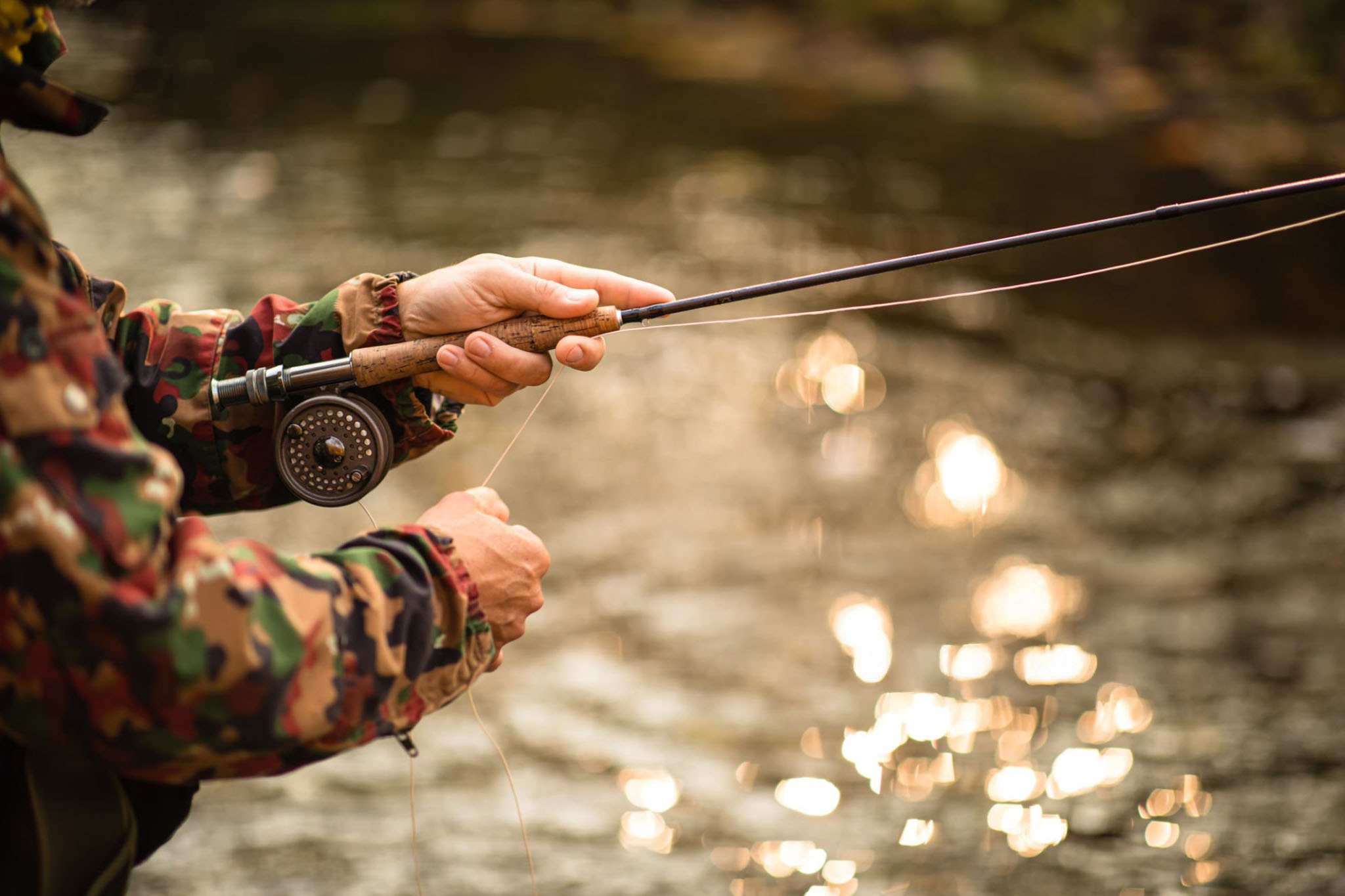
For most anglers, prime fishing time has always meant dawn and dusk. But winter changes the rules. In January, when water temperatures are at their lowest and fish metabolism slows to a crawl, midday quietly becomes the most reliable feeding window of the day.
If you’re still freezing through early mornings and calling it quits by noon, you’re likely missing the best bite winter has to offer.
1. Winter Rewrites the Fishing Clock
In warm months, fish feed aggressively during low-light periods. In winter, survival—not opportunity—drives behavior.
Cold water forces fish to:
- Conserve energy
- Reduce unnecessary movement
- Feed only when conditions favor efficiency
That efficiency rarely exists at sunrise in January. Instead, it develops after hours of sunlight have done their work.
2. The Role of Solar Heating in Cold Water
Even in the dead of winter, sunlight matters more than many anglers realize.
By late morning:
- Shallow water warms slightly—often just 1–3 degrees
- Rocks, mud, and dark bottom areas absorb heat
- Adjacent water columns stabilize
That small temperature increase is enough to trigger subtle metabolic changes in fish. In winter, one degree can mean the difference between inactivity and feeding.
Key point:
Midday is when the water finally reaches its daily peak temperature.
3. Fish Don’t Rush Breakfast in January
Unlike summer, winter fish don’t wake up hungry.
Overnight:
- Water cools to its coldest point
- Oxygen levels stabilize
- Fish remain inactive in holding areas
Morning movement is minimal because:
- Feeding costs more energy than it returns
- Prey species are equally sluggish
As the sun climbs, conditions slowly improve. By late morning or early afternoon, fish can feed with less energy loss, making midday the logical window.
4. Midday Fish Positioning Becomes Predictable
One advantage of winter midday fishing is consistency.
During this window, fish often:
- Slide slightly shallower
- Position tighter to structure
- Stack along defined breaks or edges
Instead of roaming, fish set up in:
- South-facing banks
- Rock piles and riprap
- Channel edges near flats
- Transitions between hard and soft bottom
These locations warm first and retain heat longer, concentrating fish and simplifying the search.
5. Why Midday Reduces Fishing Pressure Effects
Most anglers fish mornings or quit early due to cold. As a result:
- Midday waters see less pressure
- Fish become less wary
- Repeated winter spots remain productive longer
In pressured lakes, this matters. Fish that ignore baits in the morning may respond midday simply because:
- Conditions improve
- Disturbance decreases
Midday fishing rewards patience more than aggression.
6. Baitfish Behavior Shifts at Midday
Predators move when prey becomes available.
In winter:
- Baitfish hold deep and tight early
- As sunlight increases, they rise slightly or reposition
- This movement is subtle—but enough to trigger predators
When baitfish shift, game fish don’t chase far. Instead, they ambush within short distances, which is why precise presentations matter most at midday.
7. Lure Speed and Presentation Matter More Than Time
Midday success isn’t about fishing faster—it’s about fishing right.
Effective midday winter tactics include:
- Slow, controlled retrieves
- Bottom-contact presentations
- Long pauses and minimal movement
Fish feed during midday not because they feel aggressive, but because conditions finally allow them to feed efficiently.
8. Weather Stability Peaks Around Midday
Winter weather is often harshest overnight and early morning.
By midday:
- Winds often settle
- Surface temperatures stabilize
- Light penetration improves
This stability reduces stress on fish and makes feeding behavior more consistent. Even on cold, overcast days, midday still offers the most predictable conditions.
9. Midday Fishing Is About Precision, Not Volume
Winter midday fishing isn’t about covering water.
It’s about:
- Finding one or two high-percentage spots
- Fishing them thoroughly
- Trusting timing over constant movement
One bite at noon can outweigh hours of early-morning effort.
10. Adjusting Your Winter Fishing Schedule
To capitalize on midday:
- Arrive later and fish longer into the afternoon
- Focus on sun-exposed structure
- Let the lake warm before committing to spots
Winter rewards anglers who align their effort with natural rhythms, not tradition.
11. Final Thoughts: Stop Fighting the Season
Winter fishing isn’t broken—it’s just misunderstood.
When you stop forcing summer habits into January conditions and instead fish when:
- Water temperatures peak
- Fish efficiency improves
- Pressure decreases
You unlock a quieter, more consistent bite.
Midday isn’t a compromise in winter.
It’s the advantage.