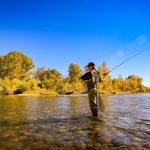
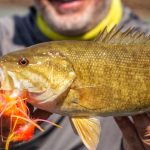

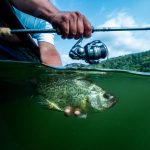

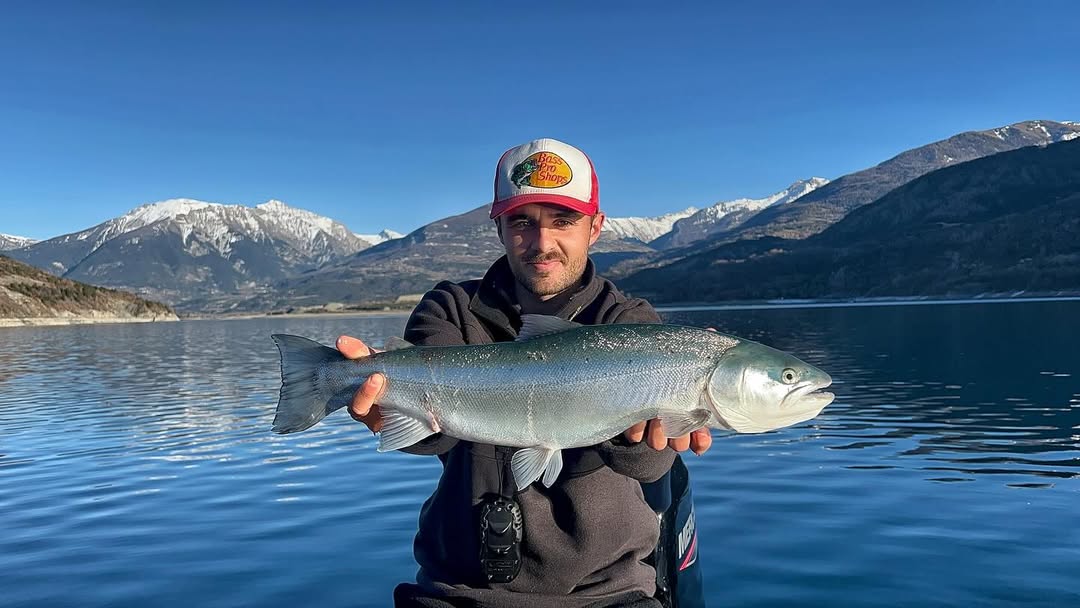
January reservoir fishing is less about chasing fish and more about understanding where water is disappearing—and where fish are forced to go next. Winter drawdowns dramatically reshape reservoirs, exposing structure, compressing habitat, and concentrating fish in ways that don’t exist during any other season.
Anglers who follow falling water—not temperature—consistently stay ahead of the bite.
1. Why January Drawdowns Change Everything
Most reservoirs experience controlled water releases in winter for flood management, hydroelectric demand, or spring storage capacity. As water levels drop:
- Shorelines retreat
- Shallow cover vanishes
- Travel routes shift overnight
Fish don’t abandon reservoirs—they slide with the water.
2. Fish Move Horizontally Before They Move Deep
A common mistake is assuming falling water pushes fish straight to deep basins.
In reality, fish first:
- Track the original shoreline contour
- Follow submerged creek edges
- Shift laterally to maintain depth
Depth consistency matters more than absolute depth.
3. The Importance of Old Shorelines
Exposed banks reveal critical information.
As water drops:
- Old weed lines become underwater highways
- Former laydowns mark migration paths
- Rock transitions remain fish magnets
What’s dry today was productive water last week.
4. Creek Arms Become Winter Funnels
Lower water tightens fish movement.
Creek channels:
- Concentrate bait
- Maintain stable temperature
- Offer quick depth access
Fish stack on the first major break inside creek arms, not the main lake basin.
5. Structure That Improves as Water Falls
Not all structure loses value.
High-percentage January structures include:
- Channel bends
- Sunken roadbeds
- Hard bottom points
As water drops, these areas become more defined and easier to target.
6. Why Steep Banks Outperform Flats
Winter drawdowns eliminate shallow flats.
Steep banks remain productive because they:
- Preserve vertical access
- Reduce energy cost
- Hold fish through rapid water loss
Fish stay where they can adjust without relocating far.
7. Baitfish Compression Is the Real Trigger
Falling water squeezes bait.
Watch for:
- Tighter schools
- Reduced roaming
- Increased bottom orientation
When bait stops wandering, predators don’t have to chase.
8. Fishing the “New Edge”
The most overlooked zone in January reservoirs is the fresh waterline.
Fish use:
- Newly formed drop-offs
- Mud-to-rock transitions
- The first depth change below exposed bank
This edge shifts weekly—sometimes daily.
9. Electronics Matter More Than Casting Distance
In winter drawdown conditions:
- Location beats presentation
- Depth precision beats lure variety
- Small adjustments outperform long runs
Electronics reveal movement patterns that aren’t visible above water.
10. Timing the Drawdown Bite
Fish adjust quickly—but feed selectively.
The best windows occur:
- 24–72 hours after water stabilizes
- During steady releases, not rapid drops
- When pressure and wind remain consistent
Stability always beats speed in January.
11. Why Some Reservoir Sections Go Dead
Not all areas survive drawdown.
Dead zones usually lack:
- Depth access
- Hard bottom
- Defined structure
Fish vacate these areas early and rarely return until spring.
12. Adjusting Strategy Without Overthinking
January reservoir fishing rewards restraint.
Key adjustments:
- Slow down movement between spots
- Fish fewer areas more thoroughly
- Trust structure over memory
What worked in fall often disappears with the water.
Final Thoughts: Follow the Water, Not the Calendar
Winter reservoirs don’t empty—they compress.
When you follow:
- Shoreline retreat
- Channel influence
- Structure concentration
You stay connected to fish even as water disappears.
In January, water levels tell the story.
The anglers who listen stay on fish all winter long.