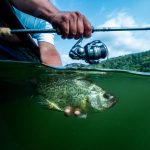
Early spring is one of the most exciting times for crappie anglers. As water temperatures slowly rise after winter, crappie transition from their wintering grounds to pre-spawn locations. Understanding where crappie congregate—shallow versus deep water—and how to target them effectively can make or break your early-season fishing trips.
1. Why Depth Matters in Early Season
Crappie are highly responsive to water temperature, cover, and prey availability, all of which influence depth selection:
- Wintering Crappie: Often stay deep in lakes, reservoirs, or slow-moving rivers to conserve energy in cold water.
- Pre-Spawn Movement: As temperatures approach 45–55°F, crappie begin moving toward shallower water to prepare for spawning.
- Energy Efficiency: Cold water slows metabolism, so crappie prefer areas where food is abundant yet they expend minimal energy.
Key insight: Recognizing depth preferences for this transitional period is crucial for locating active schools.
2. Deep Water Habits in Early Spring
In the late winter to early spring window, deep water is still attractive to crappie for several reasons:
- Temperature Stability: Deeper water retains a more consistent temperature than shallow areas, preventing extreme cold exposure.
- Safety from Predators: Crappie remain near submerged structures such as brush piles, fallen trees, or rocky humps where they can escape larger predators.
- Feeding Opportunities: Crustaceans, aquatic insects, and small baitfish are abundant near mid-to-bottom water levels in deep zones.
Angling tip: Use vertical jigging, minnows, or slow-sinking soft plastics over submerged structure. Look for depths between 12–25 feet, depending on waterbody characteristics.
3. Shallow Water Strategies as Spring Approaches
As the season warms and spawning behavior begins:
- Temperature Rise: South-facing flats warm faster, attracting crappie to shallower depths (3–8 feet).
- Cover Preference: Crappie favor standing timber, brush, and weed edges near shallow flats.
- Pre-Spawn Staging: Schools gather near spawning zones before moving directly onto the beds.
Tactics for shallow water:
- Cast near brush piles or shoreline vegetation using small jigs, tube baits, or minnows.
- Slow, subtle retrieves mimic the natural movement of emerging insects or small baitfish.
- Observe light penetration: clear water encourages crappie to stay close to cover, while murky water may push them slightly deeper.
4. Transition Zones: Where Shallow Meets Deep
One of the most productive strategies in early season is targeting transition zones—areas where shallow flats slope into deep water.
- Thermal Edges: Slight differences in temperature attract crappie moving between wintering and pre-spawn areas.
- Feeding Corridors: Baitfish often migrate along these edges, concentrating predator activity.
- Versatile Fishing: These areas allow anglers to present both deep and shallow techniques without moving locations frequently.
Tip: Use a fish finder or sonar to identify subtle depth changes and locate suspended crappie near transition zones.
5. Lure Selection for Depth-Specific Crappie Fishing
Deep Water:
- Jigs: 1/16–1/8 oz, vertical presentation.
- Soft Plastics: Tubes or grubs on a jig head.
- Live Bait: Minnows fished slowly near structure.
Shallow Water:
- Light Jigging: 1/32–1/16 oz, cast and retrieve slowly near cover.
- Spinners & Small Crankbaits: Subtle vibration to attract early feeders.
- Live Bait: Minnows or small worms around brush or standing timber.
Presentation tip: Match size and color to natural forage in the waterbody; early-season crappie are selective and cautious.
6. Reading Seasonal Conditions for Depth Decisions
Several environmental factors dictate whether crappie favor shallow or deep water:
- Water Temperature: Stable deep water retains cold; warm shallow water accelerates early activity.
- Light Conditions: Overcast days can encourage shallow schooling, while bright sun may push fish deeper.
- Wind and Water Movement: Slight wind creating surface disturbance can push crappie closer to shorelines.
- Oxygen Levels: Shallow water with higher oxygen may attract more active feeding crappie.
7. Common Mistakes and How to Avoid Them
- Ignoring Deep Water: Many anglers rush shallow too early; crappie may still be wintering deep.
- Too Aggressive Presentation: Fast retrieves in cold water often spook lethargic crappie.
- Overlooking Cover: Schools often cluster near brush, logs, or weed edges—both shallow and deep.
- Moving Too Frequently: Early-season crappie can be predictable; patience pays off when fishing the correct depth.
8. Tips for Early Season Success
- Use Electronics: Sonar or fish finders identify suspended crappie and depth structure.
- Monitor Temperature: Water between 45–55°F signals the start of pre-spawn movement.
- Be Patient: Early season fish are less aggressive; slow presentations and subtle action yield results.
- Target Both Depths: Explore deep structures in the morning, shallow flats in the afternoon when water warms.
9. Conclusion
Early spring crappie fishing requires a strategic understanding of depth and seasonal behavior. Key takeaways:
- Deep water provides stability, safety, and wintering food sources.
- Shallow water becomes productive as temperatures rise and pre-spawn movement begins.
- Transition zones offer a versatile approach for targeting active schools.
- Depth-specific lures and subtle presentation dramatically increase early-season success.
By mastering the shallow versus deep water dynamic, anglers can confidently locate crappie during the transitional post-winter period, maximizing both catch rates and trophy potential.