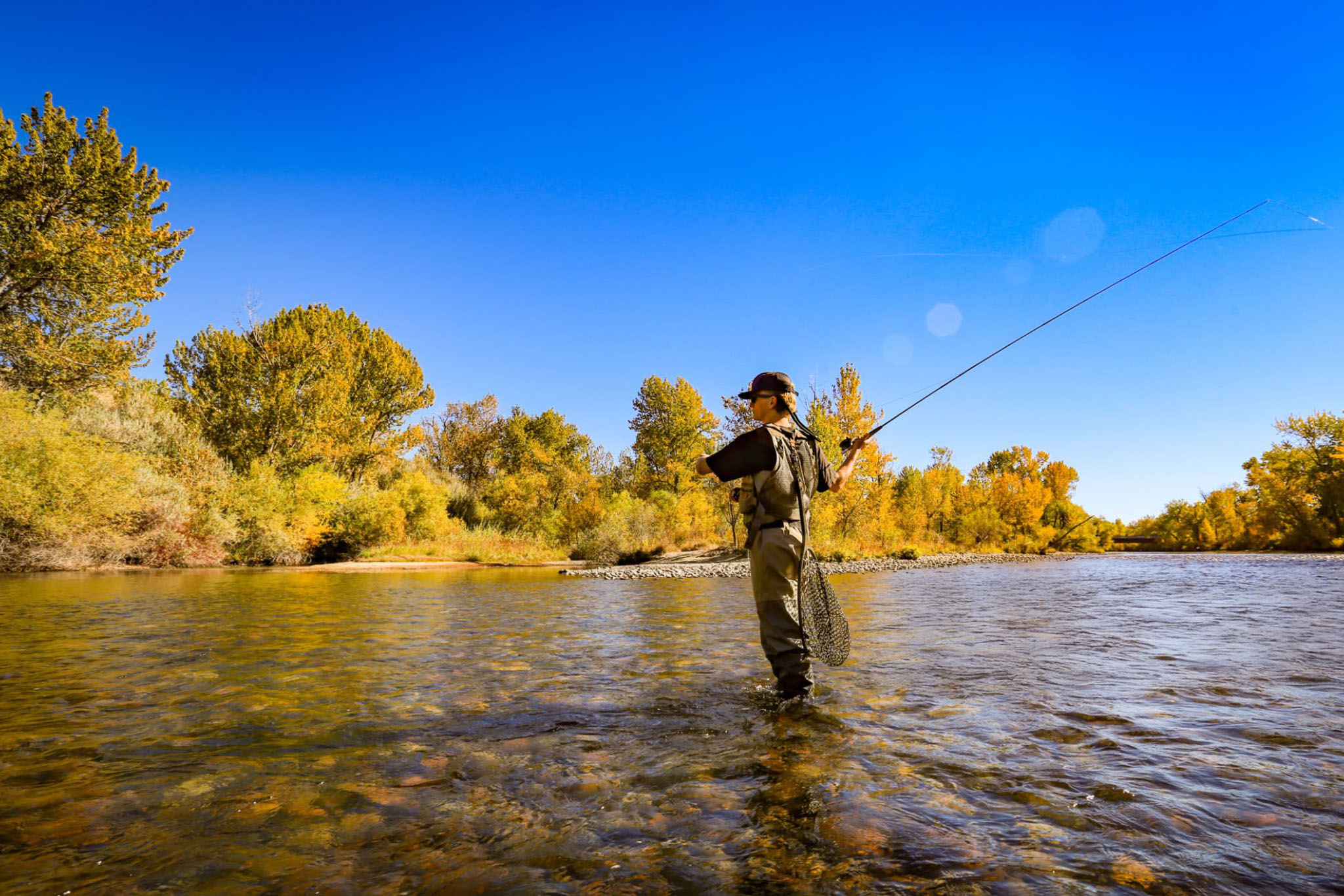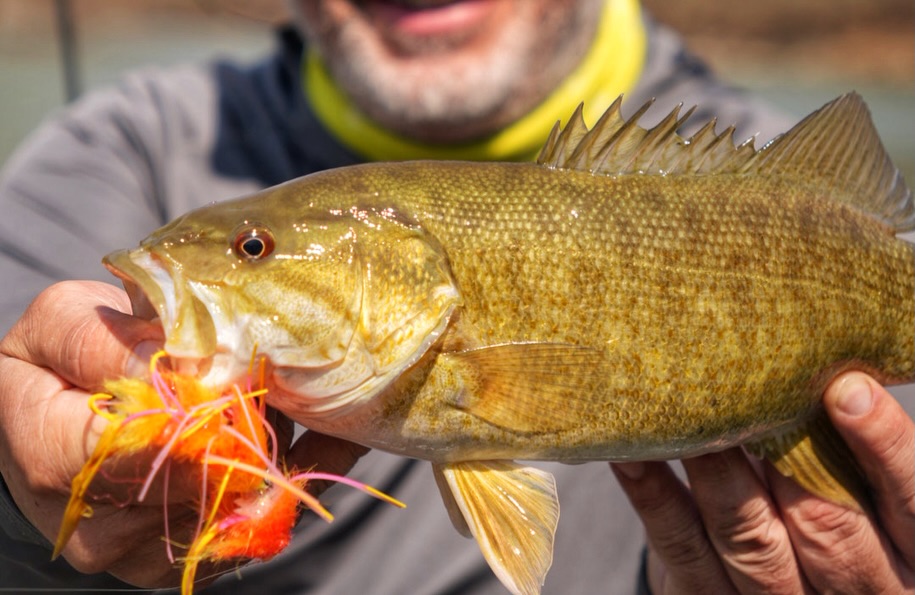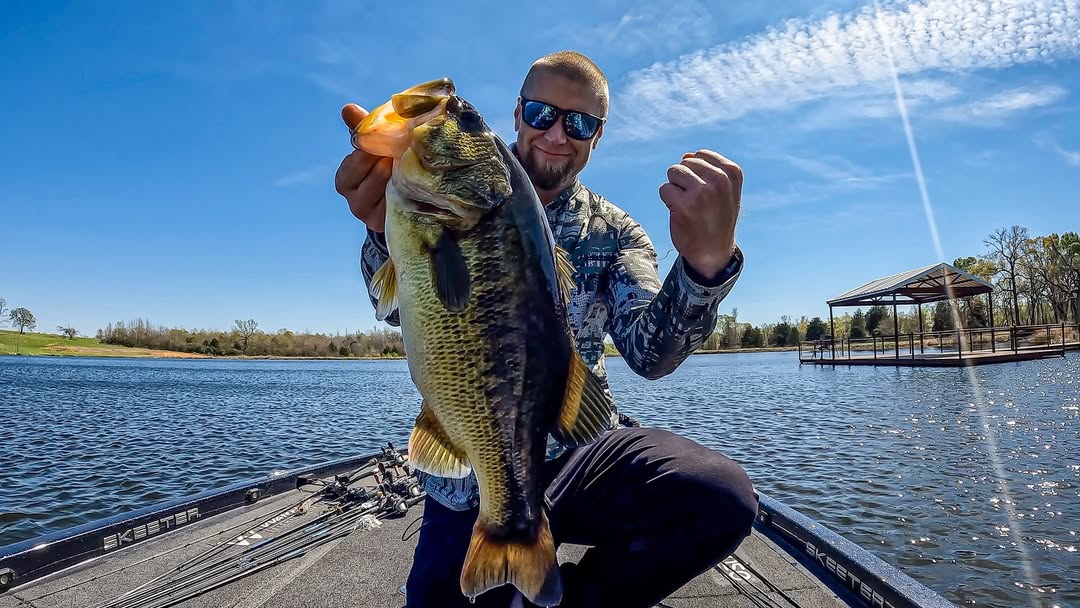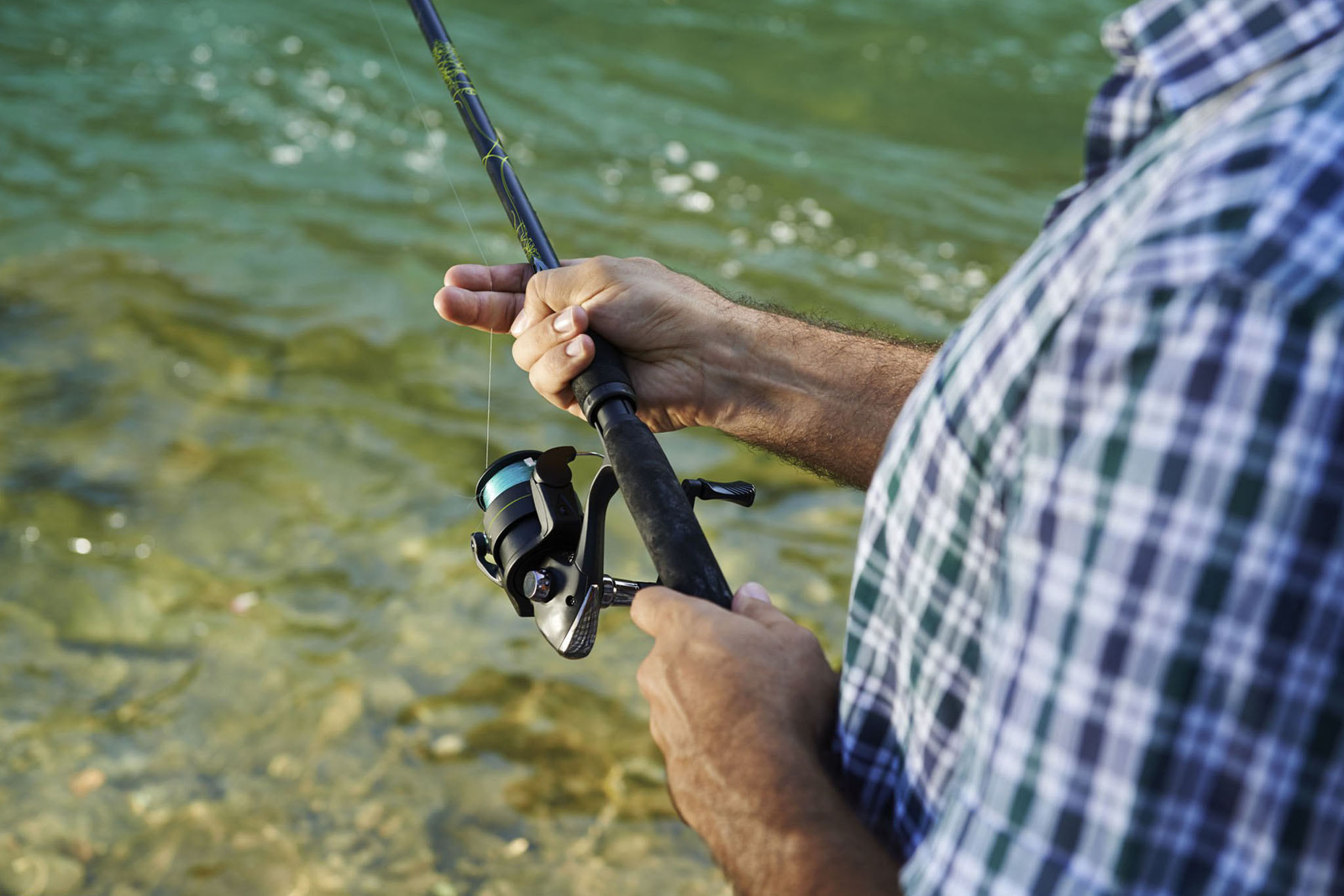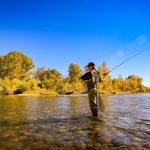
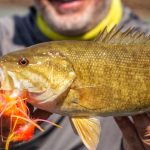

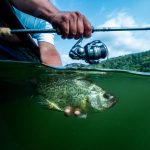
Winter and early spring fishing can be challenging, but understanding how water current and temperature changes influence fish feeding behavior can dramatically improve your catch rate. Fish are cold-blooded, meaning their metabolism and activity levels are highly sensitive to environmental conditions. By monitoring subtle shifts in currents and water temperature, anglers can predict feeding windows and locate active fish even in sluggish winter waters.
This guide explores the science behind these factors and provides practical strategies to anticipate fish movement and maximize bites.
Why Current and Temperature Matter
Fish behavior is closely linked to energy conservation and environmental cues:
- Temperature: Cold water slows metabolism, reducing activity and feeding frequency. Small temperature changes can trigger increased movement.
- Current: Fish use currents to conserve energy while accessing food sources. They position themselves where water flow delivers prey.
- Combination: A slight increase in temperature coupled with a gentle current often prompts feeding bursts, especially in winter or early spring.
Understanding these interactions allows anglers to predict feeding patterns instead of guessing.
Strategy 1: Locate Temperature Transition Zones
Fish often congregate where water temperatures change:
- Thermoclines: Even in shallow rivers and lakes, warmer water near inflows or springs attracts fish.
- Sun-warmed shallows: Winter sun can create localized warmer pockets, encouraging movement from deeper zones.
- Cold-to-warm interfaces: Fish feed along these edges to conserve energy while accessing active prey.
Tip: Use a thermometer or a digital fish finder with temperature tracking to map these zones.
Strategy 2: Identify Current Breaks and Flow Patterns
Currents affect both energy conservation and prey availability:
- Eddies and slack water: Fish rest here while waiting for food to drift by.
- Converging currents: Where two currents meet, baitfish are concentrated, attracting predatory species.
- Shoreline and structure seams: Fish often hold in slow areas near faster flow to ambush prey with minimal effort.
Pro Tip: Look for visible surface indicators such as ripples, foam lines, or floating debris—these often reveal current transitions.
Strategy 3: Observe Feeding Windows
Fish are more likely to feed when environmental conditions are favorable:
- Temperature rises: A small morning warm-up or mid-day sun can trigger sudden activity.
- Barometric changes: Falling or steady pressure often signals increased feeding, while rapid pressure spikes can shut fish down.
- Seasonal cues: Late winter and early spring see fish moving to shallow feeding grounds when temperatures climb slightly above the seasonal average.
Recording these patterns over time helps predict high-probability feeding periods.
Strategy 4: Match Lures to Environmental Conditions
When temperature and current indicate activity, adjust your lure choice accordingly:
- Slow-moving soft plastics: Effective when fish are lethargic, especially in colder water.
- Weighted jigs and drop-shot rigs: Keep lures near the bottom in low-flow areas where fish conserve energy.
- Spoons and swimbaits: Vibrations and flash attract attention in faster currents or slightly warmer pockets.
- Live bait: Minnows or worms are irresistible when fish are primed for low-energy feeding.
Pro Tip: Match lure size and color to the natural prey found in the active current or warmer pocket.
Strategy 5: Position Your Boat or Stand Strategically
Where you fish matters as much as how you fish:
- Current seams: Place yourself downstream from flow breaks to intercept moving fish.
- Depth transitions: Fish often move vertically and horizontally between warmer and colder zones.
- Cover proximity: Near rocks, submerged timber, or vegetation where fish can ambush prey.
By positioning effectively, you maximize exposure to feeding fish without spooking them.
Strategy 6: Monitor and Adjust in Real Time
Water conditions change throughout the day:
- Use a portable thermometer: Track subtle shifts in temperature across different depths or areas.
- Observe surface indicators: Floating debris, rising baitfish, or fish breaking the surface often align with feeding currents.
- Be flexible: Move along temperature and current zones until you locate active fish.
Adaptability is critical—fish rarely remain in one spot when conditions change.
Common Mistakes to Avoid
- Ignoring small temperature changes: Even a 2–3°F shift can trigger feeding.
- Fishing stagnant areas exclusively: Fish use currents to conserve energy and intercept prey.
- Using inappropriate lures: Fast, aggressive baits often fail in cold water.
- Neglecting depth and structure: Fish position themselves along thermal and flow transitions.
- Failing to track patterns over time: Consistency helps anticipate feeding behavior more accurately.
Final Thoughts
Predicting fish feeding in cold-water conditions is about reading the subtle cues from temperature and current. By identifying thermal pockets, current seams, and flow transitions, anglers can locate active fish, time their casts, and select lures that trigger strikes.
Mastering these low-energy, high-impact tactics ensures productive late-winter and early-spring fishing trips, even when fish seem lethargic. With careful observation, patience, and adaptable strategies, you can consistently capitalize on feeding opportunities before anyone else on the water does.