This time of year is when most anglers get frustrated—not because fish aren’t biting, but because they can’t decide where the fish should be. One cast you’re convinced they’re deep. The next, you’re sure they’ve moved shallow.
The truth is simpler: fish aren’t choosing one or the other.
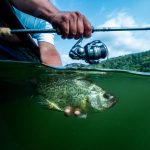
Right now, fish are moving between deep and shallow constantly, adjusting to temperature, light, and stability. Understanding how and why they make those moves is the key to catching fish when the season feels unpredictable.
Why Fish Won’t Fully Commit Yet
In late winter and early spring, water conditions are unstable. Cold nights, warming afternoons, wind, and changing sunlight all influence fish behavior.
Fish avoid extremes during this period because:
- Cold water slows metabolism
- Energy conservation is critical
- Sudden temperature drops are common
- Shallow water warms—but cools just as fast
Instead of committing shallow or staying deep, fish position themselves where movement requires the least effort.
Vertical Movement Happens More Than Horizontal Movement
One of the biggest misunderstandings anglers have is assuming fish move long distances.
In reality, this time of year:
- Fish often move up and down, not far
- A depth change of 5–10 feet can be enough
- Structural edges allow quick adjustment
This is why subtle depth breaks and gradual slopes matter more than large flats early in the season.
Daily Movement: How Fish Shift Throughout the Day
Fish don’t move randomly—they follow a daily rhythm.
Morning
Cold overnight temperatures push fish slightly deeper, where water is more stable.
Midday
As sunlight warms shallow water, fish slide up along transition routes to feed briefly.
Evening
Fish often hold just off shallow areas, close enough to feed but ready to retreat.
These movements can happen within a narrow zone rather than across the entire lake.
The Role of Sun Angle and Light Penetration
Sun angle matters more now than water temperature alone.
- South-facing banks warm faster
- Clear water allows deeper warming
- Cloud cover slows shallow movement
- Stained water warms quicker but unpredictably
Fish respond to light penetration by adjusting depth—not by relocating far away.
Structure That Guides Movement
Fish rely on structure to travel efficiently.
Key movement routes include:
- Channel edges
- Submerged points
- Underwater ridges
- Ditches leading to flats
These features allow fish to move vertically while staying protected and efficient.
How Weather Changes Movement Patterns
Weather doesn’t send fish fleeing—it shifts them within their zone.
- Warming trends encourage shallow movement
- Cold fronts pull fish slightly deeper
- Wind pushes bait and activates feeding
- Stable conditions extend shallow windows
Fish respond gradually, not dramatically.
Feeding vs. Resting Depths
Early in the season, fish separate feeding and resting areas.
- Feeding happens closer to shallow water
- Resting happens deeper with stability
- Movement between the two is short and repeatable
Anglers who recognize this pattern stop chasing fish and start intercepting them.
How Anglers Should Adjust
Instead of choosing deep or shallow, fish both strategically.
Effective strategies:
- Start deeper early
- Move shallower as conditions improve
- Work connecting structure thoroughly
- Slow down and cover less water
Fish are often present—you just need to stay within their movement range.
Common Mistakes That Cost Fish
Avoid these traps:
- Fishing only shallow because “spring is coming”
- Abandoning areas after short slow periods
- Overreacting to weather changes
- Covering too much water too fast
This time of year rewards patience and understanding, not speed.
Final Thoughts: Think in Ranges, Not Spots
Fish aren’t lost. They’re transitioning.
When you stop asking “Are they deep or shallow?” and start asking “How do they move between the two?”, everything changes.
Fish live in ranges this time of year.
Your job is to stay inside that range.
Do that—and early season fishing stops being confusing and starts being productive.