
If you’ve ever spent a slow morning on the water, you know the frustration: the fish just aren’t biting. You try different baits, change depths, adjust retrieves—but nothing works. Then, almost magically, one small change happens: the temperature shifts, and suddenly the fish are aggressive, active, and chasing everything in sight.
This isn’t luck. It’s the way fish respond to subtle environmental cues, especially water temperature changes, during late winter and early spring. Understanding this phenomenon can help you predict the bite, rather than wait for it to happen.
Why Temperature Is Everything Right Now
Fish are cold-blooded. That means their metabolism is directly tied to water temperature. A small rise of just a few degrees can:
- Increase activity levels
- Trigger feeding instincts
- Encourage movement toward shallower, warmer water
- Intensify predatory behavior
In early spring, fish aren’t ready to spawn yet, but their energy needs increase as the water warms. A few degrees can make the difference between a dead day and a frenzy.
Recognizing the Subtle Shifts
Temperature changes that impact fish are often small and localized:
- Sunny pockets in bays or shallow flats can warm 2–4°F faster than surrounding water
- South-facing shorelines often produce shallow activity first
- Wind pushing warmer surface water against edges can spark feeding
The trick is noticing these micro-changes before the fish do.
My Experience: A Bite That Appeared Overnight
I once spent two mornings on a lake in late February with no bites. The water hovered around 42°F, and the fish were sluggish. On the third morning, a warm front rolled through overnight, raising surface temps to 45°F in shallow flats.
Everything changed:
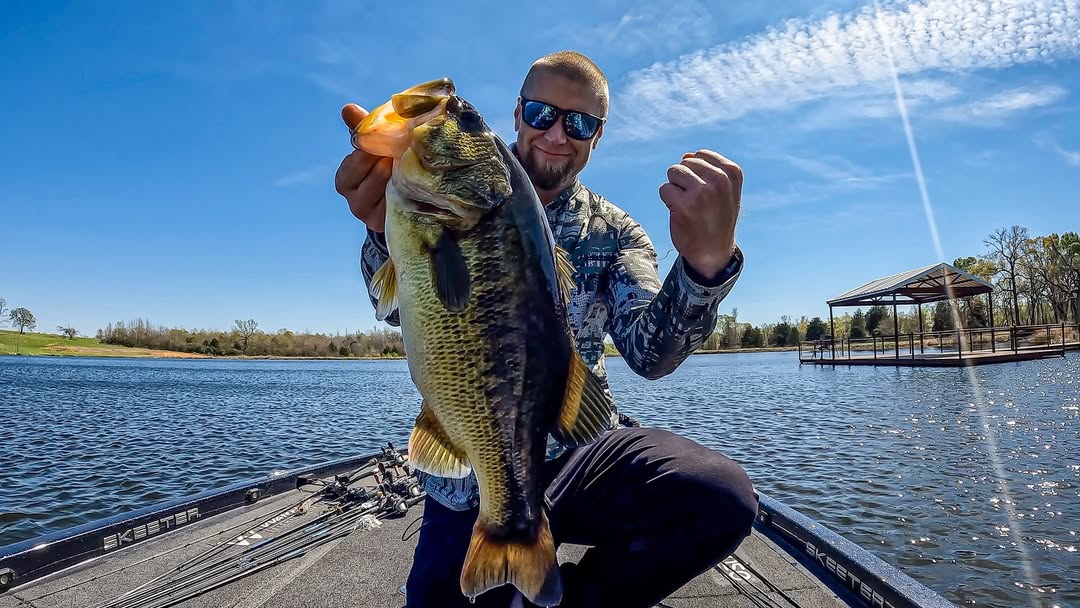
- Bass moved into the first 5 feet of water
- Crappie and panfish left deep cover and fed aggressively
- Bites came fast and lasted all morning
It wasn’t a dramatic temperature swing—just a small but significant change that triggered activity.
How Fish Use Temperature to Feed Strategically
Even small shifts in water temperature influence behavior:
- Energy conservation – Cold water keeps fish lethargic; a slight increase gives them enough metabolism to feed.
- Safety and warmth – Fish move where shallow water warms quickly but still offers cover.
- Predator-prey efficiency – Warmer water speeds up baitfish, triggering natural hunting instincts.
The result: fish aren’t just feeding—they’re actively chasing prey.
How Anglers Can Exploit Small Temperature Changes
Knowing that temperature changes spark bites, here’s what you can do:
1. Track Daily Variations
- Use a reliable water thermometer or apps with surface temp readings
- Note warming trends over sunny days, wind shifts, or post-frontal periods
2. Focus on Shallow Transition Areas
- Flats, bays, and points heat faster than deep channels
- Fish often stage here before moving to spawning grounds
3. Adjust Lures for Short Windows
- Slow retrieves in colder water, speed up as temperature rises
- Bright, visible lures can provoke strikes in low-activity periods
4. Time Your Sits
- Fish often bite aggressively during the first few hours after water warms
- Post-cold front calm days are excellent opportunities
Avoid the Common Mistakes
Many anglers miss these bites by thinking small temperature shifts don’t matter:
- Ignoring micro-warming zones and fishing deep water only
- Assuming fish won’t bite because overall lake temps seem low
- Changing tactics too quickly instead of waiting for a few degrees rise
Patience and attention to detail turn small temperature changes into productive opportunities.
Final Thoughts: Think Like the Fish
Small temperature shifts might seem trivial, but to fish, they’re the difference between feeding or conserving energy. Observing water temperature, sun angles, and shallow pockets can help you predict when and where bites will happen—turning frustrating days into productive ones.
Late winter and early spring reward anglers who pay attention to micro-changes in the water. If you can spot the warming patterns, you’ll often be the only one on the lake catching fish.
Remember: it’s not magic. It’s science. And it’s the reason a few degrees can turn a slow day into a trophy morning.