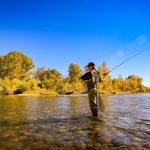
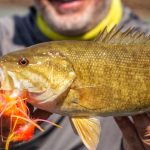

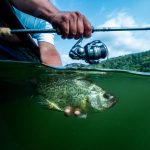
Early spring is one of the most challenging times to fish, and yet it’s also one of the most rewarding. Many anglers chalk up success to luck: “I got lucky and the fish were biting today.” But the truth is, it’s never about luck—it’s about timing.
In early spring, water temperatures are rising slowly, fish metabolism is still low, and the patterns that control feeding are subtle. If you want to consistently catch fish during this transitional period, you need to understand when they feed, where they feed, and how environmental factors influence their behavior.
Why Timing Matters More Than Tactics
In early spring, fish behavior is governed by energy conservation. They aren’t feeding constantly, and they won’t chase baits just because you’re at the right spot.
Timing matters because:
- Fish are more likely to feed during short, predictable windows
- Water temperature and sunlight trigger activity
- Post-front periods and weather changes influence movement
A poorly timed cast can go unnoticed, while a perfectly timed approach can produce a flurry of bites in minutes.
Understanding the Early Spring Windows
Fish feed in specific windows, not all day long. These feeding periods are influenced by several key factors:
1. Morning Warm-Up
- Water warms slowly after cold nights
- Fish often move from deeper resting areas into shallower zones during mid-morning
- Patience is key—early casts may feel slow, but activity ramps up quickly
2. Midday Stability
- Clouds, wind, and surface temperature shifts create microclimates
- Fish adjust depth but often feed along edges or structures
- Subtle movements and slow retrieves pay off more than aggressive fishing
3. Afternoon Bite
- Late afternoons, especially on sunny days, often trigger the peak feeding period
- Baitfish become more active, attracting predators
- Wind-driven surface movement can concentrate fish near shallower banks
4. Post-Weather Events
- A small warm front or drop in barometric pressure can flip the bite
- Fish respond quickly to temperature changes, often moving shallower to feed
- Timing your fishing around these events is more productive than random all-day fishing
How to Adjust Your Strategy Based on Timing
Understanding feeding windows allows anglers to adjust strategy instead of chasing bites blindly:
- Depth adjustments: Fish move shallow or deep depending on temperature and sunlight. Focus on the active zone.
- Retrieve speed: Match retrieve speed to fish metabolism—slow early, faster as water warms.
- Target structure: Points, flats, transition zones, and edges concentrate feeding fish during short windows.
- Gear readiness: Being in position at the right moment is more important than changing baits constantly.
Timing isn’t about luck—it’s about anticipating the fish’s schedule and being ready.
Common Mistakes Anglers Make in Early Spring
Even experienced anglers miss fish during this season because they misunderstand timing:
- Arriving too early or too late – Missing the active window entirely.
- Over-covering water – Scaring fish by moving too much during key feeding times.
- Ignoring subtle conditions – Failing to notice small temperature changes or sun angle that trigger bites.
- Chasing random patterns – Reacting to previous days’ behavior rather than focusing on current cues.
Patience, observation, and timing are more effective than frantic fishing or relying on “luck.”
The Role of Observation and Preparation
To master early spring timing, take notes and observe:
- Water temperature in different areas of the lake
- Sunlight exposure and shallow flats that warm first
- Wind direction and how it moves baitfish
- Seasonal patterns from past years
Preparation allows you to anticipate the exact moment fish will become active, turning “slow days” into productive sessions.
Final Thoughts: Timing Is Everything
Early spring fishing success isn’t random—it’s a reward for anglers who understand the subtle cues that dictate fish behavior. Fish aren’t lazy—they’re strategic, conserving energy until conditions are right. The anglers who align their approach with these natural rhythms consistently fill their limits.
Stop blaming luck. Start paying attention to timing. When you match your actions to the fish’s schedule, early spring fishing becomes less about hope and more about predictability.