Winter Fly Fishing: Targeting Trout in Post-Freeze Streams

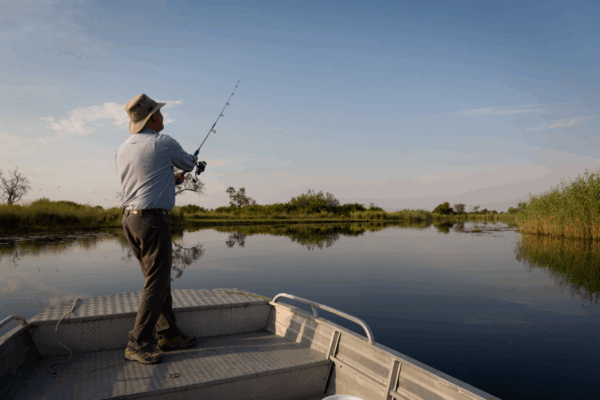
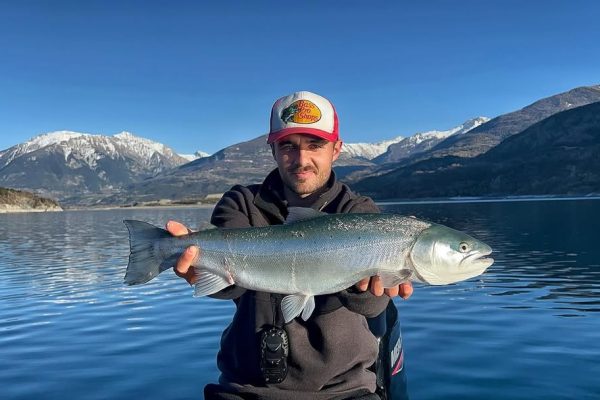
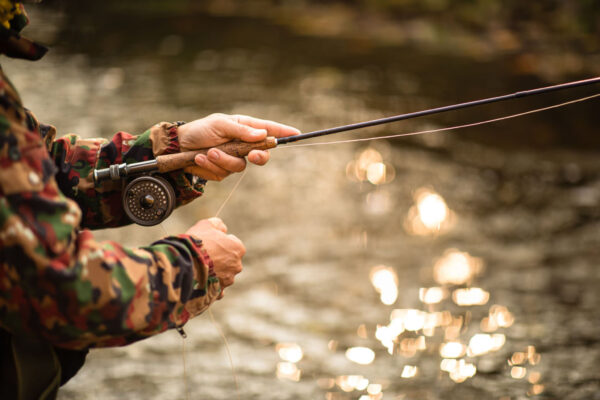
Winter fly fishing offers a unique challenge for anglers targeting trout. After a hard freeze, streams often appear lifeless, with ice-covered banks and sluggish currents. However, post-freeze conditions create a highly predictable environment for trout, and anglers who understand their behavior, habitat preferences, and seasonal feeding patterns can enjoy productive outings even in the coldest…
Read More

Cold Water Predator Patterns: Locating Largemouth and Pike in January

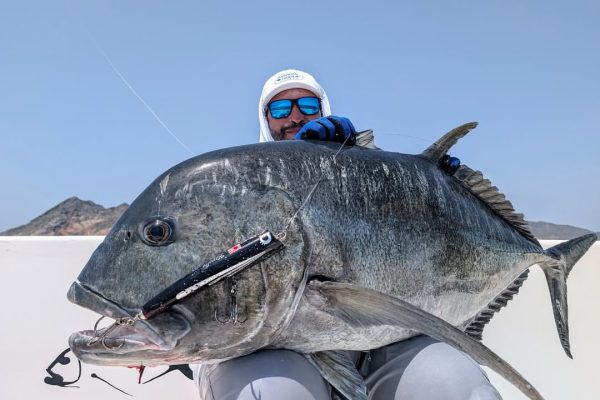
January presents one of the toughest challenges for freshwater anglers: cold water predator fishing. Largemouth bass and northern pike, two of North America’s most popular game fish, drastically reduce activity during the coldest weeks of winter. But while their metabolism slows and movements become more subtle, understanding their behavioral patterns in cold water can turn…

Read More

January Reservoir Fishing: Following Fish as Water Levels Drop

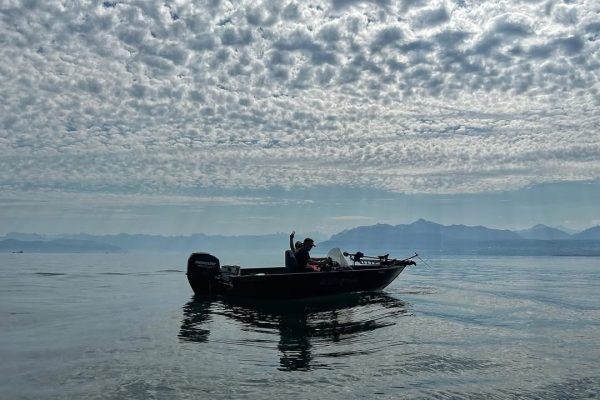
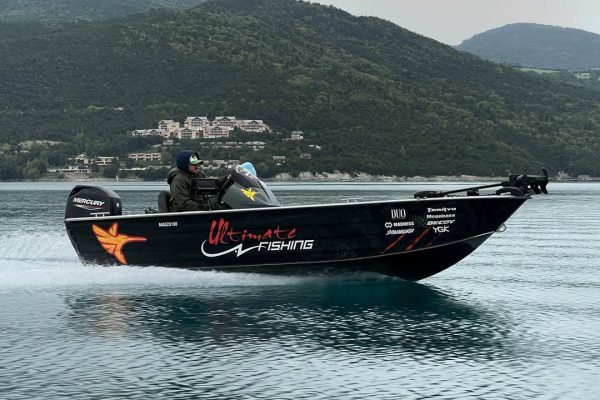
January reservoir fishing is less about chasing fish and more about understanding where water is disappearing—and where fish are forced to go next. Winter drawdowns dramatically reshape reservoirs, exposing structure, compressing habitat, and concentrating fish in ways that don’t exist during any other season. Anglers who follow falling water—not temperature—consistently stay ahead of the bite….

Read More

Shallow vs. Deep Water: Finding Early Season Crappie

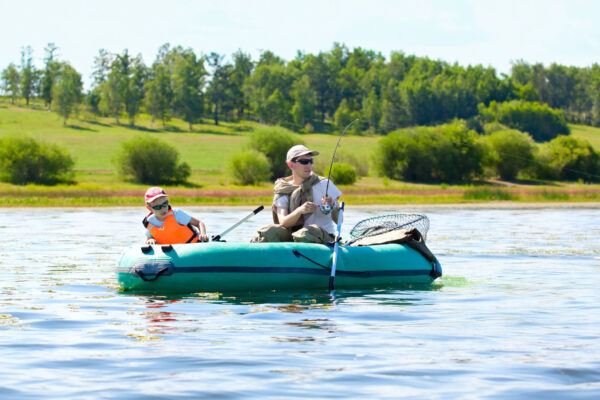
Early spring is one of the most exciting times for crappie anglers. As water temperatures slowly rise after winter, crappie transition from their wintering grounds to pre-spawn locations. Understanding where crappie congregate—shallow versus deep water—and how to target them effectively can make or break your early-season fishing trips. 1. Why Depth Matters in Early Season…

Read More