
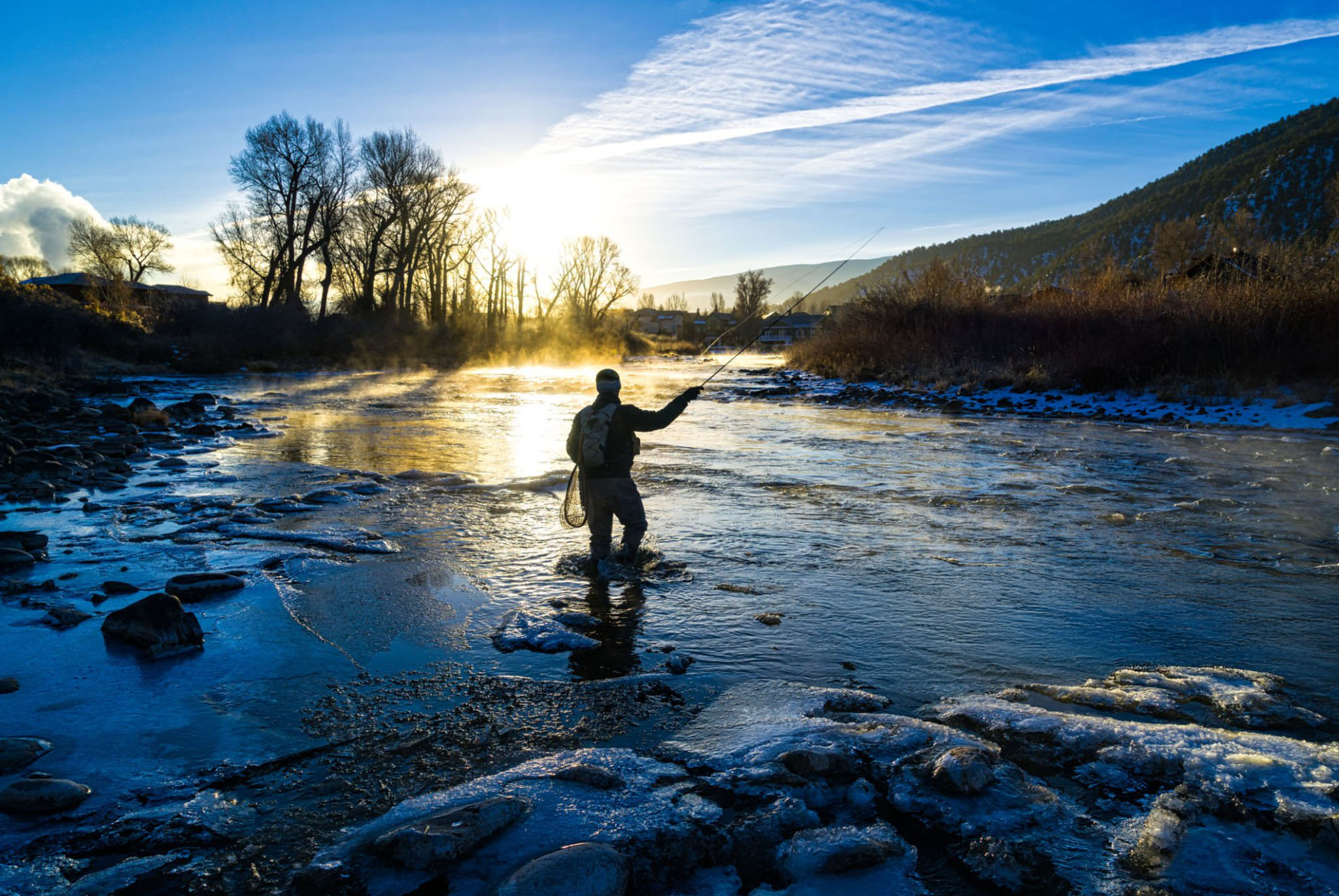
When winter sets in and water temps dip into the high 30s and low 40s, most anglers assume the crankbait bite is dead. Big mistake. Cold water doesn’t kill the crank—it simply demands a new rhythm. And for anglers willing to slow their presentation to a crawl, crankbaits become one of the most reliable tools for tempting winter giants.
Slow rolling is the secret.
It’s not flashy. It’s not aggressive. But in winter, it mirrors exactly what lethargic bass expect: a struggling baitfish that moves just slow enough to get eaten.
This is the cold-water crankbait game at its finest.
Why Crankbaits Still Catch Bass When Water Turns Icy
Bass metabolism drops drastically in winter, which means:
- They won’t chase fast-moving lures.
- They prefer predictable, easy meals.
- They stage on precise structure, often refusing anything unnatural.
Slow rolling a crankbait down a contour or along deep cover checks every box. The wide wobble of some winter cranks mimics a dying shad perfectly. Even subtle flat-sided baits give off a tight vibration that bass can locate with minimal effort.
Put simply:
Bass don’t want to work for food—and your slow-rolled crankbait is the lazy meal they’re waiting for.
Choosing the Right Crankbait for Cold Water
Cold water requires very specific crankbait features. The wrong model ruins everything. The right one fills your livewell.
1. Flat-Sided Crankbaits
These are winter staples because they produce a tight, subtle vibration—ideal for sluggish fish.
Best for:
- Clear to lightly stained water
- 5–12 ft depth
- Bass feeding on small shad or minnows
2. Thin-Lipped Medium Divers
These baits can hold bottom contact at slow speeds and give you that steady thump without overwhelming vibration.
Best for:
- Rocky points
- Channel edges
- Steep breaks
3. Cold-Water Colors That Work
Winter isn’t the time for bright chartreuse unless the water is muddy.
Go with:
- Shad patterns
- Natural silvers
- Ghost or translucent finishes
- Red craw for rocky lakes during warming trends
Small profile + realistic color = big winter results.
The Art of Slow Rolling: How Slow Is “Slow”?
If you think you’re reeling slow enough, slow down more.
The goal is for your crankbait to:
- Crawl, not swim
- Maintain bottom contact, not bounce wildly
- Stay within the strike zone for as long as possible
The Ideal Retrieve
- Cast past the structure.
- Let the bait reach its running depth.
- Keep a steady, almost painfully slow retrieve.
- Feel for bottom contact—rocks, gravel, hard edges.
- Pause subtly when the bait deflects or ticks something.
You’re creating the illusion of a barely living baitfish struggling along bottom—exactly what a winter bass expects.
Key Winter Spots Where Slow Rolling Shines
Cold-water crankbait success is all about precision location. Bass won’t wander far, so you need to bring the bait to their face.
1. Channel Swings
Where deep water brushes against shallow banks.
Bass winter here because of stable temps and easy ambush points.
2. Bluff Walls and Steep Rock
Slow rolling along vertical structure keeps your bait in the strike zone longer than any other method.
3. Riprap
Rock holds heat. Baitfish gather here.
And big bass know exactly what that means.
4. Main-Lake Points
If there’s wind pushing bait into a point, slow rolling becomes deadly.
5. Creek Mouths
Transition zones where shad push in and out—prime winter staging.
Boat Positioning: The Overlooked Factor That Makes or Breaks the Bite
Cold-water crankbaiting demands the right angles.
If you come in from the wrong direction, your crank won’t hit bottom correctly—and winter bass won’t budge.
Three Positioning Tips
- Fish uphill: Cast deep and retrieve shallower for better bottom contact.
- Stay off the cover: Winter bass spook easily from boat noise.
- Use long casts: More distance = longer in the strike zone.
Mastering these angles turns ordinary days into trophy days.
Strike Detection: Why Winter Bites Feel “Weird”
Bass often won’t thump a cold-water crankbait.
Instead, strikes feel like:
- A leaf on your line
- A slight weight
- A soft, slow pull
When your crankbait suddenly feels different, that’s your fish.
Set the hook with a sweeping motion, not a full-body jerk—winter bass rarely inhale the bait fully on the first take.
Gear Setup for Maximum Winter Success
Rod
Medium or medium-light, moderate action
→ Allows the crankbait to work naturally
Reel
5.1:1 to 6.2:1 gear ratio
→ Slow enough to avoid overpowering the lure
Line
10–12 lb fluorocarbon
→ Sinks, sensitive, natural presentation
The goal is control, feel, and speed—not brute strength.
Why Slow Rolling Produces Giants, Not Just Numbers
Cold water forces bass to conserve energy. Smaller fish stay suspended or inactive. Larger bass, however, hold tight to structure and wait for effortless opportunities.
A slowly crawling crankbait:
- Moves at a speed big bass can intercept
- Mimics winter-killed shad perfectly
- Stays in the strike zone for a long time
- Encourages reaction strikes from fish unwilling to chase
This technique consistently ranks among the best ways to catch the biggest bass in the lake during the coldest months.
Final Thoughts: Confidence Comes With Patience
Slow rolling a crankbait is not a hype technique—it’s a winter necessity. Most anglers fish too fast, give up too soon, or switch baits before letting the crankbait do its job.
But if you slow down your presentation, trust the lure, and target the right winter structure, you’ll see why so many seasoned anglers swear by cold-water cranking.
In winter, patience isn’t just a virtue—it’s the ticket to giants.