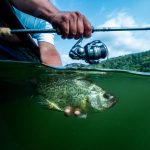
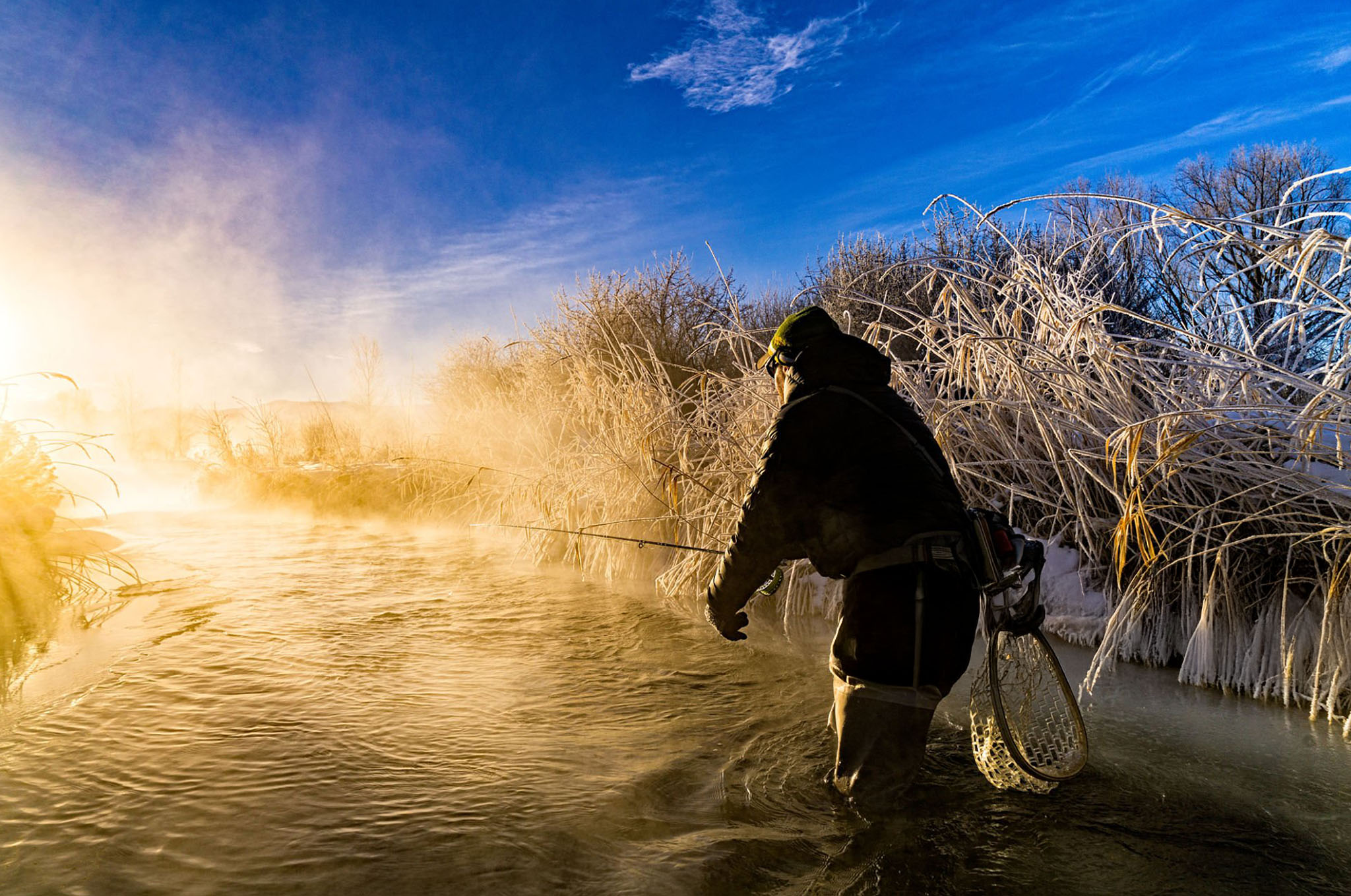
When winter locks down a lake and water temps plunge into the 30s and low 40s, everything beneath the surface changes. Baitfish tighten up. Oxygen levels shift. Predator fish burn fewer calories. And just like deer moving to thermal cover in a blizzard, fish instinctively head for specific underwater structures that help them survive the hardest part of the year.
Two of the most important winter survival zones—across almost every reservoir, river system, and natural lake—are ledges and old creek channels.
These underwater highways offer stable temperatures, safety, predictable food availability, and the depth changes fish need to adjust quickly when weather patterns shift. If you want to consistently catch fish in December through February, understanding these structures is no longer optional—it’s the key to staying on the bite.
This guide breaks down why fish move to these deep structures, how to find them, and the exact techniques that produce during the coldest months of the year.
Why Winter Fish Seek Out Ledges and Creek Channels
Cold water forces fish to conserve energy. That means they gravitate to features that offer:
1. Stable Water Temperatures
Deep water cools down more slowly than shallow water.
Ledges and creek channels offer depths where temperatures fluctuate less, reducing stress.
2. Easy Access to Multiple Depths
On a ledge or channel, fish can move vertically only a few feet to find the most comfortable temperature band.
3. Funnel Points for Baitfish
Baitfish—shad, smelt, minnows—use channels as winter travel routes. Predators simply wait along the edges.
4. Energy Efficiency
Fish burn less energy holding near a sloping drop or deeper trench. Slow-moving currents help bring food to them.
5. Natural Protection
Creek channels provide deep, shadowy contours that give fish cover from predators above, including birds.
In winter, efficiency means survival—and ledges and channels offer exactly that.
Ledges: The Winter Fish Superhighway
A ledge is a sharp drop—often from a flat or gently sloping area—into much deeper water. It forms a vertical structure that fish use for multiple winter needs.
Why Ledges Work
• Predators can sit on the “shelves”
Bass, walleye, and stripers often sit right on the break.
Sometimes they hug the bottom; other times they suspend along the wall.
• Baitfish bunch up right above the drop
Cold water causes baitfish to cluster for warmth and protection.
• Instant depth changes
If a cold front hits, fish simply slide deeper down the ledge.
If the sun warms the top few feet, they move slightly up.
This ability to move without traveling long distances is crucial in winter.
Old Creek Channels: Nature’s Winter Sanctuaries
Most reservoirs sit on top of old river and creek systems.
These channels create underwater troughs with:
- Softer bottom material
- Slight current flow
- Natural bends
- Depth changes
- Oxygen movement
- Built-in ambush points
Why Fish Love Creek Channels in Winter
1. They Offer One of the Warmest Zones in the Lake
Channels often stay 1–3°F warmer than surrounding flats.
2. They Act Like Highways
Shad and other baitfish follow them like they’re traveling a winter road system.
3. They Offer Predictability
Even in unstable weather, creek channels provide consistent depth and cover.
4. They Concentrate Fish
Instead of being spread out across a massive lake, fish cluster along:
- Bends
- Channel swings
- Sharp drops
- Silt-to-rock transitions
These small areas often hold dozens of fish at once.
How to Find These Winter Hotspots
You can locate deep winter channels and ledges using:
1. Contour Maps
Look for:
- Tight contour lines (steep drops)
- “S”-shaped creek paths
- Deep-water bends
- Channel intersections
- Shelf-like ledges
2. Side Imaging
Shows bait balls, suspended fish, and the exact edge of the channel.
3. Down Imaging
Use it to pinpoint fish glued to the bottom or holding on the first break.
4. Forward-Facing Sonar
Deadly effective in winter.
It reveals:
- Fish suspending off ledges
- Wolfpacks cruising the channel
- Single big fish sitting mid-depth
Target Zones on Ledges and Creek Channels
These are the highest-percentage places to fish during deep winter:
1. Channel Bends
Fish stack in the inside and outside bends where deeper water meets a structural corner.
2. Points That Drop Into Channels
This is where shallow meets deep—perfect for winter predators.
3. Channel-Swing Banks
These are banks where the channel runs right against the shoreline.
Fish often sit tight to the drop.
4. Ledge Steps and Drop-Offs
Every “step” is a potential feeding ledge.
5. The First Break Off a Flat
When fish leave shallow feeding grounds, this is the first deep-water refuge they hit.
The Best Lures for Fishing Ledges and Channels in Winter
Fish won’t chase much in December–February, so choose presentations that work vertically or at slower speeds.
1. Blade Baits
Perfect for vertical fishing on channel drops.
2. Jigging Spoons
Highly effective on suspended fish or deep schools holding on ledges.
3. Football and Finesse Jigs
Drag them slowly along the drop or down the ledge.
4. A-Rigs
Deadly when winter bass suspend just off the ledge.
5. Tight-Wobble Crankbaits
Run these along channel-swing banks where fish slide shallow to feed.
6. Finesse Swimbaits
Let them swim naturally along deep edges and drop-offs.
Retrieve Tips for Cold-Water Success
Winter lures are only as good as the speed you fish them.
Slow Down More Than You Think
Winter retrieves should be 30–50% slower than fall retrieves.
Use Subtle Rod Movements
Tiny shakes outperform aggressive lifts.
Let the Lure Sit or Flutter
A stationary bait often gets more bites than a moving one.
Keep the Bait in the Strike Zone Longer
Fish don’t want to move far—so don’t make them.
Why Understanding Winter Positioning Gives You a Huge Edge
Most anglers assume fish shut down in winter.
In reality, they simply become predictable.
Ledges and creek channels:
- Concentrate fish
- Offer stable temps
- Give predators easy ambush points
- Provide consistent oxygen
- Keep baitfish moving through
Find these structures—and fish them with patience and precision—and you’ll unlock some of the most consistent deep-winter action of the year.